.webp&w=384&q=75)

Loading, please wait...
Loading, please wait...
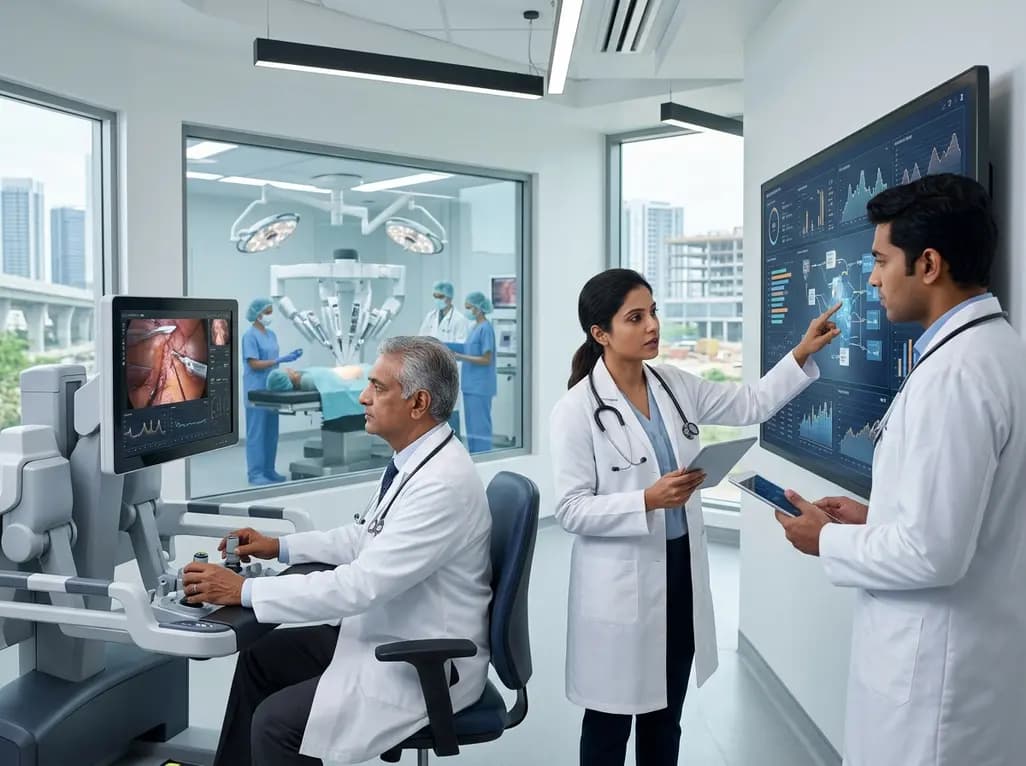
The Indian healthcare landscape is undergoing a structural paradigm shift as healthcare delivery transitions from basic physical capacity expansion toward technology-integrated, value-driven models. According to recent survey findings published by Deloitte India, strong momentum surrounds Indian hospital sector growth, propelled by wider health insurance coverage, artificial intelligence adoption, and supportive regulatory frameworks. Industry leaders and hospital executives anticipate robust financial and operational performance as healthcare systems modernise across the country. Furthermore, this evolutionary phase emphasizes specialty clinical excellence alongside integrated operational workflows. Consequently, major healthcare providers are recalibrating their expansion strategies to capture emerging opportunities across diverse geographies while maintaining clinical quality standards.
According to the Deloitte India report, approximately 60 per cent of hospital chief executive officers project the healthcare sector to grow between 10 and 15 per cent in FY27. Consequently, this projected acceleration relies heavily on expanding insurance penetration across both retail and corporate segments. Moreover, increasing financial protection through private health policies and government schemes fosters sustained inpatient demand across major therapeutic areas. Additionally, rising consumer preference for organized healthcare facilities provides institutional chains with a distinct competitive advantage over fragmented healthcare providers.
Furthermore, capital funding for future infrastructure initiatives will draw heavily from private equity inflows and internal corporate accruals. Indeed, private equity firms continue to demonstrate high confidence in Indian healthcare assets, recognizing strong long-term market fundamentals and demographic tailwinds. In addition, healthcare organizations are leveraging disciplined capital allocation to balance bed expansion with balance sheet stability. As a result, hospital networks are well-positioned to maintain sustainable double-digit revenue trajectories while improving operational margins through prudent cost control and service mix optimization across specialty departments.
Modern healthcare systems are shifting from experimental technology pilots toward enterprise-wide digital implementation. Specifically, artificial intelligence and advanced digital technologies are becoming central pillars of clinical care delivery and administrative workflows. Deloitte's survey reveals that 50 per cent of hospital leaders identify robotic surgery and augmented reality or virtual reality systems as technologies capable of driving the highest clinical and business impact. Consequently, surgical departments are rapidly adopting robotic platforms to enhance precision, minimize surgical complications, and shorten overall postoperative length of stay for patients.
In addition, nearly 47 per cent of executives view artificial intelligence and generative AI platforms as transformative tools for institutional clinical practice. Furthermore, health systems utilize artificial intelligence for real-time automated documentation, diagnostic triage, predictive clinical analytics, and patient engagement management. Therefore, these digital applications significantly alleviate administrative burdens on clinicians and improve workflow efficiency across tertiary care departments. Moreover, 83 per cent of surveyed hospitals have successfully integrated Enterprise Resource Planning systems into their core hospital information architectures. Consequently, streamlined data management enables medical administrators to optimize supply chains, enhance revenue cycle management, and deliver safer, more coordinated patient care.
Despite significant capital deployment in urban centers, India's national bed density remains at 1.6 beds per 1,000 population, falling noticeably short of international healthcare benchmarks. However, this infrastructure gap signals substantial headroom for future development, particularly beyond Tier-1 metropolitan markets. Therefore, leading healthcare systems are shifting strategic focus toward Tier-2 and Tier-3 cities, where demand for advanced tertiary medical services remains largely unfulfilled. Indeed, nearly 46 per cent of surveyed healthcare executives confirm that geographic diversification into emerging regional markets constitutes a top strategic priority for FY27.
Currently, the private healthcare sector controls approximately 65 per cent of total hospital beds nationwide, underscoring its vital role in meeting national care demands. Additionally, sustained public and private investments have successfully elevated the national doctor-to-population ratio to 1:811, supported by 818 operational medical colleges and a growing nursing pool of approximately 39 lakh professionals. Consequently, the availability of qualified clinical staff facilitates regional bed expansion and specialty clinic setup in non-metro regions. Ultimately, expanding footprint into secondary cities allows health networks to capture untapped market share, reduce geographic disparities in specialty access, and lower regional treatment costs for patients.
As healthcare delivery grows increasingly complex, hospital leadership is placing heightened emphasis on specialty care and clinical talent development. Specifically, medical institutions are expanding high-value tertiary specialties, including oncology, organ transplantation, cardiology, neurosurgery, and advanced orthopedic interventions. Furthermore, offering specialized tertiary interventions enables hospitals to enhance average revenue per occupied bed while providing comprehensive care under one roof. However, acquiring and retaining skilled medical specialists, specialized nurses, and allied healthcare personnel remains a key operational challenge for expanding healthcare chains.
To address human capital constraints, healthcare organizations are investing heavily in continuous workforce capability development and clinical training programs. Moreover, hospitals are establishing strategic academic partnerships to bridge the gap between medical education and complex clinical practice. Additionally, health systems are leveraging digital tools and tele-ICU networks to extend specialist expertise to regional satellite facilities. Consequently, remote consultation platforms allow senior consultants to guide rural medical teams during critical care management. Ultimately, cultivating robust multidisciplinary medical teams ensures that clinical delivery meets international safety standards while improving complex clinical outcomes across all institutional network branches.
Government initiatives play a pivotal role in accelerating digital transformation and financial inclusion across the Indian health ecosystem. Specifically, 57 per cent of surveyed hospital executives report readiness to integrate their digital platforms with the government's National Health Claims Exchange, known as NHCX. Consequently, seamless integration with NHCX simplifies claim settlement procedures, reduces processing turnarounds, and enhances transparency between healthcare providers and health insurers. Furthermore, standardized claims processing lowers administrative overhead for hospitals while streamlining cashless insurance authorizations for hospitalized patients.
Additionally, public health coverage programs, such as Ayushman Bharat Digital Mission and national insurance schemes, continue to drive patient volumes into organized healthcare facilities. Consequently, institutional alignment with government digital health frameworks enhances overall interoperability and standardized patient data sharing. Furthermore, robust data integration ensures compliant health data management under new privacy regulations while maintaining patient confidentiality. Therefore, healthcare providers that proactively align internal digital architecture with national health networks gain significant operational efficiencies. Ultimately, this synergy between public health policy and private sector technology investments accelerates the creation of a modern, connected, and patient-centric healthcare environment.
Q1: What are the primary growth projections for the Indian hospital sector in FY27?
According to the Deloitte India survey, 60 per cent of hospital CXOs expect the Indian hospital sector to grow between 10 and 15 per cent in FY27. This strong economic expansion is primarily driven by rising private and public health insurance penetration, increasing consumer demand for organized tertiary healthcare, and continued bed capacity expansion across urban and emerging non-metro regional markets supported by private equity funding.
Q2: Which emerging technologies are expected to exert the strongest impact on hospital care?
Hospital leaders identify robotic surgery and AR/VR systems, noted by 50 per cent of CXOs, as critical drivers of clinical and business impact. Additionally, 47 per cent highlight artificial intelligence and generative AI platforms for clinical documentation and diagnostic triage. Furthermore, 83 per cent of hospitals have integrated ERP systems with core health information architectures to streamline administrative and clinical workflows.
Q3: What is the current healthcare infrastructure density and clinical workforce ratio in India?
India currently maintains a doctor-to-population ratio of 1:811, supported by 818 operational medical colleges and a dedicated nursing workforce of approximately 39 lakh professionals. Currently, the private sector operates about 65 per cent of hospital beds nationwide. However, overall bed density remains at 1.6 beds per 1,000 people, signaling substantial strategic opportunities for hospital network expansion beyond major metro cities.
Disclaimer: This content is for informational and educational purposes only. It does not constitute medical advice or replace professional judgment. Refer to the latest local and national guidelines for clinical practice.
References

Read summarized clinical updates, watch expert medical content, and earn CME certifications right from your smartphone.
Open your smartphone camera to scan and install.





A Deloitte survey highlights 10-15% expected growth in the Indian hospital sector for FY27. Rising insurance penetration, robotic surgery, AI adoption, and NHCX digital integration are transforming care, while expansion beyond metro cities addresses India's bed density gap.
last month
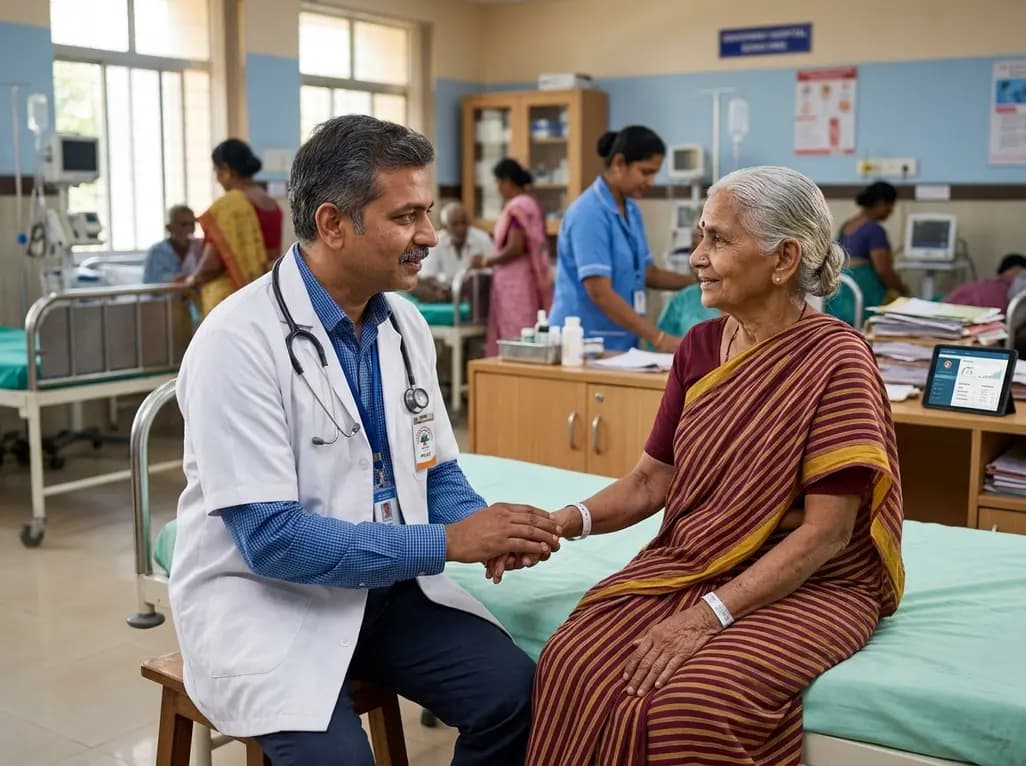
As India's geriatric demographic prepares to double to 346 million by 2050, national health initiatives are expanding. From universal PM-JAY insurance for individuals aged 70 and above to institutional care homes and dedicated digital caregiver dashboards, proactive public healthcare models are reshaping eldercare.
5 days back
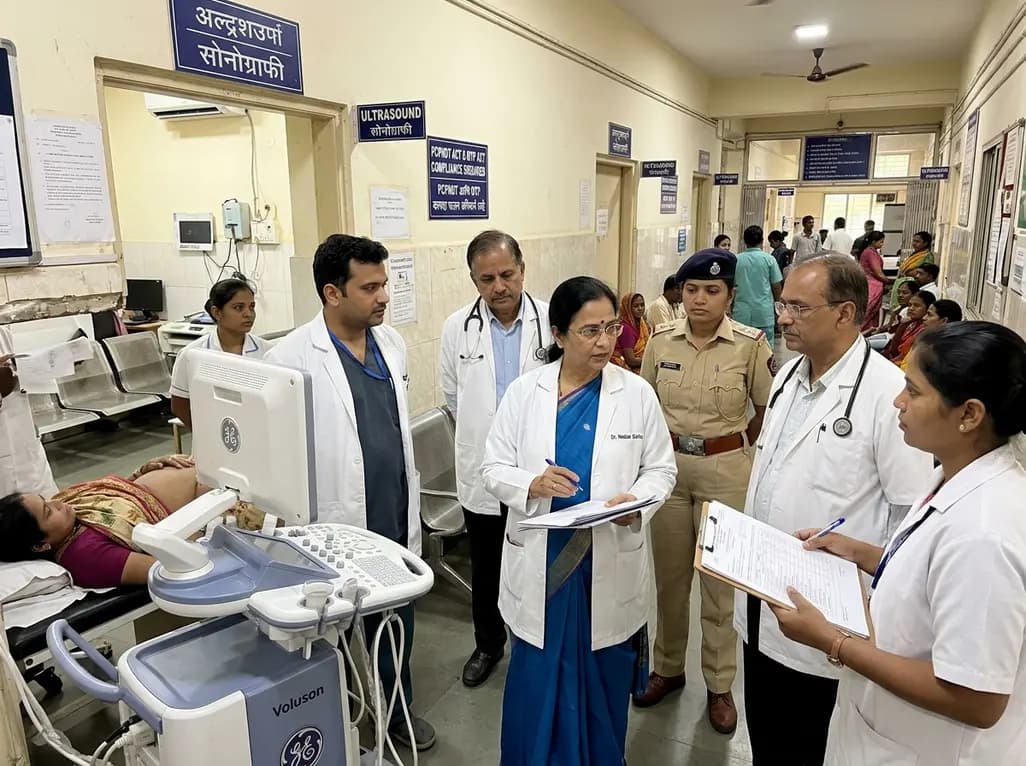
The Maharashtra public health department has established a specialized task force headed by Dr. Neelam Gorhe to eliminate illegal sex determination and unauthorized abortions. The team will execute surprise inspections of ultrasound facilities, audit medical documentation, and enforce strict statutory standards.
5 days back
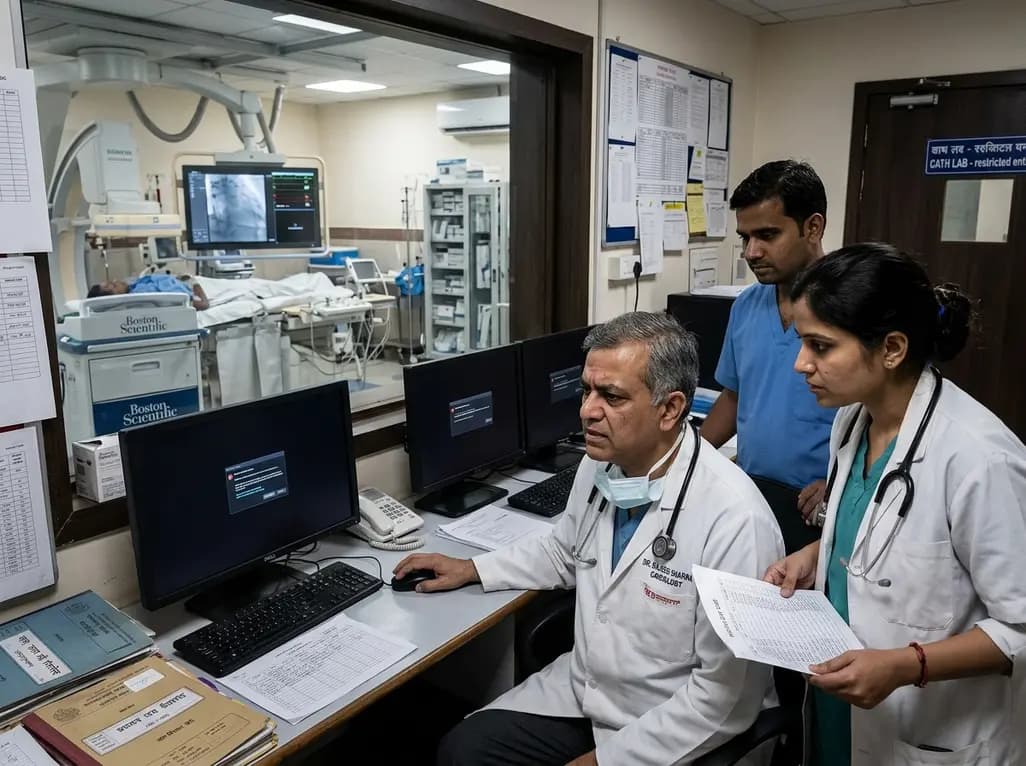
A major cybersecurity breach disrupted global operations at Boston Scientific, delaying device distribution and remote cardiac monitoring activations. This analysis examines the immediate consequences for clinical catheterization suites, electrophysiology teams, hospital inventory systems, and patient care safety.
5 days back
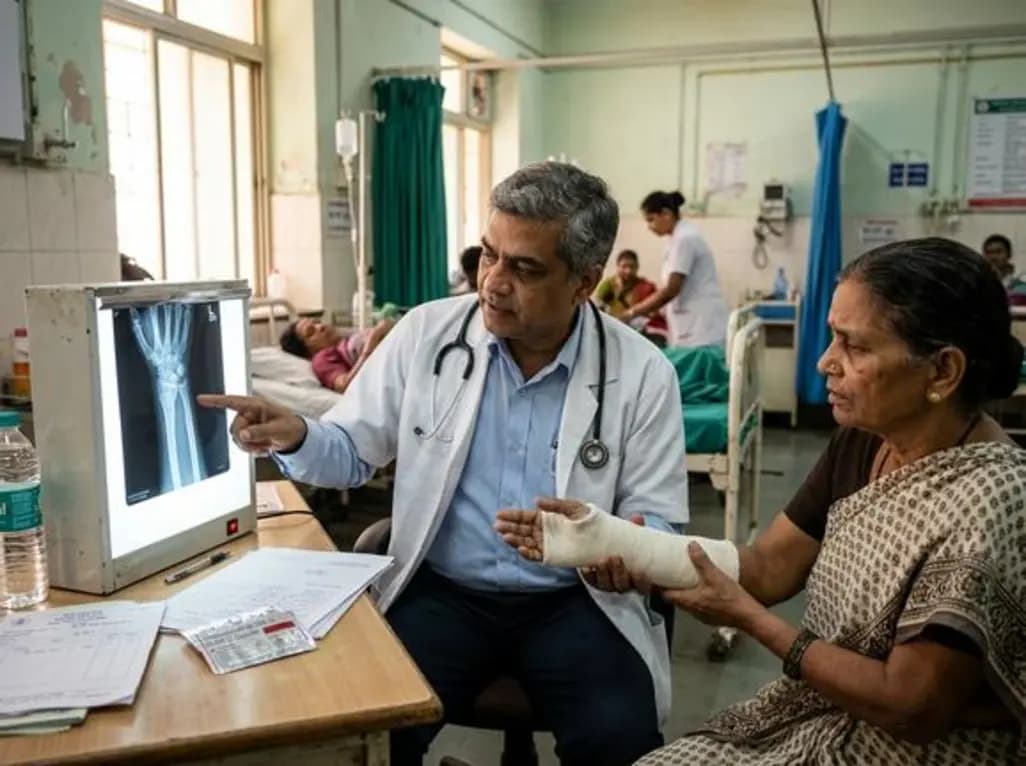
Nearly 80% of Indians suffer from inadequate Vitamin D, causing silent bone weakening and sudden fractures. This expert guide reviews why mega-dose therapy is critical for high-risk patients, the key factors driving widespread deficiency, and the mandatory medical evaluations needed to protect skeletal health.
2 months ago
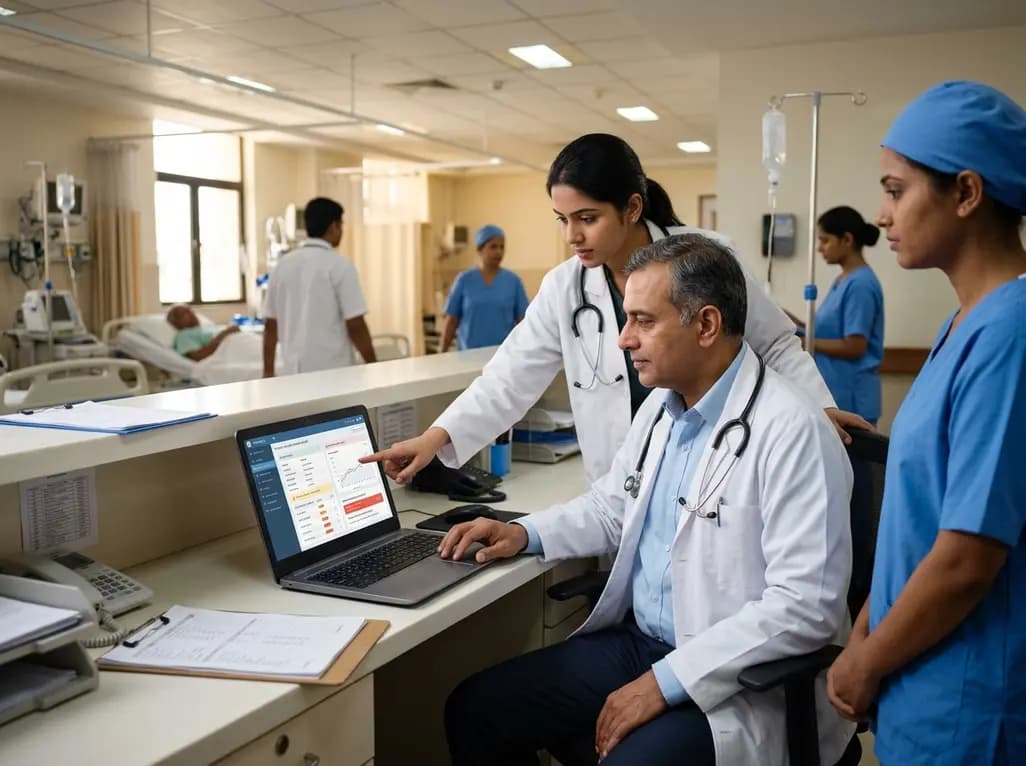
A nationwide mixed-methods study evaluated hospital glycemic management systems across 265 hospitals. While real-time alerts and automatic data sync are highly valued, significant disparities in digital maturity and low satisfaction with decision support highlight the need for standardized implementation.
2 weeks back
