.webp&w=384&q=75)

Loading, please wait...
Loading, please wait...
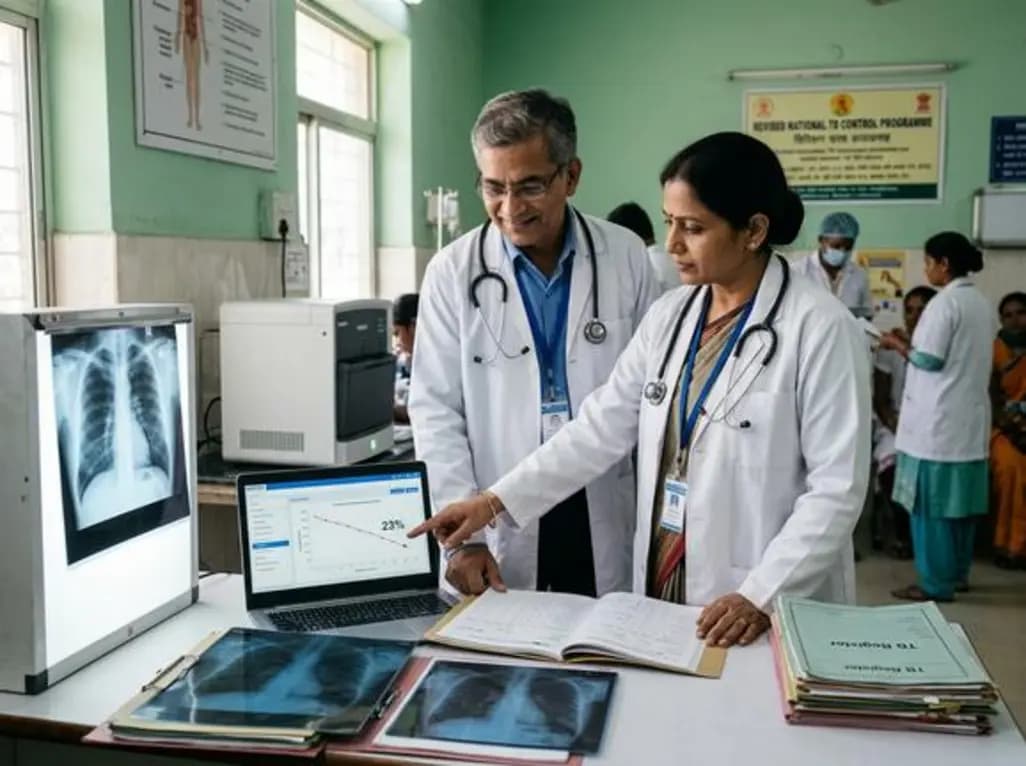
India has achieved a remarkable milestone by reducing its tuberculosis incidence by nearly 23% over the past decade. Consequently, Union Health Minister J P Nadda urged states to escalate efforts in the concluding weeks of the intensified 100-day TB Mukt Bharat Abhiyan. This active nationwide campaign represents a crucial last-mile strategy to identify missing cases. Furthermore, health authorities aim to ensure that vulnerable populations receive timely diagnosis and treatment.
Specifically, India's TB incidence plummeted to 187 cases per lakh population in 2024 from 243 in 2014. Meanwhile, TB mortality dropped to 21 deaths per lakh in 2024 from 34 a decade earlier. Therefore, these figures highlight the successful impact of sustained healthcare interventions. Additionally, screening campaigns have evaluated over 28.1 crore individuals under the TB Mukt Bharat Abhiyan since December 2024. Subsequently, nearly 20 lakh people received crucial tuberculosis preventive treatment to halt transmission.
Traditionally, healthcare systems waited for symptomatic patients to visit clinics. However, the current campaign introduces a proactive paradigm shift by reaching directly into vulnerable communities. For instance, healthcare teams have organized more than 1.7 lakh Ayushman Arogya Shivirs across high-risk villages and urban wards. Moreover, advanced technology has expanded diagnostic capabilities dramatically due to handheld X-ray devices. Consequently, these handheld devices have increased screening capacity 34-fold, which greatly assists in early case detection. To support this technology, the government is also recruiting additional radiographers through the National Health Mission.
Q1: What is the main objective of the current 100-day TB Mukt Bharat Abhiyan?
The campaign aims to proactively identify missing tuberculosis cases, particularly among vulnerable and high-risk populations, ensuring early diagnosis and complete treatment to eliminate TB in India.
Q2: How much has tuberculosis incidence declined in India over the past decade?
India's TB incidence has fallen by nearly 23 per cent, declining from 243 cases per lakh population in 2014 to 187 cases per lakh in 2024.
Q3: What technological innovations are being utilized in this campaign?
The campaign utilizes handheld X-ray machines, molecular testing devices like Truenat and CBNAAT, and the TB Mukt Bharat App integrated with an AI chatbot named Khushi for real-time symptom tracking and user support.
Disclaimer: This content is for informational and educational purposes only. It does not constitute medical advice or replace professional judgment. Refer to the latest local and national guidelines for clinical practice.
References

Read summarized clinical updates, watch expert medical content, and earn CME certifications right from your smartphone.
Open your smartphone camera to scan and install.





Union Health Minister J P Nadda reviewed the progress of tuberculosis elimination in India, highlighting a 23% decline in TB incidence and a significant drop in mortality over the last decade. The ongoing 100-day drive emphasizes active screening, advanced diagnostics, and robust community participation.
4 months ago
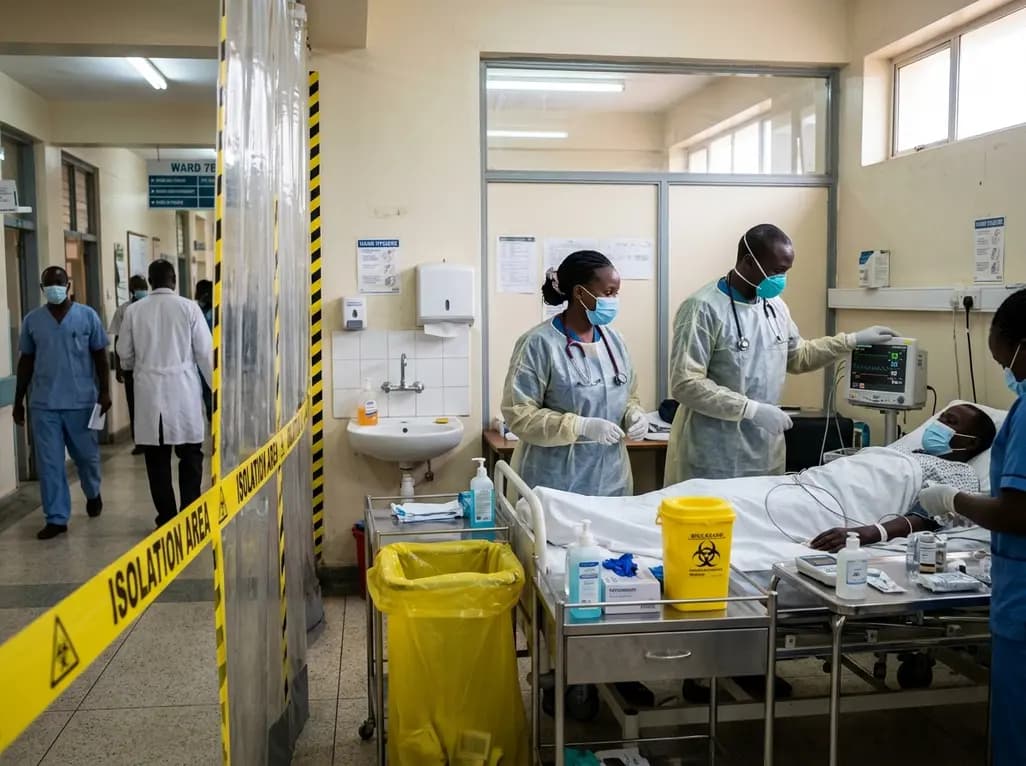
Kenya's confirmation of its eighth Ebola infection highlights the acute risk of secondary transmission in hospital environments. Clinicians must maintain high vigilance, enforce strict infection prevention protocols, and implement rapid triage mechanisms for viral hemorrhagic fevers across healthcare settings.
4 days back
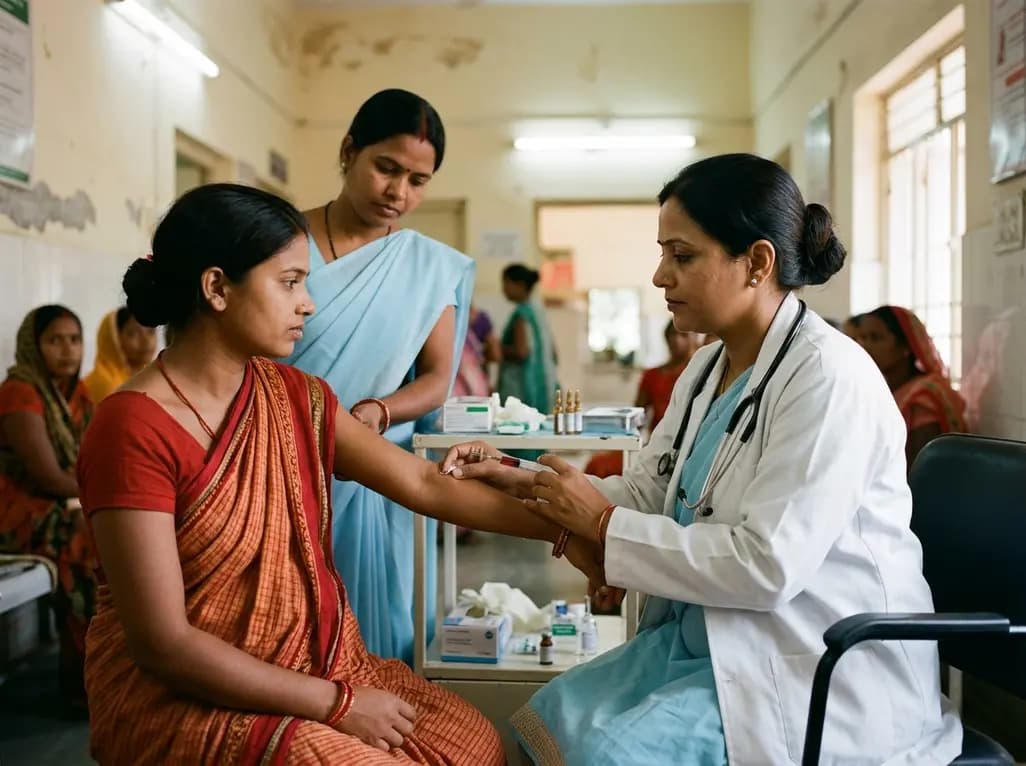
Maternal anaemia contributes to nearly half of pregnancy-related fatalities across India. To prevent complications, Uttar Pradesh has added single-dose parenteral iron to its essential medicines list. This clinical transition aims to restore haemoglobin rapidly and protect high-risk mothers across rural facilities.
Last week

India's food safety authority FSSAI has issued show-cause notices to Gemini Edibles, BigBasket, and Flipkart for unpermitted cardiovascular claims regarding Freedom Rice Bran Oil. This regulatory move highlights the strict enforcement of advertising standards and the clinical necessity of evidence-based lipid care.
6 days back
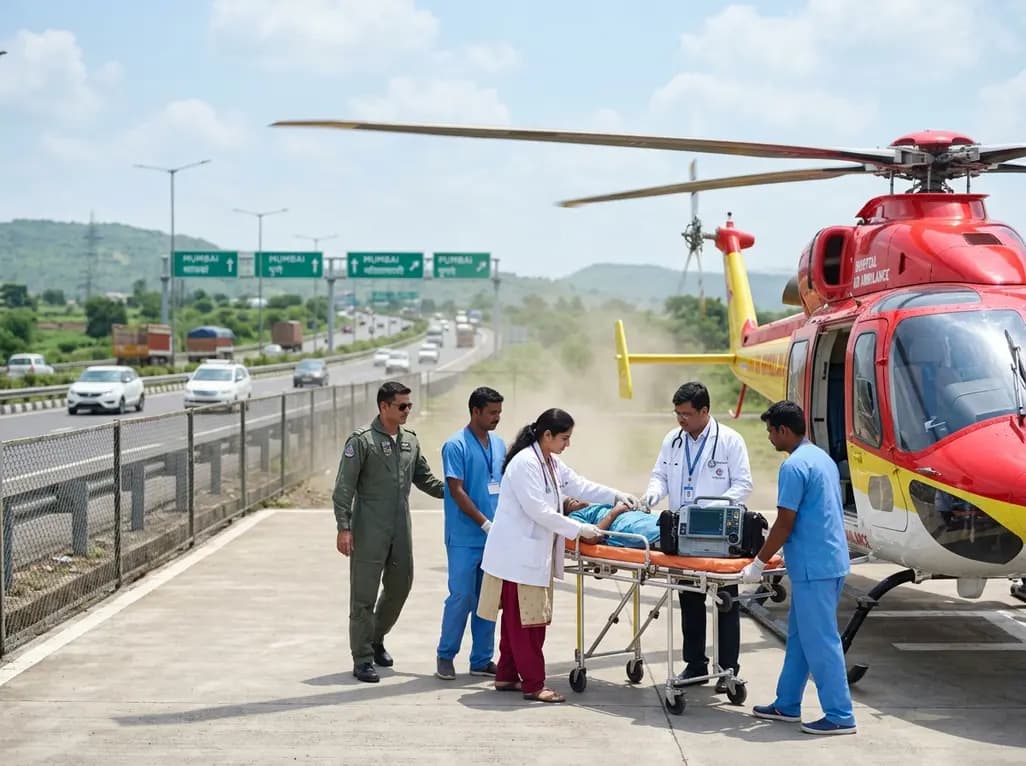
The state government is deploying helicopter emergency medical services across the Mumbai-Pune Expressway, Samruddhi Mahamarg, and Mumbai-Goa Highway. This initiative establishes unified standard operating procedures to enable rapid triage, advanced prehospital resuscitation, and seamless trauma care transfers.
Last week
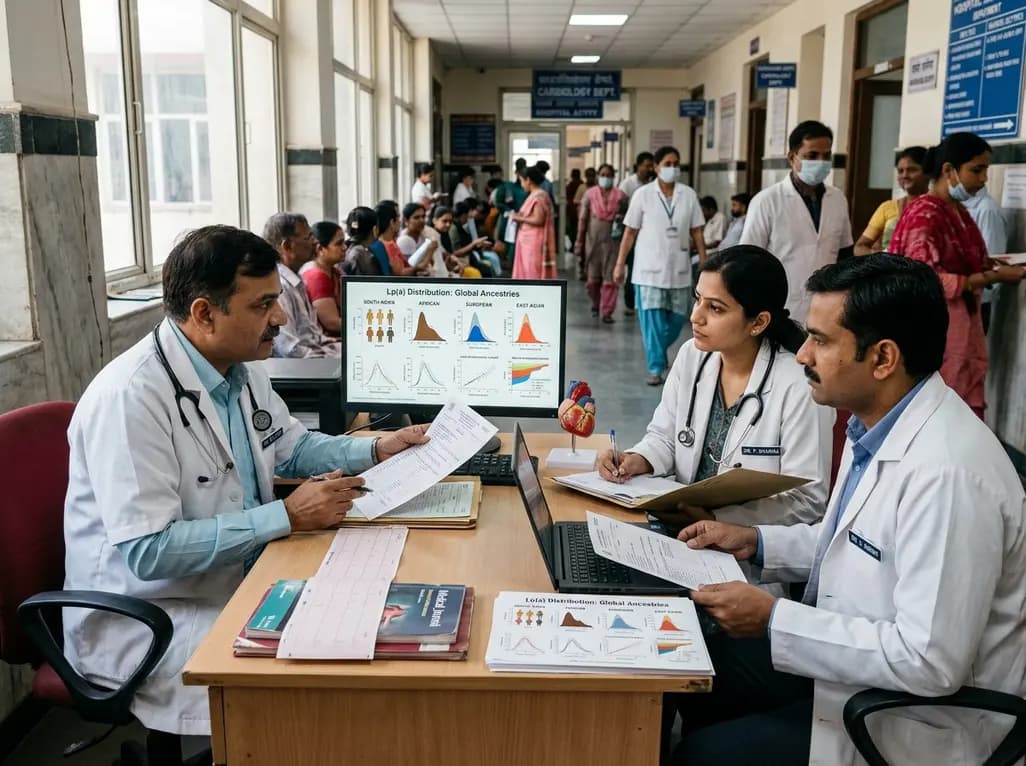
Atherosclerotic cardiovascular disease guidelines often rely on European-derived lipoprotein(a) cutoffs. However, baseline Lp(a) levels vary widely across ancestries, including South Asians and Africans. Clinicians must interpret Lp(a) values within overall absolute cardiovascular risk.
Last week
