.webp&w=384&q=75)

Loading, please wait...
Loading, please wait...
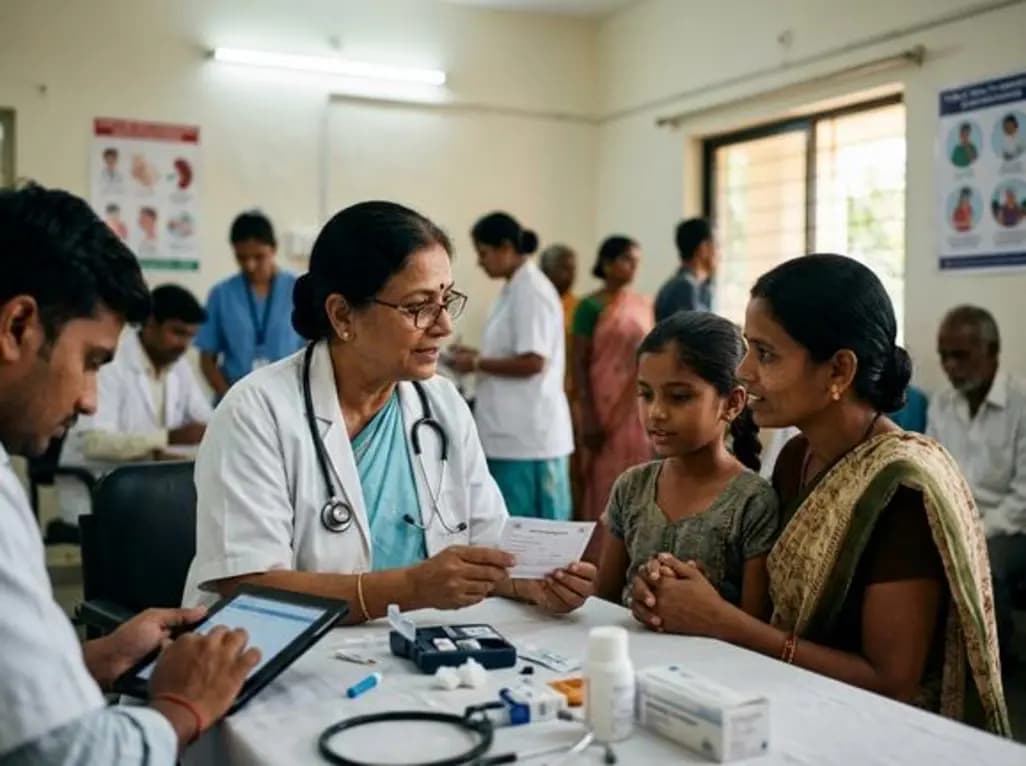
Currently, India is taking massive strides in its fight against genetic blood disorders. Consequently, President Droupadi Murmu announced that the country might eliminate sickle cell disease well before the original 2047 target.
First, the government launched the National Sickle Cell Anaemia Elimination Mission in July 2023. This crucial initiative originally aimed to screen seven crore citizens under the age of forty. Remarkably, healthcare workers achieved this screening milestone ahead of schedule.
Furthermore, medical teams have already screened over seven crore people from newborns to young adults. As a result, this campaign stands as one of the largest genetic screening drives globally.
In addition, scientific studies show a highly disproportionate impact on tribal populations. Specifically, the prevalence of this genetic disorder is several times higher in these communities than in the general population. Therefore, the Union Health Ministry and the Ministry of Tribal Affairs launched a joint campaign to address this challenge.
Additionally, this multi-sectoral campaign integrates genetic science with digital monitoring. Consequently, authorities have identified over 20 lakh disease carriers across 17 states. Furthermore, Madhya Pradesh and Odisha have reported the highest number of cases so far.
Moreover, complete eradication requires sustained efforts beyond basic screening. Healthcare providers must focus on pre-marital genetic counselling to prevent transmission. Therefore, raising community awareness remains a vital pillar of the mission.
Subsequently, early detection allows for timely clinical intervention and continuous management. Currently, the government distributes specialized health cards to facilitate longitudinal care. Consequently, affected individuals can access proper healthcare support across the country.
Q1: What is the main objective of the National Sickle Cell Anaemia Elimination Mission?
The mission aims to eliminate sickle cell disease as a public health concern in India by 2047 through extensive screening, genetic counselling, and early treatment.
Q2: Who is being targeted for screening under this mission?
Specifically, the screening drive targets seven crore individuals, ranging from newborns up to forty years of age, focusing heavily on tribal and vulnerable populations.
Q3: Which Indian states are most affected by sickle cell disease?
Currently, Madhya Pradesh and Odisha report the highest number of cases among the seventeen states actively undergoing screening.
Disclaimer: This content is for informational and educational purposes only. It does not constitute medical advice or replace professional judgment. Refer to the latest local and national guidelines for clinical practice.
References

Read summarized clinical updates, watch expert medical content, and earn CME certifications right from your smartphone.
Open your smartphone camera to scan and install.





India has achieved its target of screening 7 crore individuals under the National Sickle Cell Anaemia Elimination Mission. This remarkable milestone puts the country on a path to eliminate the genetic blood disorder well before the national target of 2047.
4 months ago
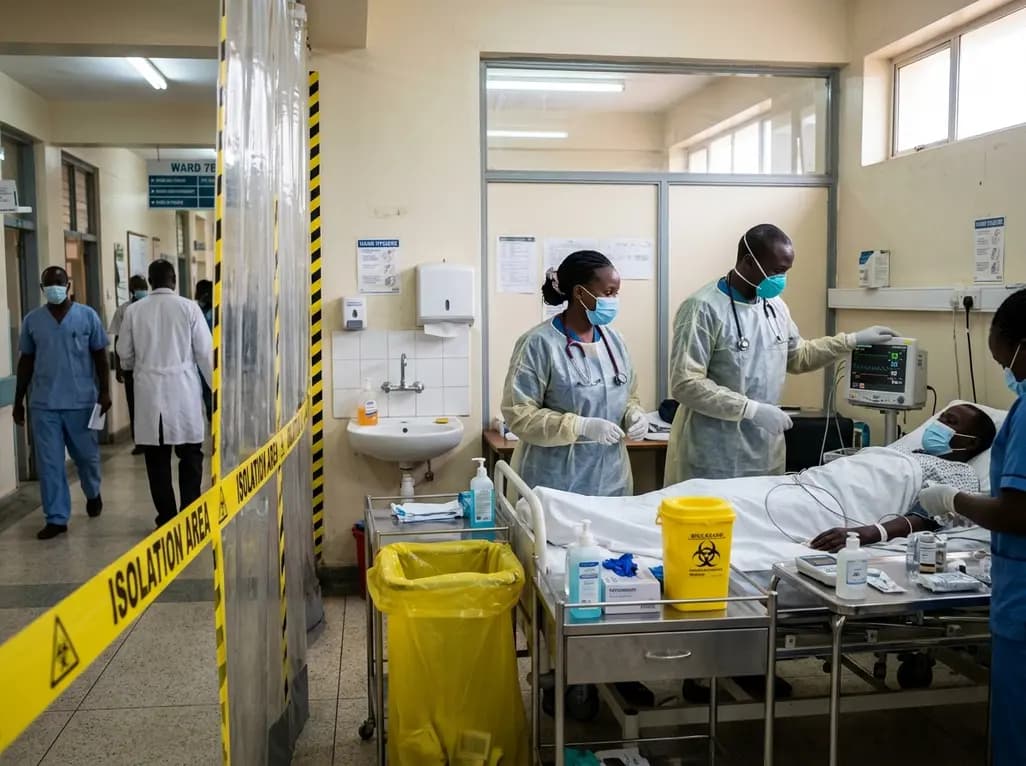
Kenya's confirmation of its eighth Ebola infection highlights the acute risk of secondary transmission in hospital environments. Clinicians must maintain high vigilance, enforce strict infection prevention protocols, and implement rapid triage mechanisms for viral hemorrhagic fevers across healthcare settings.
3 days back
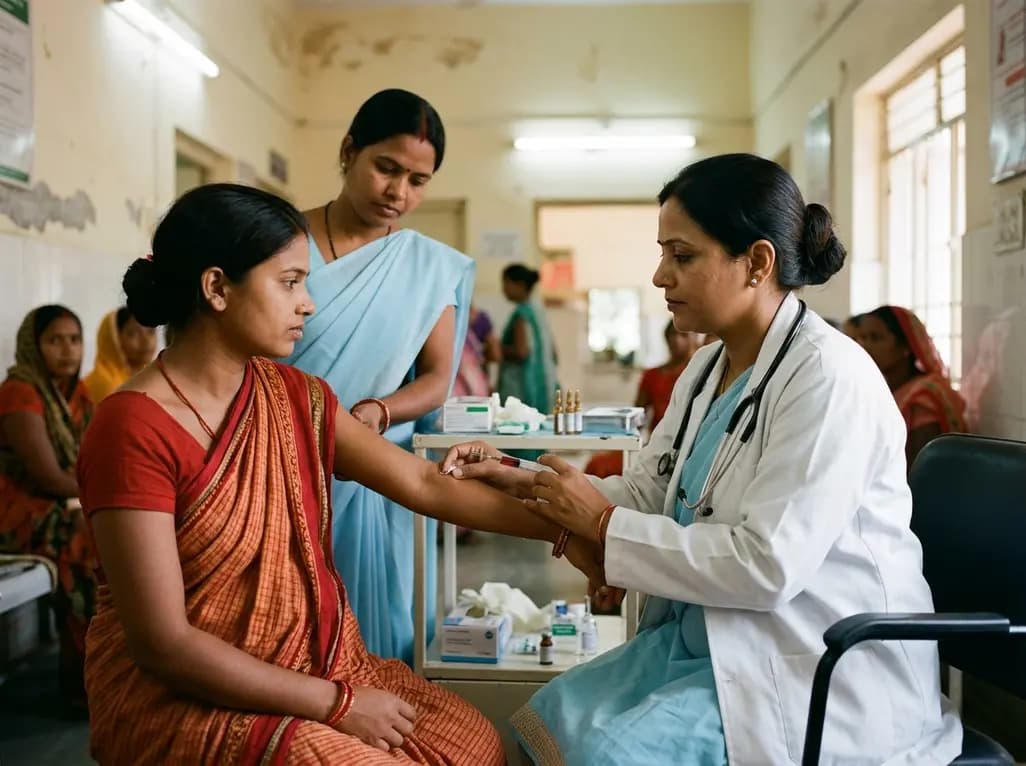
Maternal anaemia contributes to nearly half of pregnancy-related fatalities across India. To prevent complications, Uttar Pradesh has added single-dose parenteral iron to its essential medicines list. This clinical transition aims to restore haemoglobin rapidly and protect high-risk mothers across rural facilities.
Last week

India's food safety authority FSSAI has issued show-cause notices to Gemini Edibles, BigBasket, and Flipkart for unpermitted cardiovascular claims regarding Freedom Rice Bran Oil. This regulatory move highlights the strict enforcement of advertising standards and the clinical necessity of evidence-based lipid care.
5 days back

The state government is deploying helicopter emergency medical services across the Mumbai-Pune Expressway, Samruddhi Mahamarg, and Mumbai-Goa Highway. This initiative establishes unified standard operating procedures to enable rapid triage, advanced prehospital resuscitation, and seamless trauma care transfers.
Last week
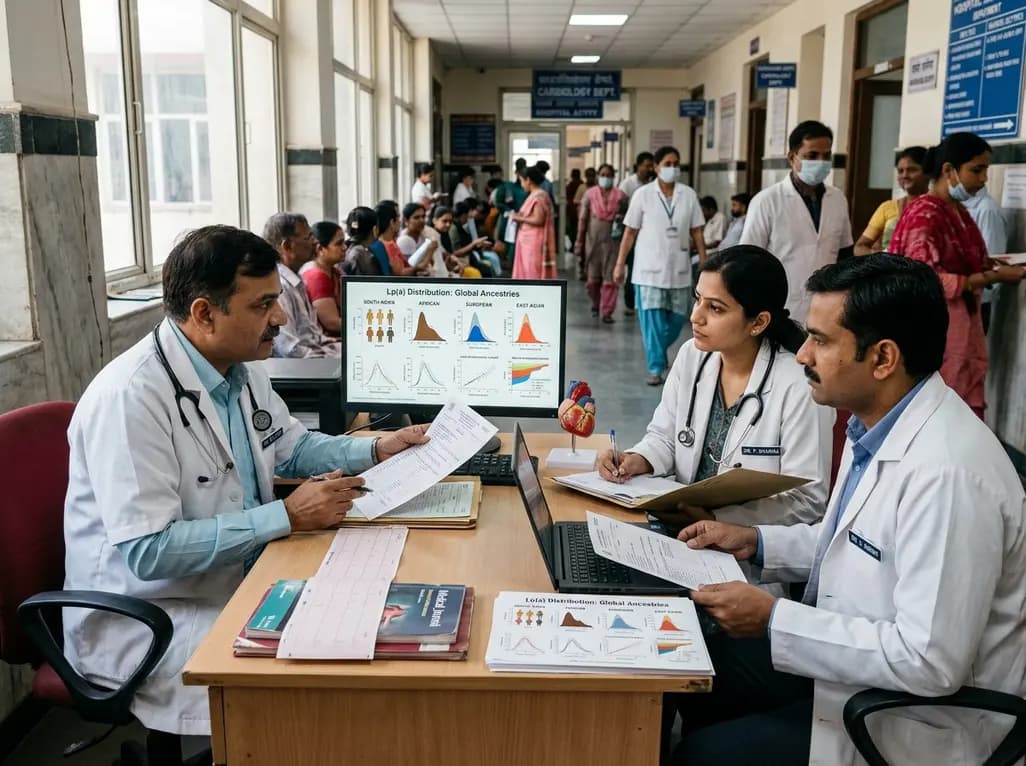
Atherosclerotic cardiovascular disease guidelines often rely on European-derived lipoprotein(a) cutoffs. However, baseline Lp(a) levels vary widely across ancestries, including South Asians and Africans. Clinicians must interpret Lp(a) values within overall absolute cardiovascular risk.
Last week
