.webp&w=384&q=75)

Loading, please wait...
Loading, please wait...
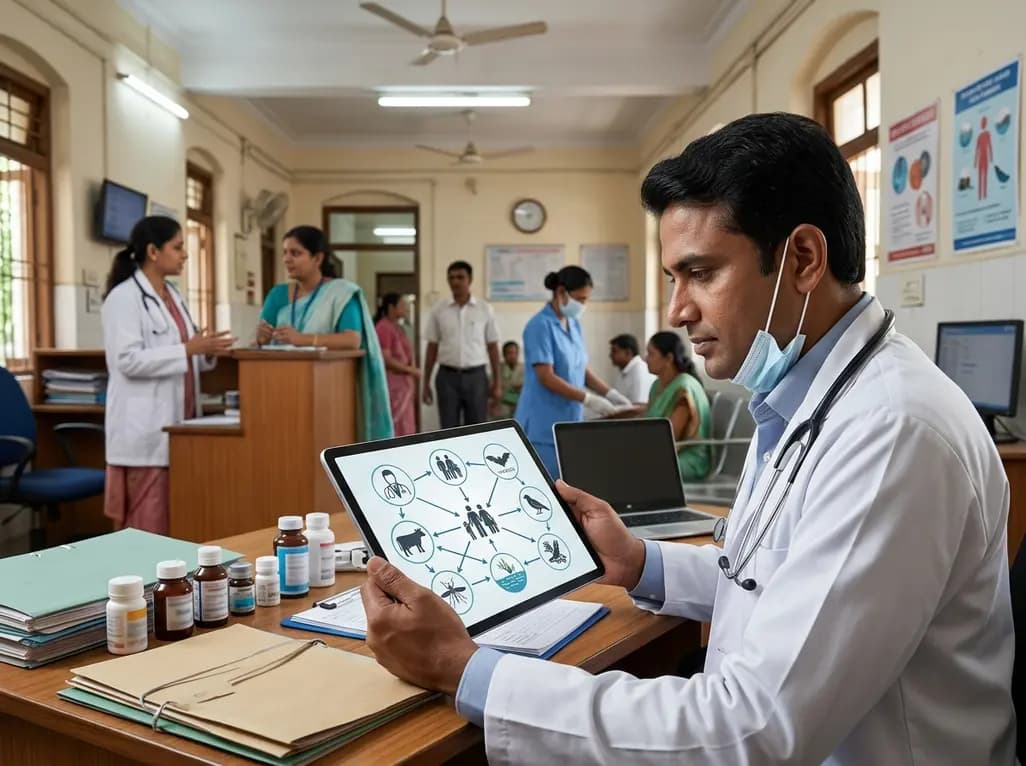
India recently took a major step to mitigate infectious threats through specialized training programs. Specifically, the Union Ministry of Health and Family Welfare introduced comprehensive e-learning modules to enhance national capabilities. Therefore, healthcare professionals across the nation can now access vital training in zoonotic disease surveillance. This strategic initiative integrates human, animal, and environmental health sectors under a unified framework. Consequently, this collaborative approach aims to build a highly resilient public health defense system.
Zoonotic illnesses continue to present severe health and economic challenges throughout India. Indeed, the rapid spillover of pathogens from animals to humans causes major outbreaks annually. However, early detection of these events remains a major challenge for local healthcare systems. To resolve this issue, the government is prioritizing a standardized approach to zoonotic disease surveillance. This systematic tracking helps medical professionals identify viral, bacterial, and parasitic pathogens before they escalate into epidemics. Additionally, robust monitoring protects vulnerable rural populations who live in close proximity to livestock. Furthermore, environmental changes and deforestation accelerate human-animal contact, raising spillover risks. Therefore, physicians must maintain a high level of clinical suspicion when treating atypical febrile illnesses. By observing these patterns early, public health units can issue timely warnings. Consequently, this preemptive action saves lives and preserves critical medical resources in remote districts. Healthcare workers must actively report unusual clusters of disease to central portals. Ultimately, sustained surveillance remains the cornerstone of modern pandemic preparedness.
The recently introduced National Action Plan provides a comprehensive blueprint to secure India's health future. Specifically, this strategic framework emphasizes governance, laboratory network development, and immediate outbreak responses. In addition, the policy outlines sustainable financing models to ensure long-term viability across all states. Therefore, local administrative bodies can obtain the necessary funds to establish specialized veterinary and medical units. Moreover, the plan mandates the creation of localized, state-specific action plans that align with national objectives. This structure enables a unified front against infectious threats while respecting local epidemiological variations. Consequently, state healthcare departments can address endemic issues like scrub typhus or rabies more effectively. Furthermore, the framework promotes intensive collaborative research to discover innovative diagnostic methodologies. This academic integration allows scientists to design faster assays for identifying novel viruses. As a result, India is building a resilient, highly trained workforce capable of addressing sudden health crises. Health officials believe that strong governance structures will successfully bridge the historical gaps between veterinary and human medicine.
To streamline intervention efforts, the government selected ten priority zoonotic diseases for targeted surveillance and training. Specifically, the technical list includes anthrax, brucellosis, Kyasanur Forest disease, and Crimean-Congo hemorrhagic fever. Additionally, clinicians will receive extensive education on managing Nipah, Mpox, rabies, leptospirosis, scrub typhus, and Zika. Indeed, these ten conditions represent the most significant public health and economic threats in the region today. To educate frontline workers, authorities jointly launched the Learning Resource Package alongside an e-learning platform. Consequently, veterinarians, doctors, and wildlife officers can study uniform diagnostic and therapeutic protocols simultaneously. This shared knowledge base facilitates immediate interdisciplinary consultations during complex clinical scenarios. However, successful management depends heavily on early clinical recognition of atypical symptoms. For instance, high fever, thrombocytopenia, and acute neurological decline require immediate investigation for zoonotic pathogens. Therefore, the standardized training modules emphasize syndromic surveillance to prevent catastrophic diagnostic delays. Frontline healthcare teams must utilize these resources to update their daily medical practices. Ultimately, this educational drive empowers local practitioners to act as the primary defense against global biological risks.
Modern technology plays a critical role in optimizing the timing of disease outbreak containment. Specifically, the Integrated Health Information Platform 2.0 allows direct, real-time data sharing across distinct clinical sectors. This digital innovation replaces outdated, delayed reporting methods with fast electronic data entry. Consequently, epidemiological registries can detect rising disease patterns several days earlier than before. Additionally, medical researchers are exploring artificial intelligence to construct sophisticated predictive models for spillover hotspots. These digital systems analyze environmental variables, animal migration patterns, and local temperature variations simultaneously. Therefore, public health departments can receive early warnings of high-risk vector breeding events. Furthermore, the expansion of sentinel surveillance sites ensures representative data collection from highly remote agrarian areas. This widespread monitoring network prevents hidden reservoirs of pathogens from multiplying silently. Thus, technology bridges the gap between clinical suspicion and active outbreak control. Clinicians must embrace these digital systems to report cases without administrative delays. Ultimately, this digital infrastructure safeguards public health while promoting international disease-reporting standards.
Translating a national strategic framework into concrete localized action requires structured coordination among all administrative levels. Specifically, India's diverse ecological landscape demands custom state-level strategies that address regional zoonotic profiles. For example, forested regions must prioritize vector surveillance, while pastoral zones should emphasize livestock vaccination. Therefore, states are developing tailored action plans that match their unique socioeconomic and ecological needs. Additionally, local veterinary departments are collaborating with municipal health boards to hold joint training exercises. This synchronized local action builds trust and streamlines communications between primary health workers and veterinarians. However, resource constraints in rural clinics can occasionally hinder the immediate execution of diagnostic testing. To mitigate this issue, regional hubs are sharing their lab facilities with distant primary health centers. Furthermore, municipal community outreach programs are educating farmers on safe animal-handling techniques to reduce spillover. Consequently, communities become active participants in national disease prevention efforts. By empowering states, the central government builds a strong foundation for long-term health security. Ultimately, this joint venture will protect the entire nation from emerging infectious diseases.
Q1: What are the primary objectives of the newly proposed National Action Plan?
The National Action Plan aims to construct a highly coordinated strategic framework across India. Specifically, it focuses on strengthening governance, disease surveillance, laboratory capabilities, and emergency outbreak response. Additionally, the plan provides financial support to states for designing context-specific localized action plans. Consequently, this multi-sectoral initiative aims to unite human and animal health professionals under the One Health banner, establishing a robust national barrier against emerging zoonotic threats.
Q2: Which priority zoonotic diseases are covered in the new Learning Resource Package?
The newly launched Learning Resource Package comprehensively covers ten priority zoonotic diseases of national significance. Specifically, these conditions include anthrax, brucellosis, Kyasanur Forest disease, Crimean-Congo hemorrhagic fever, Nipah, Mpox, rabies, leptospirosis, scrub typhus, and Zika. By dedicating training modules to these specific threats, the government aims to expand the clinical knowledge of veterinarians, doctors, and public health officials, ensuring early detection and rapid local containment of dangerous outbreaks.
Q3: How does technology support the One Health approach in India?
Modern digital platforms directly facilitate rapid collaborative action across previously isolated health departments. Specifically, the Integrated Health Information Platform 2.0 enables immediate epidemiological data sharing between human health and animal health sectors. Furthermore, researchers are leveraging advanced artificial intelligence to analyze environmental indicators and identify future disease spillover hotspots. Consequently, these combined technologies help medical services predict outbreaks early and coordinate interdisciplinary rapid-response missions to protect high-risk populations.
Disclaimer: This content is for informational and educational purposes only. It does not constitute medical advice or replace professional judgment. Refer to the latest local and national guidelines for clinical practice.
References

Read summarized clinical updates, watch expert medical content, and earn CME certifications right from your smartphone.
Open your smartphone camera to scan and install.





The Union Health Ministry launched a new strategic National Action Plan and technical resources to combat zoonotic diseases in India. Discover how these e-learning modules and multi-sectoral strategies aim to strengthen disease surveillance and response across human, animal, and environmental sectors.
3 months ago
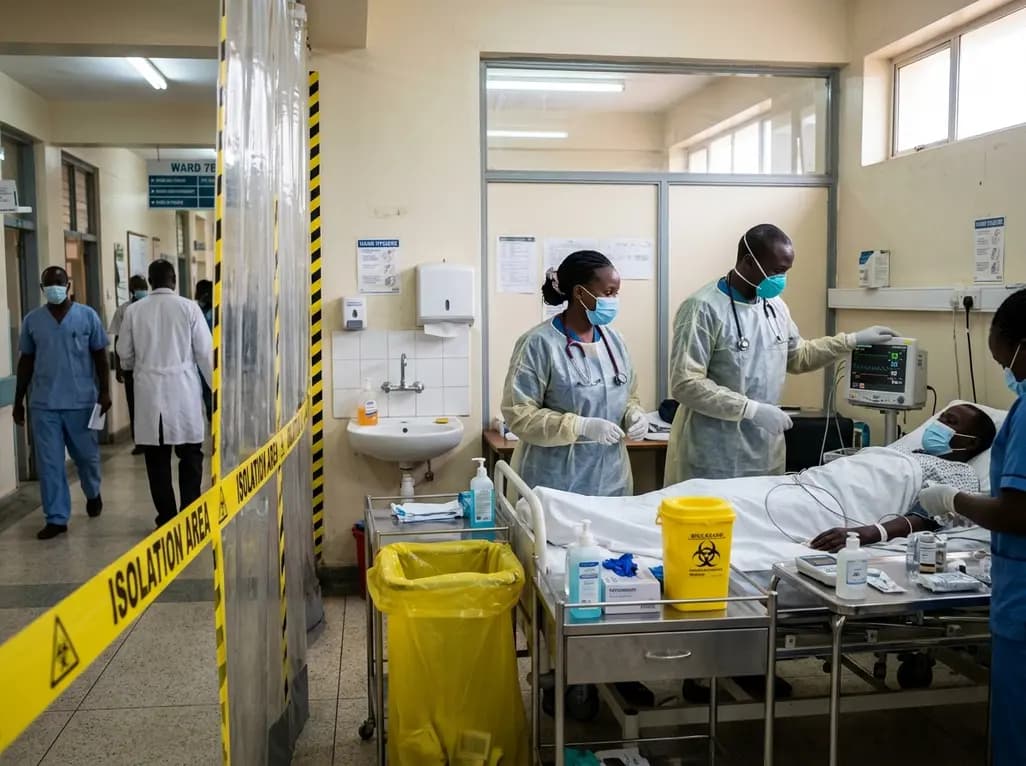
Kenya's confirmation of its eighth Ebola infection highlights the acute risk of secondary transmission in hospital environments. Clinicians must maintain high vigilance, enforce strict infection prevention protocols, and implement rapid triage mechanisms for viral hemorrhagic fevers across healthcare settings.
4 days back
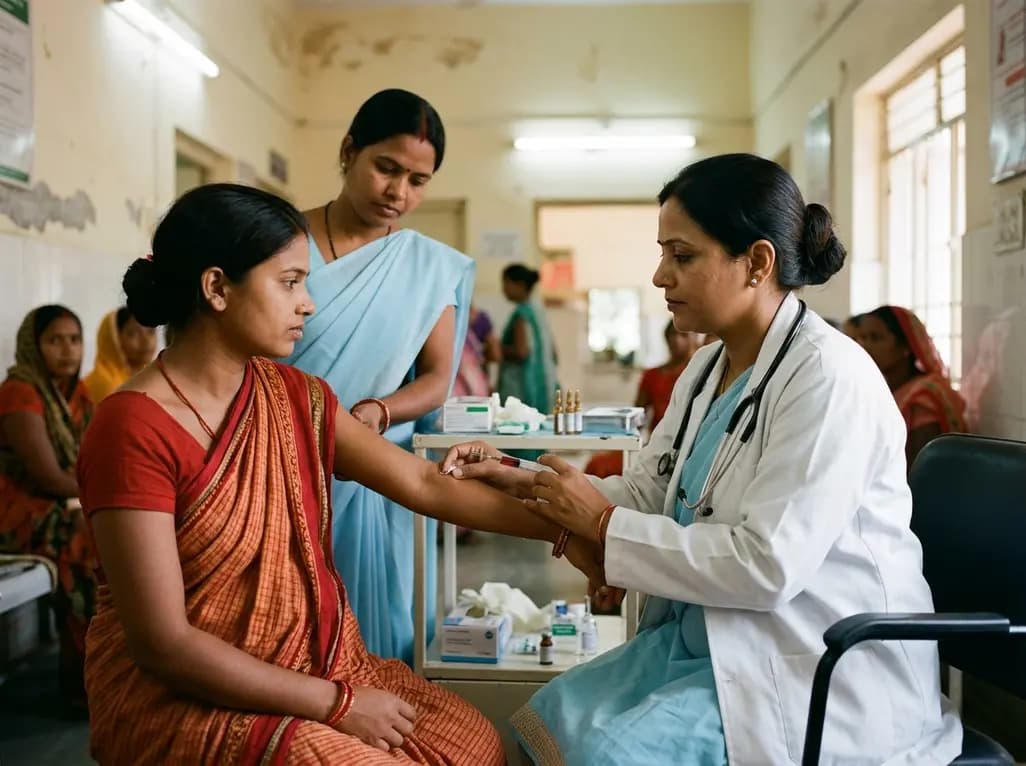
Maternal anaemia contributes to nearly half of pregnancy-related fatalities across India. To prevent complications, Uttar Pradesh has added single-dose parenteral iron to its essential medicines list. This clinical transition aims to restore haemoglobin rapidly and protect high-risk mothers across rural facilities.
Last week

India's food safety authority FSSAI has issued show-cause notices to Gemini Edibles, BigBasket, and Flipkart for unpermitted cardiovascular claims regarding Freedom Rice Bran Oil. This regulatory move highlights the strict enforcement of advertising standards and the clinical necessity of evidence-based lipid care.
6 days back
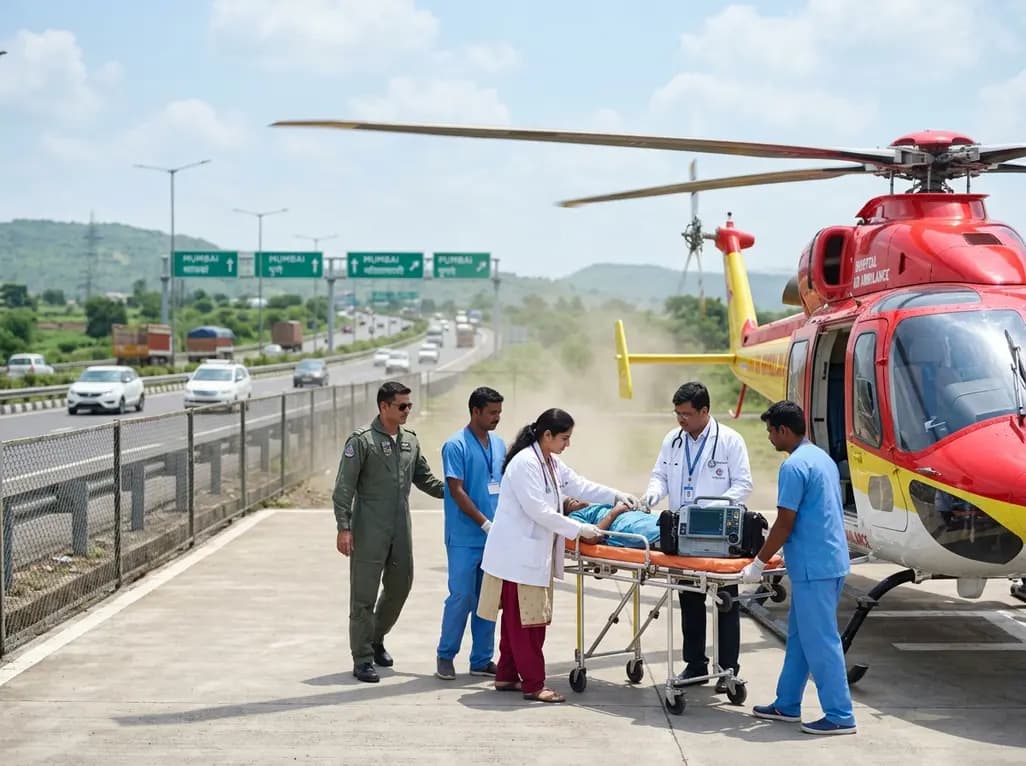
The state government is deploying helicopter emergency medical services across the Mumbai-Pune Expressway, Samruddhi Mahamarg, and Mumbai-Goa Highway. This initiative establishes unified standard operating procedures to enable rapid triage, advanced prehospital resuscitation, and seamless trauma care transfers.
Last week
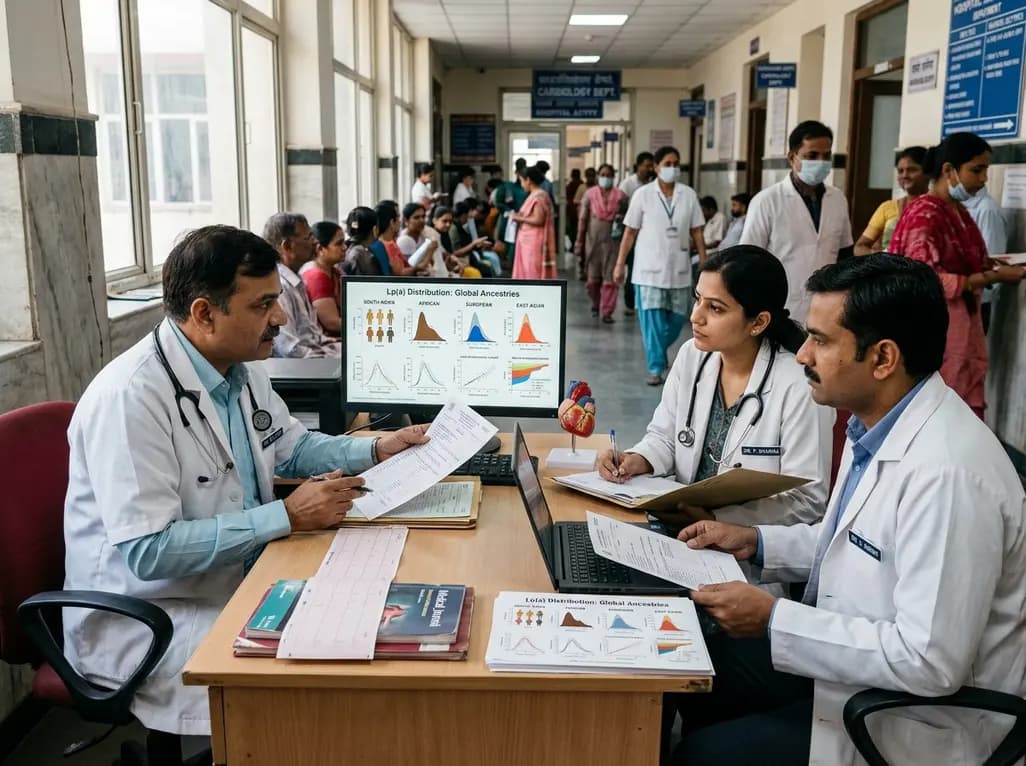
Atherosclerotic cardiovascular disease guidelines often rely on European-derived lipoprotein(a) cutoffs. However, baseline Lp(a) levels vary widely across ancestries, including South Asians and Africans. Clinicians must interpret Lp(a) values within overall absolute cardiovascular risk.
Last week
