.webp&w=384&q=75)

Loading, please wait...
Loading, please wait...
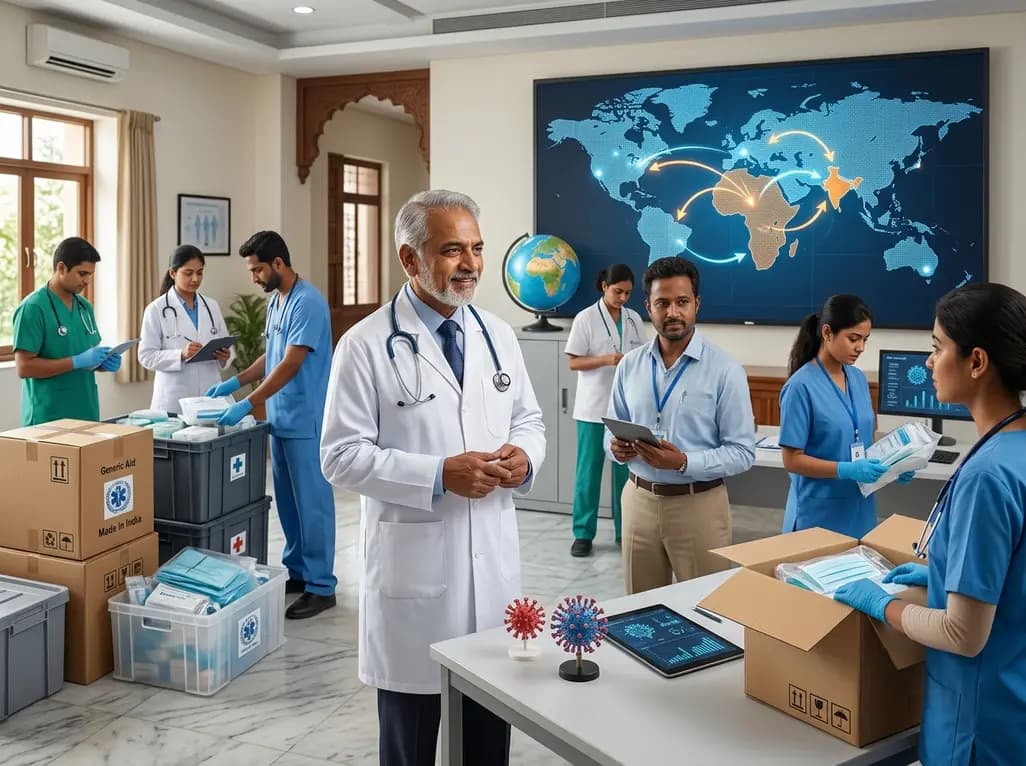
India recently committed USD 10 million to support the ongoing Ebola outbreak response at the African Union's Virtual Summit. Specifically, this critical funding aims to assist in preparedness, emergency response, and recovery efforts across affected African nations. Consequently, Union Health Minister JP Nadda reaffirmed India's strong commitment to backing Africa-led public health initiatives during this challenging period.
Furthermore, India has already delivered 45 tonnes of essential medical supplies to the region. Additionally, the nation stands ready to provide further laboratory materials, diagnostic tools, and nutritional support based on local needs. Moreover, India will collaborate through technical partnership and capacity building to reinforce African health institutions.
Currently, the Bundibugyo virus strain drives the re-emerging outbreak in the Democratic Republic of the Congo and Uganda. However, there are no approved vaccines or specific therapeutic treatments for this particular strain. Therefore, global cooperation and containment remain extremely vital for health security.
Q1: What is India's contribution to the Ebola outbreak response?
India has announced a USD 10 million pledge and delivered 45 tonnes of medical supplies to support the Africa-led response to the Ebola crisis.
Q2: Which virus strain is causing the current Ebola outbreak?
The ongoing outbreak in the Democratic Republic of the Congo and Uganda is caused by the Bundibugyo virus strain of the Ebola virus.
Disclaimer: This content is for informational and educational purposes only. It does not constitute medical advice or replace professional judgment. Refer to the latest local and national guidelines for clinical practice.
References

Read summarized clinical updates, watch expert medical content, and earn CME certifications right from your smartphone.
Open your smartphone camera to scan and install.





India announced a $10 million aid package for Ebola preparedness, response, and recovery at the African Union's Virtual Summit. Union Health Minister JP Nadda highlighted the delivery of 45 tonnes of medical supplies and technical collaboration to strengthen healthcare infrastructure across the continent.
4 months ago
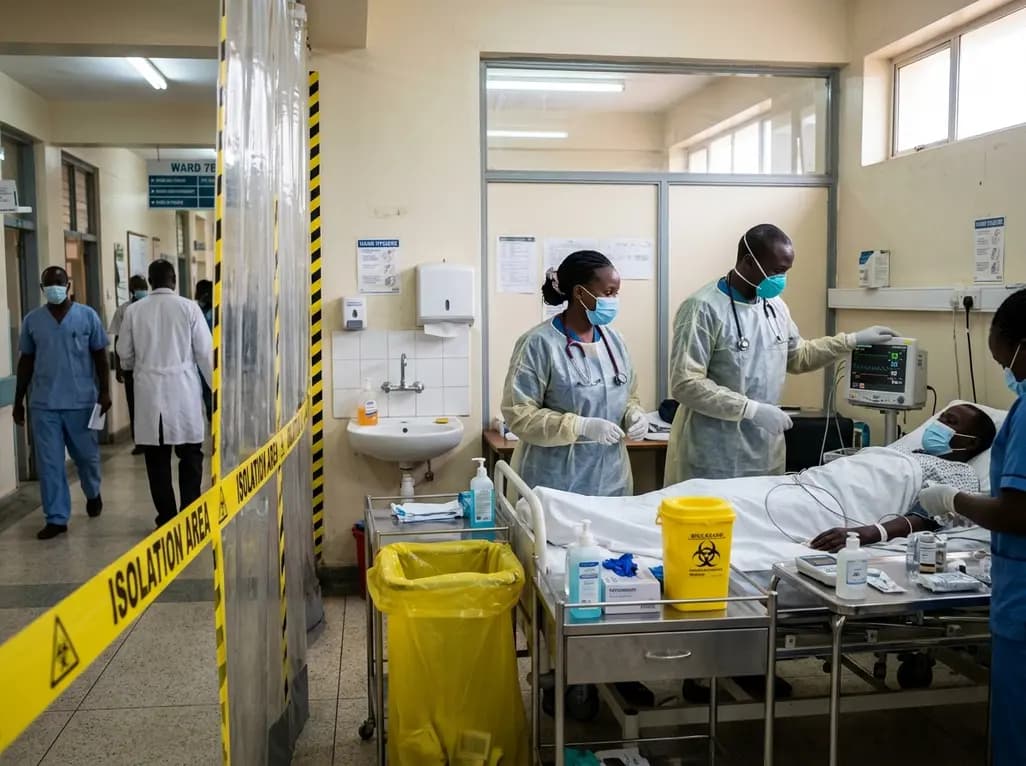
Kenya's confirmation of its eighth Ebola infection highlights the acute risk of secondary transmission in hospital environments. Clinicians must maintain high vigilance, enforce strict infection prevention protocols, and implement rapid triage mechanisms for viral hemorrhagic fevers across healthcare settings.
4 days back
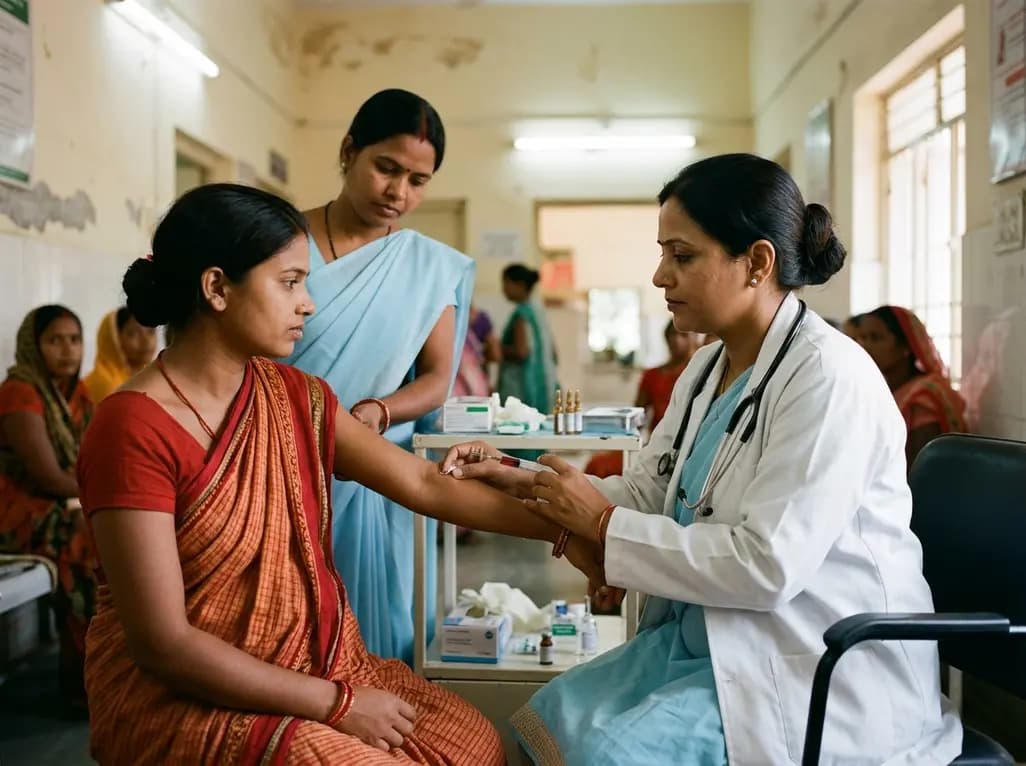
Maternal anaemia contributes to nearly half of pregnancy-related fatalities across India. To prevent complications, Uttar Pradesh has added single-dose parenteral iron to its essential medicines list. This clinical transition aims to restore haemoglobin rapidly and protect high-risk mothers across rural facilities.
Last week
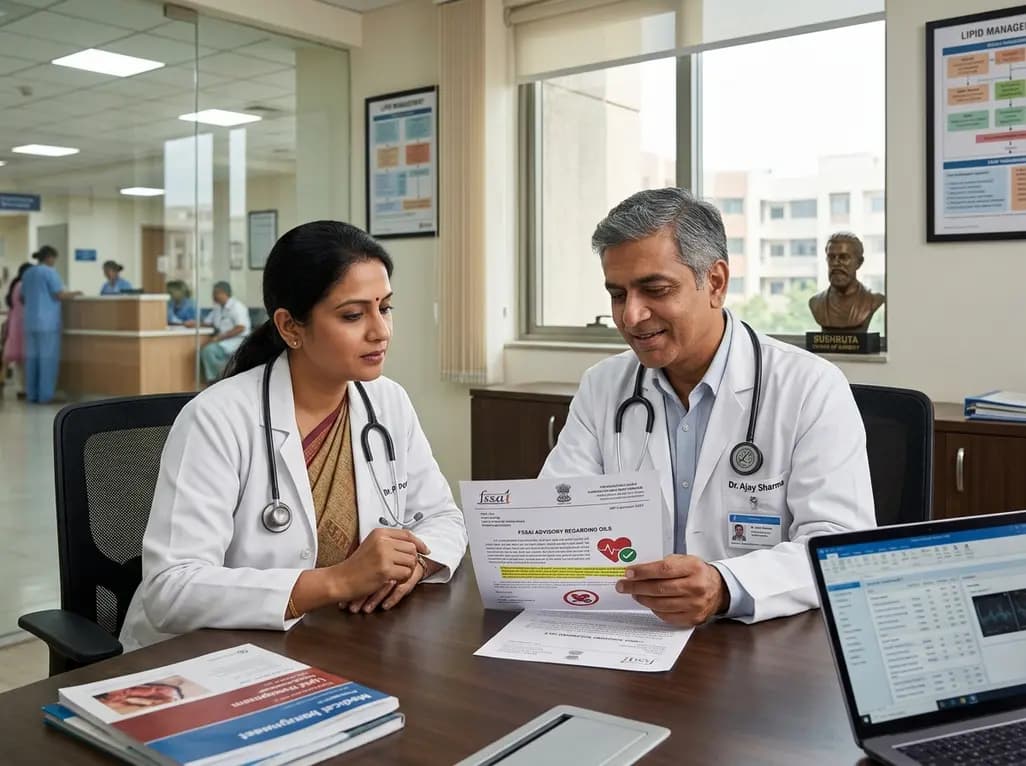
India's food safety authority FSSAI has issued show-cause notices to Gemini Edibles, BigBasket, and Flipkart for unpermitted cardiovascular claims regarding Freedom Rice Bran Oil. This regulatory move highlights the strict enforcement of advertising standards and the clinical necessity of evidence-based lipid care.
6 days back
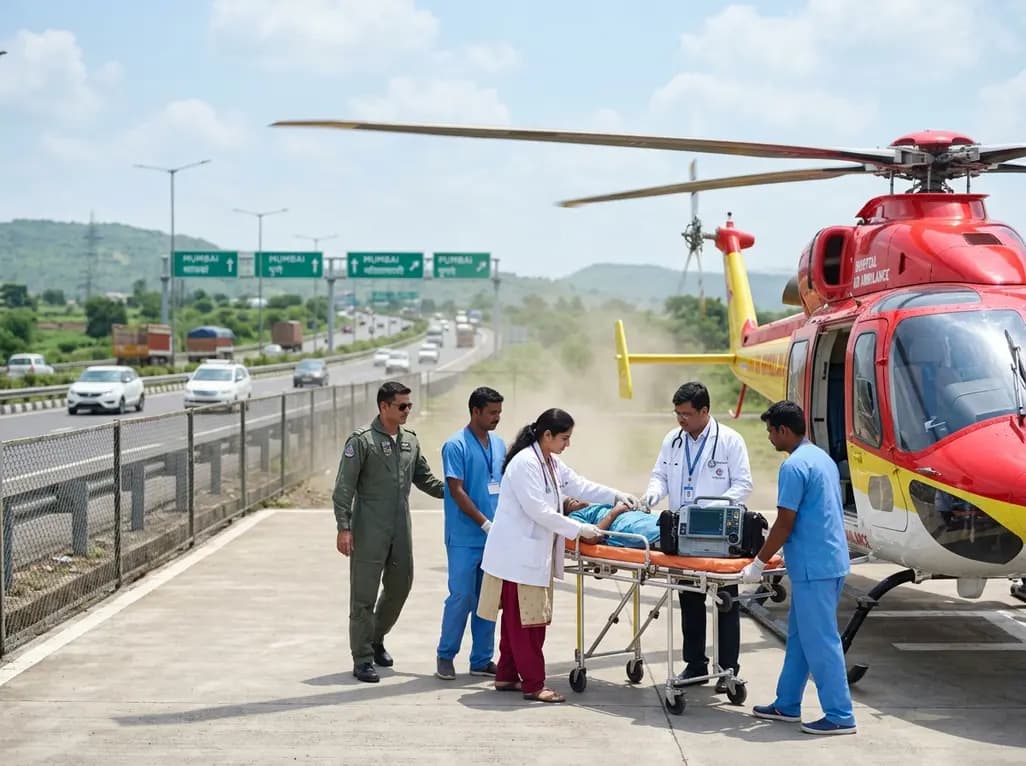
The state government is deploying helicopter emergency medical services across the Mumbai-Pune Expressway, Samruddhi Mahamarg, and Mumbai-Goa Highway. This initiative establishes unified standard operating procedures to enable rapid triage, advanced prehospital resuscitation, and seamless trauma care transfers.
Last week
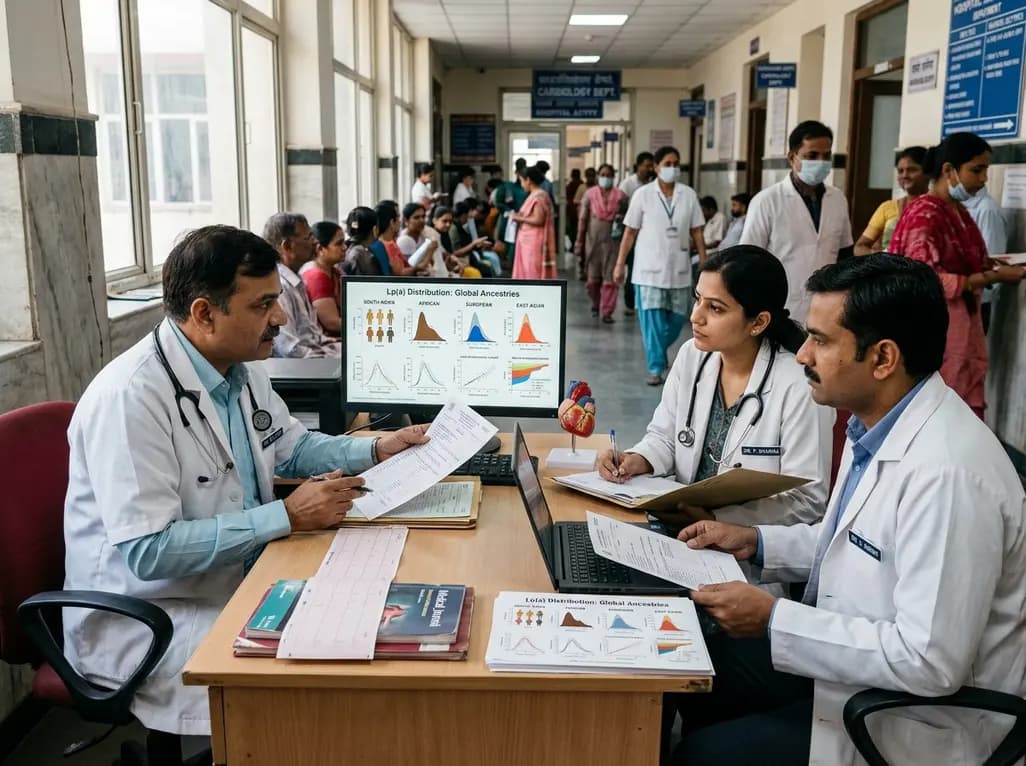
Atherosclerotic cardiovascular disease guidelines often rely on European-derived lipoprotein(a) cutoffs. However, baseline Lp(a) levels vary widely across ancestries, including South Asians and Africans. Clinicians must interpret Lp(a) values within overall absolute cardiovascular risk.
Last week
