.webp&w=384&q=75)

Loading, please wait...
Loading, please wait...
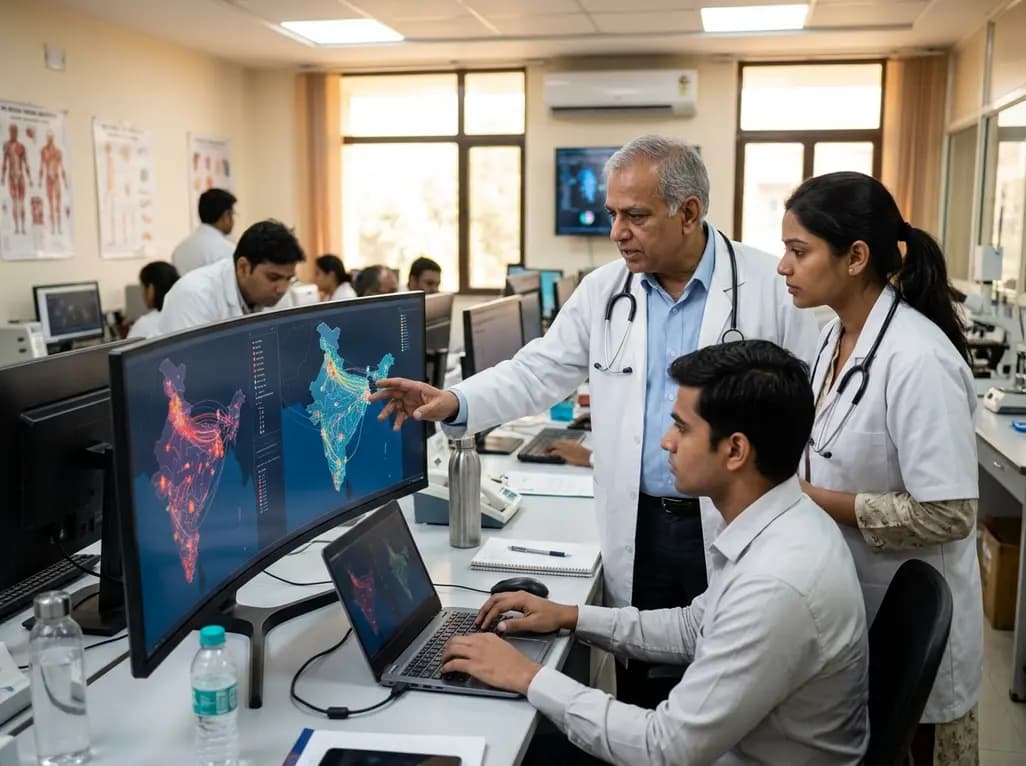
Recently, the ICMR-NIE officially launched the ADARV platform to bolster epidemic intelligence in India. Specifically, this advanced data analytics system aims to accelerate outbreak response by transforming field data into actionable public health insights. Historically, epidemiologists faced delays while collecting field data with pen and paper, transferring it manually, and waiting for statistical experts. Fortunately, ADARV changes this paradigm completely. For example, during a recent hepatitis outbreak in Haryana, field investigators fully analyzed morning field data within a single hour.
Additionally, the ICMR-NIE built ADARV in collaboration with the Indian Institute of Science. Consequently, health departments can now bypass complex external software and statistical delays. Furthermore, the platform provides an open-access repository. This feature allows researchers from across the nation to share and explore vital epidemiological datasets easily. As a result, India can transition from isolated data silos to a highly collaborative research model.
To achieve this, ADARV leverages cutting-edge artificial intelligence to anticipate and track infectious diseases. Indeed, the system utilizes international standards like SNOMED-CT and FHIR to ensure seamless interoperability. Moreover, strict privacy measures safeguard all uploaded information. For instance, the platform strictly anonymizes patient data and mandates Aadhaar verification for all researchers. Ultimately, these security protocols prevent data misuse while fostering scientific trust.
Ultimately, ADARV empowers field teams to generate time-place-person analyses within hours instead of waiting weeks. Consequently, Indian health systems can now transition from reactive measures to proactive epidemic prevention.
Q1: What is the main objective of the ADARV platform?
ADARV aims to strengthen epidemic intelligence and accelerate outbreak response in India. It enables rapid analysis of field data without requiring external statistical software or specialists, converting raw data into actionable insights within hours.
Q2: Who developed the ADARV platform?
The ICMR National Institute of Epidemiology (ICMR-NIE) developed ADARV. They built it in partnership with the Centre of Data for Public Good (CDPG) and the Isaac Centre for Public Health (ICPH) at the Indian Institute of Science (IISc), Bengaluru.
Q3: How does the platform ensure data security and privacy?
The platform secures shared health data through strict anonymization to protect individual identities. Additionally, both data contributors and users must undergo Aadhaar verification to ensure accountability and prevent misuse.
Disclaimer: This content is for informational and educational purposes only. It does not constitute medical advice or replace professional judgment. Refer to the latest local and national guidelines for clinical practice.
References

Read summarized clinical updates, watch expert medical content, and earn CME certifications right from your smartphone.
Open your smartphone camera to scan and install.





The ICMR-National Institute of Epidemiology has launched ADARV, a novel data-driven platform developed with IISc Bengaluru. This open-access public health data warehouse enables epidemiologists and researchers to rapidly analyze outbreak data within an hour, shifting India's health ecosystem from silos to sharing.
4 months ago
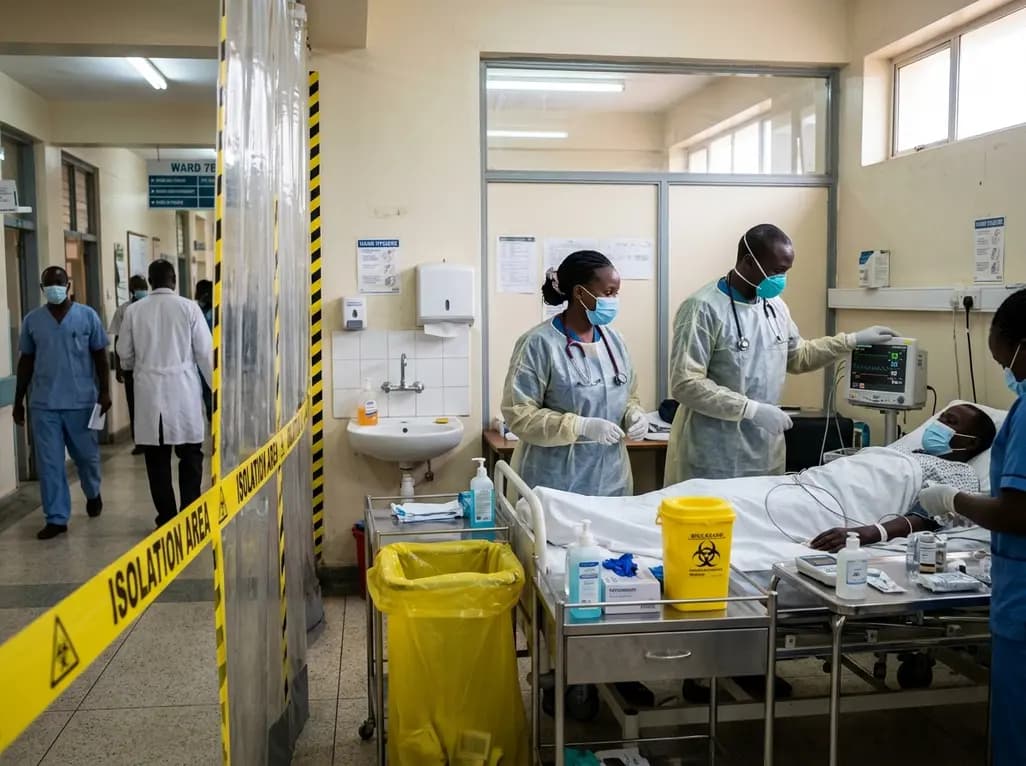
Kenya's confirmation of its eighth Ebola infection highlights the acute risk of secondary transmission in hospital environments. Clinicians must maintain high vigilance, enforce strict infection prevention protocols, and implement rapid triage mechanisms for viral hemorrhagic fevers across healthcare settings.
3 days back
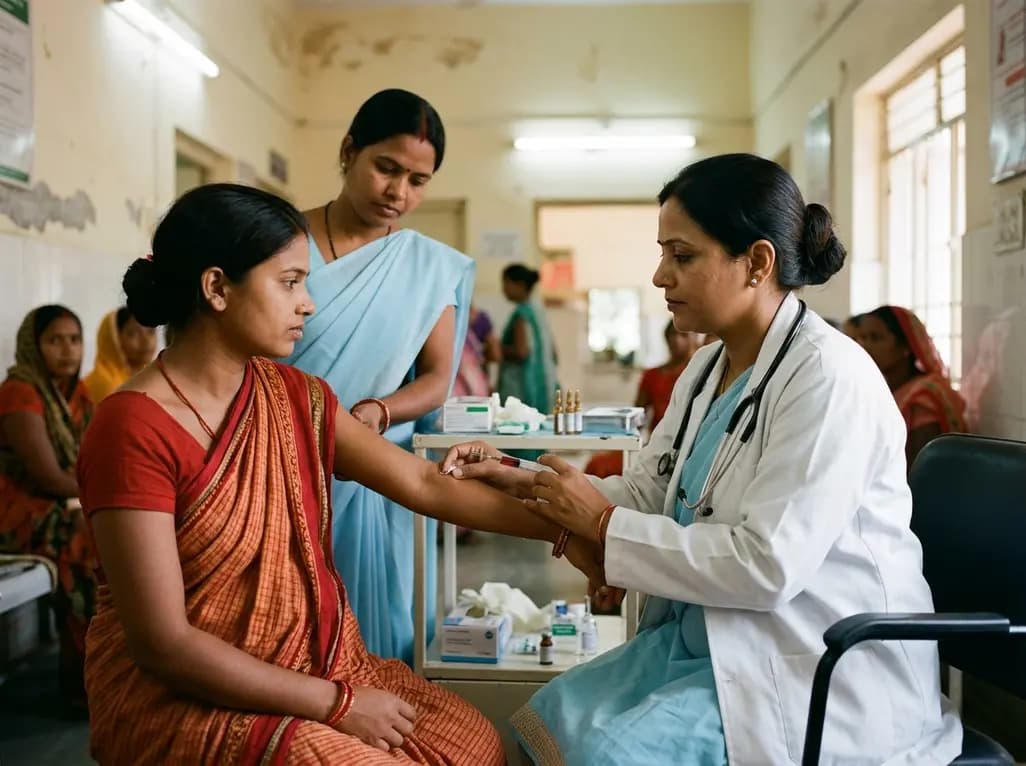
Maternal anaemia contributes to nearly half of pregnancy-related fatalities across India. To prevent complications, Uttar Pradesh has added single-dose parenteral iron to its essential medicines list. This clinical transition aims to restore haemoglobin rapidly and protect high-risk mothers across rural facilities.
Last week

India's food safety authority FSSAI has issued show-cause notices to Gemini Edibles, BigBasket, and Flipkart for unpermitted cardiovascular claims regarding Freedom Rice Bran Oil. This regulatory move highlights the strict enforcement of advertising standards and the clinical necessity of evidence-based lipid care.
5 days back
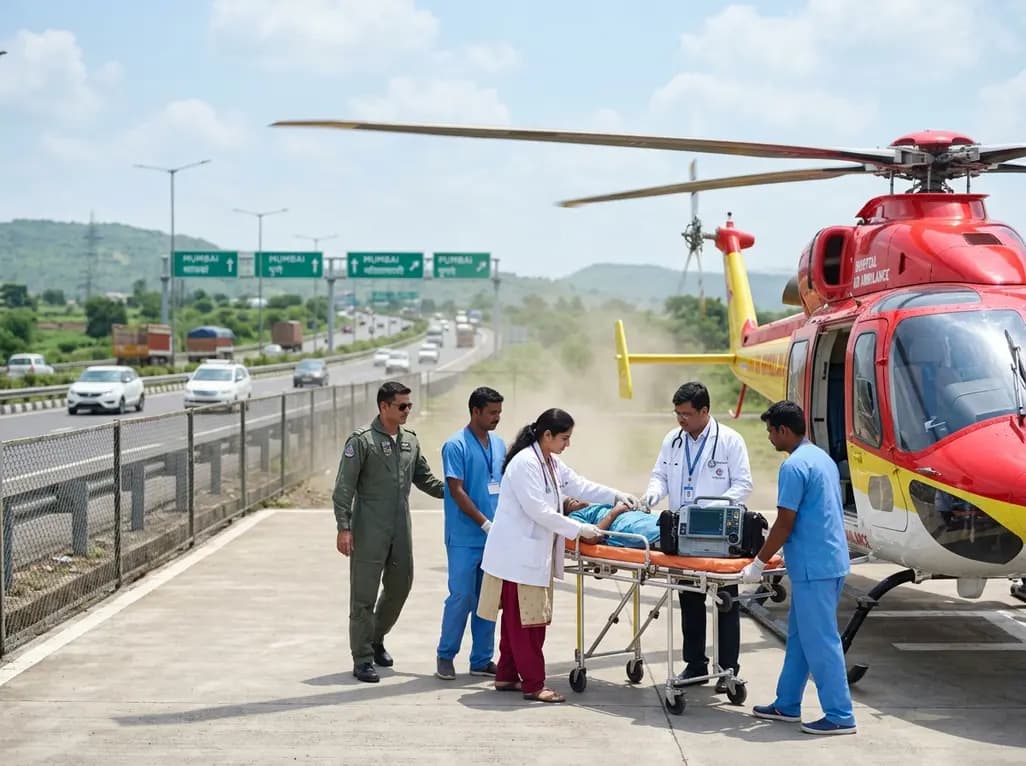
The state government is deploying helicopter emergency medical services across the Mumbai-Pune Expressway, Samruddhi Mahamarg, and Mumbai-Goa Highway. This initiative establishes unified standard operating procedures to enable rapid triage, advanced prehospital resuscitation, and seamless trauma care transfers.
Last week
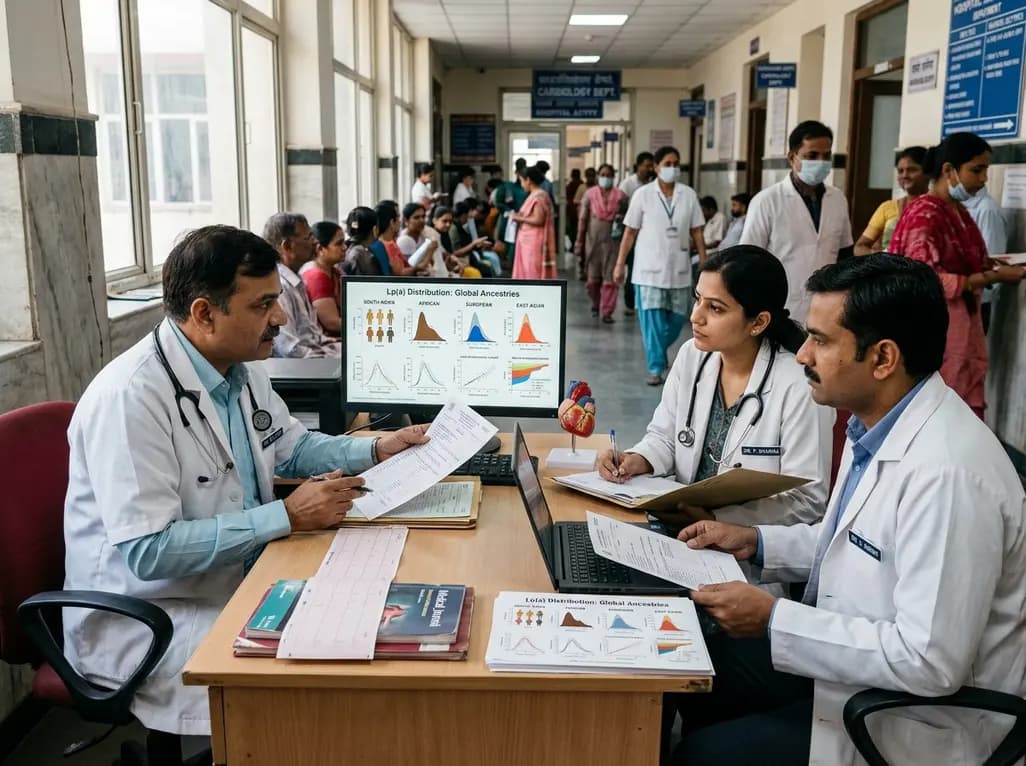
Atherosclerotic cardiovascular disease guidelines often rely on European-derived lipoprotein(a) cutoffs. However, baseline Lp(a) levels vary widely across ancestries, including South Asians and Africans. Clinicians must interpret Lp(a) values within overall absolute cardiovascular risk.
Last week
