.webp&w=384&q=75)

Loading, please wait...
Loading, please wait...
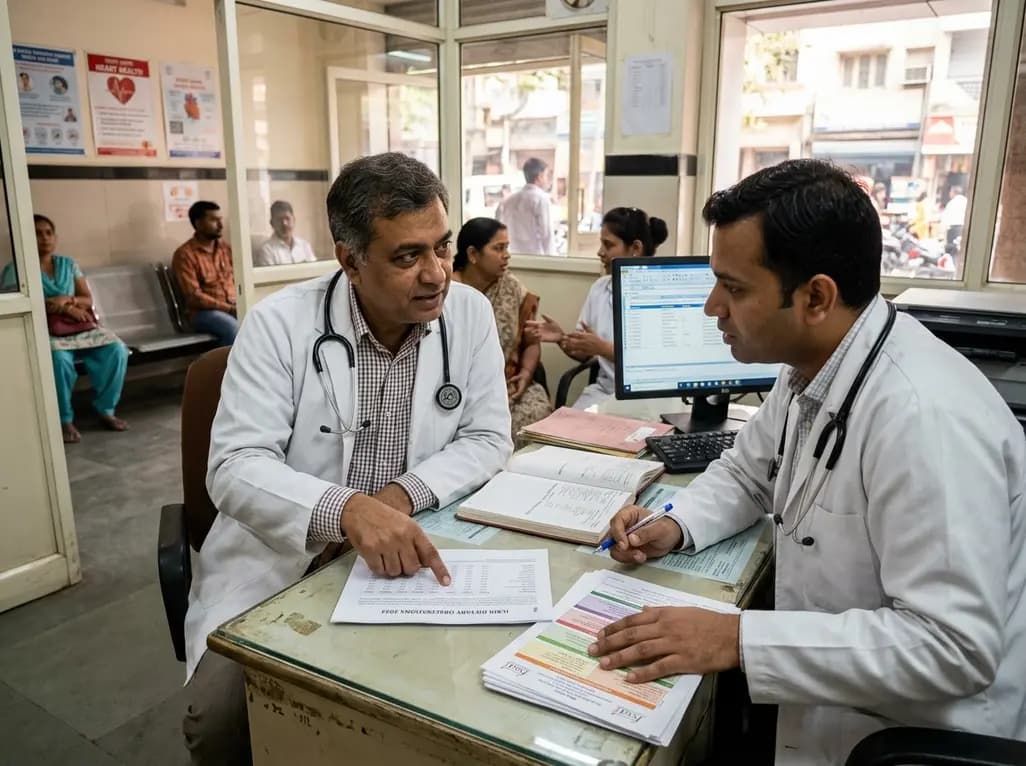
In recent parliamentary proceedings, the Ministry of Health and Family Welfare clarified the official position regarding ultra processed foods and their potential behavioral impact. While global research suggests a strong correlation between high consumption of industrial products and metabolic disorders, Indian research institutions have not conducted dedicated trials on dependency mechanisms. Nevertheless, public health authorities emphasize that dietary choices play a pivotal role in controlling non-communicable diseases across urban and rural demographics. Consequently, medical practitioners must understand current national directives to guide patient counseling effectively.
Global scientific literature frequently connects the intake of industrially modified dietary items with adverse physiological results. High intake of ultra processed foods regularly correlates with elevated rates of cardiovascular disease, metabolic syndrome, and systemic inflammation. However, public health experts emphasize that these health conditions stem from multifactorial origins rather than single isolation factors. Observational studies demonstrate strong associations, yet they rarely prove direct biochemical causality. Therefore, clinicians should interpret global data while accounting for broader lifestyle components, including physical activity, socioeconomic status, and genetic predisposition.
Furthermore, processed dietary products often contain high concentrations of free sugars, refined starches, saturated fats, and excess sodium. These components alter gut microbiota composition and trigger transient metabolic stress. Consequently, regular reliance on these convenience items displaces nutrient-dense whole foods from daily meals. Although observational research provides valuable epidemiological insights, baseline risk profiles vary significantly among diverse population groups. Thus, healthcare providers must evaluate dietary patterns within a holistic clinical framework during routine patient consultations.
Responding to queries in the Lok Sabha, Union Minister of State for Health Prataprao Jadhav confirmed that the Indian Council of Medical Research has not conducted clinical trials testing whether ultra processed foods possess addiction-like properties comparable to tobacco or habit-forming drugs. Nevertheless, the council acknowledges international scientific evidence identifying processed foods as modifiable risk factors for chronic diseases. ICMR highlights that excessive intake elevates the risk of developing type 2 diabetes, central obesity, hypertension, and mood disorders.
Because observational data cannot definitively establish causality, official policy focuses on risk reduction rather than total product prohibition. The council continues to monitor emerging clinical trials worldwide while prioritizing public education within India. Moreover, health authorities recognize that lifestyle modifications offer effective defense mechanisms against non-communicable diseases. By addressing dietary habits early, primary care physicians can help mitigate long-term cardiovascular and endocrine complications in vulnerable patient populations. Consequently, institutional guidelines advocate for balanced nutrition rather than alarmist public health messaging.
To address growing public health challenges, ICMR published updated Dietary Guidelines for Indians in 2024. These guidelines offer actionable steps for individuals aiming to maintain optimal metabolic balance. Specifically, the recommendations advise limiting free sugar consumption, cutting back on sugar-sweetened beverages, and minimizing reliance on pre-packaged snacks. Additionally, the manual provides practical instructions on reading food labels, allowing consumers to identify hidden fats, chemical additives, and sodium levels before purchase.
Furthermore, public health bodies actively target younger populations to cultivate lifelong healthy habits. Collaborating with domestic and international partners, ICMR launched the Let's Fix Our Food initiative to transform school environments. This program engages educators, parents, and policymakers to restrict unhealthy snack availability around educational institutions. Moreover, the campaign promotes regional, traditional food options that offer superior micronutrient density. By equipping families with clear nutritional literacy, healthcare initiatives aim to lower early-onset adolescent obesity and pediatric metabolic dysfunction.
Parallel to medical guidelines, the Food Safety and Standards Authority of India enforces regulatory frameworks to maintain food quality. FSSAI launched broader community campaigns, including the Eat Right India movement and the Aaj Se Thoda Kam initiative, which encourage citizens to reduce daily fat, salt, and sugar intake. Digital drives such as the #HarLabelKuchKehtaHai campaign help consumers analyze packaging metrics effectively. These regulatory measures align national safety benchmarks with established Codex international standards.
Regulatory enforcement relies strictly on the Food Safety and Standards Regulations of 2020. These rules mandate clear front-of-pack nutritional disclosures, specifying exact quantities of added sugars, total fat, trans fat, protein, and sodium per serving. Furthermore, advertising regulations prohibit food manufacturers from making false, unverified health claims. Companies cannot claim that specific food products prevent, treat, or cure chronic diseases without explicit statutory permission. Non-compliant food business operators face strict punitive action under the Food Safety and Standards Act of 2006.
Comprehensive public health strategies require active participation from medical educators and clinical practitioners. Beyond institutional policies, widespread awareness campaigns occur during National Nutrition Month, utilizing workshops and regional language brochures. Healthcare providers working in primary health centers can leverage these official resources to counsel patients during routine clinical visits. Simple conversations regarding label comprehension empower families to make healthier choices during grocery purchases.
Ultimately, addressing non-communicable diseases requires a balanced approach combining regulatory oversight, patient education, and clinical vigilance. While research ongoingly explores neurobiological responses to ultra processed items, current medical priority remains focused on modifiable risk management. Doctors should encourage patients to replace packaged items with whole grains, fresh vegetables, and home-cooked meals. Through systematic patient counseling and community engagement, clinicians play a critical role in reducing the burden of lifestyle disorders across India.
Q1: Has ICMR confirmed that ultra processed foods cause addiction?
No, the Indian Council of Medical Research has not conducted specific clinical studies evaluating addiction-like behavioral traits linked to ultra processed foods. While global observational data highlights health risks, official authorities clarify that current evidence does not directly establish tobacco-like addictive properties or direct biochemical causality.
Q2: What metabolic health risks are associated with high UPF intake?
High consumption of ultra processed items correlates with an elevated risk of developing central obesity, type 2 diabetes, cardiovascular diseases, and mental health disorders. However, health officials emphasize that these chronic conditions are multifactorial in origin, making dietary adjustment one vital component of overall medical care.
Q3: How do new FSSAI regulations support informed dietary choices?
The Food Safety and Standards Authority of India mandates detailed front-of-pack nutritional labeling, explicitly highlighting added sugars, total fats, and sodium content per serving. Additionally, stringent advertising rules prohibit manufacturers from making misleading health claims regarding disease prevention or curative properties without scientific proof.
Disclaimer: This content is for informational and educational purposes only. It does not constitute medical advice or replace professional judgment. Refer to the latest local and national guidelines for clinical practice.
References

Read summarized clinical updates, watch expert medical content, and earn CME certifications right from your smartphone.
Open your smartphone camera to scan and install.





The Ministry of Health informed Lok Sabha that ICMR has not studied addiction-like traits in ultra processed foods. However, observational data links high intake to obesity, diabetes, and cardiovascular issues. Officials highlight Dietary Guidelines 2024 and FSSAI regulations to encourage healthier choices.
last month
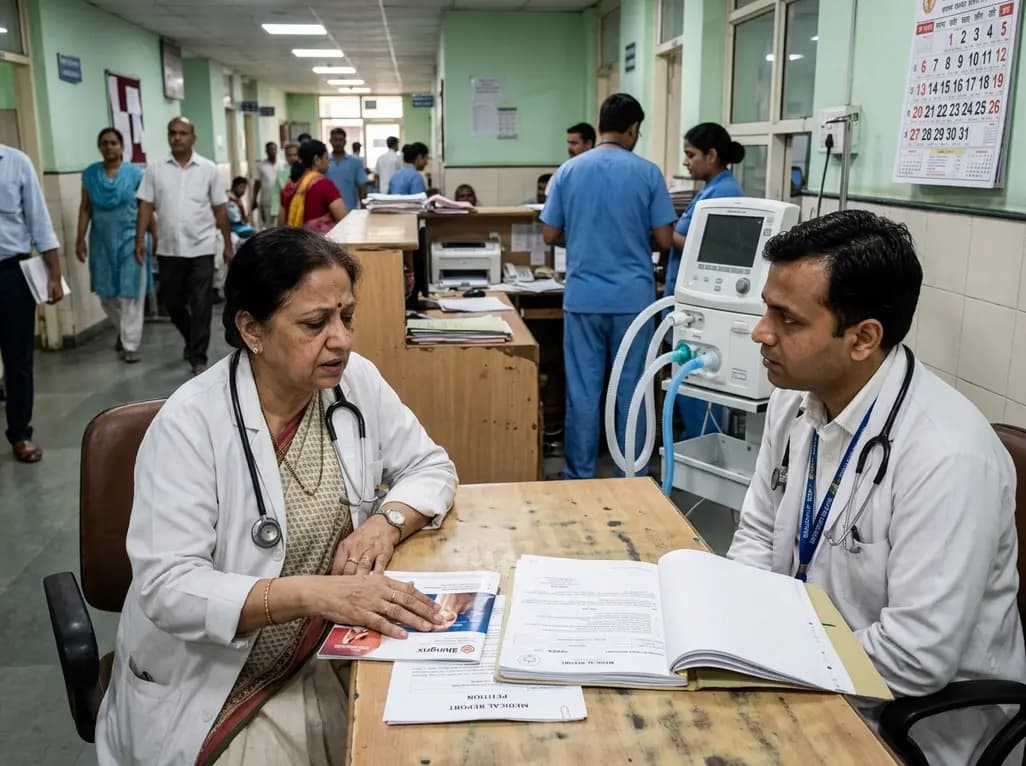
A special Delhi court has directed former DGHS Dr. Vatsala Aggarwal to surrender after refusing her relief plea. Despite clinical submissions citing immunocompromised status, scheduled Shingrix immunization, and adaptive servo-ventilation needs, the court held that jail authorities can manage these medical requirements.
Last week
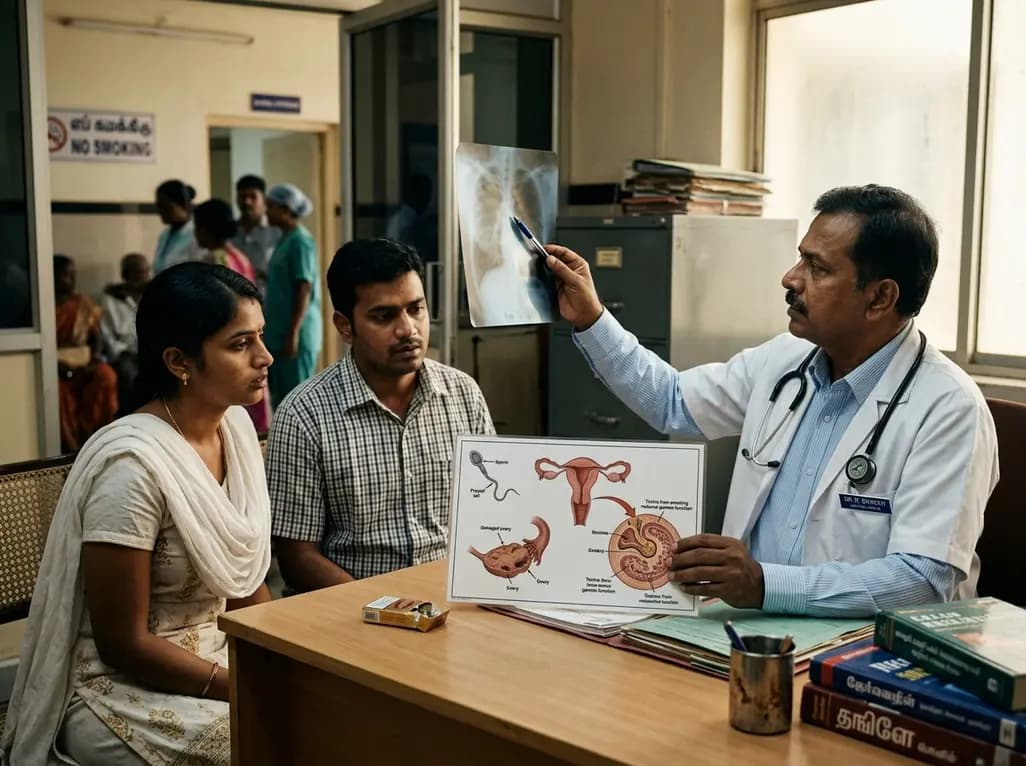
A global knowledge summary from the World Health Organization warns that tobacco smoking significantly increases infertility risks in women and causes substantial sperm and erectile dysfunction in men. Fortunately, quitting smoking substantially lowers these risks, providing clear reproductive benefits.
Last week
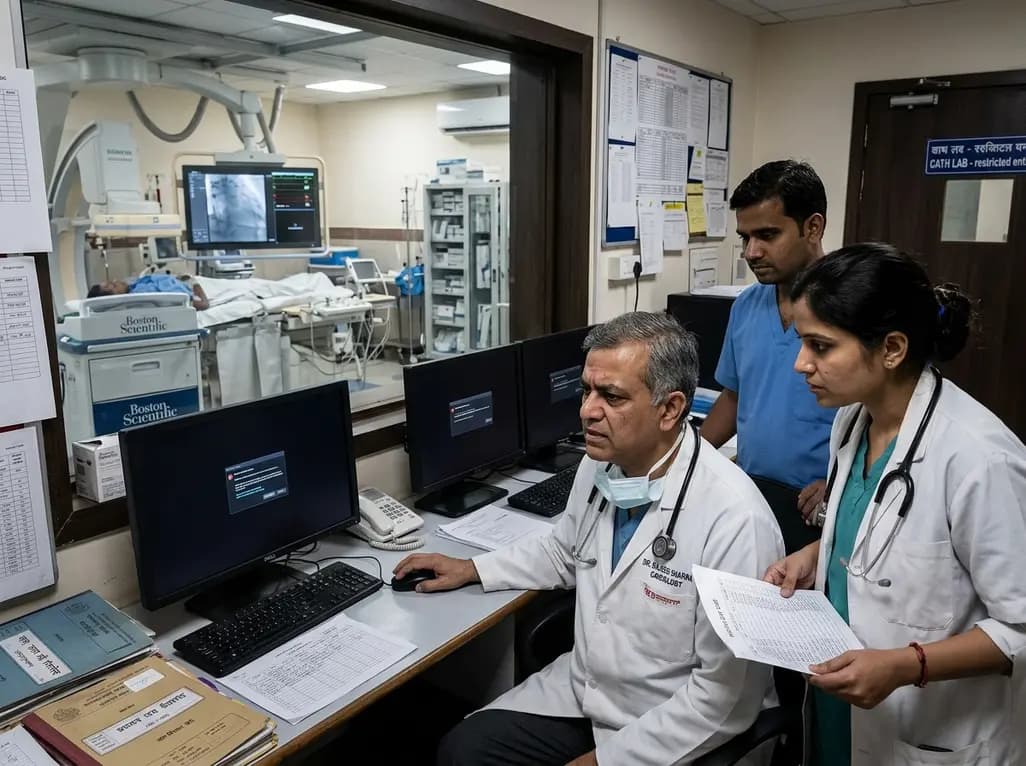
A major cybersecurity breach disrupted global operations at Boston Scientific, delaying device distribution and remote cardiac monitoring activations. This analysis examines the immediate consequences for clinical catheterization suites, electrophysiology teams, hospital inventory systems, and patient care safety.
2 weeks back
Nearly 80% of Indians suffer from inadequate Vitamin D, causing silent bone weakening and sudden fractures. This expert guide reviews why mega-dose therapy is critical for high-risk patients, the key factors driving widespread deficiency, and the mandatory medical evaluations needed to protect skeletal health.
3 months ago

A nationwide mixed-methods study evaluated hospital glycemic management systems across 265 hospitals. While real-time alerts and automatic data sync are highly valued, significant disparities in digital maturity and low satisfaction with decision support highlight the need for standardized implementation.
3 weeks back
