.webp&w=384&q=75)

Loading, please wait...
Loading, please wait...
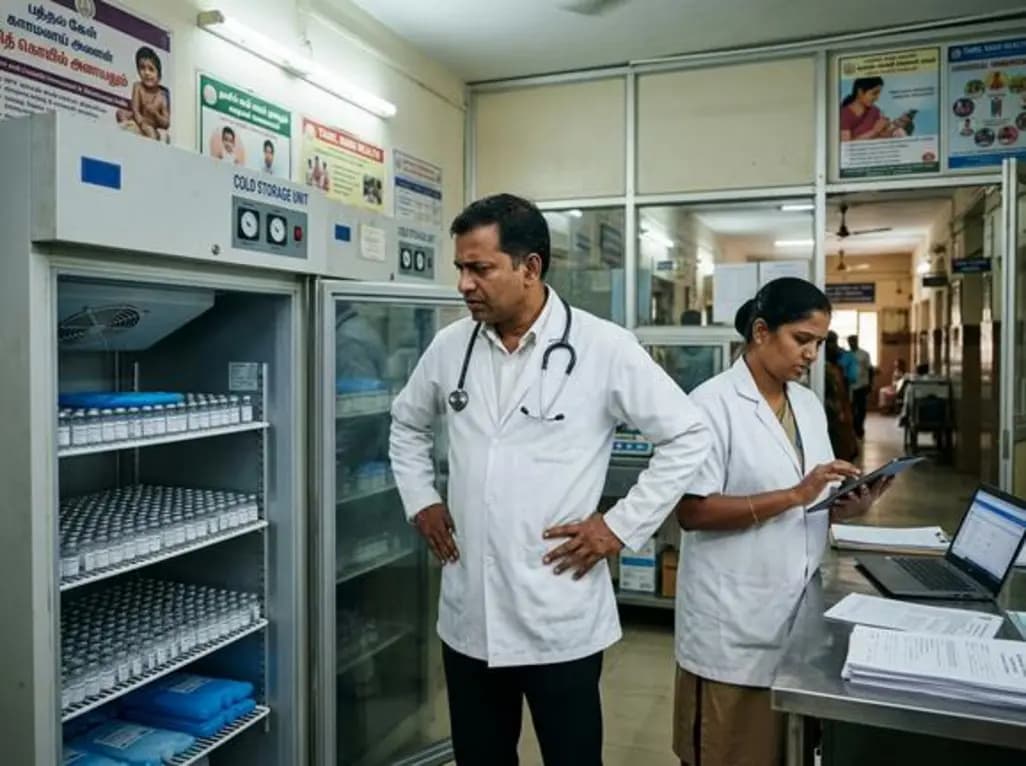
India launched the ambitious Swastha Nari HPV vaccination drive to eliminate cervical cancer. However, the program has faced immediate bottlenecks in states like Tamil Nadu. Consequently, less than 12% of the available doses have been utilized in the first four months.
Initially, school board examinations and summer holidays delayed the rollout. Furthermore, administrative machinery was tied up due to the general elections. Beyond these seasonal delays, health experts point to significant policy hurdles. For instance, the Union government currently prohibits school-based vaccination. Instead, adolescent girls must visit designated public health facilities.
Additionally, the U-WIN digital registry requires mandatory parental consent via a one-time password (OTP). This requirement creates a major bottleneck in rural areas with poor connectivity. Therefore, digital literacy remains a significant barrier to achieving high coverage.
To address these issues, Tamil Nadu conducted a successful pilot program. Specifically, health workers vaccinated girls directly in schools across four high-incidence districts. As a result, the campaign reached an impressive 81% coverage within weeks. Thus, school-based campaigns appear to be far more effective than facility-based models.
In conclusion, clinical experts advocate for a more flexible policy. They suggest allowing parents to opt out rather than requiring active digital registration. Meanwhile, intensive community awareness campaigns are essential to rebuild public confidence and prevent cervical cancer.
Q1: Why is the HPV vaccination coverage low in Tamil Nadu?
The coverage is low because of strict digital consent requirements on the U-WIN portal and the federal ban on school-based vaccination campaigns.
Q2: How did the school-based pilot program perform?
The school-based pilot program in four districts successfully achieved 81% coverage within just a few weeks of implementation.
Q3: What is the age group targeted by the Swastha Nari campaign?
The campaign primarily targets 14-year-old girls to provide them with life-saving protection before exposure to the virus.
Disclaimer: This content is for informational and educational purposes only. It does not constitute medical advice or replace professional judgment. Refer to the latest local and national guidelines for clinical practice.
References

Read summarized clinical updates, watch expert medical content, and earn CME certifications right from your smartphone.
Open your smartphone camera to scan and install.





India's free Swastha Nari HPV vaccination campaign is experiencing severe delays in Tamil Nadu. Digital consent mandates on the U-WIN platform and a ban on school-based vaccination are creating administrative bottlenecks, leaving thousands of crucial doses sitting unused in cold storage.
4 months ago
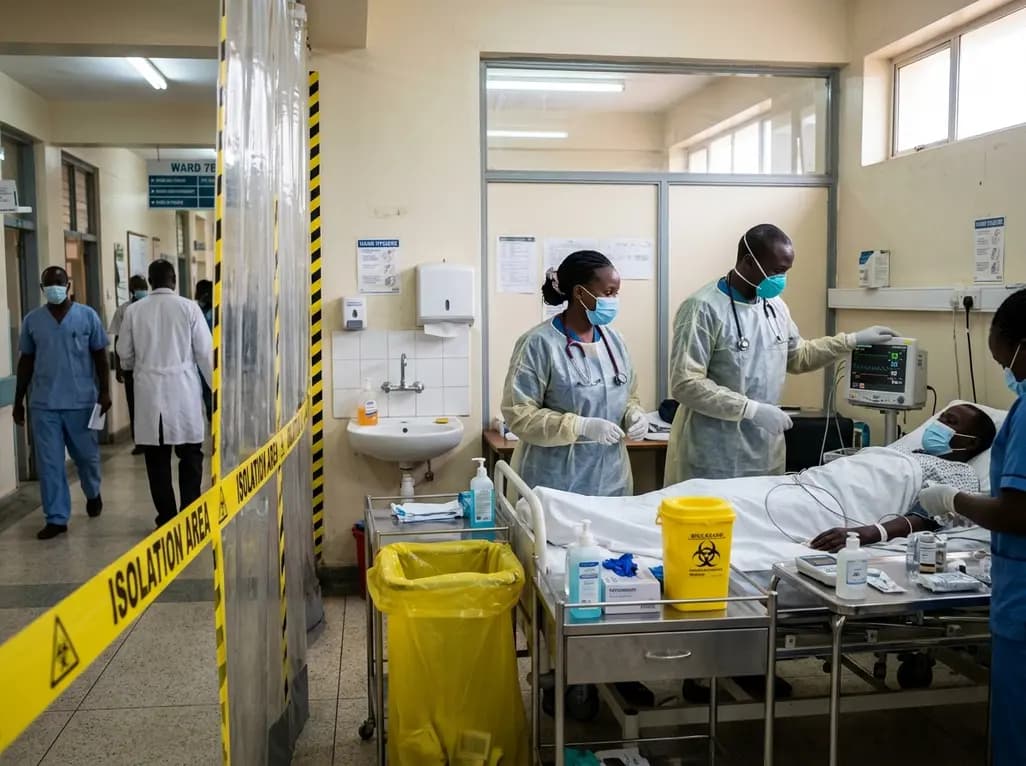
Kenya's confirmation of its eighth Ebola infection highlights the acute risk of secondary transmission in hospital environments. Clinicians must maintain high vigilance, enforce strict infection prevention protocols, and implement rapid triage mechanisms for viral hemorrhagic fevers across healthcare settings.
3 days back
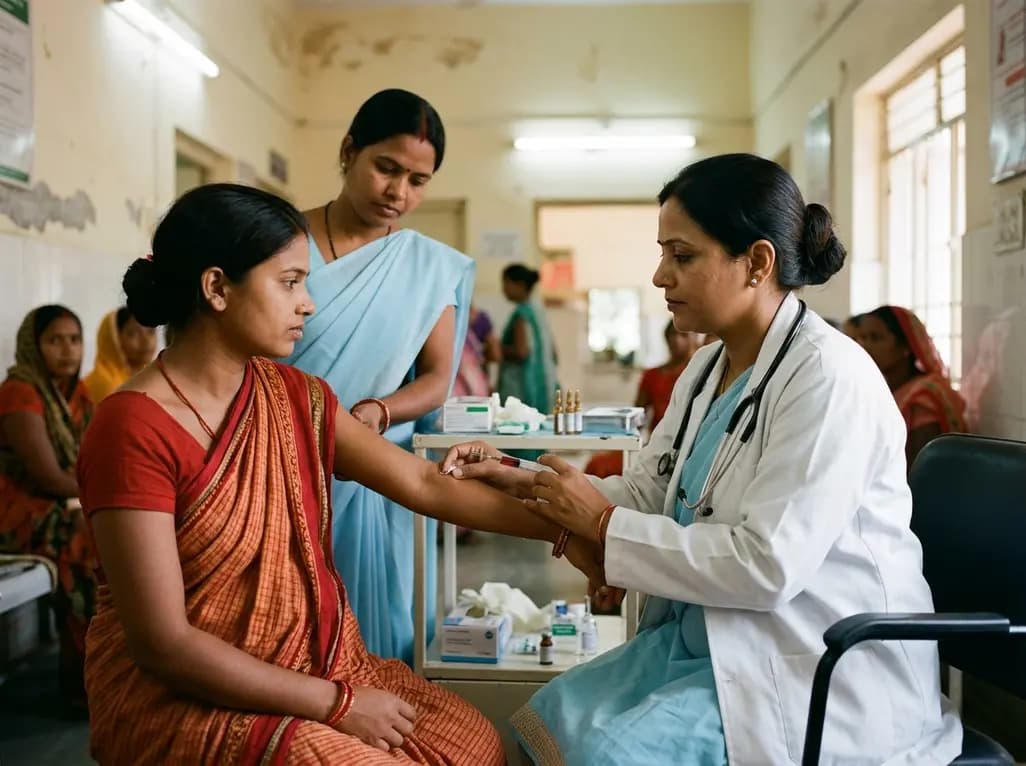
Maternal anaemia contributes to nearly half of pregnancy-related fatalities across India. To prevent complications, Uttar Pradesh has added single-dose parenteral iron to its essential medicines list. This clinical transition aims to restore haemoglobin rapidly and protect high-risk mothers across rural facilities.
Last week
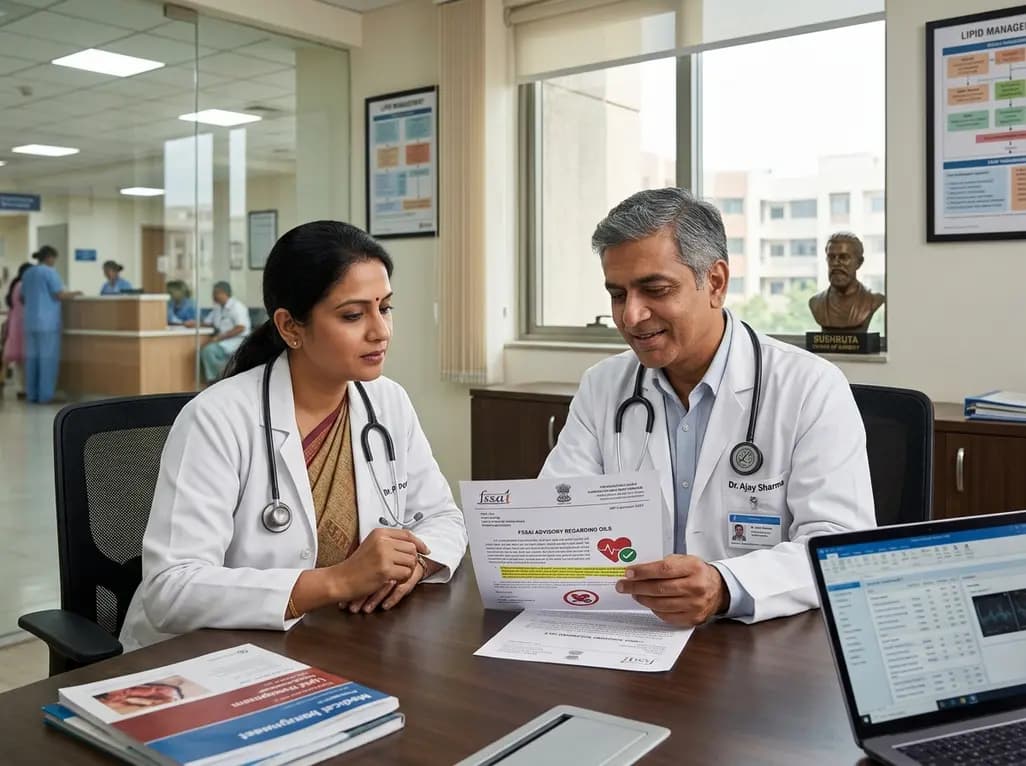
India's food safety authority FSSAI has issued show-cause notices to Gemini Edibles, BigBasket, and Flipkart for unpermitted cardiovascular claims regarding Freedom Rice Bran Oil. This regulatory move highlights the strict enforcement of advertising standards and the clinical necessity of evidence-based lipid care.
5 days back
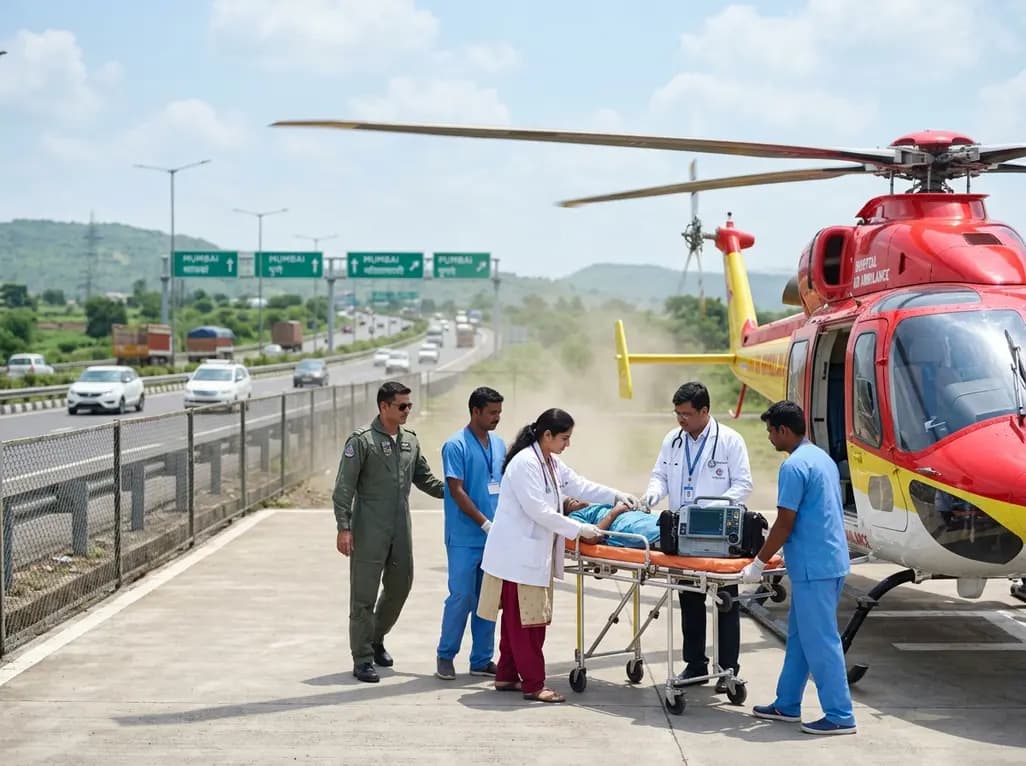
The state government is deploying helicopter emergency medical services across the Mumbai-Pune Expressway, Samruddhi Mahamarg, and Mumbai-Goa Highway. This initiative establishes unified standard operating procedures to enable rapid triage, advanced prehospital resuscitation, and seamless trauma care transfers.
Last week
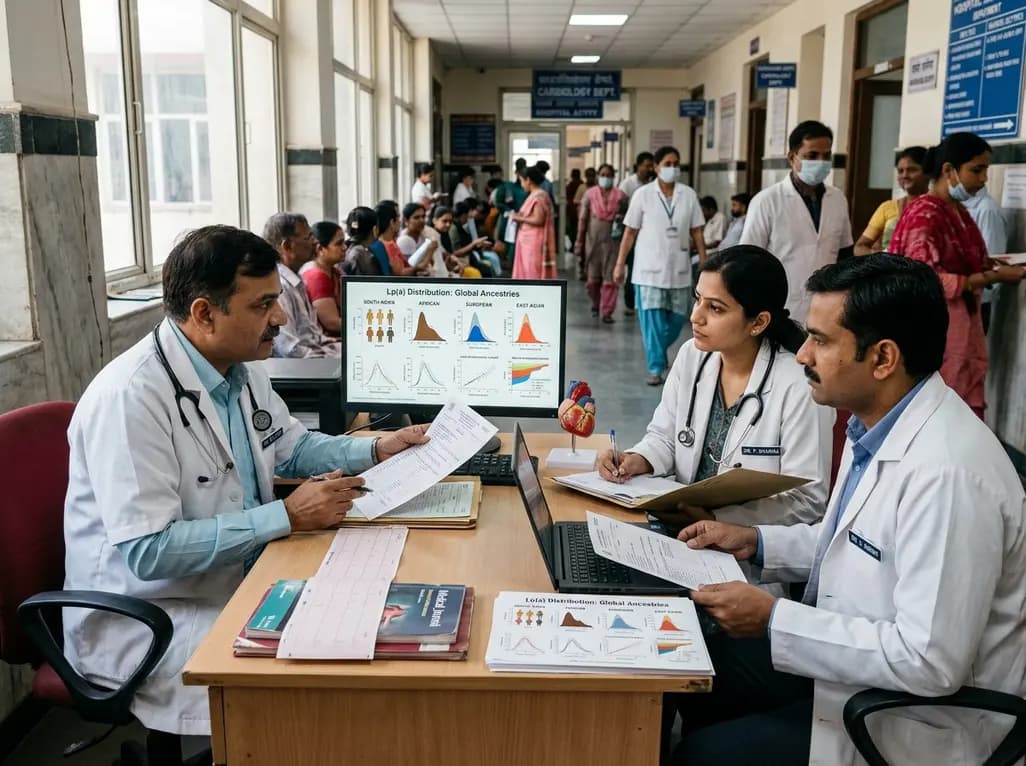
Atherosclerotic cardiovascular disease guidelines often rely on European-derived lipoprotein(a) cutoffs. However, baseline Lp(a) levels vary widely across ancestries, including South Asians and Africans. Clinicians must interpret Lp(a) values within overall absolute cardiovascular risk.
Last week
