.webp&w=384&q=75)

Loading, please wait...
Loading, please wait...
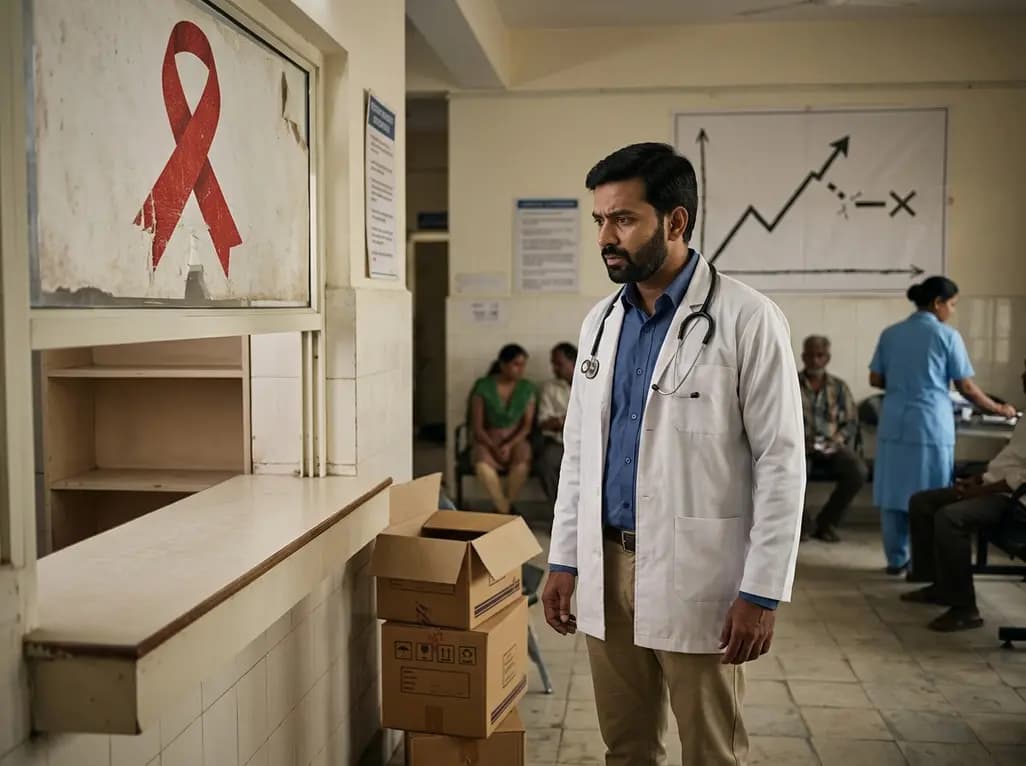
Severe international aid cuts have disrupted the global HIV response, threatening a sudden resurgence of the epidemic. Specifically, the dismantling of USAID and other global funding reductions have left humanitarian organizations struggling. UNAIDS Executive Director Winnie Byanyima warned that this is the most serious crisis in history. Consequently, healthcare providers must prepare for potential spikes in new infections.
According to a new UNAIDS report, funding shortages have dramatically reduced clinical interventions. For instance, the number of patients receiving the preventive drug PrEP dropped by 38 percent globally between 2024 and 2025. Additionally, HIV testing rates in highly affected areas decreased by 22 percent during the same period. This reduction is dangerous because patients unaware of their status may unknowingly transmit the virus. Furthermore, international funding for condoms plummeted by more than 90 percent. Therefore, community-led outreach programs that offer crucial peer-to-peer services are facing devastating budget collapses.
In addition to funding losses, new criminal laws targeting marginalized groups have compounded the healthcare crisis. These punitive laws deter high-risk individuals from seeking essential testing or treatment. Although annual AIDS deaths fell since 2010, current figures do not reflect these sudden aid cuts. Because new HIV cases take time to manifest clinically, experts expect a rise in future infections. However, some countries are trying to buffer this crisis by increasing their domestic health budgets. Unfortunately, these new local resources cannot fully replace the massive loss of international funding.
Indeed, global health leaders urge the rapid distribution of long-acting preventive tools to combat this crisis. Specifically, the injectable drug lenacapavir has shown remarkable success in both preventing and treating HIV. By the end of March 2026, over 6,000 patients in five African nations received this medication. However, this coverage remains a drop in the ocean compared to global clinical needs. UNAIDS aims to scale up long-acting injectables to reach at least 20 million people worldwide. But achieving this goal is ultimately a political challenge that requires renewed international cooperation.
Q1: Why are international aid cuts affecting the global HIV response so severely?
International aid cuts, especially the dismantling of key agencies like USAID, have severely reduced the budgets of prevention programs. These funding drops directly decrease access to crucial tools such as HIV testing, pre-exposure prophylaxis (PrEP), and free condoms in highly affected regions.
Q2: What is lenacapavir and how can it help the HIV response?
Lenacapavir is a new long-acting injectable drug that serves to both treat and prevent HIV infection. Health leaders believe scaling up access to this injectable tool for 20 million people could help bypass some of the disruptions caused by traditional funding cuts.
Disclaimer: This content is for informational and educational purposes only. It does not constitute medical advice or replace professional judgment. Refer to the latest local and national guidelines for clinical practice.
References

Read summarized clinical updates, watch expert medical content, and earn CME certifications right from your smartphone.
Open your smartphone camera to scan and install.





A new UNAIDS report warns that recent international funding cuts, particularly from the US, have severely disrupted global HIV prevention efforts. Consequently, clinical interventions like HIV testing and PrEP distribution have plummeted, putting years of hard-won progress against the virus in immediate peril.
4 months ago
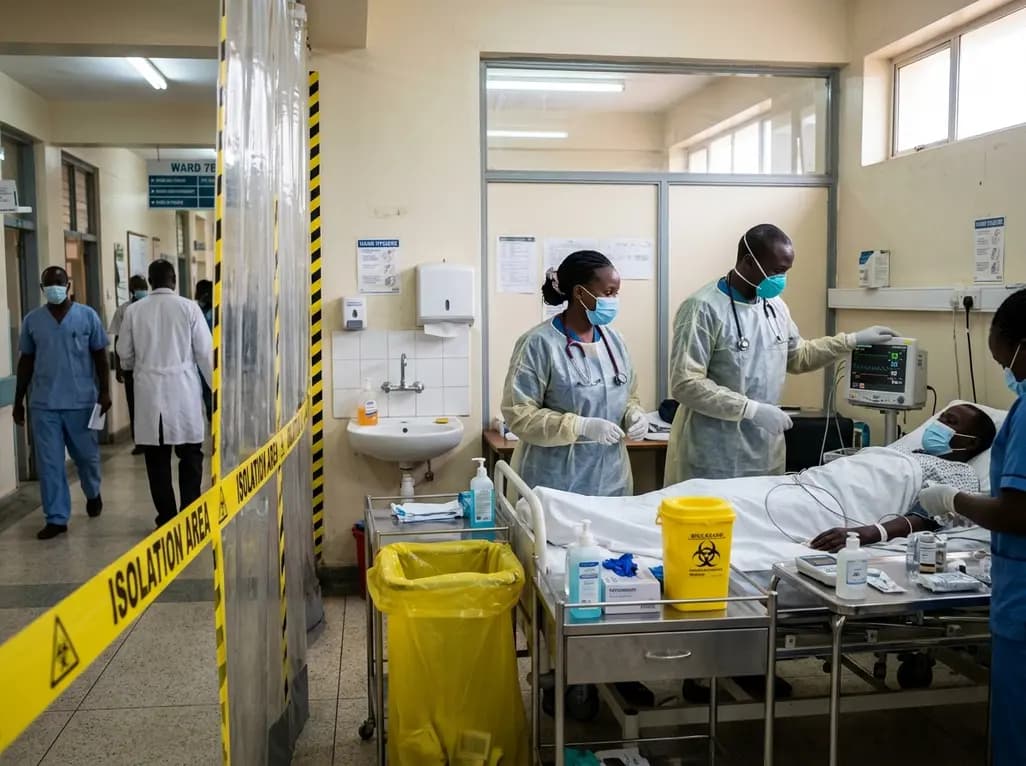
Kenya's confirmation of its eighth Ebola infection highlights the acute risk of secondary transmission in hospital environments. Clinicians must maintain high vigilance, enforce strict infection prevention protocols, and implement rapid triage mechanisms for viral hemorrhagic fevers across healthcare settings.
4 days back
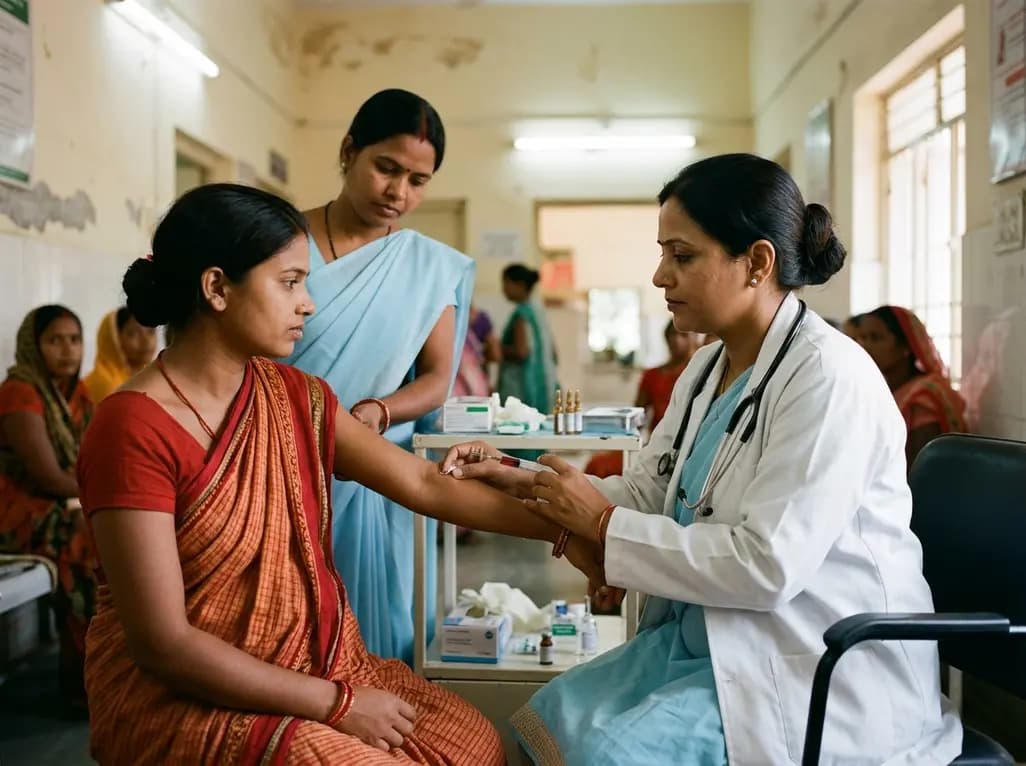
Maternal anaemia contributes to nearly half of pregnancy-related fatalities across India. To prevent complications, Uttar Pradesh has added single-dose parenteral iron to its essential medicines list. This clinical transition aims to restore haemoglobin rapidly and protect high-risk mothers across rural facilities.
Last week

India's food safety authority FSSAI has issued show-cause notices to Gemini Edibles, BigBasket, and Flipkart for unpermitted cardiovascular claims regarding Freedom Rice Bran Oil. This regulatory move highlights the strict enforcement of advertising standards and the clinical necessity of evidence-based lipid care.
6 days back
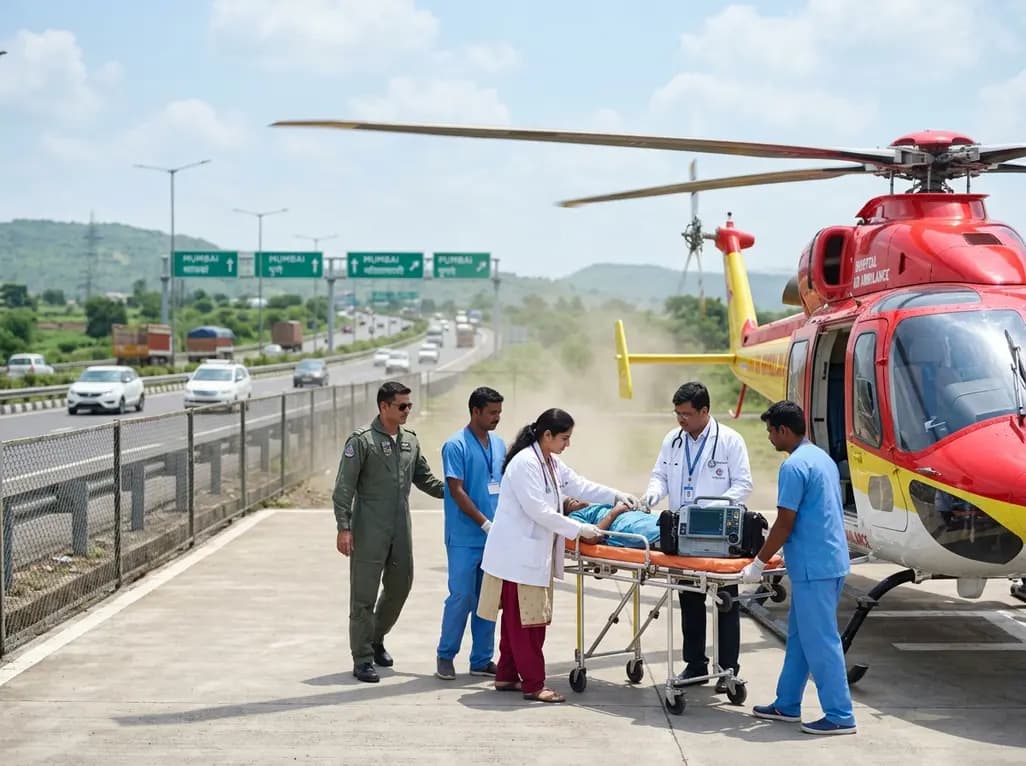
The state government is deploying helicopter emergency medical services across the Mumbai-Pune Expressway, Samruddhi Mahamarg, and Mumbai-Goa Highway. This initiative establishes unified standard operating procedures to enable rapid triage, advanced prehospital resuscitation, and seamless trauma care transfers.
Last week
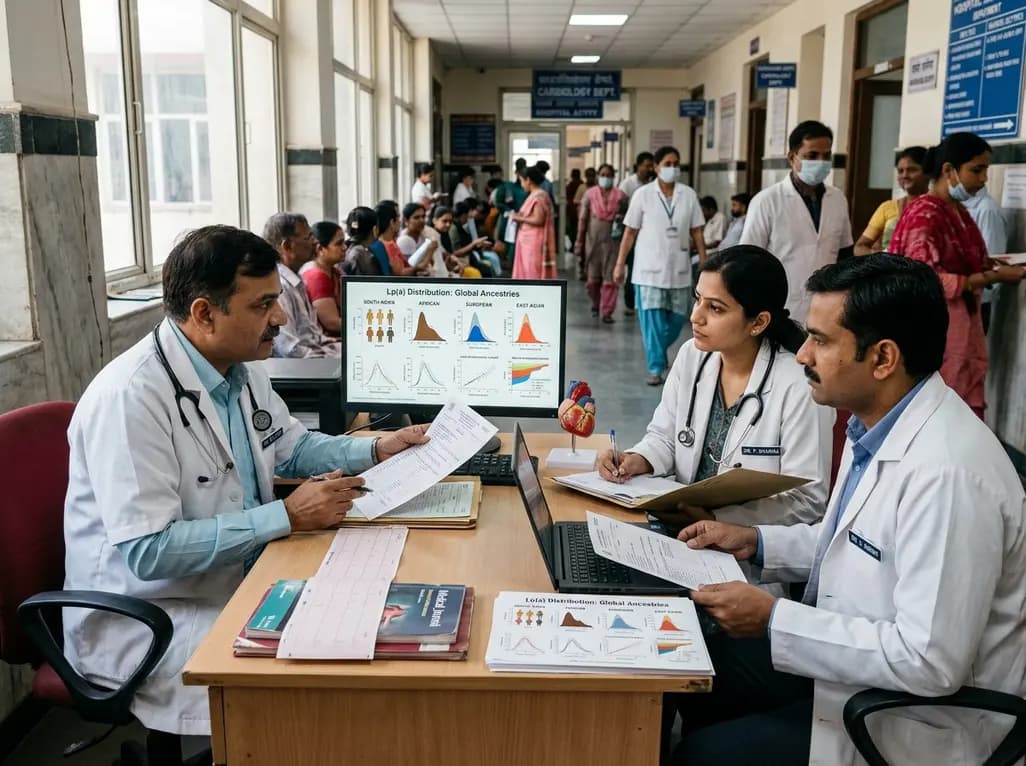
Atherosclerotic cardiovascular disease guidelines often rely on European-derived lipoprotein(a) cutoffs. However, baseline Lp(a) levels vary widely across ancestries, including South Asians and Africans. Clinicians must interpret Lp(a) values within overall absolute cardiovascular risk.
Last week
