.webp&w=384&q=75)

Loading, please wait...
Loading, please wait...
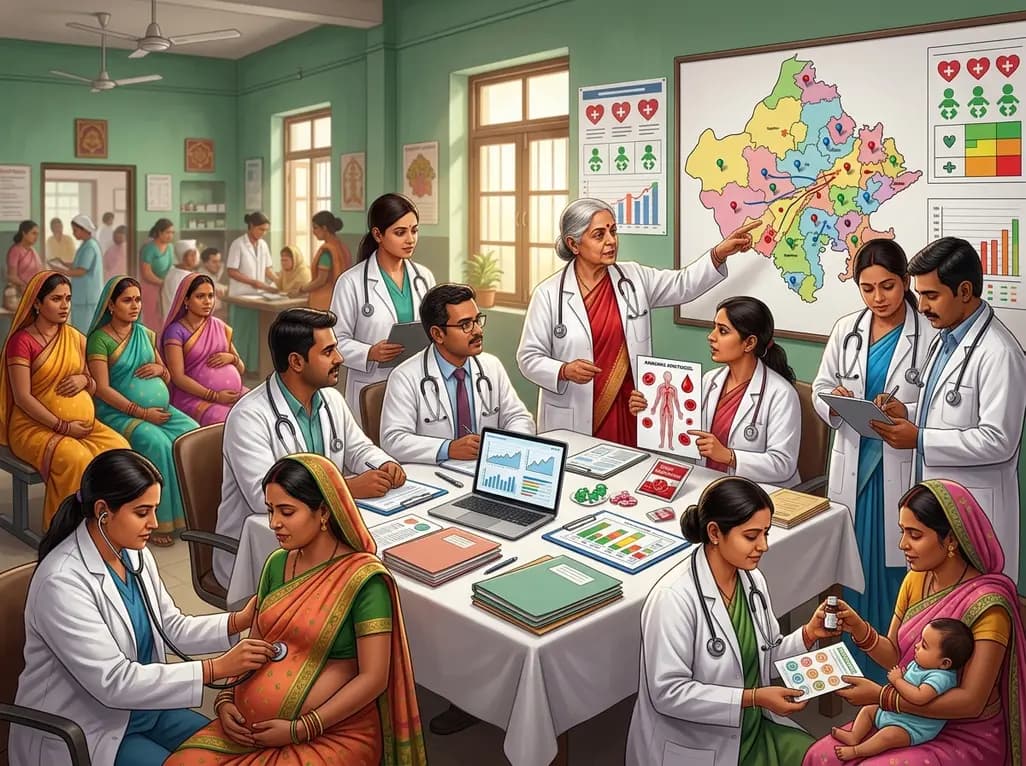
The Rajasthan health department recently completed a five-day statewide screening campaign to assess maternal health and address critical gaps in antenatal care. Consequently, this intensive healthcare initiative successfully identified 37,558 high-risk pregnancies across the state. This proactive move follows nineteen tragic maternal deaths due to post-C-section complications. Healthcare authorities reviewed the records of over 3.5 lakh pregnant women to identify vulnerable individuals early. Therefore, this campaign marks a major milestone in strengthening the state's maternal safety net.
Identifying clinical complications early remains the cornerstone of reducing maternal mortality rates. During this intensive drive, health workers categorized pregnancies as high-risk based on specific pre-existing health conditions. These criteria included chronic ailments such as diabetes, high blood pressure, thyroid disorders, and kidney or heart diseases. Additionally, systemic autoimmune disorders like lupus or multiple sclerosis placed expectant mothers in this category. Frontline workers also screened for certain sexually transmitted infections, including HIV, which pose severe risks to both the mother and child. Furthermore, a history of preeclampsia, previous miscarriages, or premature labour served as crucial indicators for high-risk categorization. Therefore, this comprehensive screening ensures that vulnerable women receive tailored medical attention. By systematically documenting these risk factors, the department aims to provide specialized care paths, reducing complications during childbirth. Consequently, clinicians can design individualized birth plans and allocate appropriate clinical resources well in advance. Moreover, this preventive model successfully shifts the healthcare focus from emergency response to proactive maternal wellness across all administrative blocks.
The sheer volume of this five-day screening drive highlights the state's immense commitment to maternal safety. Officially launched on July 15, the campaign examined the medical records of 3,56,783 pregnant women. Additionally, medical officers thoroughly audited the records of the 37,558 women identified as high-risk. During these detailed audits, inspectors verified critical maternal and child health services. They carefully checked antenatal check-ups, record maintenance practices, and field-level follow-up systems. Moreover, authorities evaluated service quality directly at various health centers. To ensure the reliability of this data, officials conducted real-time verifications by interviewing 14,836 pregnant women. Consequently, this rigorous auditing process highlighted existing gaps in the system. Principal Secretary Gayatri Rathore emphasized that field teams must address these gaps immediately. The department also inspected 8,414 health institutions to ensure compliance, evaluating the availability of medicines, functional equipment, and proper hygiene. Furthermore, supervisors visited and monitored 7,731 Maternal and Child Health and Nutrition sessions to evaluate field-level service delivery. This unprecedented administrative scale demonstrates a rigorous approach to system-wide quality improvement.
Clinical interventions during the campaign went far beyond simple screenings and data verification. Specifically, the department prioritized effective anaemia management to protect vulnerable expectant mothers. During the dedicated sessions, laboratory technicians conducted essential blood tests for 98,247 pregnant women. Following these tests, medical professionals administered targeted treatments to those with low haemoglobin levels. Consequently, 12,173 women received intravenous Iron Sucrose to address severe anaemia rapidly. Additionally, healthcare providers administered Ferric Carboxymaltose injections to 9,284 pregnant women. These advanced therapies play a vital role in preventing postpartum haemorrhage and related maternal complications. Furthermore, the health department distributed 16,634 Mukhyamantri Ayushman Arogya vouchers to facilitate free sonography services. Therefore, these combined efforts address both nutritional deficits and diagnostic barriers simultaneously. By integrating clinical treatments with financial support, the state ensures comprehensive care, successfully removing economic barriers to critical prenatal diagnostics. Indeed, providing free access to ultrasound imaging allows for the timely identification of fetal abnormalities.
Establishing a highly responsive follow-up mechanism remains vital for sustaining the campaign's success. Therefore, the Principal Secretary directed every concerned Auxiliary Nurse Midwife to visit identified high-risk pregnant women every third day. This frequent, close monitoring ensures that emerging complications receive immediate medical attention. Additionally, field officers are taking prompt corrective actions wherever inspections revealed service shortcomings. Frontline healthcare workers must actively track expected delivery dates and prepare emergency referral plans. Consequently, this strict protocol reinforces professional accountability among healthcare staff and grassroots institutions. District administrative teams must sustain this heightened vigilance beyond the campaign period, submitting regular compliance reports detailing the corrective measures implemented. Moreover, these structured follow-up systems bridge the gap between rural patients and specialized medical centers. By holding frontline staff accountable, the government aims to rebuild community trust and ultimately create a safer environment for expectant mothers across Rajasthan. Additionally, supervisors will conduct regular checks to ensure ANMs are executing their home visits properly. As a result, this comprehensive accountability matrix successfully minimizes clinical negligence.
The integration of national programs significantly amplified the reach of the statewide screening drive. Specifically, on July 18, the state monitored 3,062 Pradhan Mantri Surakshit Matritva Abhiyan sessions simultaneously. During these synchronized sessions, medical specialists provided expert consultations to 1,05,629 pregnant women. This large cohort included 31,919 women in their first trimester, who require early prenatal advice. Additionally, 36,706 women in the second trimester and 37,004 in the third trimester received specialized clinical examinations. These sessions successfully brought advanced diagnostic and obstetric expertise to remote rural populations. Furthermore, the campaign focused on establishing rapid referral pathways for patients requiring tertiary care. By leveraging existing national infrastructure, the state department maximized its operational efficiency. Therefore, this synergy between state initiatives and national schemes creates a robust healthcare delivery model, ensuring that even the most underprivileged women gain access to high-quality maternal care. Ultimately, this cooperative framework serves as a model for comprehensive maternal health campaigns, creating a sustainable template for future healthcare drives.
Q1: What specific clinical criteria did the Rajasthan health department use to identify high-risk pregnancies?
Healthcare workers identified high-risk pregnancies based on critical pre-existing medical conditions. These parameters included chronic diseases like diabetes, high blood pressure, thyroid disorders, and kidney or heart ailments. Additionally, autoimmune conditions like lupus, infections like HIV, and a clinical history of preeclampsia or premature labour qualified expectant mothers for specialized monitoring during this statewide screening campaign.
Q2: How does the health department plan to monitor the identified high-risk pregnant women after the campaign?
To ensure continuous maternal safety, the health department has established a strict field-level follow-up protocol. Principal Secretary Gayatri Rathore directed all concerned Auxiliary Nurse Midwives to visit every identified high-risk pregnant woman every third day. Furthermore, district healthcare teams must maintain regular tracking, prepare customized birth plans, and submit compliance reports regarding corrective actions taken at health facilities.
Q3: What clinical therapies and diagnostic support were provided to expectant mothers during the drive?
The health department provided intensive anaemia management and advanced diagnostic support to thousands of women. Specifically, medical staff administered intravenous Iron Sucrose to 12,173 anaemic pregnant women and Ferric Carboxymaltose injections to 9,284 others. Additionally, the department distributed 16,634 Mukhyamantri Ayushman Arogya vouchers to offer free sonography services, ensuring financial constraints do not prevent access to prenatal diagnostics.
Disclaimer: This content is for informational and educational purposes only. It does not constitute medical advice or replace professional judgment. Refer to the latest local and national guidelines for clinical practice.
References

Read summarized clinical updates, watch expert medical content, and earn CME certifications right from your smartphone.
Open your smartphone camera to scan and install.





A comprehensive analysis of the Rajasthan health department's statewide screening campaign, which identified 37,558 high-risk pregnancies. Discover the critical clinical interventions, anaemia management protocols, and field-level monitoring systems established to drastically reduce maternal mortality rates.
3 months ago
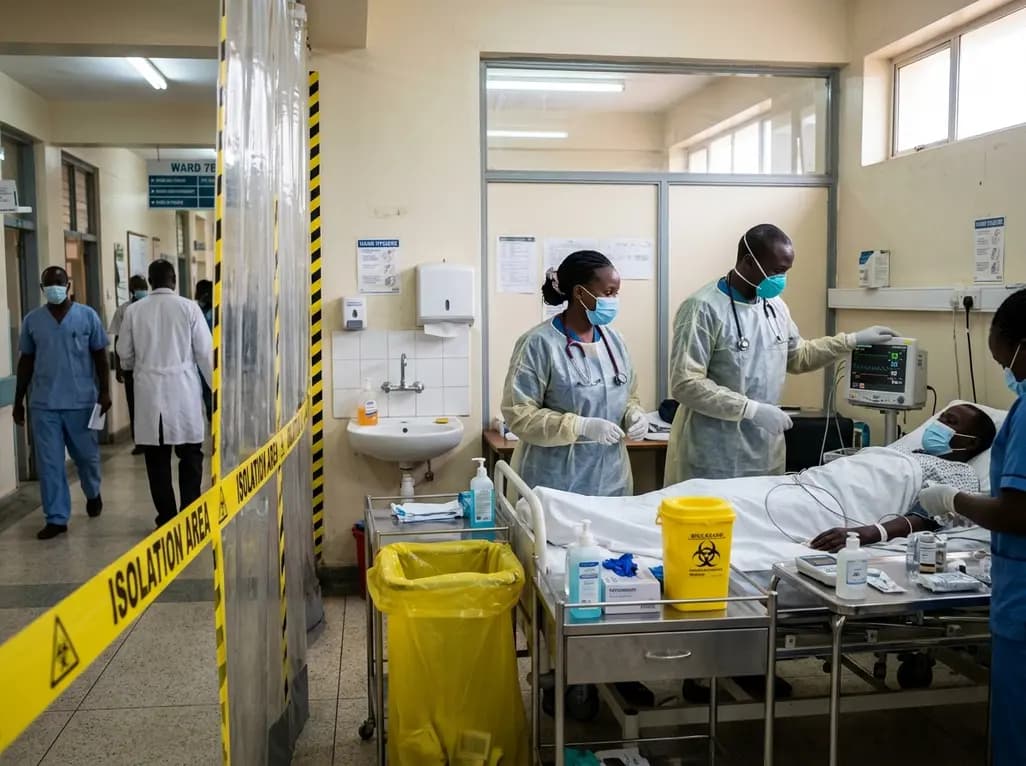
Kenya's confirmation of its eighth Ebola infection highlights the acute risk of secondary transmission in hospital environments. Clinicians must maintain high vigilance, enforce strict infection prevention protocols, and implement rapid triage mechanisms for viral hemorrhagic fevers across healthcare settings.
4 days back
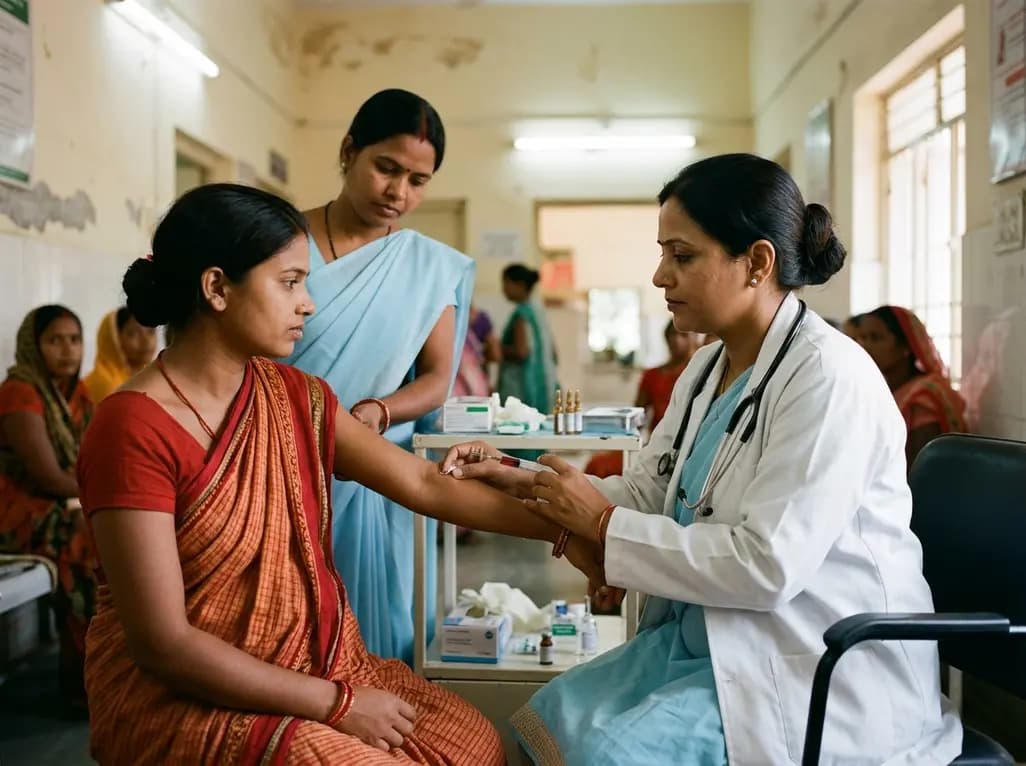
Maternal anaemia contributes to nearly half of pregnancy-related fatalities across India. To prevent complications, Uttar Pradesh has added single-dose parenteral iron to its essential medicines list. This clinical transition aims to restore haemoglobin rapidly and protect high-risk mothers across rural facilities.
Last week
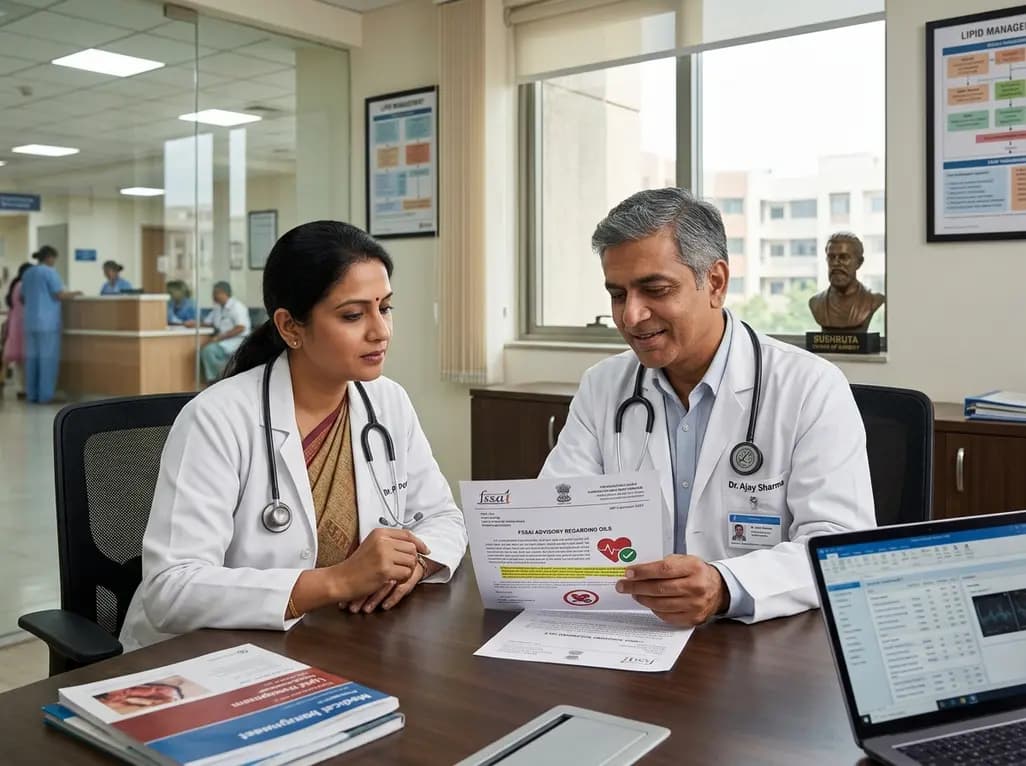
India's food safety authority FSSAI has issued show-cause notices to Gemini Edibles, BigBasket, and Flipkart for unpermitted cardiovascular claims regarding Freedom Rice Bran Oil. This regulatory move highlights the strict enforcement of advertising standards and the clinical necessity of evidence-based lipid care.
6 days back
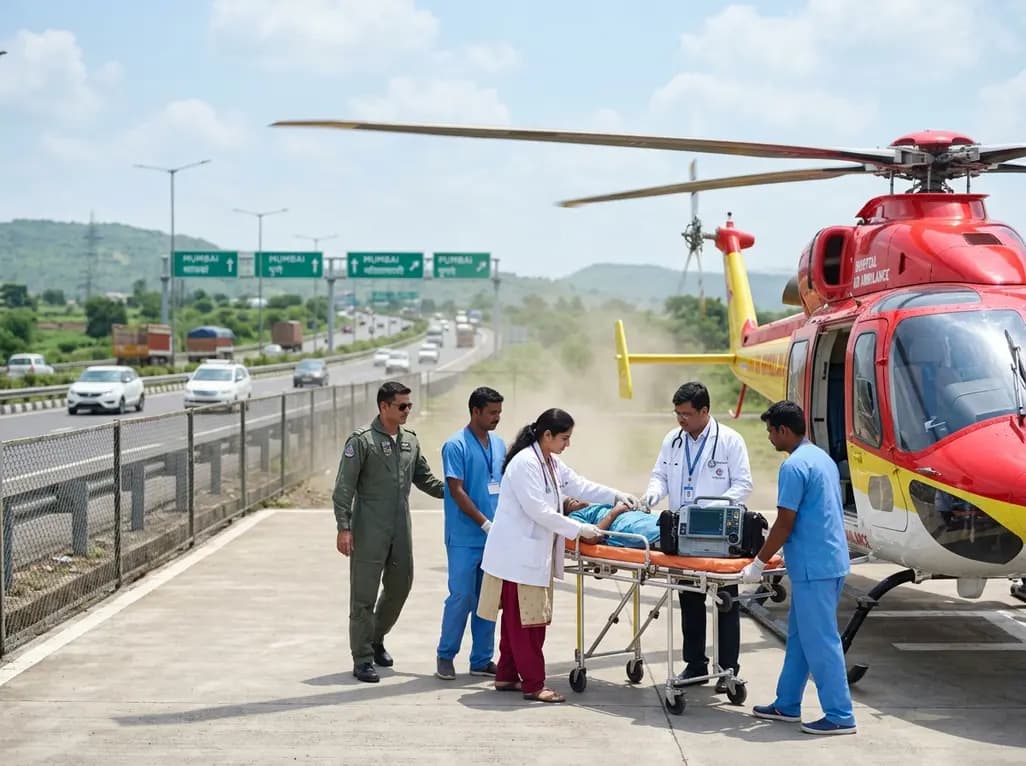
The state government is deploying helicopter emergency medical services across the Mumbai-Pune Expressway, Samruddhi Mahamarg, and Mumbai-Goa Highway. This initiative establishes unified standard operating procedures to enable rapid triage, advanced prehospital resuscitation, and seamless trauma care transfers.
Last week
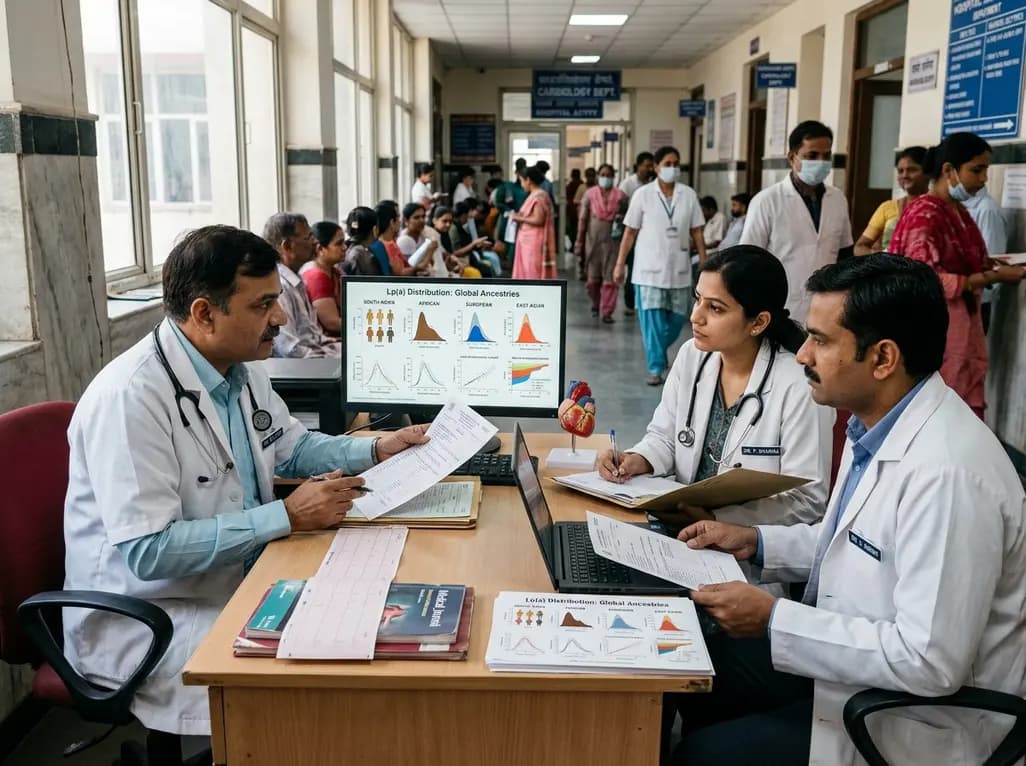
Atherosclerotic cardiovascular disease guidelines often rely on European-derived lipoprotein(a) cutoffs. However, baseline Lp(a) levels vary widely across ancestries, including South Asians and Africans. Clinicians must interpret Lp(a) values within overall absolute cardiovascular risk.
Last week
