.webp&w=384&q=75)

Loading, please wait...
Loading, please wait...
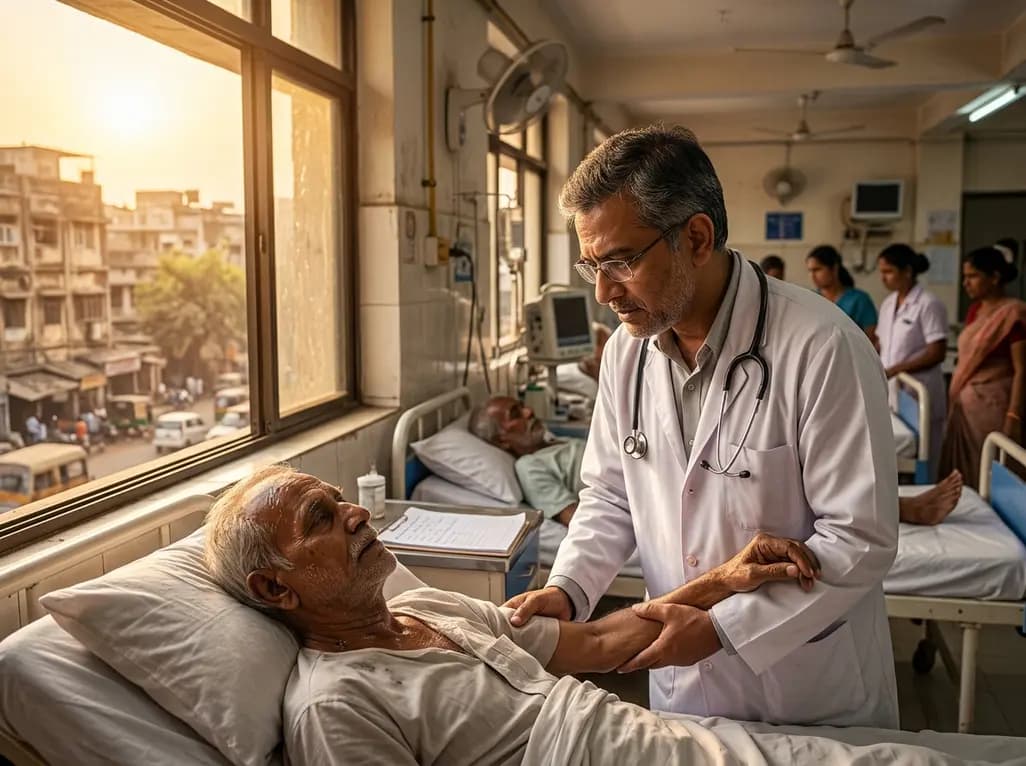
Heatwaves are no longer just seasonal inconveniences; they have evolved into lethal meteorological phenomena driven by global environmental shifts. Recent research published in Environmental Health highlights a staggering correlation between human-induced climate change and heatwave mortality risks in the Mediterranean. Specifically, the study conducted in Greece provides a sobering look at how anthropogenic factors have amplified the fatal outcomes of extreme heat over two decades. For healthcare providers in regions like India, where summer temperatures frequently breach the 45°C mark, these findings are a critical wake-up call. Understanding the magnitude of climate-attributable mortality is essential for developing robust clinical and public health responses. This analysis explores the data from Greece and its profound implications for global health, emphasizing that the burden of heat is not merely a natural disaster but a direct consequence of human activity. As we navigate an era of unprecedented thermal stress, clinicians must recognize heat as a primary determinant of health. By examining long-term trends and attribution models, we can better appreciate the urgency of both local adaptation and global mitigation. The following sections detail the study's methodology, the specific risks faced by vulnerable demographics, and the necessary steps to safeguard patient populations.
The researchers utilized a sophisticated time-stratified case-crossover design to analyze over 2.1 million deaths among individuals aged 65 and older in Greece between 2000 and 2019. By applying six distinct heatwave definitions, the study estimated the relative risks of mortality associated with varying levels of heat intensity and duration. The results were consistent across all definitions: heatwaves significantly raised the risk of death, with relative risks ranging from 1.08 to 1.15. Most alarmingly, the study found that human-induced climate change accounted for 46% to 80% of these heatwave-related deaths. This proportion was not static; it showed a clear upward trend over the twenty-year study period. The lack of evidence for population-level adaptation in Greece suggests that despite the increasing frequency of these events, the physiological and infrastructural responses have not kept pace. This finding is particularly relevant for urban areas where the \"heat island effect\" can further exacerbate ambient temperatures. The study underscores that without rapid intervention, the mortality burden will continue to climb as global temperatures rise. Furthermore, the analysis adjusted for variables like relative humidity and national holidays, providing a robust statistical foundation for its conclusions. These figures serve as a stark reminder that the health costs of carbon emissions are being paid in human lives today.
One of the most significant insights from the research is the disproportionate impact of heatwave mortality risks on specific subgroups. The data indicates that females and older adults face significantly higher risks during extreme heat events. Physiologically, older adults often have a diminished capacity for thermoregulation and a higher prevalence of chronic comorbidities, such as cardiovascular and respiratory diseases. These conditions can be acutely exacerbated by thermal stress, leading to organ failure or lethal complications. The study also highlighted that risks increase non-linearly with both the intensity and the duration of the heatwave. Longer, more intense events do not just add to the death toll; they multiply it. Gender-based differences in mortality may be linked to both physiological differences and socioeconomic factors, including domestic living conditions and access to cooling. For clinicians, this means that a \"one-size-fits-all\" approach to heat health is insufficient. Identifying and monitoring high-risk patients during the summer months is a clinical necessity. Proactive outreach to the elderly, particularly those living alone or in poorly ventilated housing, can be a life-saving intervention. Understanding these nuances allows for more targeted adaptation strategies that address the specific needs of the most vulnerable members of society.
While the Greek study provides a Mediterranean perspective, the parallels with the Indian subcontinent are striking and deeply concerning. India has witnessed a dramatic surge in heatwave frequency, with recent seasons recording record-breaking temperatures across various meteorological subdivisions. According to the Lancet Countdown 2023 India report, exposure to high temperatures has increased heatwave-related mortality among those over 65 by over 200% compared to historical averages. Similar to the findings in Greece, Indian data shows that the mortality burden is often underestimated because many deaths are attributed to underlying conditions rather than the heat that triggered them. Recent subnational analyses in India suggest that even a single day of extreme heat can cause thousands of excess deaths, with a five-day event potentially causing tens of thousands. The structural concentration of risk in economically weaker states highlights a profound environmental injustice, where those least responsible for climate change bear the heaviest health burden. Therefore, the Greek study's attribution of up to 80% of heat deaths to climate change likely mirrors the reality in many Indian districts. As temperatures continue to climb, the need for localized Heat Action Plans (HAPs) that incorporate district-level vulnerability data becomes increasingly urgent.
Addressing the rising threat of heatwave mortality risks requires a multifaceted approach involving clinical vigilance and public health policy. Healthcare providers must be trained to recognize the early signs of heat-related illnesses, ranging from heat exhaustion to the life-threatening emergency of heatstroke. Management protocols should emphasize rapid cooling techniques and aggressive fluid resuscitation. However, prevention remains the most effective tool. The National Disaster Management Authority (NDMA) in India has issued comprehensive guidelines for the preparation and implementation of Heat Action Plans. These include establishing \"cooling centers,\" ensuring the availability of drinking water in public spaces, and adjusting work hours for outdoor laborers. Clinicians can play a pivotal role by educating patients on hydration, the importance of staying in shaded or cooled environments, and the risks of certain medications that impair thermoregulation, such as diuretics or beta-blockers. Furthermore, strengthening heat-health warning systems is essential. These systems must provide timely, actionable information to the public, particularly before the onset of prolonged heat events. By integrating climate data into clinical practice, we can move toward a more resilient healthcare system capable of protecting the population from the escalating thermal threats of the 21st century.
The evidence from Greece and India converge on a single conclusion: human-induced climate change is already a major driver of mortality. To prevent a catastrophic escalation of the health crisis, rapid and sustained reductions in greenhouse gas emissions are non-negotiable. At the same time, we must invest heavily in adaptation measures that improve urban resilience. This includes increasing green cover, promoting reflective building materials, and redesigning cities to mitigate the urban heat island effect. Public health policy must prioritize the protection of vulnerable groups through social safety nets and improved housing standards. The Greek study serves as a scientific testament to the human cost of climate inaction. It calls for a paradigm shift where health is placed at the center of climate policy. As medical educators and practitioners, our role is to advocate for these systemic changes while providing the best possible care for those currently affected. The future of global health depends on our ability to adapt to a warmer world while simultaneously working to limit the extent of that warming. The data is clear; the time for decisive action is now.
Climate change increases the frequency, intensity, and duration of extreme heat events. This leaves less time for the human body to recover between episodes. High ambient temperatures exceed the body's thermoregulatory capacity, leading to dehydration, electrolyte imbalances, and multi-organ strain. The Greek study highlights that a significant majority of current heatwave deaths are now directly attributable to anthropogenic warming, suggesting that natural variability alone no longer explains the observed mortality patterns.
The most vulnerable populations include adults over the age of 65, infants, and individuals with pre-existing conditions like heart disease, diabetes, or chronic kidney disease. These groups often have impaired physiological responses to heat. Socioeconomic factors also play a massive role; people living in poverty, outdoor workers, and those in poorly ventilated urban \"heat islands\" face much higher exposure. Gender can also influence risk, with some studies showing higher mortality in elderly women.
Providers should identify at-risk patients before the summer season and review their medications, as some can interfere with sweating or hydration. Patient education should focus on recognizing early symptoms like dizziness or nausea and emphasizing the need for electrolyte-rich fluids. During active heatwaves, hospitals should implement \"heat wards\" with specialized cooling equipment. Finally, supporting local Heat Action Plans and advocating for better urban cooling infrastructure are vital long-term clinical and community interventions.
Disclaimer: This content is for informational and educational purposes only and does not constitute medical advice. It is not intended to be a substitute for professional medical advice, diagnosis, or treatment. Always seek the advice of your physician or other qualified health provider with any questions you may have regarding a medical condition. Refer to the latest local and national guidelines for clinical practice.
References
Xi D et al. Attributing heatwave mortality to human-induced climate change in Greece: a case-crossover and attribution analysis for 2000-2019. Environ Health. 2026 Jul 11. doi: 10.1186/s12940-026-01320-9. PMID: 42436540.
The Lancet Countdown. The 2023 report of the Lancet Countdown on health and climate change: the imperative for a health-centred response in a world facing irreversible harms. Lancet. 2023;402(10419):2346-2394.
National Disaster Management Authority (NDMA). Guidelines for Preparation of Action Plan - Prevention and Management of Heat Wave. Government of India; 2024.
Narang P, Gadgil A. Estimating heatwave-induced excess mortality in India’s districts. Frontiers in Environmental Health. 2026;3:10.3389/fenvh.2026.1360.
"
Read summarized clinical updates, watch expert medical content, and earn CME certifications right from your smartphone.
Open your smartphone camera to scan and install.





A study in Greece reveals that 46-80% of heatwave deaths are linked to climate change. This analysis explores the implications for public health and clinical practice, particularly for elderly and vulnerable populations facing rising global temperatures in regions like India.
3 months ago
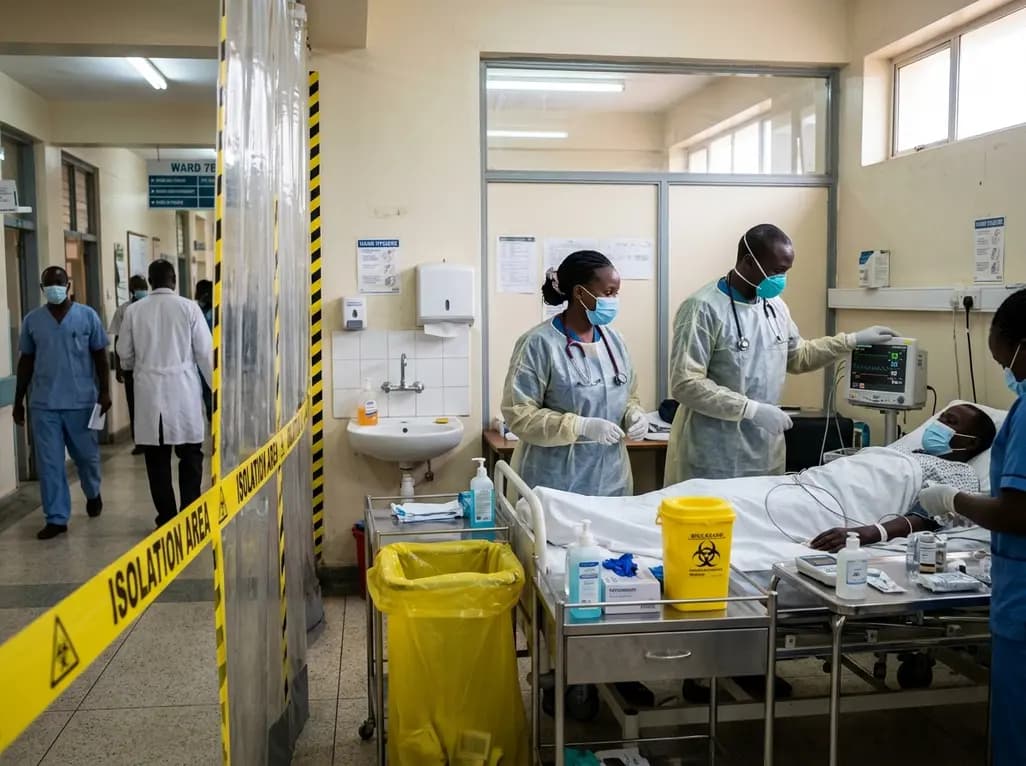
Kenya's confirmation of its eighth Ebola infection highlights the acute risk of secondary transmission in hospital environments. Clinicians must maintain high vigilance, enforce strict infection prevention protocols, and implement rapid triage mechanisms for viral hemorrhagic fevers across healthcare settings.
4 days back
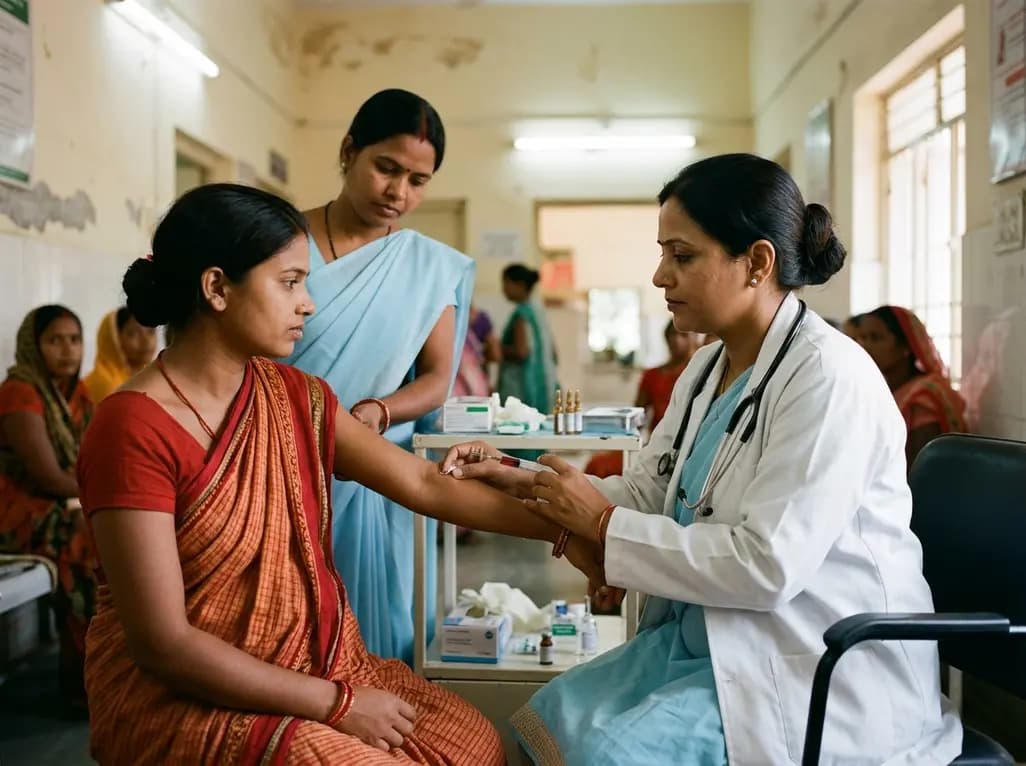
Maternal anaemia contributes to nearly half of pregnancy-related fatalities across India. To prevent complications, Uttar Pradesh has added single-dose parenteral iron to its essential medicines list. This clinical transition aims to restore haemoglobin rapidly and protect high-risk mothers across rural facilities.
Last week

India's food safety authority FSSAI has issued show-cause notices to Gemini Edibles, BigBasket, and Flipkart for unpermitted cardiovascular claims regarding Freedom Rice Bran Oil. This regulatory move highlights the strict enforcement of advertising standards and the clinical necessity of evidence-based lipid care.
6 days back
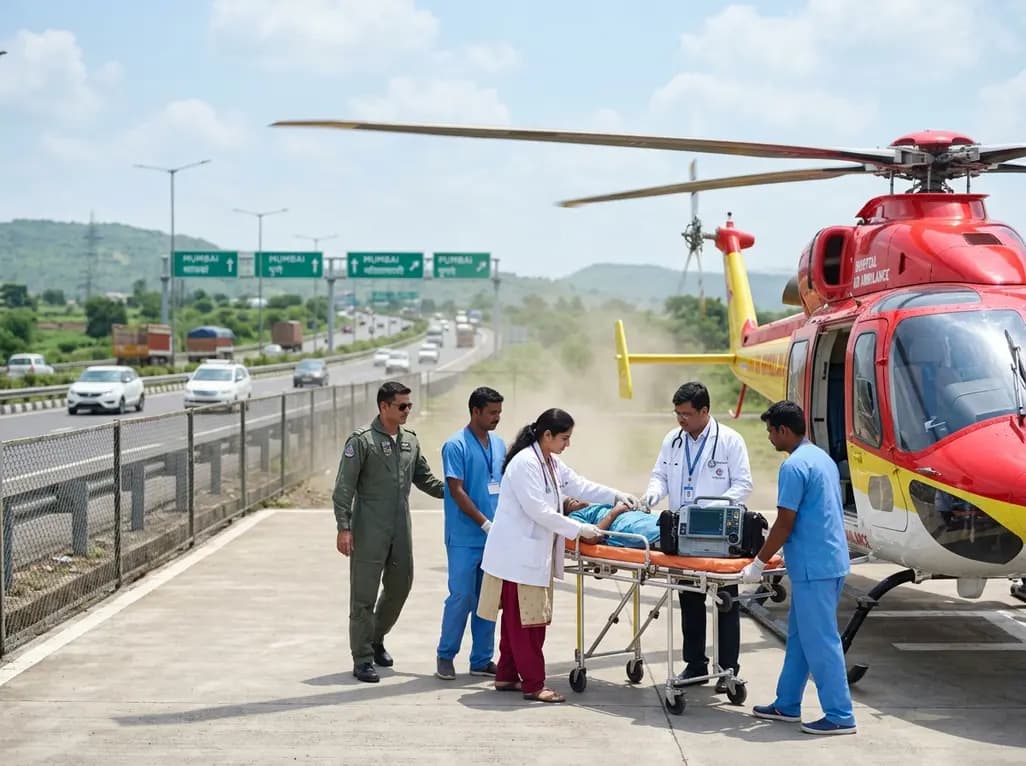
The state government is deploying helicopter emergency medical services across the Mumbai-Pune Expressway, Samruddhi Mahamarg, and Mumbai-Goa Highway. This initiative establishes unified standard operating procedures to enable rapid triage, advanced prehospital resuscitation, and seamless trauma care transfers.
Last week
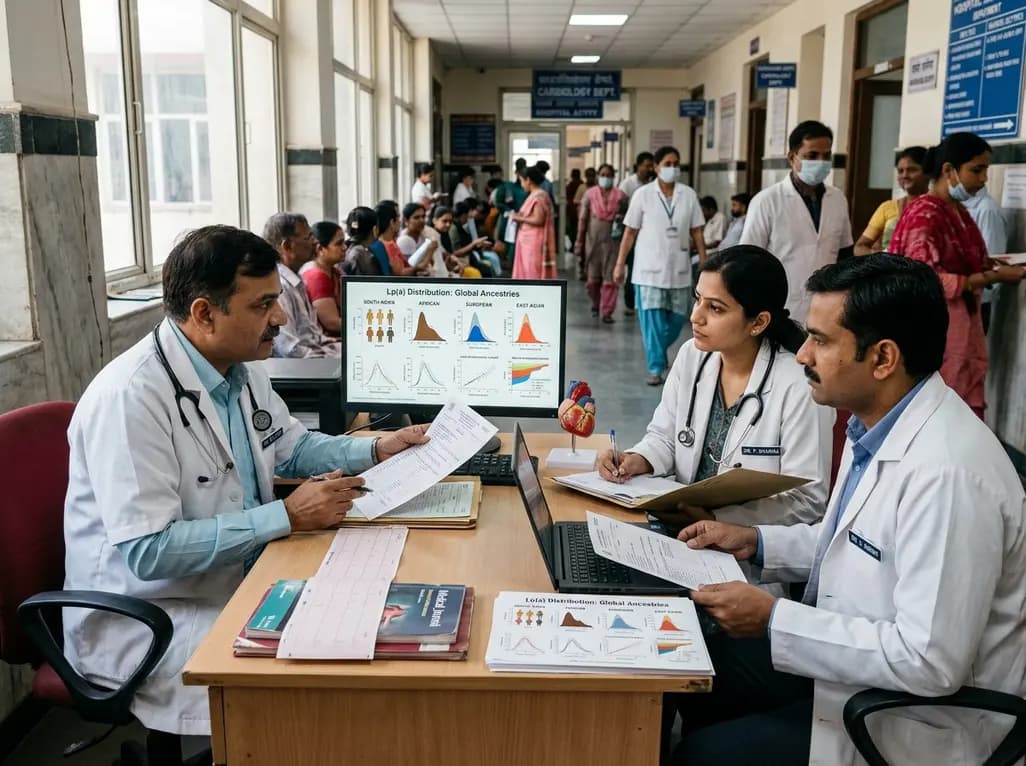
Atherosclerotic cardiovascular disease guidelines often rely on European-derived lipoprotein(a) cutoffs. However, baseline Lp(a) levels vary widely across ancestries, including South Asians and Africans. Clinicians must interpret Lp(a) values within overall absolute cardiovascular risk.
Last week
