.webp&w=384&q=75)

Loading, please wait...
Loading, please wait...
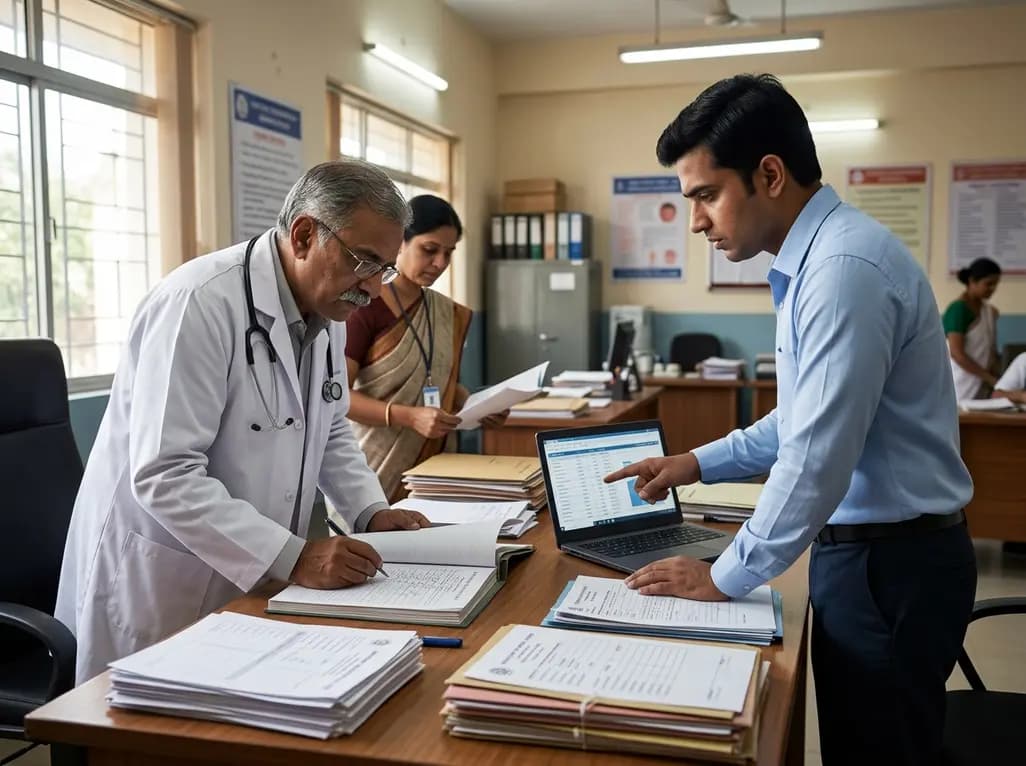
The Maharashtra government recently took a major step toward purifying its healthcare system by ordering a high-level inquiry. Consequently, Chief Minister Devendra Fadnavis announced the formation of a Special Investigation Team to investigate serious health scheme irregularities within the Mahatma Jyotirao Phule Jan Arogya Yojana. This decision followed a comprehensive review meeting of public healthcare initiatives in Mumbai. The investigation specifically targets Nashik district, which has emerged as the epicentre of the alleged fraudulent practices. Divisional Commissioner Praveen Gedam will lead this dedicated multi-departmental committee. Furthermore, the administration intends to include medical, forensic, and cyber experts to ensure a rigorous and unbiased probe. By initiating this action, the government aims to safeguard public funds and restore trust in state welfare programs. Poor and vulnerable citizens heavily rely on these schemes for critical healthcare treatments. Therefore, any systemic vulnerability or deliberate malpractice poses a threat to public health infrastructure. This investigation will seek to establish how these malpractices bypassed existing checks. Ultimately, the state government wants to establish an airtight system that leaves absolutely no room for exploitation or financial leakages.
An extensive preliminary investigation revealed the staggering scale of the alleged fraud across the state. Specifically, the State Health Assurance Society scrutinized transaction records from the 2024 to 2026 period. During this rigorous review, analysts identified approximately 16,000 highly suspicious insurance claims and surgeries. Shockingly, nearly 9,500 of these flagged cases were directly linked to Nashik district alone. This high concentration of suspect files prompted immediate administrative action from senior leaders. Consequently, the government has already cancelled the registration and empanelment of five local hospitals. These medical institutions face severe allegations of fabricating patient files and inflating surgery costs. Moreover, authorities believe that some private hospitals collaborated with corrupt officials to siphon money from public funds. This widespread manipulation of healthcare records represents a major breach of medical ethics and financial compliance. Therefore, the upcoming investigation will meticulously verify patient identities and surgical records. Investigators will examine whether the recorded operations actually took place or existed only on paper. Through this process, the state hopes to identify every single hospital involved in the malpractice. Thus, this scrutiny will serve as a warning to other healthcare providers across the state.
To tackle this widespread issue, the state government plans to deploy cutting-edge digital infrastructure. Chief Minister Fadnavis highlighted that advanced technology will play a pivotal role in cleaning up the system. Specifically, data analytics and artificial intelligence will screen approximately 1.3 million potentially fraudulent medical files. This automated oversight will easily identify anomalies such as duplicate billings, impossible surgery timelines, and exaggerated clinical codes. Furthermore, the Maharashtra Cyber Police will actively participate in tracking cyber-enabled financial crimes within these health schemes. Because modern fraud operates through complex digital networks, cyber investigators must trace the origins of suspicious transaction approvals. Additionally, every district will soon receive a dedicated fraud prevention unit. These localized units will report directly to a centralized real-time monitoring dashboard in Mumbai. Consequently, administrators can detect and block suspicious insurance transactions instantly. Using this real-time oversight, the state can prevent fraudulent claims from being paid out in the first place. Therefore, combining digital monitoring with traditional law enforcement will create a highly resilient safety net. Through these technological upgrades, the state expects to eliminate loopholes and protect public resources effectively.
In addition to technological upgrades, the administration is introducing rigorous clinical verification protocols. The government has ordered specialized audits for all high-value medical claims. Specifically, independent medical auditors will review expensive surgical procedures to verify their clinical necessity. Furthermore, forensic accounting teams will conduct deep-dive investigations into all flagged cases. These financial experts will trace the flow of disbursed government funds to ensure they reached legitimate healthcare providers. Moreover, independent third-party agencies will conduct direct physical verifications of beneficiaries. This step will confirm whether the actual patients received the treatments described in the official insurance documents. Consequently, hospitals will find it impossible to submit claims for non-existent patients or minor ailments. The state public health department is also redesigning the hospital empanelment criteria. Only medical institutions with impeccable operational histories and transparent clinical practices will participate in the state-funded schemes. Therefore, these institutional reforms will systematically eliminate dishonest entities from the healthcare network. By enforcing these strict compliance standards, the state intends to ensure that only deserving and ethical hospitals receive public funds.
The state administration has made it clear that accountability will be enforced without compromise. Chief Minister Fadnavis asserted that individuals found guilty of participating in these health scheme irregularities will face severe legal consequences. Specifically, the police will register criminal cases against hospital directors, corrupt administrators, and complicit medical officers. Furthermore, the state government is legally bound to recover every single rupee of misappropriated public money. To achieve this, authorities may attach the physical properties of the accused medical institutions if necessary. Moreover, this strict stance aims to rebuild public confidence in essential welfare programs. Poor families rely heavily on Mahatma Jyotirao Phule Jan Arogya Yojana to access lifesaving medical procedures. Thus, protecting the integrity of this scheme remains a high priority for the government. Consequently, these decisive actions will deter future malpractices across all public welfare systems in Maharashtra. The government hopes that a successful and transparent SIT probe will set a powerful precedent. Ultimately, the state remains dedicated to providing high-quality, free, and transparent medical care to its most vulnerable citizens without any fear of exploitation.
Q1: What are the main health scheme irregularities being investigated by the SIT in Nashik?
The Special Investigation Team is investigating widespread irregularities under the Mahatma Jyotirao Phule Jan Arogya Yojana. Specifically, the probe targets around 9,500 suspicious insurance claims and surgeries in Nashik district. These irregularities include fabricating patient databases, submitting claims for non-existent surgeries, and inflating treatment costs. Consequently, five private hospitals have already lost their official empanelment due to these serious allegations.
Q2: How will the government use advanced technology to prevent future health scheme fraud?
The government is deploying artificial intelligence and advanced data analytics to screen 1.3 million historical claims. These digital systems will flag duplicate bills, unrealistic treatment sequences, and suspicious transactions. Additionally, the Maharashtra Cyber Police will monitor digital approvals, while a real-time central dashboard will connect every district. Therefore, this technological integration will detect and block fraudulent insurance claims immediately before payments are released.
Q3: Who will lead the investigation, and what are the expected legal consequences for the guilty?
Nashik Divisional Commissioner Praveen Gedam will head the multi-departmental Special Investigation Team. The committee will include experts from healthcare, finance, and cybercrime departments. Those found guilty of these health scheme irregularities will face strict criminal prosecution. Furthermore, the state government will initiate legal proceedings to recover all misappropriated public funds, which may involve attaching the assets of fraudulent hospitals.
Disclaimer: This content is for informational and educational purposes only. It does not constitute medical advice or replace professional judgment. Refer to the latest local and national guidelines for clinical practice.
References

Read summarized clinical updates, watch expert medical content, and earn CME certifications right from your smartphone.
Open your smartphone camera to scan and install.





Maharashtra Chief Minister Devendra Fadnavis announced a Special Investigation Team (SIT) to investigate extensive irregularities under the Mahatma Jyotirao Phule Jan Arogya Yojana in Nashik. The probe will utilize artificial intelligence, cyber police, and forensic audits to restore transparency.
3 months ago
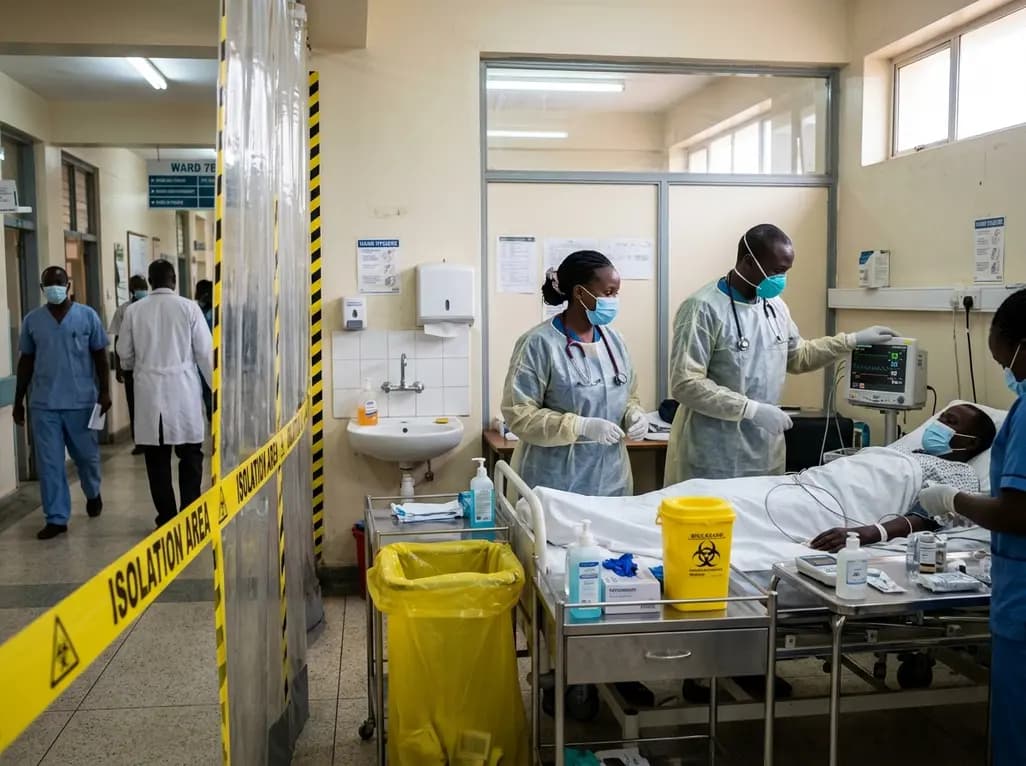
Kenya's confirmation of its eighth Ebola infection highlights the acute risk of secondary transmission in hospital environments. Clinicians must maintain high vigilance, enforce strict infection prevention protocols, and implement rapid triage mechanisms for viral hemorrhagic fevers across healthcare settings.
4 days back
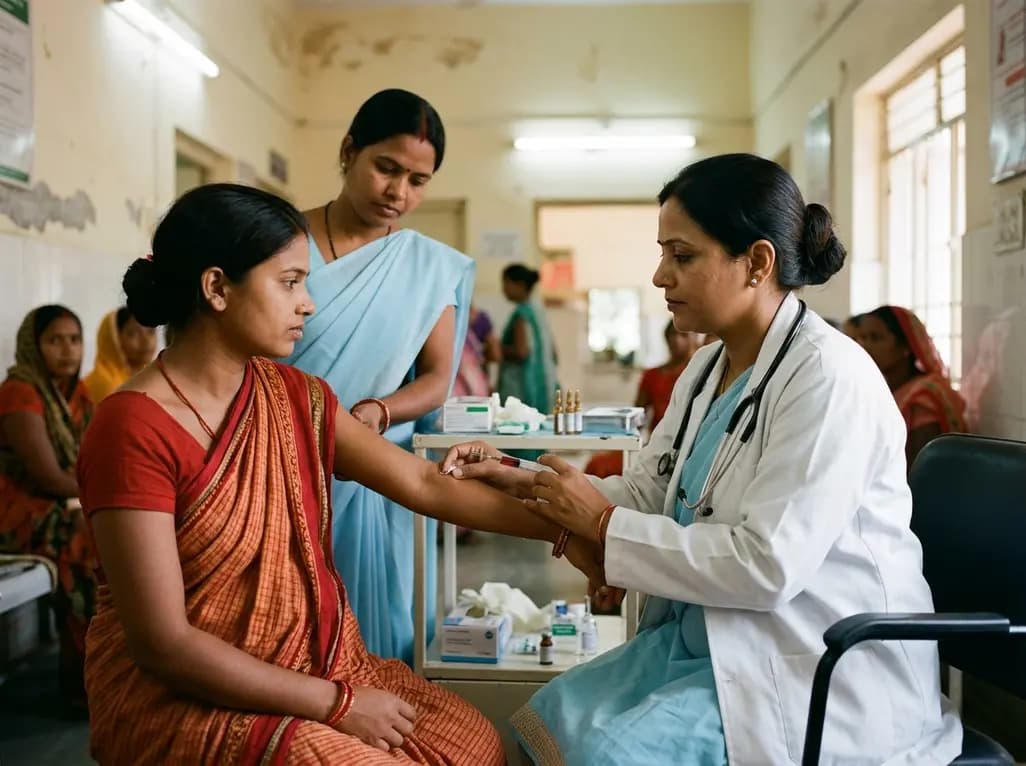
Maternal anaemia contributes to nearly half of pregnancy-related fatalities across India. To prevent complications, Uttar Pradesh has added single-dose parenteral iron to its essential medicines list. This clinical transition aims to restore haemoglobin rapidly and protect high-risk mothers across rural facilities.
Last week

India's food safety authority FSSAI has issued show-cause notices to Gemini Edibles, BigBasket, and Flipkart for unpermitted cardiovascular claims regarding Freedom Rice Bran Oil. This regulatory move highlights the strict enforcement of advertising standards and the clinical necessity of evidence-based lipid care.
6 days back
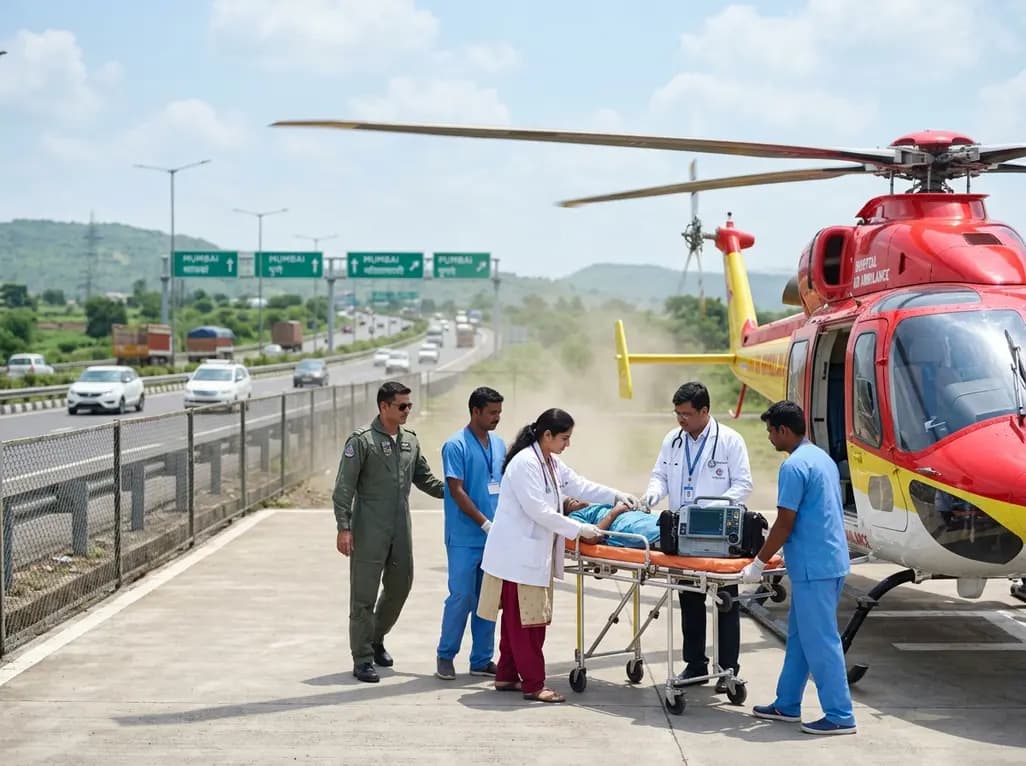
The state government is deploying helicopter emergency medical services across the Mumbai-Pune Expressway, Samruddhi Mahamarg, and Mumbai-Goa Highway. This initiative establishes unified standard operating procedures to enable rapid triage, advanced prehospital resuscitation, and seamless trauma care transfers.
Last week
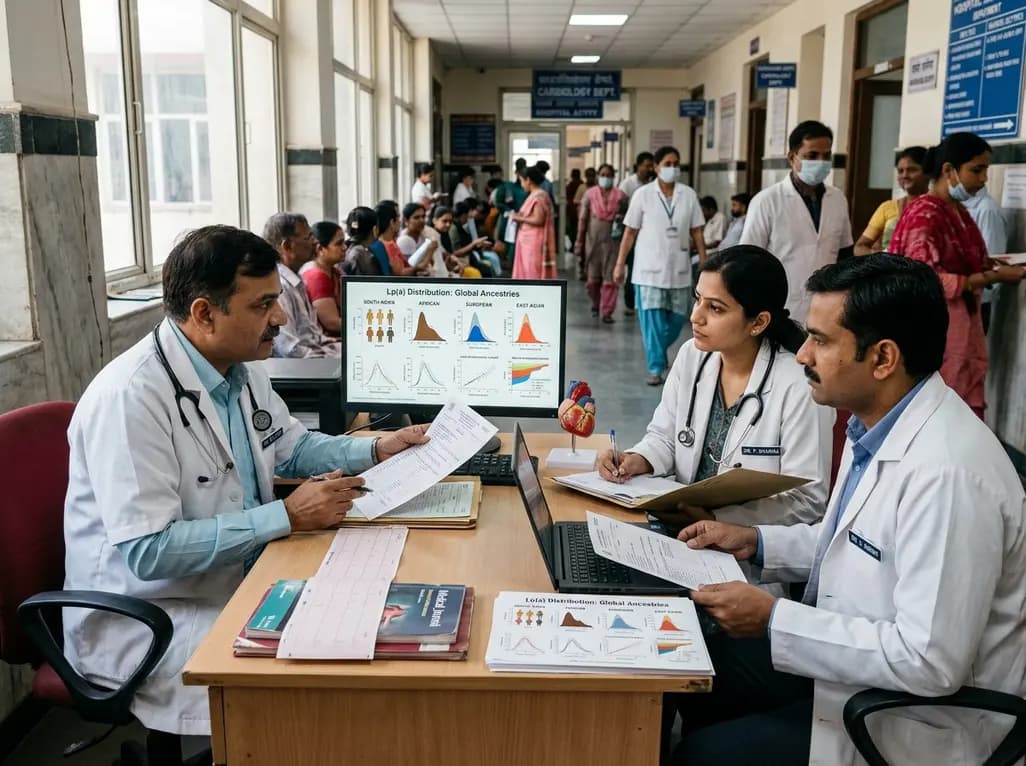
Atherosclerotic cardiovascular disease guidelines often rely on European-derived lipoprotein(a) cutoffs. However, baseline Lp(a) levels vary widely across ancestries, including South Asians and Africans. Clinicians must interpret Lp(a) values within overall absolute cardiovascular risk.
Last week
