.webp&w=384&q=75)

Loading, please wait...
Loading, please wait...
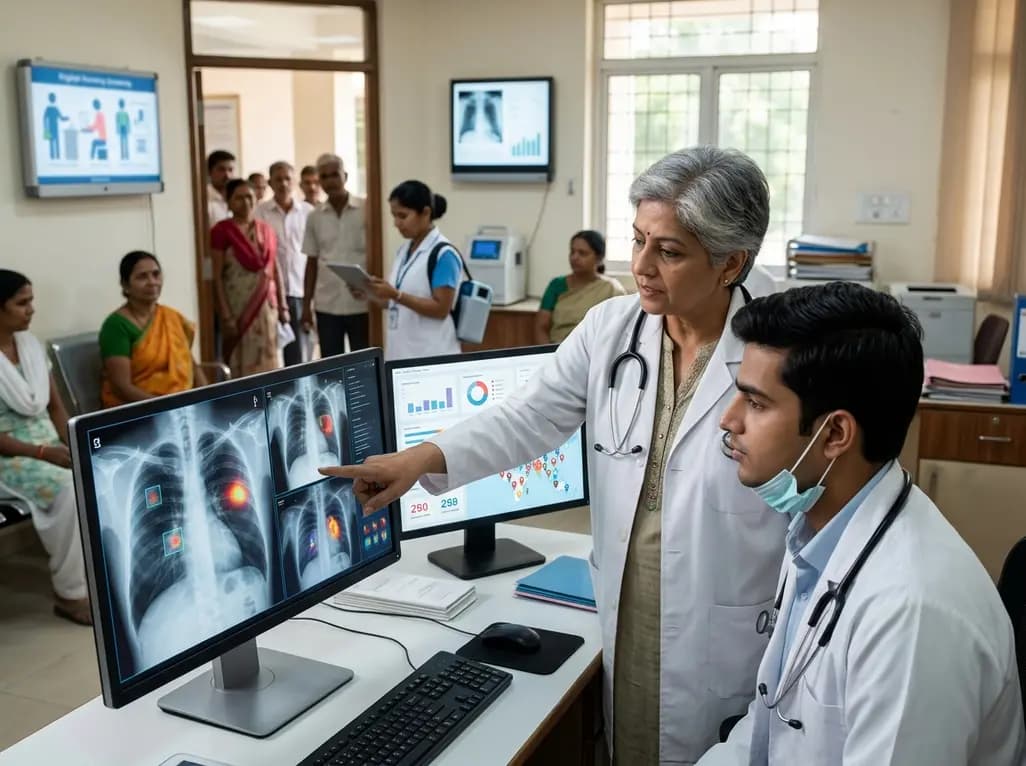
India continues to fight tuberculosis with immense determination and advanced clinical tools. Recently, Haryana achieved an outstanding milestone by detecting 25,666 new tuberculosis cases during the 100-Day TB Mukt Bharat Campaign [1]. Specifically, the state health department leveraged advanced AI-supported TB screening to identify these hidden infections early [1]. This proactive health initiative officially launched on World TB Day, March 24, 2026 [1]. Ultimately, the program reflects the intense commitment of the administration to curb tuberculosis transmission [1]. Clinicians across India should closely examine this successful technology-driven model [1]. By successfully integrating artificial intelligence with active case finding, the health department reached remote populations. Consequently, this campaign sets an exceptional new national standard [1].
Traditionally, healthcare departments relied heavily on passive case finding methods to manage tuberculosis [1]. Under that conventional model, patients had to visit clinics voluntarily after developing highly noticeable symptoms [1]. However, many individuals with early-stage tuberculosis remain completely asymptomatic and do not seek timely medical care. Therefore, Haryana shifted its focus entirely to Active Case Finding (ACF) during this recent campaign [1]. Trained health teams proactively traveled into high-risk communities to search for undetected patients [1]. Consequently, early therapeutic interventions became possible, reducing community transmission rates significantly [1]. Additionally, this approach protects vulnerable family members from contracting the disease. Public health experts have highly praised this proactive methodology for its exceptional diagnostic yield. Indeed, the strategy has successfully identified thousands of silent carriers who would have otherwise remained untreated [1]. Moving forward, other Indian states must institutionalize active community outreach to dismantle local transmission chains.
The remarkable success of Haryana's program relies on advanced digital tools. Specifically, the state deployed AI-enabled handheld X-ray machines across remote villages [1]. These portable devices allow medical personnel to obtain instant, accurate screening results on-site [1]. Consequently, clinicians can quickly identify abnormal chest findings without requiring patients to travel to distant urban diagnostic centers [1]. Furthermore, the state implemented the innovative "Cough Against TB" mobile application [1]. This software uses artificial intelligence to analyze cough sounds recorded on standard smartphones. Subsequently, the tool identifies individuals who present high-risk acoustic patterns and require immediate diagnostic testing. By utilizing these rapid systems, the health department has made AI-supported TB screening highly accessible [1]. These advanced technologies bridge the geographic gap in medical delivery. Moreover, they dramatically reduce the turnaround time for preliminary tuberculosis evaluations. Thus, artificial intelligence serves as a powerful force multiplier for frontline medical staff.
To maximize limited resources, the Haryana health department adopted Vulnerability Mapping [1]. This digital technique pinpointed high-risk geographical sectors across the entire state. Through this detailed analysis, teams identified exactly 2,111 highly vulnerable villages and urban wards [1]. Consequently, medical teams could focus their screening efforts on these high-transmission zones [1]. Between March 24 and July 5, the department successfully organized 3,914 specialized health camps [1]. Importantly, 2,854 of these camps took place within the mapped vulnerable regions [1]. During these targeted camps, health workers screened over 473,000 individuals [1]. Additionally, they performed more than 225,000 chest X-rays and conducted 125,000 Nucleic Acid Amplification Tests [1]. This extensive diagnostic blitz successfully uncovered the 25,666 new tuberculosis cases [1]. Therefore, vulnerability mapping proved to be an indispensable tool for efficient resource allocation. Rather than searching blindly, medical teams targeted their clinical diagnostic assets precisely where they were needed.
Clinical recovery from tuberculosis requires more than just standard pharmacological treatment. Indeed, adequate nutrition plays an essential role in strengthening patient immune systems against Mycobacterium tuberculosis. Recognizing this clinical reality, the Haryana government distributed 23,962 Poshan Kits to diagnosed patients [1]. These specialized nutritional packages help patients maintain their strength during long therapeutic courses [1]. Furthermore, the state welcomed 2,635 new Ni-kshay Mitras to provide personal support. These community donors offer crucial financial, nutritional, and emotional backing to patients. Meanwhile, sixty-five specialized mobile medical units, known as Ni-kshay Vahans, traversed the state [1]. These vehicles delivered diagnostic and screening services directly to isolated, underserved communities [1]. Consequently, remote populations received high-quality healthcare without facing transport barriers [1]. This holistic approach combines diagnostic technology, clinical medicine, and community nutrition. Ultimately, addressing social determinants of health ensures better treatment compliance among tuberculosis patients.
To maximize community reach, health officials integrated tuberculosis screening with Ayushman Arogya Shivirs [1]. These comprehensive medical camps allow citizens to access multiple health services under a single roof [1]. Consequently, patients receive diagnostic screening for hypertension, diabetes, anemia, and tuberculosis simultaneously [1]. This integration helps normalize tuberculosis screening and reduces the associated societal stigma [1]. Additionally, local public representatives participated actively in these educational drives [1]. Members of Parliament, MLAs, and local panchayat leaders encouraged villagers to undergo diagnostic testing [1]. Their strong advocacy helped demystify the disease and promoted early medical consultation [1]. Moreover, this collaborative effort demonstrates the power of inter-sectoral coordination in public health. By engaging community leaders, the health department successfully fostered widespread trust in modern medical interventions. Ultimately, overcoming social barriers is just as crucial as deploying advanced medical technologies. This comprehensive approach will undoubtedly accelerate India's progress toward achieving a tuberculosis-free status.
Q1: What is the significance of the "Cough Against TB" (CATB) application in the screening process?
The "Cough Against TB" (CATB) mobile application represents a major technological advance in pulmonary tuberculosis screening. Specifically, the app utilizes artificial intelligence to analyze acoustic cough sounds directly through a standard smartphone. Frontline health workers can use this offline-capable tool in remote villages to identify individuals with high-risk cough patterns. Consequently, this technology provides a rapid, cost-effective way to determine which individuals require further clinical diagnostic testing, such as chest X-rays or sputum tests.
Q2: How did Haryana's health department utilize Vulnerability Mapping (VM-TB) during this campaign?
The health department adopted Vulnerability Mapping (VM-TB) to identify and prioritize high-risk areas across the state [1]. Using digital mapping techniques, officials successfully identified 2,111 vulnerable villages and urban wards [1]. Consequently, health teams avoided random testing and concentrated their diagnostic resources, such as health camps and mobile medical units, in areas most susceptible to transmission [1]. This data-driven strategy ensured efficient resource utilization, leading to a much higher clinical detection rate of new tuberculosis cases.
Q3: What role do Ni-kshay Vahans and Ni-kshay Mitras play in the state's tuberculosis campaign?
Ni-kshay Vahans and Ni-kshay Mitras serve as essential pillars of support and healthcare delivery. Specifically, sixty-five Ni-kshay Vahans function as mobile medical units, bringing advanced diagnostic tools directly to underserved populations in remote areas [1]. Meanwhile, Ni-kshay Mitras are community volunteers who provide vital nutritional, financial, and emotional support to tuberculosis patients during their recovery. Consequently, this combination of mobile outreach and patient-centric care ensures high treatment adherence and improves overall clinical recovery rates.
Disclaimer: This content is for informational and educational purposes only. It does not constitute medical advice or replace professional judgment. Refer to the latest local and national guidelines for clinical practice.
References

Read summarized clinical updates, watch expert medical content, and earn CME certifications right from your smartphone.
Open your smartphone camera to scan and install.





Explore how Haryana successfully detected 25,666 new tuberculosis cases in 104 days. By combining active case finding with cutting-edge artificial intelligence, the state’s proactive campaign provides a scalable, technology-driven model to accelerate India’s journey toward a tuberculosis-free future.
3 months ago
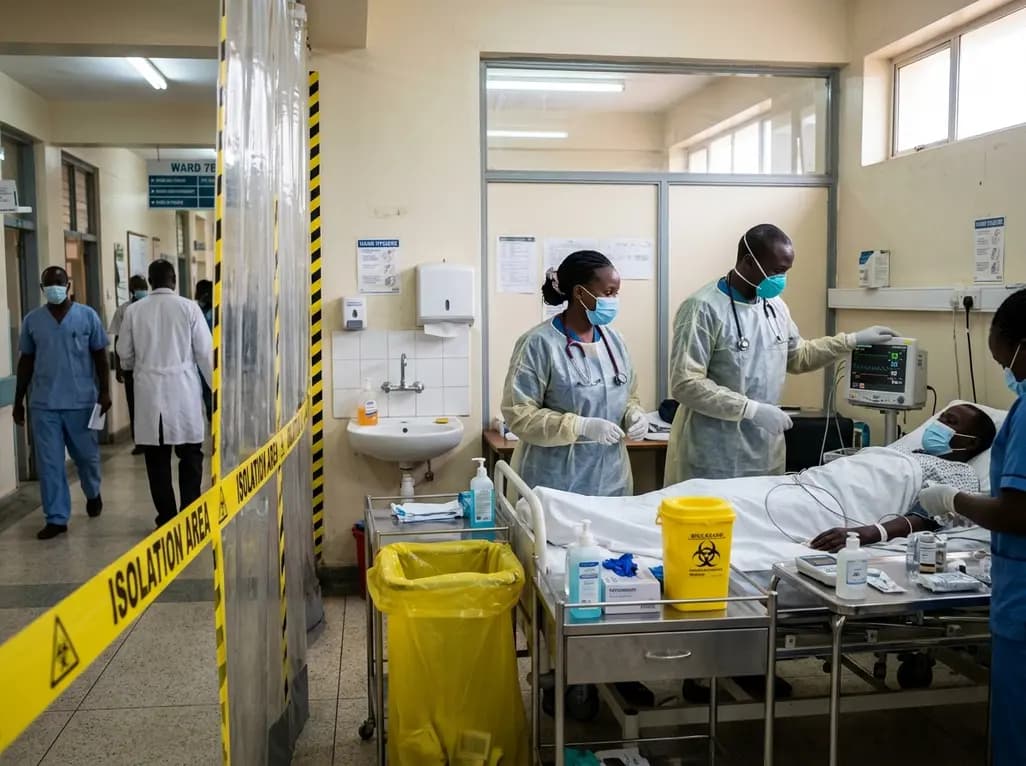
Kenya's confirmation of its eighth Ebola infection highlights the acute risk of secondary transmission in hospital environments. Clinicians must maintain high vigilance, enforce strict infection prevention protocols, and implement rapid triage mechanisms for viral hemorrhagic fevers across healthcare settings.
3 days back
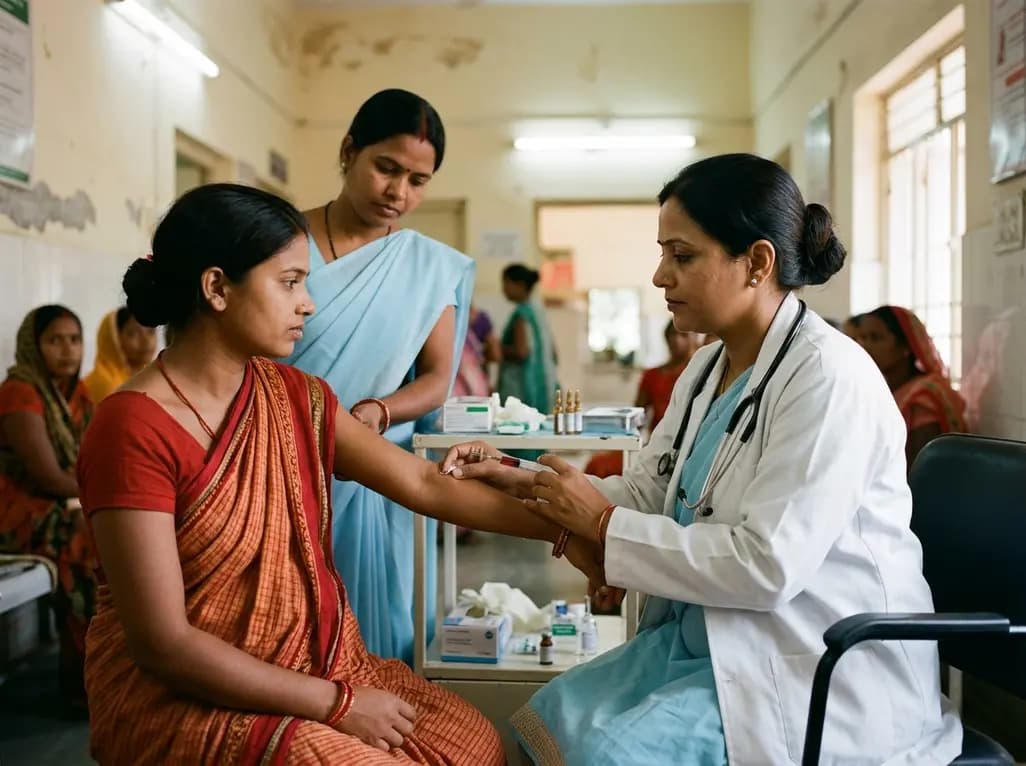
Maternal anaemia contributes to nearly half of pregnancy-related fatalities across India. To prevent complications, Uttar Pradesh has added single-dose parenteral iron to its essential medicines list. This clinical transition aims to restore haemoglobin rapidly and protect high-risk mothers across rural facilities.
Last week
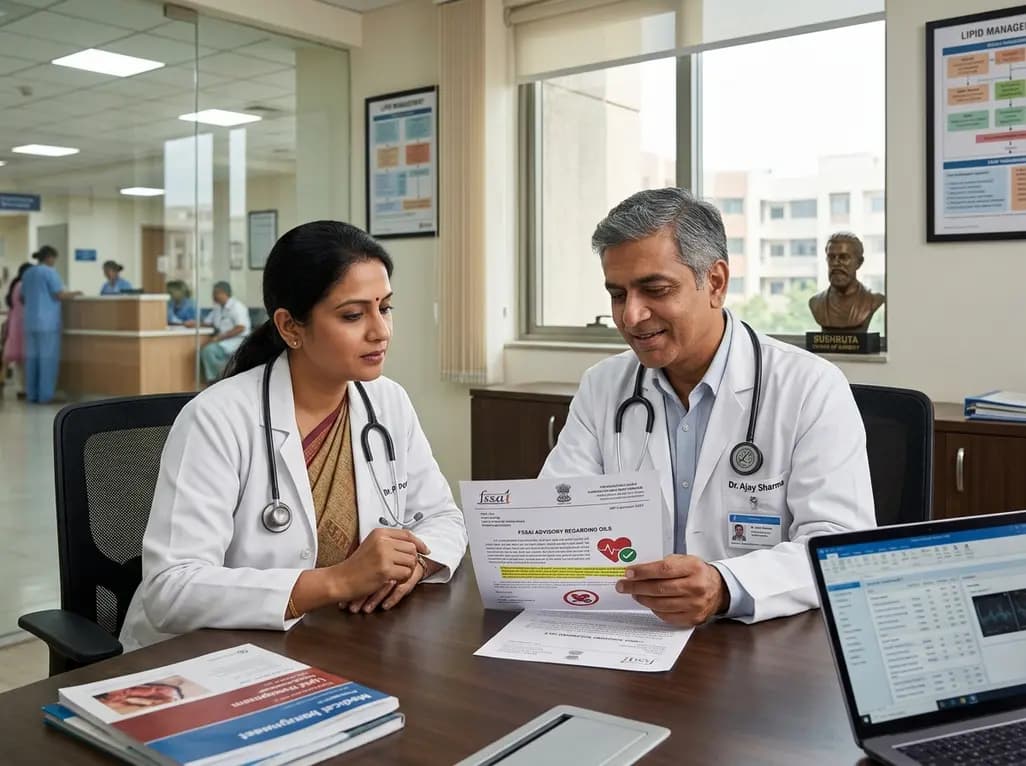
India's food safety authority FSSAI has issued show-cause notices to Gemini Edibles, BigBasket, and Flipkart for unpermitted cardiovascular claims regarding Freedom Rice Bran Oil. This regulatory move highlights the strict enforcement of advertising standards and the clinical necessity of evidence-based lipid care.
5 days back
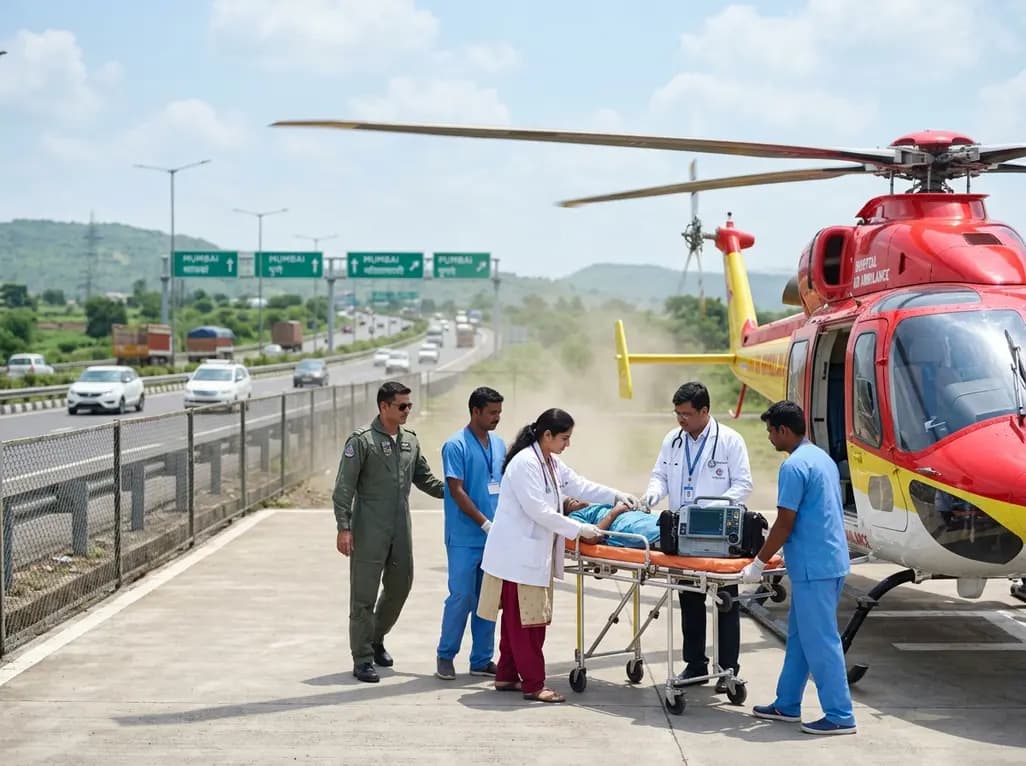
The state government is deploying helicopter emergency medical services across the Mumbai-Pune Expressway, Samruddhi Mahamarg, and Mumbai-Goa Highway. This initiative establishes unified standard operating procedures to enable rapid triage, advanced prehospital resuscitation, and seamless trauma care transfers.
Last week
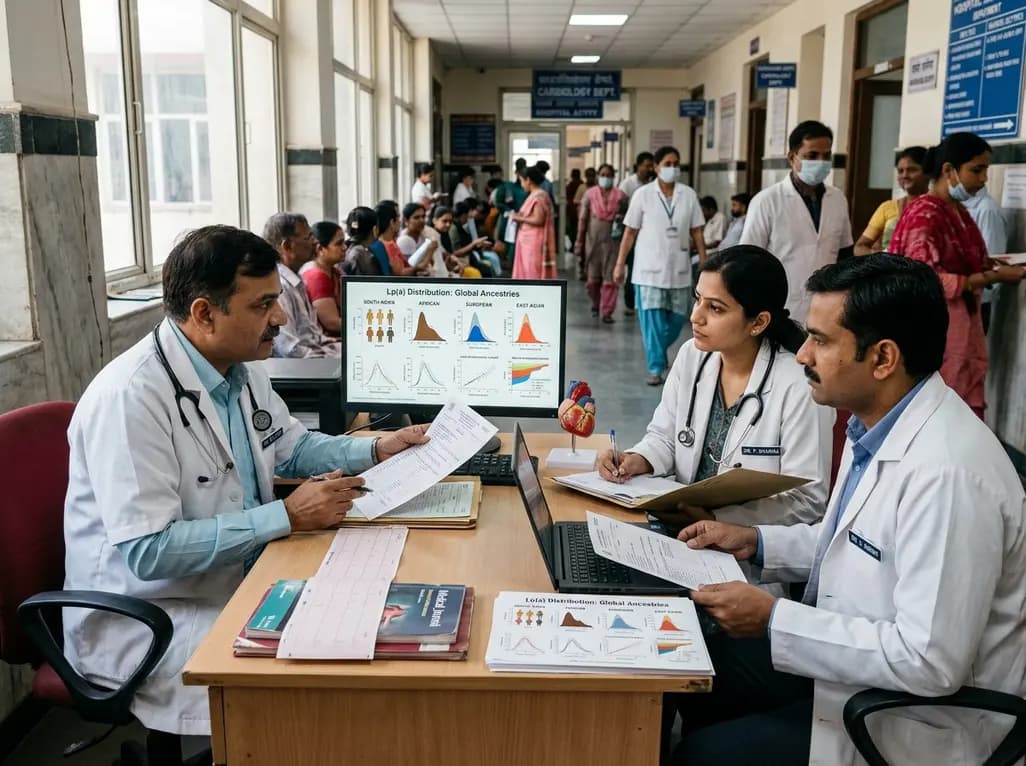
Atherosclerotic cardiovascular disease guidelines often rely on European-derived lipoprotein(a) cutoffs. However, baseline Lp(a) levels vary widely across ancestries, including South Asians and Africans. Clinicians must interpret Lp(a) values within overall absolute cardiovascular risk.
Last week
