.webp&w=384&q=75)

Loading, please wait...
Loading, please wait...

Recently, the Argentine health ministry announced that they found no hantavirus-carrying rodents during an investigation in Mendoza province. Specifically, this intensive surveillance follows a deadly hantavirus outbreak on the MV Hondius cruise ship in April 2026. Although the Andes strain of hantavirus is endemic in several parts of Argentina, local authorities are striving to pinpoint the exact origin of this cluster.
To locate the source, researchers from the Malbran Institute partnered with the United States Centers for Disease Control and Prevention (CDC). Consequently, the team set over 250 traps on the outskirts of Malargue. However, they did not capture a single specimen of Oligoryzomys longicaudatus, which is the primary reservoir of the Andes virus. Meanwhile, they captured another rodent species with past antibody exposure and are currently running tests to confirm its identity.
Furthermore, public health agencies are closely monitoring the situation because the Andes virus can transmit between humans. Fortunately, the risk of a widespread pandemic remains very low. Nonetheless, clinical vigilance is essential for early detection. Because of this outbreak, global health authorities continue to emphasize strict quarantine and contact-tracing protocols.
Q1: What is the primary reservoir of the Andes hantavirus?
The primary reservoir of the Andes hantavirus in the Patagonian region is the Oligoryzomys longicaudatus rodent. However, researchers in Mendoza province did not capture any specimens of this rodent during their investigation.
Q2: Why is the Andes virus strain of hantavirus particularly concerning?
The Andes virus strain is particularly concerning because it is the only known hantavirus capable of person-to-person transmission, which typically occurs through close and sustained contact.
Q3: How many deaths were linked to the MV Hondius cruise ship outbreak?
To date, the hantavirus outbreak aboard the MV Hondius cruise ship has been linked to three confirmed deaths out of several cases reported globally.
Disclaimer: This content is for informational and educational purposes only. It does not constitute medical advice or replace professional judgment. Refer to the latest local and national guidelines for clinical practice.
References

Read summarized clinical updates, watch expert medical content, and earn CME certifications right from your smartphone.
Open your smartphone camera to scan and install.





Health officials from Argentina and the CDC found no hantavirus-carrying rodents in Mendoza province following the deadly hantavirus outbreak on a cruise ship in April. Scientists continue running tests on other local rodent species as they investigate the origin of the outbreak.
4 months ago
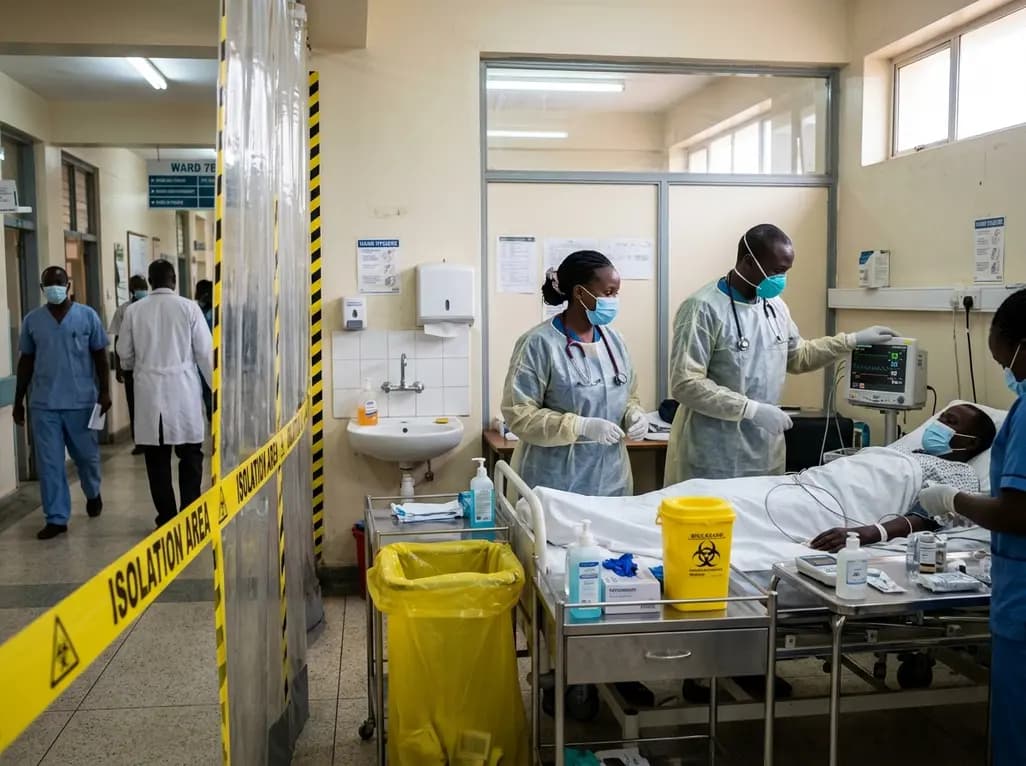
Kenya's confirmation of its eighth Ebola infection highlights the acute risk of secondary transmission in hospital environments. Clinicians must maintain high vigilance, enforce strict infection prevention protocols, and implement rapid triage mechanisms for viral hemorrhagic fevers across healthcare settings.
3 days back
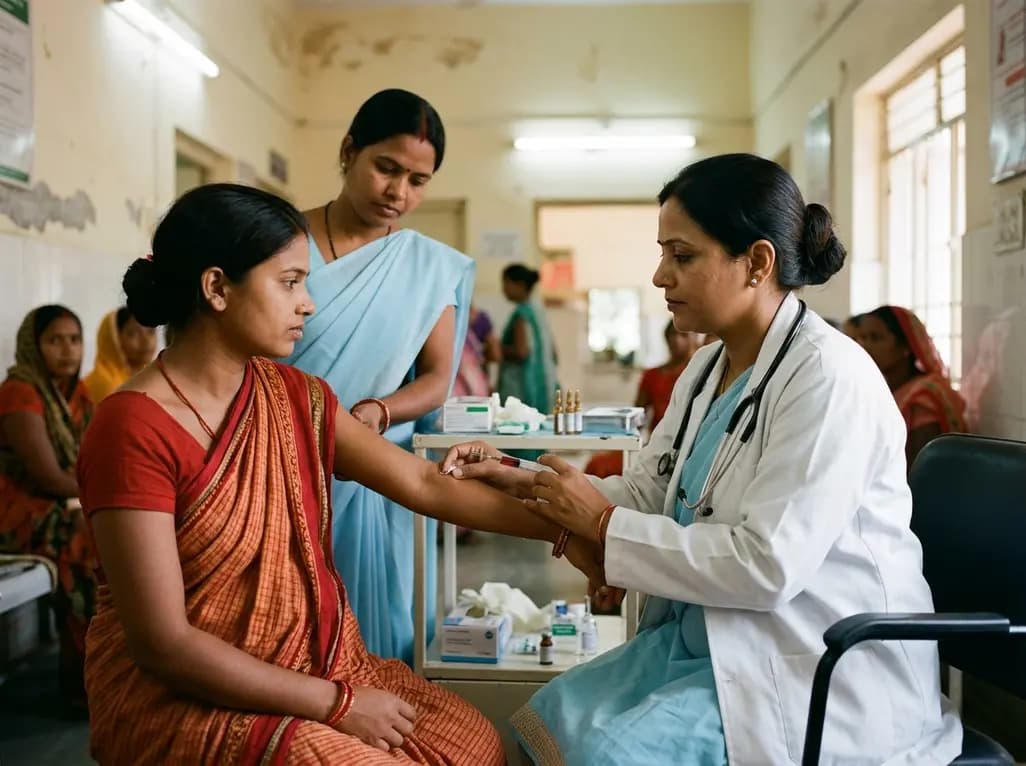
Maternal anaemia contributes to nearly half of pregnancy-related fatalities across India. To prevent complications, Uttar Pradesh has added single-dose parenteral iron to its essential medicines list. This clinical transition aims to restore haemoglobin rapidly and protect high-risk mothers across rural facilities.
Last week

India's food safety authority FSSAI has issued show-cause notices to Gemini Edibles, BigBasket, and Flipkart for unpermitted cardiovascular claims regarding Freedom Rice Bran Oil. This regulatory move highlights the strict enforcement of advertising standards and the clinical necessity of evidence-based lipid care.
5 days back
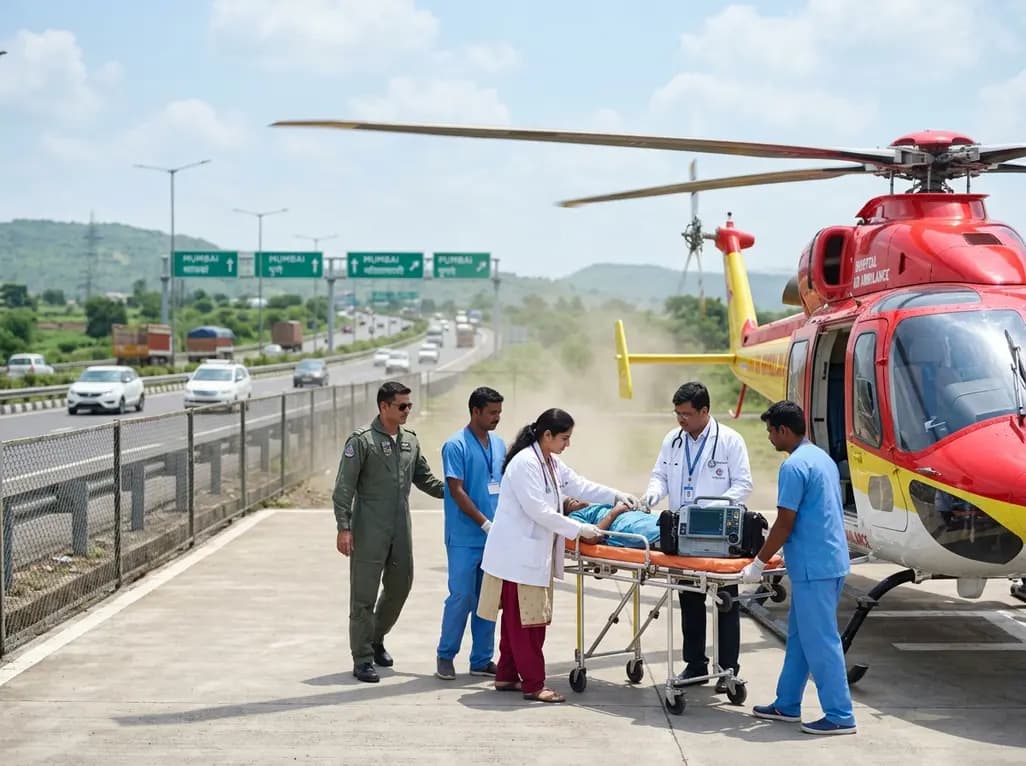
The state government is deploying helicopter emergency medical services across the Mumbai-Pune Expressway, Samruddhi Mahamarg, and Mumbai-Goa Highway. This initiative establishes unified standard operating procedures to enable rapid triage, advanced prehospital resuscitation, and seamless trauma care transfers.
Last week
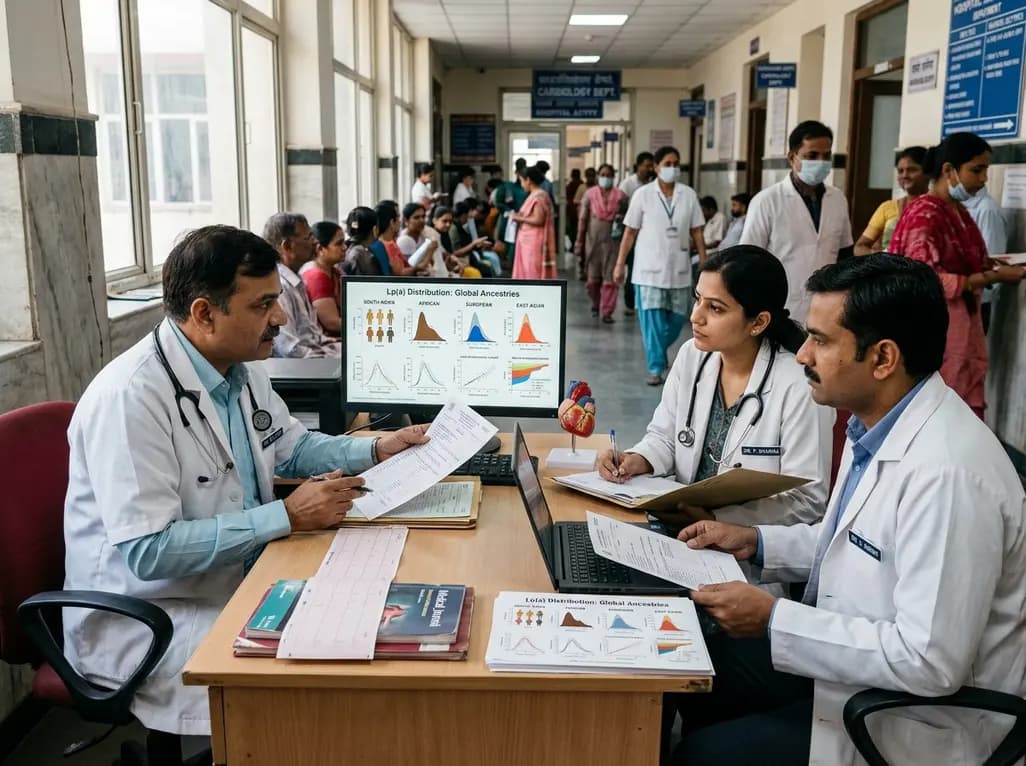
Atherosclerotic cardiovascular disease guidelines often rely on European-derived lipoprotein(a) cutoffs. However, baseline Lp(a) levels vary widely across ancestries, including South Asians and Africans. Clinicians must interpret Lp(a) values within overall absolute cardiovascular risk.
Last week
