.webp&w=384&q=75)

Loading, please wait...
Loading, please wait...
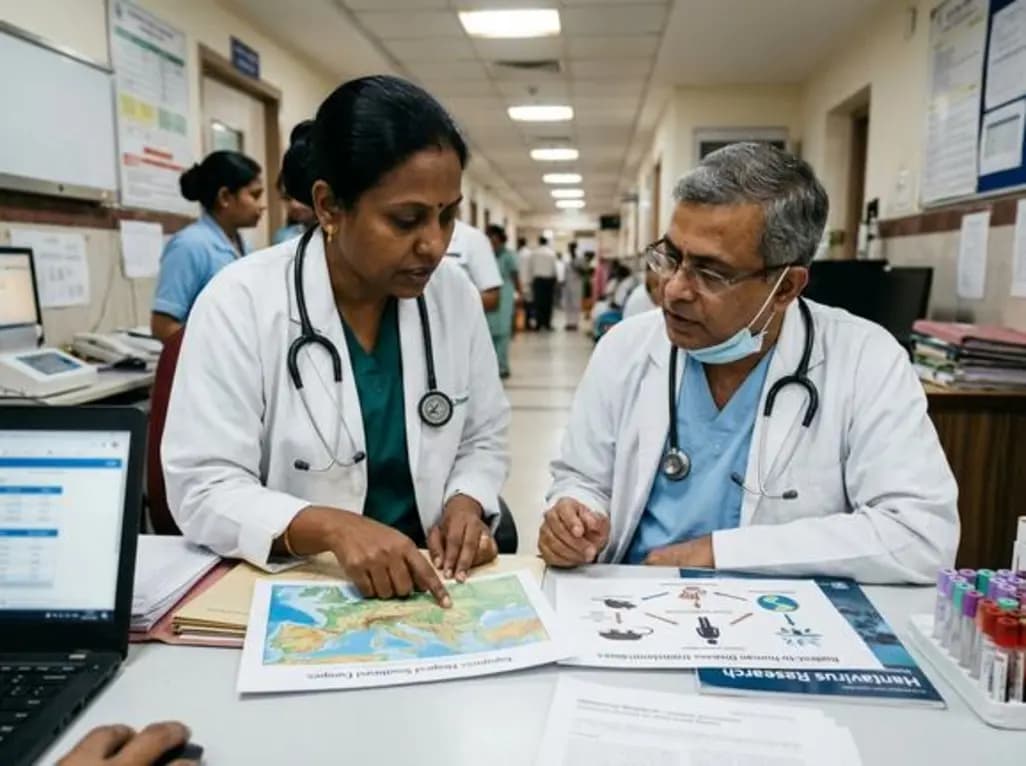
Hantaviruses are transforming from localized rural threats into significant global public health concerns. This shift highlights the growing hantavirus One Health challenge, where environmental changes directly influence disease dynamics. Recent research indicates that climate change and ecological disruptions in Southeast Europe are reshaping the behavior of rodent reservoirs. These factors, alongside land-use changes and increasing human mobility, facilitate higher virus circulation and human exposure. Physicians must now view hantaviruses as climate-sensitive pathogens requiring vigilant, integrated surveillance.
Climate change acts as a powerful catalyst for zoonotic spillover. Rising global temperatures and erratic precipitation patterns create highly favorable conditions for rodent population surges. For example, milder winters in Southeast Europe can lead to significantly higher survival rates for bank voles. Furthermore, fragmented surveillance systems often struggle to track these ecological shifts accurately. Consequently, a multisectoral approach becomes essential for predicting potential outbreaks before they impact human populations.
Mitigating these emerging risks requires more than just traditional clinical intervention. A robust strategy integrates human, veterinary, and meteorological data to form a comprehensive early warning system. Moreover, international travel and fragmented land use mean that localized zoonoses can quickly acquire international relevance. Strengthening regional preparedness involves improving diagnostic capacity and fostering collaboration across diverse scientific disciplines. By adopting this integrated perspective, healthcare systems can better navigate the complexities of environmental threats and protect public health.
Climate change alters rodent habitats and population densities. Warmer temperatures and changing rainfall patterns often lead to years of high food availability, causing rodent populations to explode. This increase in reservoir numbers directly elevates the likelihood of human contact with infected rodent excreta.
The two primary hantaviruses endemic to Southeast Europe are the Dobrava-Belgrade virus and the Puumala virus. These pathogens typically cause Hemorrhagic Fever with Renal Syndrome (HFRS), which ranges from mild illness to severe renal failure depending on the specific viral strain.
A One Health approach is vital because it links the health of humans, animals, and the environment. Since hantavirus transmission depends on ecological triggers, collaboration between doctors, veterinarians, and meteorologists allows for earlier detection and better-coordinated prevention strategies.
Disclaimer: This content is for informational and educational purposes only. It does not constitute medical advice or a professional opinion. Always seek the advice of a qualified healthcare provider for any medical concerns. Refer to the latest local and national guidelines for clinical practice.
References
Arapović J et al. Hantaviruses in Southeast Europe: Climate change, rodent reservoirs, and One Health challenges. Biomol Biomed. 2026 Jun 22. doi: 10.17305/bb.2026.14499. PMID: 42325048.
World Health Organization. Hantavirus: Fact Sheet and Global Outbreak News. 2024.
Centers for Disease Control and Prevention. Hantavirus Ecology and Transmission. 2024.
"
Read summarized clinical updates, watch expert medical content, and earn CME certifications right from your smartphone.
Open your smartphone camera to scan and install.





Hantaviruses are evolving from localized rural diseases into a global public health threat driven by climate change. This article examines the importance of the One Health approach in Southeast Europe to manage rodent reservoirs and prevent zoonotic spillover as environmental conditions shift.
4 months ago
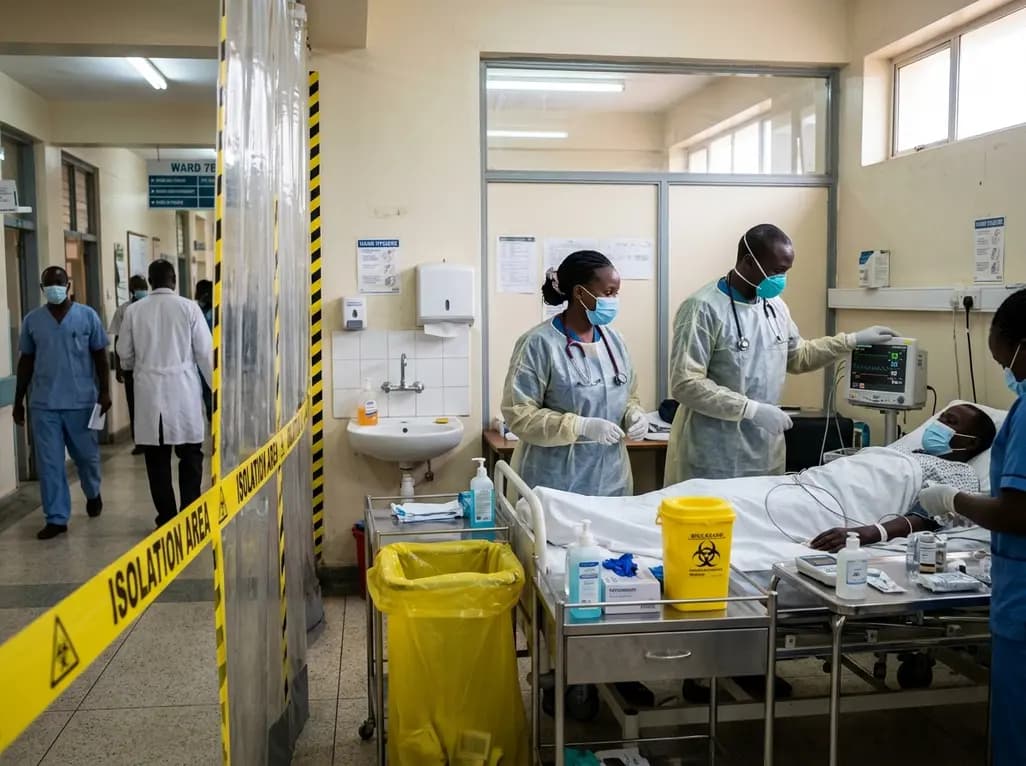
Kenya's confirmation of its eighth Ebola infection highlights the acute risk of secondary transmission in hospital environments. Clinicians must maintain high vigilance, enforce strict infection prevention protocols, and implement rapid triage mechanisms for viral hemorrhagic fevers across healthcare settings.
3 days back
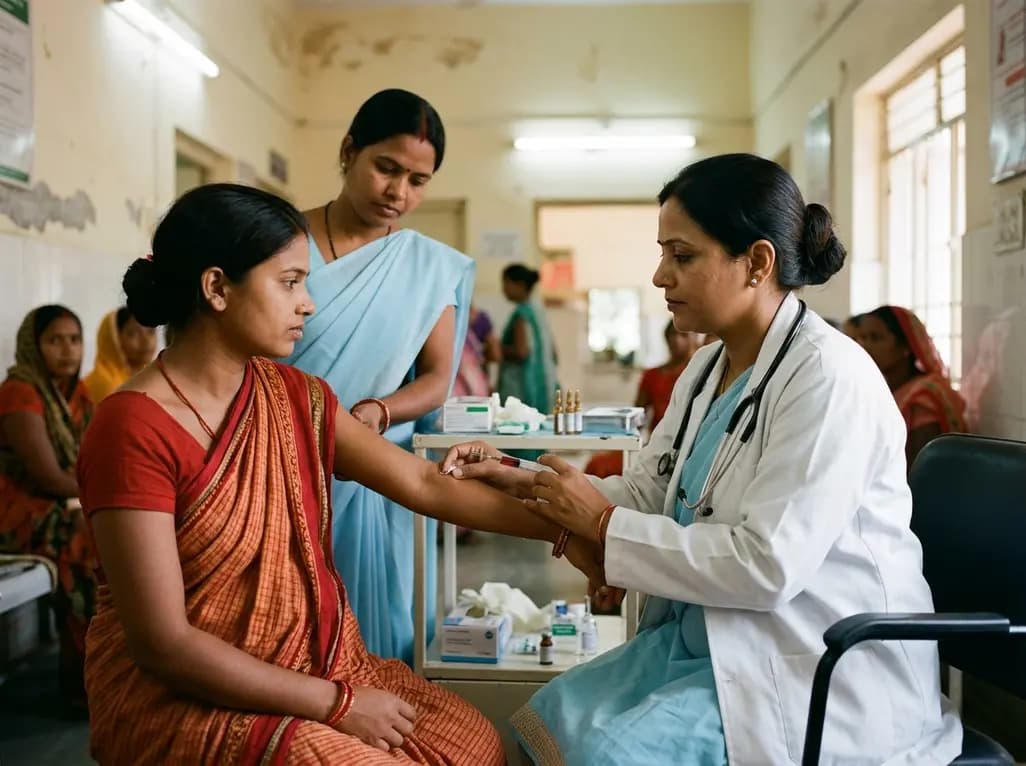
Maternal anaemia contributes to nearly half of pregnancy-related fatalities across India. To prevent complications, Uttar Pradesh has added single-dose parenteral iron to its essential medicines list. This clinical transition aims to restore haemoglobin rapidly and protect high-risk mothers across rural facilities.
Last week

India's food safety authority FSSAI has issued show-cause notices to Gemini Edibles, BigBasket, and Flipkart for unpermitted cardiovascular claims regarding Freedom Rice Bran Oil. This regulatory move highlights the strict enforcement of advertising standards and the clinical necessity of evidence-based lipid care.
5 days back
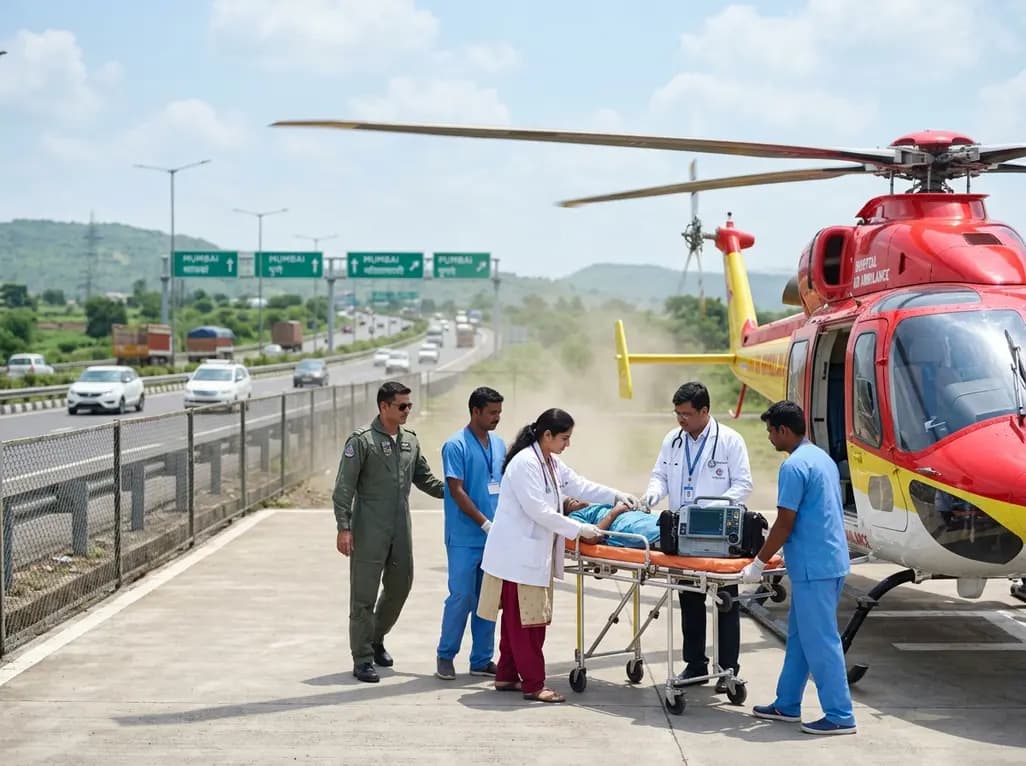
The state government is deploying helicopter emergency medical services across the Mumbai-Pune Expressway, Samruddhi Mahamarg, and Mumbai-Goa Highway. This initiative establishes unified standard operating procedures to enable rapid triage, advanced prehospital resuscitation, and seamless trauma care transfers.
Last week
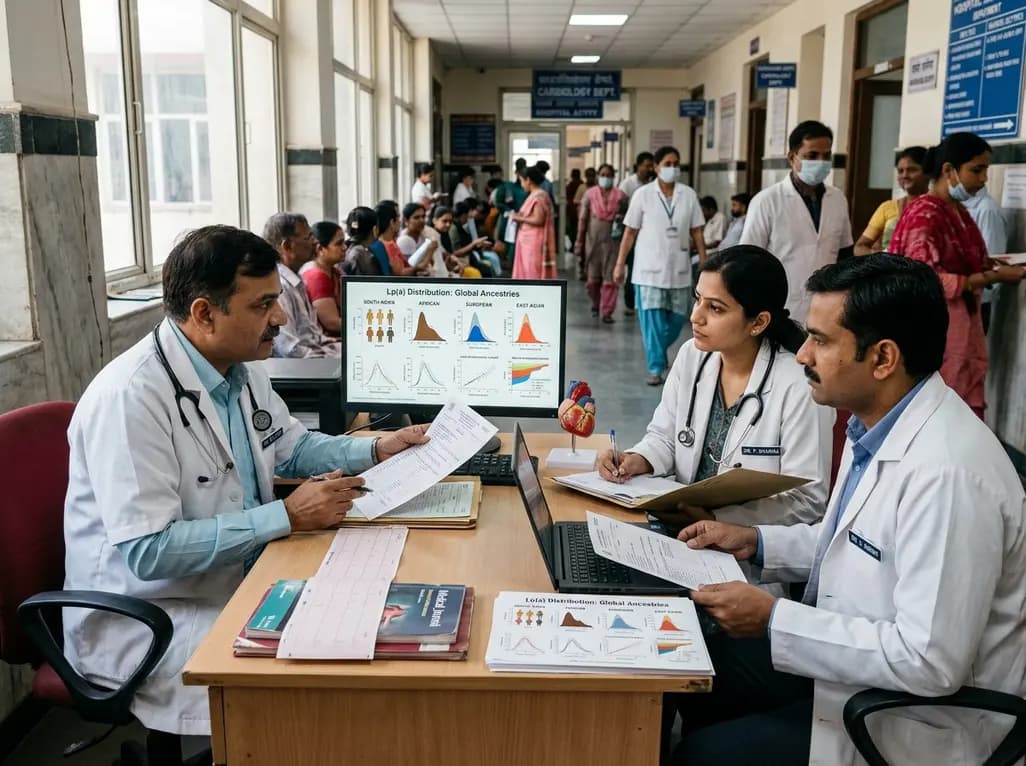
Atherosclerotic cardiovascular disease guidelines often rely on European-derived lipoprotein(a) cutoffs. However, baseline Lp(a) levels vary widely across ancestries, including South Asians and Africans. Clinicians must interpret Lp(a) values within overall absolute cardiovascular risk.
Last week
