.webp&w=384&q=75)

Loading, please wait...
Loading, please wait...

The World Health Organization (WHO) recently confirmed the end of the hantavirus cruise ship outbreak aboard the MV Hondius. This complex public health emergency triggered severe international alarm among infectious disease specialists worldwide. Consequently, global surveillance and quarantine protocols went into immediate effect to contain the potential spread of the pathogen. Today, the final exposed contact tested negative and completed isolation, allowing authorities to declare the crisis over. However, the scientific investigation into this rare virus is only in its early stages. Researchers are actively collaborating to study how the disease progresses, hoping to prevent future global threats.
The MV Hondius, a Dutch-flagged polar exploration vessel, departed from Ushuaia, Argentina, on April 1, 2026. Initially, the cruise planned to navigate remote islands in the South Atlantic Ocean, including Tristan da Cunha. However, tragedy struck when passengers began displaying severe respiratory symptoms while at sea. Subsequently, health officials traced the initial exposure to regions of Argentina where hantaviruses are endemic. Investigations indicate that a passenger likely contracted the pathogen on land prior to boarding. Eventually, the cruise ship headed to Tenerife in Spain's Canary Islands to evacuate the passengers. Following the medical evacuation, the vessel docked in Rotterdam harbor on May 18 for extensive sanitation. Importantly, local health ministries conducted rigorous cleaning and disinfection, allowing the ship to return to sea on May 30. Despite this clearance, authorities continued tracing contacts across multiple continents to ensure complete containment of the virus. In addition, epidemiological teams worked tirelessly to track every potential secondary transmission. This coordinated effort prevented further geographic spread of this dangerous respiratory illness. Consequently, global surveillance networks remained on high alert throughout the entire quarantine period. This systematic monitoring successfully protected public health in all thirty-three involved nations.
Understanding the specific pathogen is critical for analyzing this public health emergency. Hantaviruses typically circulate among wild rodent populations, and humans acquire the infection through contact with rodent excreta. However, the Andes virus strain behind this specific outbreak exhibits a highly unique and concerning characteristic. Specifically, it is the only known hantavirus variant capable of jumping directly from human to human. This person-to-person transmission occurs primarily through close, sustained contact, potentially via aerosolized respiratory droplets. Consequently, the presence of this strain on a cruise ship escalated the global risk assessment. Furthermore, the long incubation period of hantaviruses, which can last up to six weeks, complicated the monitoring process. Healthcare workers had to maintain prolonged vigilance to detect any late-onset cases. Fortunately, the virus does not spread easily in casual public settings, which limited the overall infection rate. Nevertheless, the high case fatality rate of the Andes strain, often reaching 40%, demanded immediate and aggressive quarantine measures. Therefore, epidemiologists focused heavily on isolating infected passengers as soon as symptoms appeared.
Containing the hantavirus cruise ship outbreak required unprecedented cooperation among global health agencies. Indeed, the World Health Organization coordinated surveillance efforts across 33 different countries and territories. In total, health officials tracked more than 650 contacts exposed to the ship's passengers. For instance, this massive tracing effort included healthcare providers, airport staff, and individuals on international flights. Meanwhile, local ministries of health implemented strict quarantine protocols for all repatriated individuals. In the United States, federal officials monitored exposed citizens for a mandatory 42-day period to ensure safety. Similarly, European and Asian nations established isolation wards to handle potential secondary cases. Fortunately, these rigorous contact tracing and isolation efforts proved highly successful. Consequently, no new cases emerged after May 25, demonstrating the effectiveness of the global response. Ultimately, this coordinated strategy successfully prevented a localized cruise ship cluster from turning into a wider global epidemic. Furthermore, the rapid sharing of laboratory data allowed clinicians to make quick diagnostic decisions. As a result, medical teams managed suspected cases with maximum safety and efficiency. In addition, local governments provided excellent support to quarantined passengers throughout this stressful period.
Although the immediate danger has passed, global health experts emphasize that the hard scientific work has just begun. Currently, no licensed vaccines or targeted antiviral therapeutics exist for hantavirus infections. For this reason, the WHO is coordinating a comprehensive clinical study involving 21 countries. This collaborative project aims to analyze the precise biological mechanisms of how the Andes virus develops within the human body. Consequently, researchers hope to use these clinical insights to design effective diagnostic tools and therapeutic agents. Moreover, the study will provide critical data to support the development of preventive vaccines for future outbreaks. Scientists believe that understanding the genomic sequencing of the virus is vital for preparing against future threats. Therefore, research laboratories in Argentina and Chile are analyzing viral samples to map mutations. Ultimately, this international scientific effort will significantly strengthen our collective defense against zoonotic pathogens. By investing in research now, the global community can prevent similar public health crises in the future. Additionally, international funding agencies are prioritizing hantavirus research to accelerate clinical trials for drug candidates.
The MV Hondius incident highlights critical vulnerabilities in international maritime health protocols and disease surveillance. Specifically, the challenges of managing an outbreak on a ship isolated at sea require specialized regulatory solutions. Therefore, the WHO is urging member states to finalize the remaining sections of the Pandemic Agreement. This international treaty aims to establish standardized protocols for border closures, quarantine measures, and vaccine sharing during global health emergencies. Indeed, having a unified regulatory framework would streamline future responses and prevent logistical delays. Furthermore, local health authorities must continue monitoring endemic areas in South America to detect early warning signs. Since rodent populations carry these pathogens, involving local communities in ecological surveillance is absolutely essential. Meanwhile, public health agencies are developing updated guidelines for cruise operators regarding sanitation and medical evacuation. Ultimately, this outbreak serves as a powerful reminder that global health security requires continuous preparedness and rapid international coordination. By learning from these events, nations can build a more resilient global defense system. Consequently, policy makers are hosting global forums to address these systemic healthcare gaps immediately.
Q1: What is the Andes virus and how does it differ from other hantaviruses?
The Andes virus is a specific strain of hantavirus native to South America, primarily Argentina and Chile. While most hantaviruses spread exclusively from infected rodents to humans, the Andes strain is unique because it can transmit directly between humans through close physical contact. This rare characteristic makes it particularly dangerous in confined environments like cruise ships, necessitating immediate isolation and strict quarantine measures to prevent community transmission.
Q2: How was the hantavirus cruise ship outbreak successfully contained?
The containment of this outbreak required a massive international effort coordinated by the World Health Organization. Health authorities identified and tracked over 650 high-risk and low-risk contacts across 33 countries. Exposed individuals completed a rigorous quarantine and monitoring period, while the vessel itself underwent comprehensive cleaning and disinfection. Because no new cases emerged after May 25, the WHO declared the outbreak officially over in early July.
Q3: Are there any approved vaccines or specific treatments for hantavirus?
Currently, there are no licensed vaccines or specific antiviral treatments available for hantaviruses. Clinical management relies primarily on supportive care, such as respiratory assistance and intensive fluid monitoring, which is critical given the high fatality rates. To address this gap, the World Health Organization is coordinating a major study across 21 countries to analyze how the disease develops, which will support future vaccine and therapeutic development.
Disclaimer: This content is for informational and educational purposes only. It does not constitute medical advice or replace professional judgment. Refer to the latest local and national guidelines for clinical practice.
References

Read summarized clinical updates, watch expert medical content, and earn CME certifications right from your smartphone.
Open your smartphone camera to scan and install.





The World Health Organization has officially declared the hantavirus outbreak on the cruise ship MV Hondius over. Highlighting the rare Andes virus strain capable of person-to-person transmission, this article outlines the containment efforts, clinical implications, and future vaccine research initiatives.
3 months ago
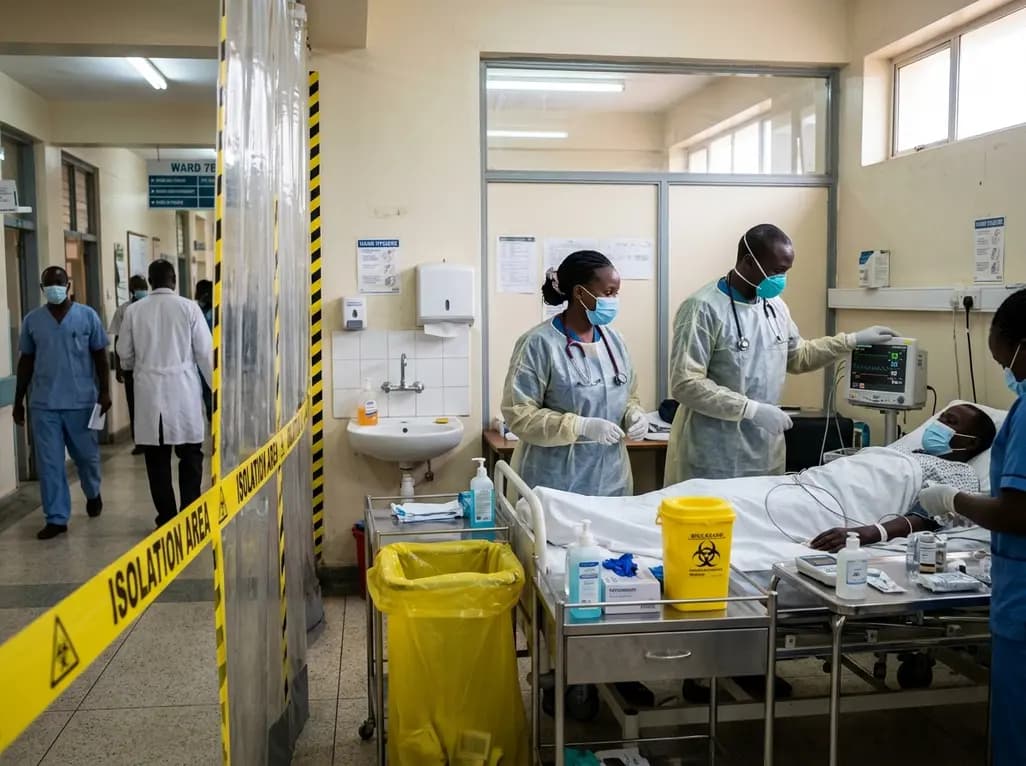
Kenya's confirmation of its eighth Ebola infection highlights the acute risk of secondary transmission in hospital environments. Clinicians must maintain high vigilance, enforce strict infection prevention protocols, and implement rapid triage mechanisms for viral hemorrhagic fevers across healthcare settings.
4 days back
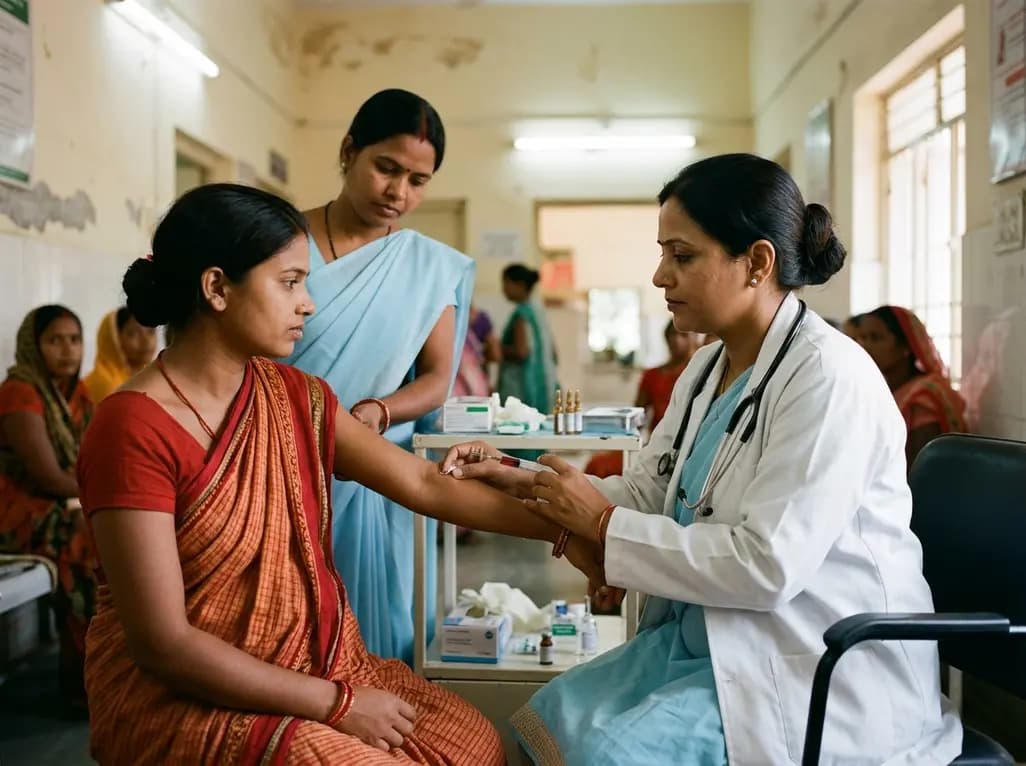
Maternal anaemia contributes to nearly half of pregnancy-related fatalities across India. To prevent complications, Uttar Pradesh has added single-dose parenteral iron to its essential medicines list. This clinical transition aims to restore haemoglobin rapidly and protect high-risk mothers across rural facilities.
Last week

India's food safety authority FSSAI has issued show-cause notices to Gemini Edibles, BigBasket, and Flipkart for unpermitted cardiovascular claims regarding Freedom Rice Bran Oil. This regulatory move highlights the strict enforcement of advertising standards and the clinical necessity of evidence-based lipid care.
6 days back
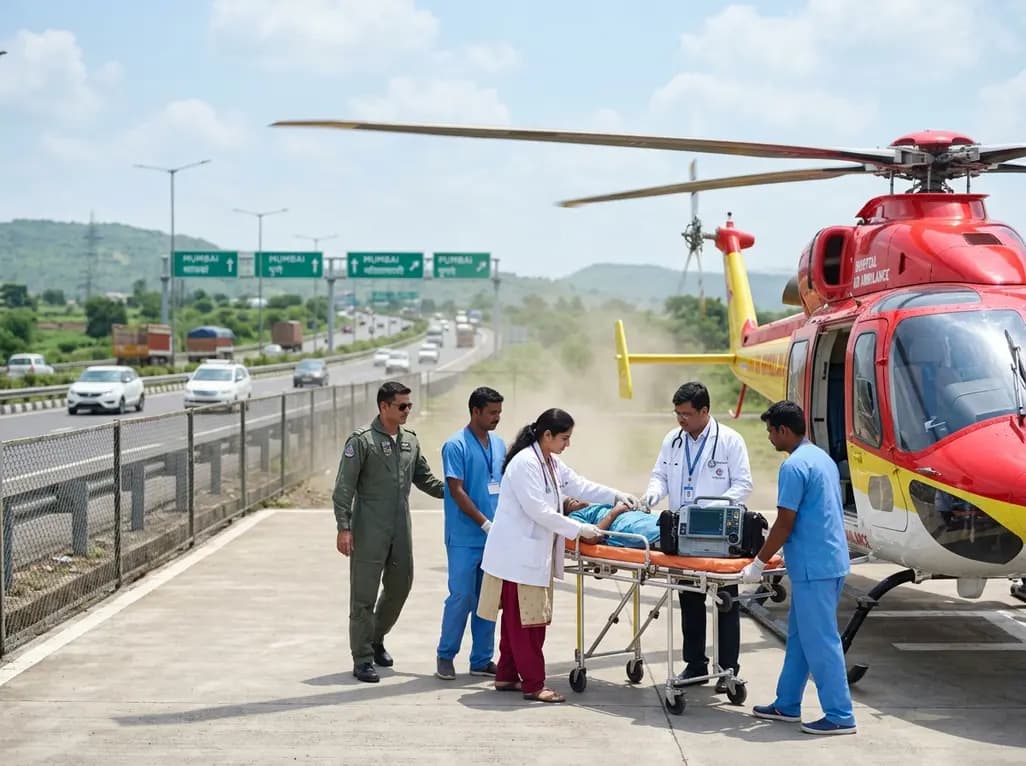
The state government is deploying helicopter emergency medical services across the Mumbai-Pune Expressway, Samruddhi Mahamarg, and Mumbai-Goa Highway. This initiative establishes unified standard operating procedures to enable rapid triage, advanced prehospital resuscitation, and seamless trauma care transfers.
Last week
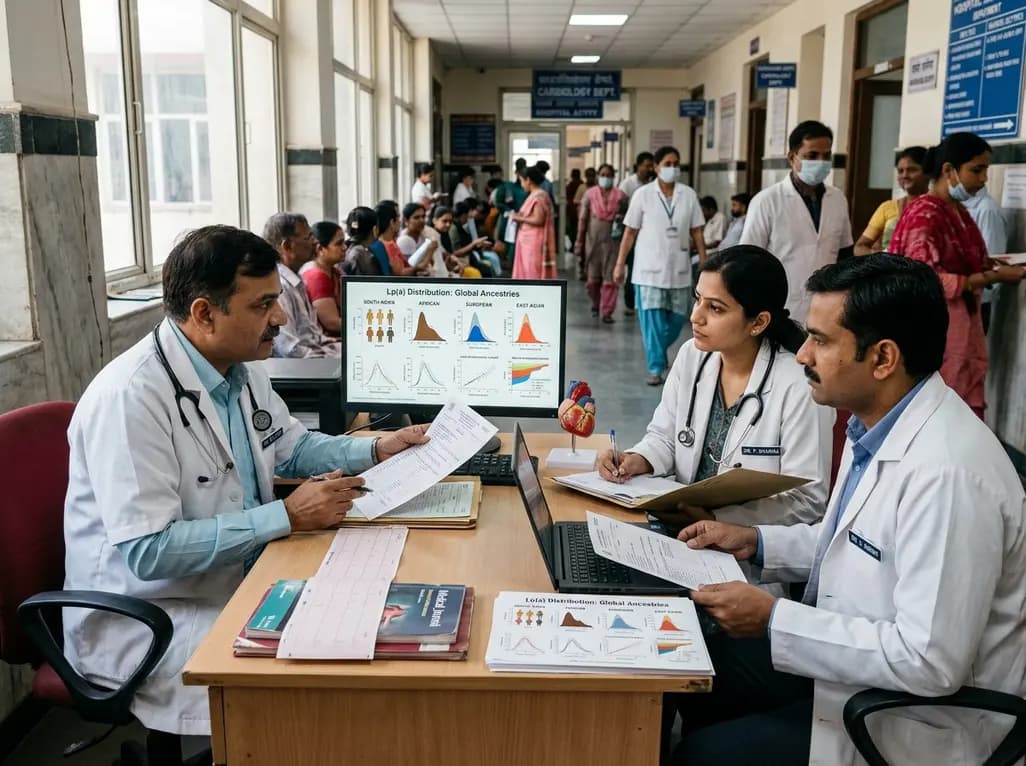
Atherosclerotic cardiovascular disease guidelines often rely on European-derived lipoprotein(a) cutoffs. However, baseline Lp(a) levels vary widely across ancestries, including South Asians and Africans. Clinicians must interpret Lp(a) values within overall absolute cardiovascular risk.
Last week
