.webp&w=384&q=75)

Loading, please wait...
Loading, please wait...
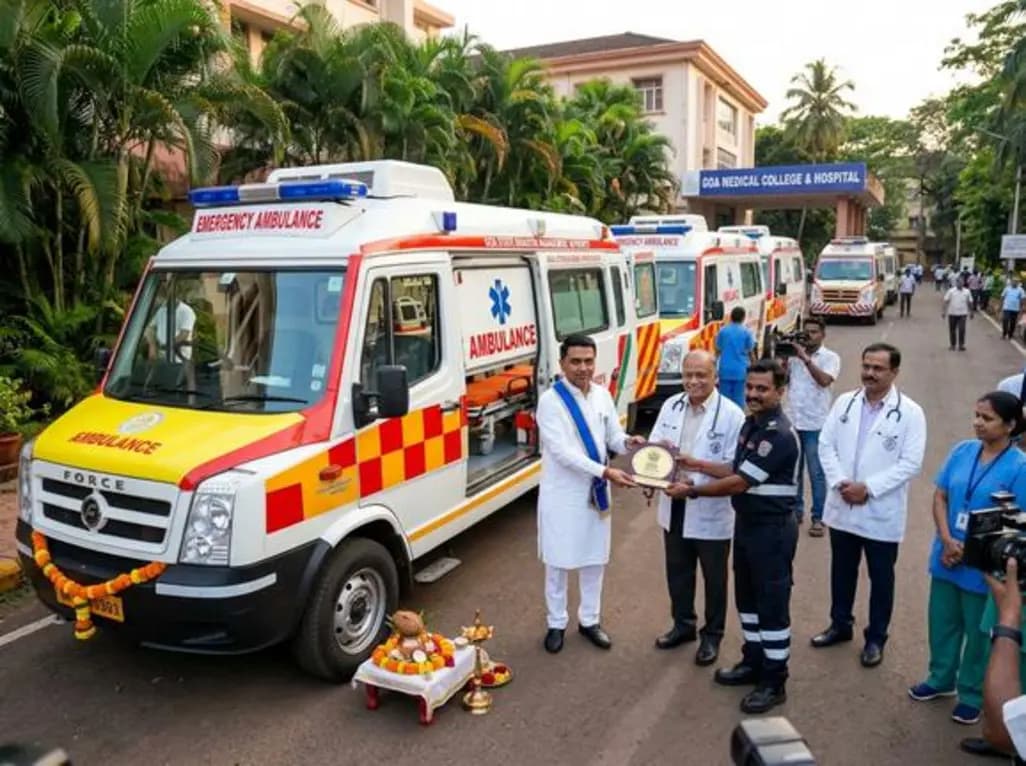
To begin with, Goa Chief Minister Pramod Sawant flagged off four advanced ambulances on Monday. These vehicles will directly strengthen the state's highway medical response system. Consequently, they will ensure faster medical assistance for victims of road accidents and unforeseen disasters. The Directorate of Health Services (DHS) will manage these ambulances to support emergency services across the region.
The state government procured these four advanced emergency vehicles under a dedicated disaster management initiative. This project cost a total of Rs 1.43 crore. Additionally, officials designed these specialized units to target high-risk highway corridors. Chief Minister Sawant emphasized that these vehicles will remain exclusively deployed for highway medical response. Therefore, authorities will not use them for routine patient transfers.
Statistically, the first hour after a severe trauma remains the most critical period for saving lives. By deploying these advanced emergency vehicles, Goa aims to dramatically reduce response times during accidents. Furthermore, this initiative aligns with the government's broader commitment to strengthen local emergency healthcare infrastructure. As a result, the health department can offer rapid, life-saving support during critical roadside emergencies.
Q1: What is the primary purpose of the newly launched ambulances in Goa?
The newly launched ambulances are dedicated exclusively to Goa's highway medical response system. They aim to provide rapid medical care to road accident victims and assist during disasters.
Q2: How much did the Goa government invest in this emergency initiative?
The state government procured the four advanced ambulances under its disaster management initiative for a total cost of Rs 1.43 crore.
Q3: Who will manage and run these highway ambulances?
The Directorate of Health Services (DHS) in Goa will operate these ambulances to ensure timely and professional emergency care along major highway corridors.
Disclaimer: This content is for informational and educational purposes only. It does not constitute medical advice or replace professional judgment. Refer to the latest local and national guidelines for clinical practice.
References

Read summarized clinical updates, watch expert medical content, and earn CME certifications right from your smartphone.
Open your smartphone camera to scan and install.





Goa Chief Minister Pramod Sawant launched four state-of-the-art ambulances under the state's disaster management initiative. Procured for Rs 1.43 crore, these vehicles will improve emergency care response times during road accidents and critical disasters on Goa's key highway routes.
4 months ago
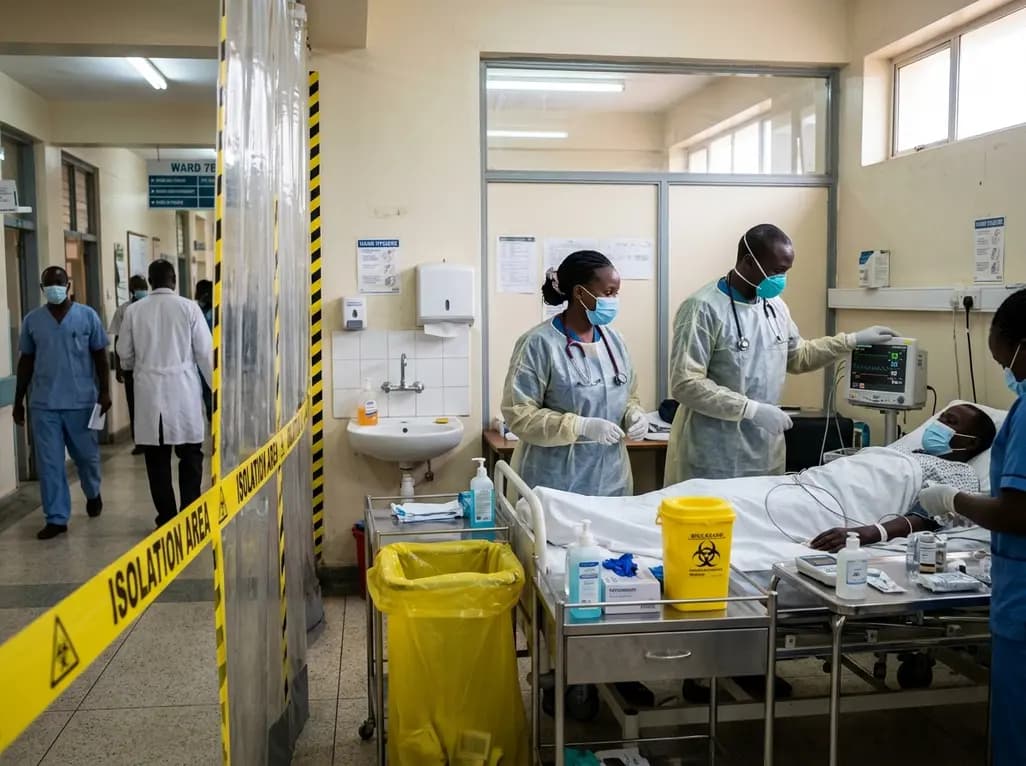
Kenya's confirmation of its eighth Ebola infection highlights the acute risk of secondary transmission in hospital environments. Clinicians must maintain high vigilance, enforce strict infection prevention protocols, and implement rapid triage mechanisms for viral hemorrhagic fevers across healthcare settings.
4 days back
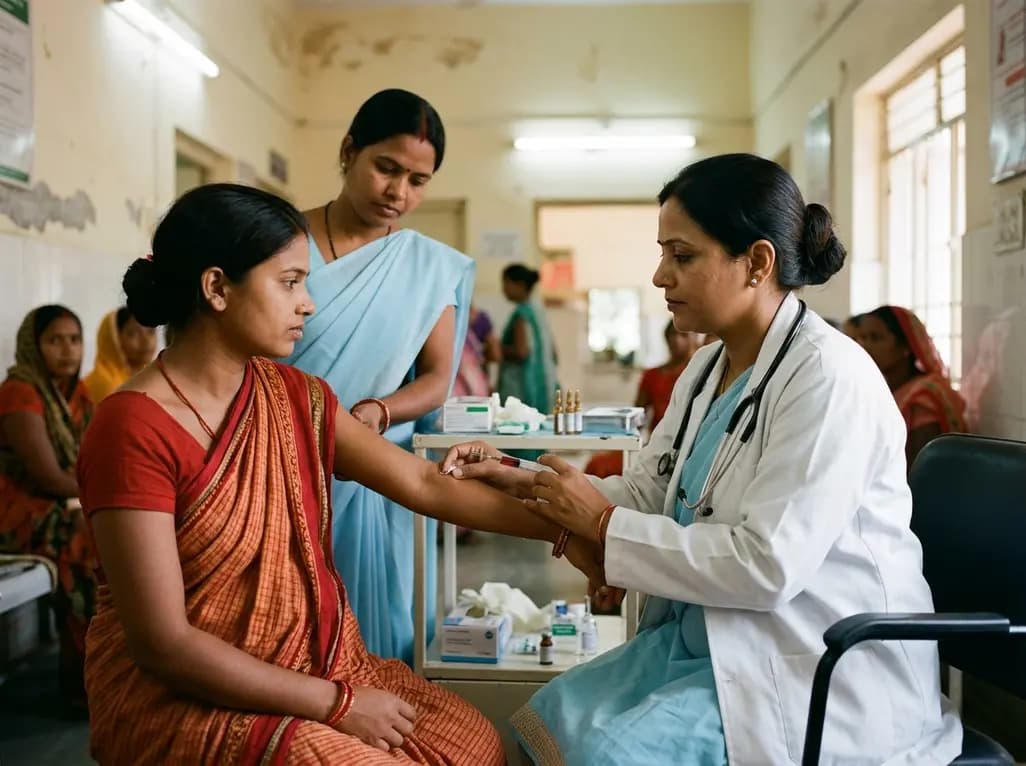
Maternal anaemia contributes to nearly half of pregnancy-related fatalities across India. To prevent complications, Uttar Pradesh has added single-dose parenteral iron to its essential medicines list. This clinical transition aims to restore haemoglobin rapidly and protect high-risk mothers across rural facilities.
Last week
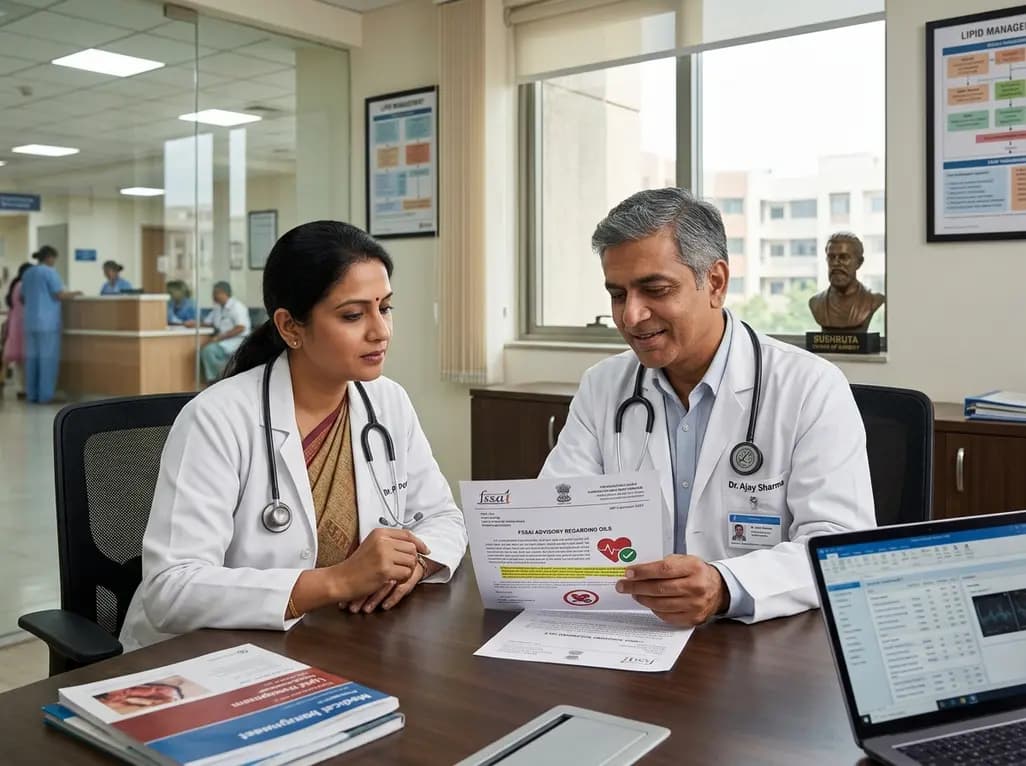
India's food safety authority FSSAI has issued show-cause notices to Gemini Edibles, BigBasket, and Flipkart for unpermitted cardiovascular claims regarding Freedom Rice Bran Oil. This regulatory move highlights the strict enforcement of advertising standards and the clinical necessity of evidence-based lipid care.
6 days back
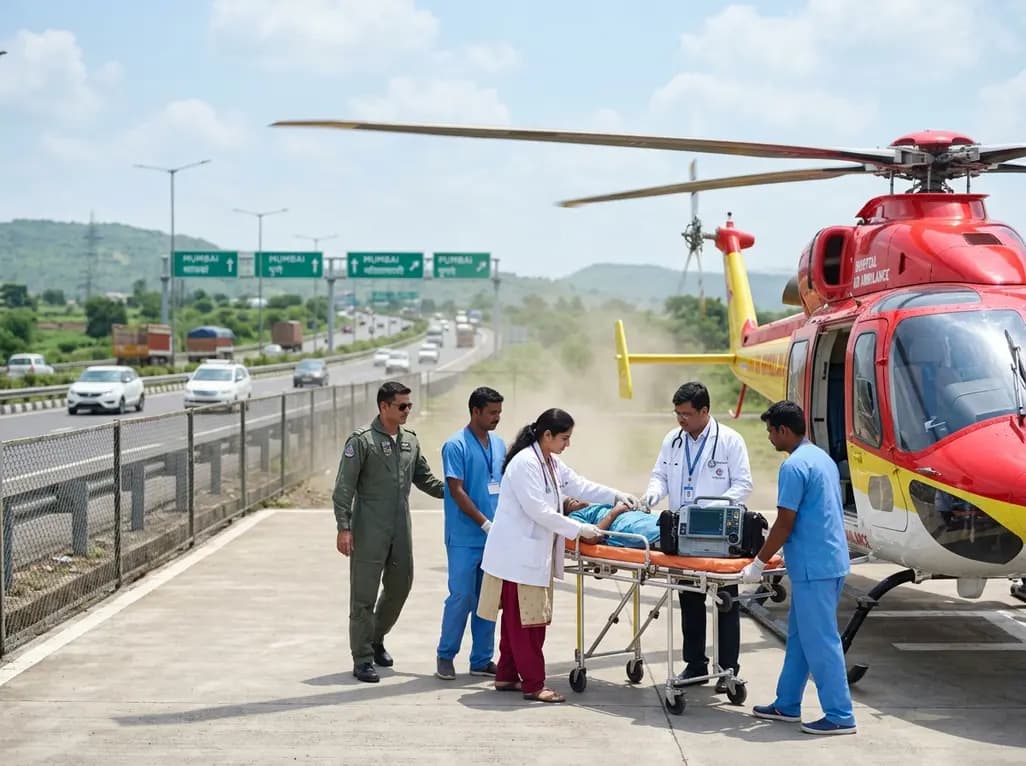
The state government is deploying helicopter emergency medical services across the Mumbai-Pune Expressway, Samruddhi Mahamarg, and Mumbai-Goa Highway. This initiative establishes unified standard operating procedures to enable rapid triage, advanced prehospital resuscitation, and seamless trauma care transfers.
Last week
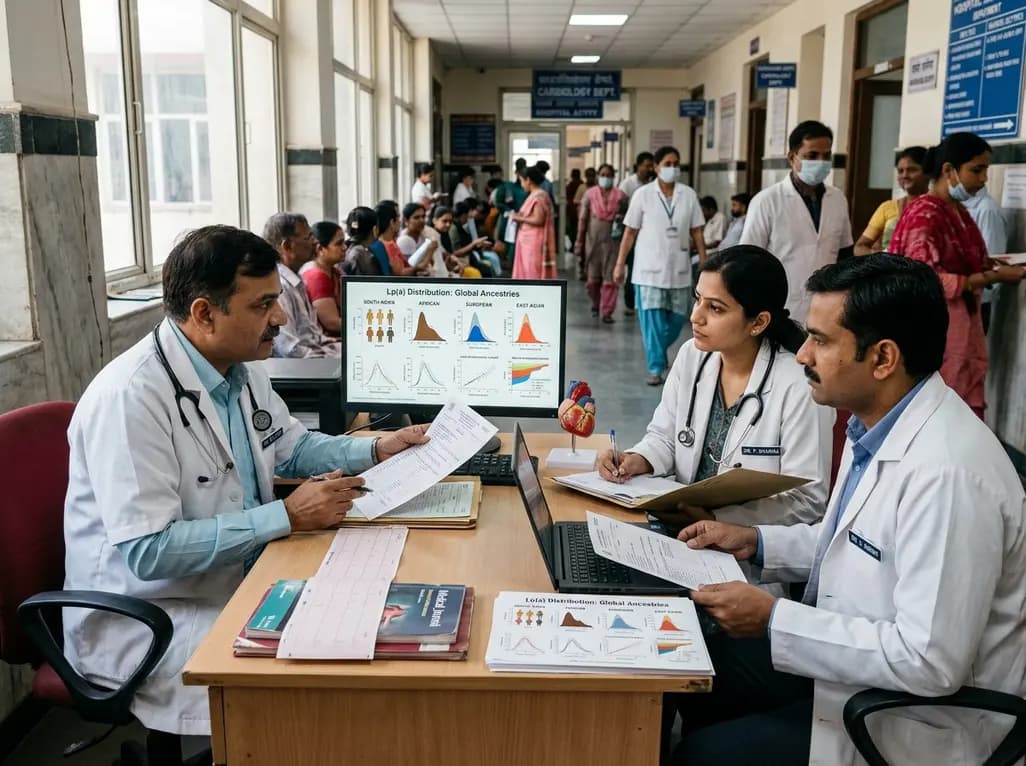
Atherosclerotic cardiovascular disease guidelines often rely on European-derived lipoprotein(a) cutoffs. However, baseline Lp(a) levels vary widely across ancestries, including South Asians and Africans. Clinicians must interpret Lp(a) values within overall absolute cardiovascular risk.
Last week
