.webp&w=384&q=75)

Loading, please wait...
Loading, please wait...
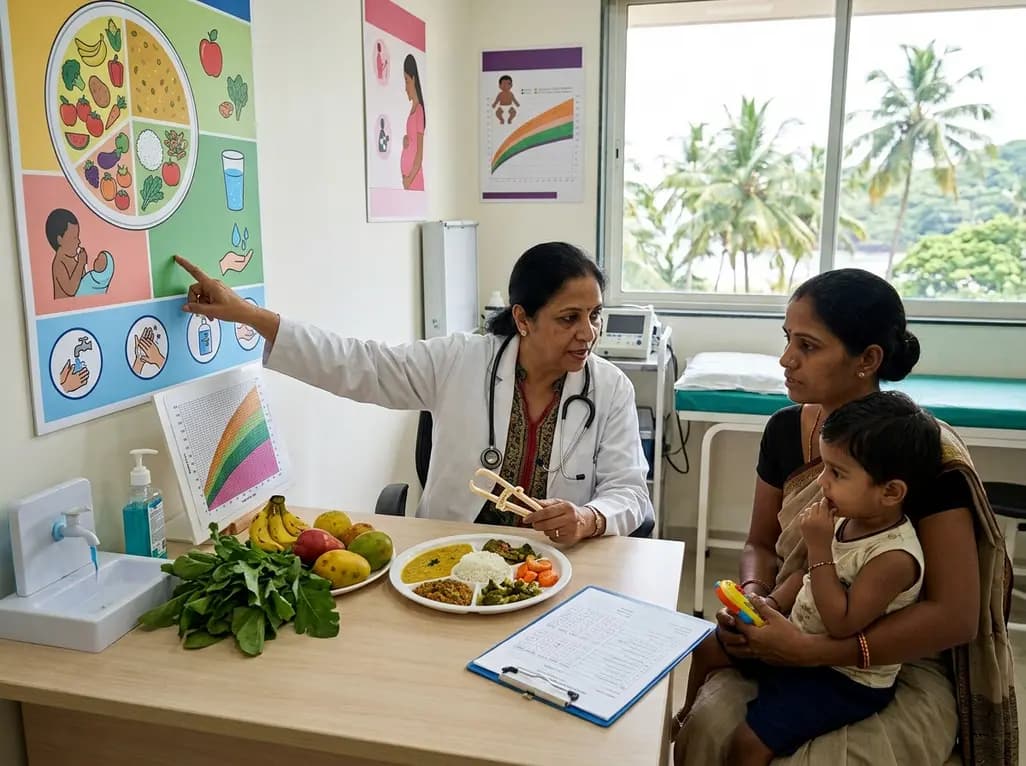
To achieve sustainable health outcomes, the Goa government is targeting specific vulnerable cohorts. Consequently, the study will focus on pregnant women, mothers of children under two years of age, and infants under two years. These groups are particularly susceptible to micronutrient deficiencies and growth faltering. Furthermore, the first one thousand days of a child's life represent a critical window for physical and cognitive development. If caregivers fail to meet nutritional needs during this critical phase, children can suffer from irreversible stunting. Therefore, evaluating the dietary intake of these populations provides essential data for healthcare providers. The assessment will rigorously document current eating habits and food availability. In addition, researchers will analyze how household socio-economic factors influence food choices. This holistic approach ensures that the study looks beyond basic numbers to understand the root causes of nutritional deficits. Ultimately, the collected data will help clinicians and policymakers design tailored nutritional counseling programs. By identifying specific gaps in nutrient consumption, the state can introduce targeted food fortification and supplementary feeding initiatives.
The primary objective of the FNHW study is to establish a clear baseline of maternal and child health in Goa. Consequently, researchers will monitor indicators like anemia prevalence, wasting, and stunting over a prolonged period. By doing so, the state can measure the progress of ongoing health initiatives. Additionally, the study will evaluate the initiation and adequacy of complementary feeding practices. Many mothers in rural areas delay introducing solid foods, which can severely compromise a child's growth. Therefore, understanding local feeding habits is critical for developing effective communication strategies. Another key focus is the integration of water, sanitation, and hygiene (WASH) metrics. Clinical research shows that poor sanitation directly correlates with enteric infections and impaired nutrient absorption. Thus, improving hygiene practices is just as vital as increasing food intake. The study seeks to bridge the gap between food supply and actual physiological utilization. By combining dietary and sanitation assessments, the government hopes to create a multi-sectoral model for public health. This comprehensive strategy will allow local medical professionals to deliver holistic care that extends beyond clinical settings into the community.
To gather robust and actionable data, the study will employ a rigorous mixed-methods approach. Specifically, researchers will combine quantitative surveys with qualitative assessments to gain a multi-dimensional perspective. The quantitative aspect utilizes a cross-sectional study design to estimate program impact. It will compare findings over time, establishing a reliable baseline and subsequent endline measurements. However, the study will not use an experimental control design, focusing instead on real-world population changes. For the qualitative component, researchers will conduct focus group discussions at the village level. These discussions will include at least fifteen participants to ensure diverse community representation. In addition, key informant interviews with healthcare workers will provide valuable context. These qualitative methods are essential because they reveal the social norms that influence dietary behaviors. Quantitative data might show what people eat, but qualitative insights explain why they make those choices. Consequently, this combined methodology allows the government to capture statistical trends and human experiences. Medical educators emphasize that understanding these behavioral nuances is crucial for healthcare policies.
Improving dietary diversity is not merely about increasing caloric intake but ensuring micronutrient adequacy. For instance, diets rich in diverse food groups provide essential vitamins that prevent conditions like gestational anemia. When pregnant women lack access to diverse foods, their infants face a higher risk of low birth weight. Moreover, poor nutrition during pregnancy can lead to long-term developmental challenges for the child. This is why the integration of WASH practices is a major milestone for this study. Contaminated drinking water and poor hand hygiene frequently cause chronic diarrhea in young children. As a result, even if a child consumes nutritious food, their body cannot absorb the nutrients. This condition, known as environmental enteropathy, is a major driver of stunting in developing regions. Therefore, medical professionals must advocate for clean water and sanitation alongside nutritional advice. Addressing these issues simultaneously creates a synergistic effect that amplifies health outcomes. Through this study, the Goa government aims to identify where water sanitation intersects with nutritional status. Consequently, local clinics can offer more comprehensive counseling that covers both dietary habits and hygiene protocols.
For medical practitioners in Goa, the insights from this study will be highly practical. Currently, doctors often treat malnutrition and anemia in isolation without fully understanding the patient's domestic environment. However, the baseline data will expose specific household-level challenges, such as food insecurity and lack of clean water. Consequently, pediatricians and gynecologists can provide more realistic, personalized clinical advice. For example, if a doctor knows that a particular region lacks access to diverse food groups, they can emphasize local, affordable alternatives. Furthermore, the findings will assist in tracking the efficacy of the state's existing health schemes. If certain interventions are failing to improve dietary diversity, public health officials can pivot their strategies. This evidence-based decision-making is vital for optimizing limited healthcare resources. Additionally, the qualitative data from village discussions will help doctors understand common misconceptions regarding complementary feeding. Many families avoid giving nutritious foods to infants due to local myths. By identifying these barriers, clinicians can engage in targeted patient education. Thus, the FNHW study will empower doctors to become more effective advocates.
Q1: What is the primary focus of the Food, Nutrition, Health, and WASH (FNHW) study in Goa?
The study primarily focuses on assessing dietary diversity among pregnant women, mothers, and infants. Additionally, it evaluates household food security and complementary feeding. By integrating water, sanitation, and hygiene (WASH) metrics, the study investigates how hygiene influences nutritional outcomes. Ultimately, this comprehensive assessment establishes a clear baseline to monitor health indicators and guide future clinical and policy interventions across Goa.
Q2: Why is the FNHW study using a mixed-method approach?
A mixed-method approach combines quantitative and qualitative techniques to provide a comprehensive understanding of nutrition. Quantitative tools help estimate the program's impact and track statistical trends over time. Meanwhile, qualitative methods like focus group discussions and interviews reveal cultural beliefs and social barriers that shape eating habits. Consequently, this combined strategy allows researchers to gather robust data and design effective behavioral change communication campaigns.
Q3: How will the findings of this study benefit pediatricians and other healthcare professionals in India?
This study provides localized, evidence-based insights into household food security and hygiene challenges in Goa. Consequently, pediatricians and obstetricians can move beyond generic advice and offer tailored clinical counseling. Understanding regional dietary gaps helps clinicians recommend affordable, local nutrient-dense foods. Furthermore, these findings guide the optimization of state-level health schemes, enabling healthcare professionals to deliver impactful, preventive care that addresses real-world patient challenges.
Disclaimer: This content is for informational and educational purposes only. It does not constitute medical advice or replace professional judgment. Refer to the latest local and national guidelines for clinical practice.
References

Read summarized clinical updates, watch expert medical content, and earn CME certifications right from your smartphone.
Open your smartphone camera to scan and install.





Goa is launching a comprehensive Food, Nutrition, Health, and WASH (FNHW) study to assess dietary diversity among women and children. This mixed-method study establishes a baseline to monitor maternal and child nutrition, food security, and complementary feeding practices, paving the way for evidence-based interventions.
3 months ago
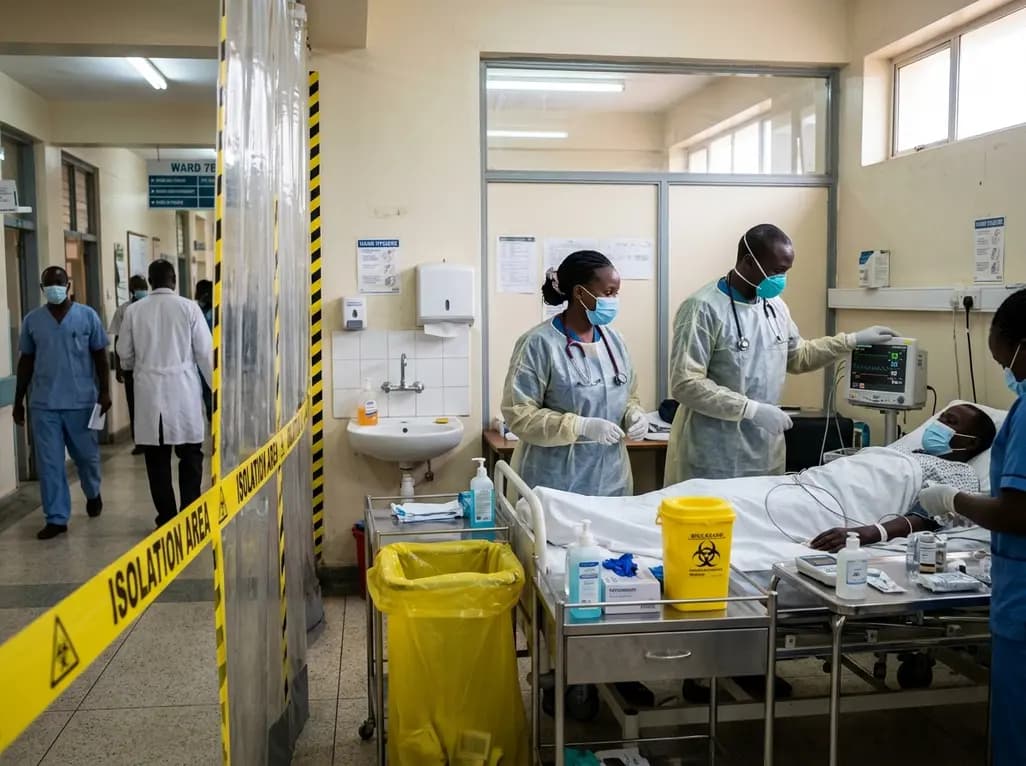
Kenya's confirmation of its eighth Ebola infection highlights the acute risk of secondary transmission in hospital environments. Clinicians must maintain high vigilance, enforce strict infection prevention protocols, and implement rapid triage mechanisms for viral hemorrhagic fevers across healthcare settings.
4 days back
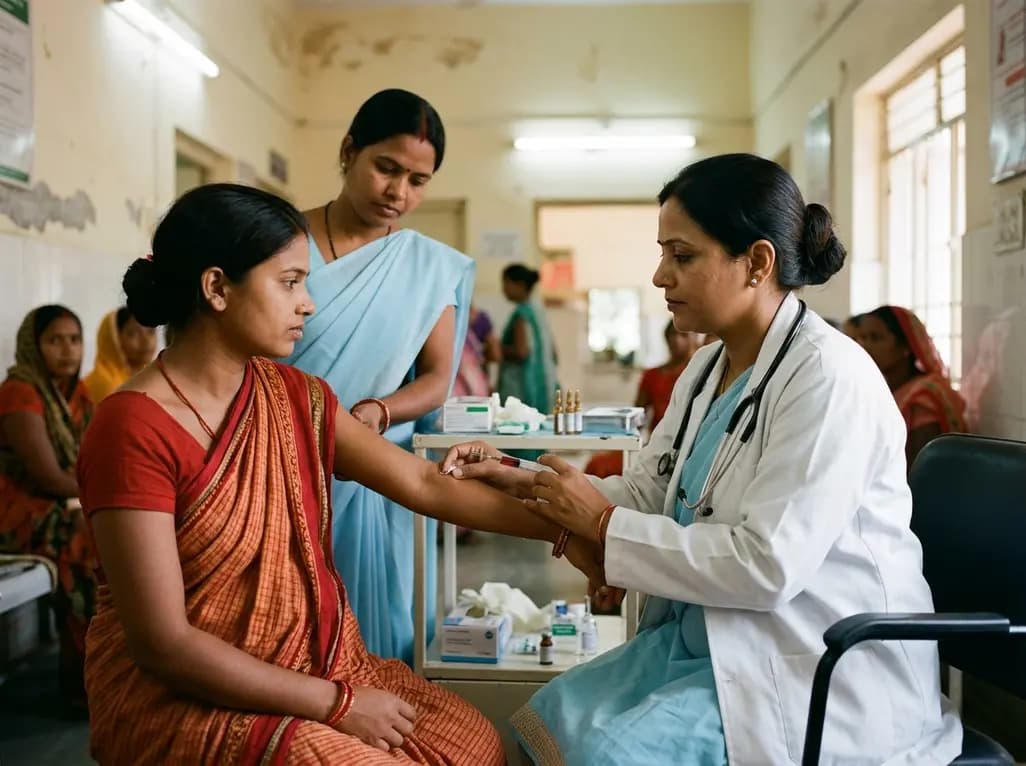
Maternal anaemia contributes to nearly half of pregnancy-related fatalities across India. To prevent complications, Uttar Pradesh has added single-dose parenteral iron to its essential medicines list. This clinical transition aims to restore haemoglobin rapidly and protect high-risk mothers across rural facilities.
Last week
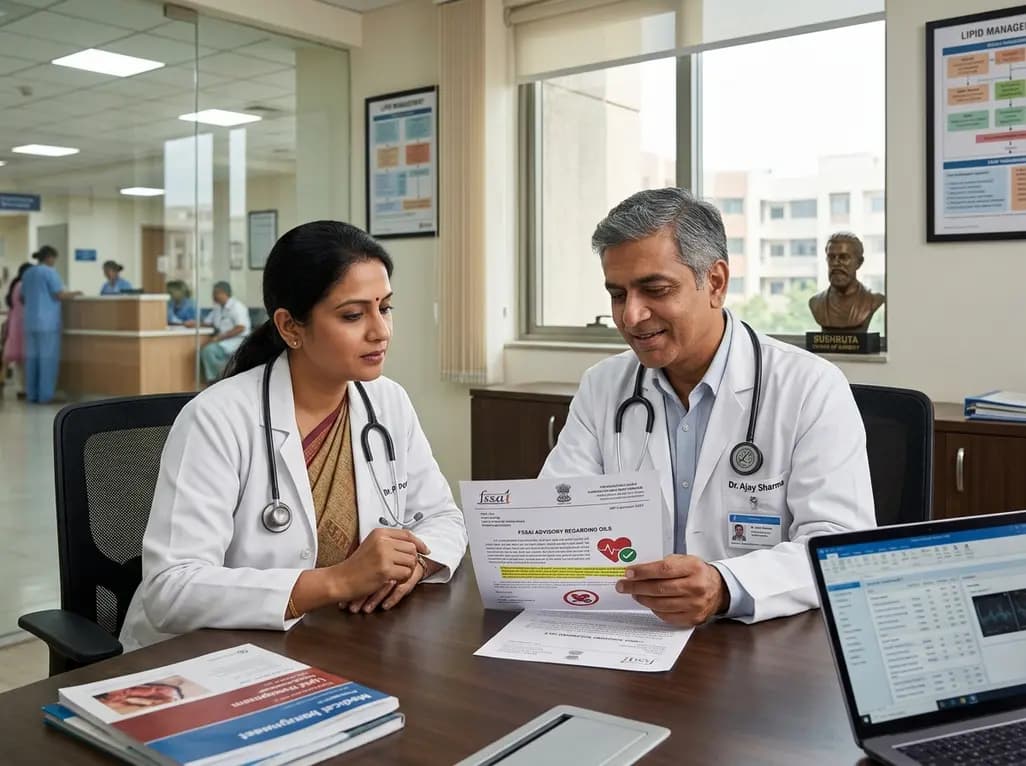
India's food safety authority FSSAI has issued show-cause notices to Gemini Edibles, BigBasket, and Flipkart for unpermitted cardiovascular claims regarding Freedom Rice Bran Oil. This regulatory move highlights the strict enforcement of advertising standards and the clinical necessity of evidence-based lipid care.
6 days back
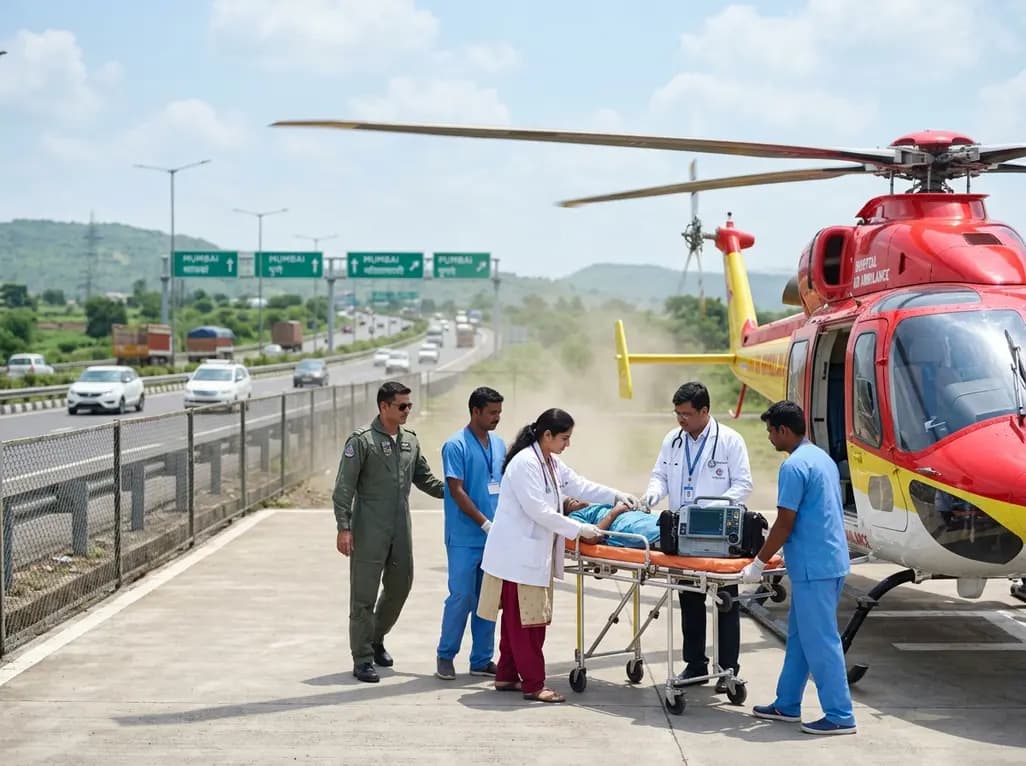
The state government is deploying helicopter emergency medical services across the Mumbai-Pune Expressway, Samruddhi Mahamarg, and Mumbai-Goa Highway. This initiative establishes unified standard operating procedures to enable rapid triage, advanced prehospital resuscitation, and seamless trauma care transfers.
Last week
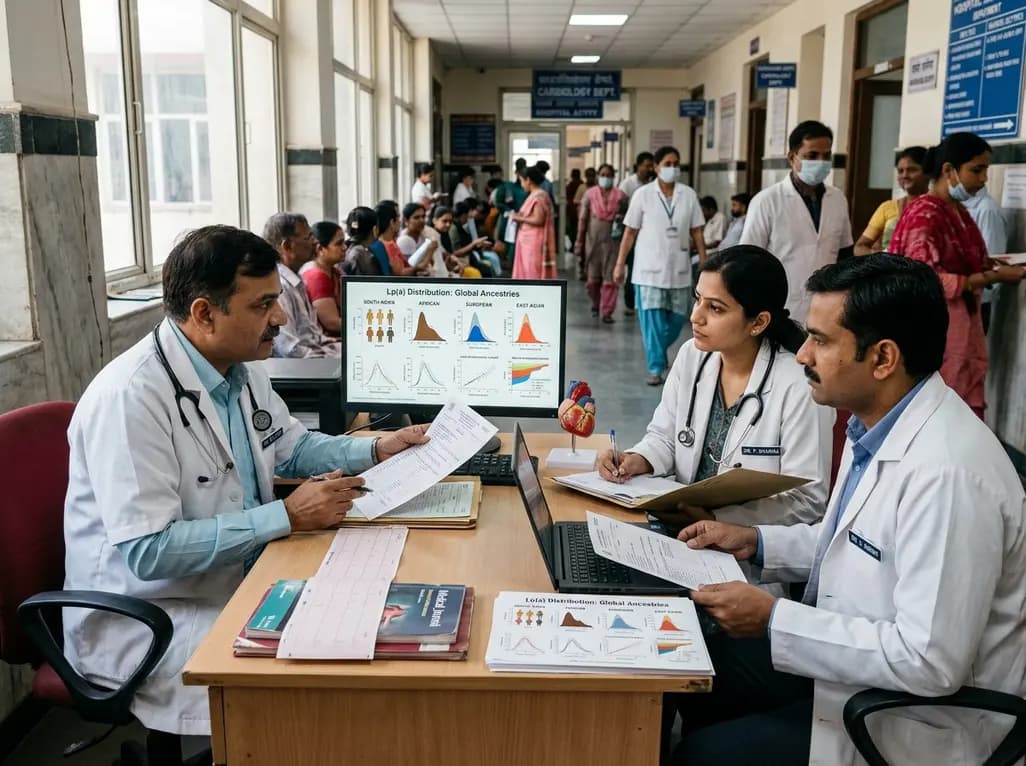
Atherosclerotic cardiovascular disease guidelines often rely on European-derived lipoprotein(a) cutoffs. However, baseline Lp(a) levels vary widely across ancestries, including South Asians and Africans. Clinicians must interpret Lp(a) values within overall absolute cardiovascular risk.
Last week
