.webp&w=384&q=75)

Loading, please wait...
Loading, please wait...
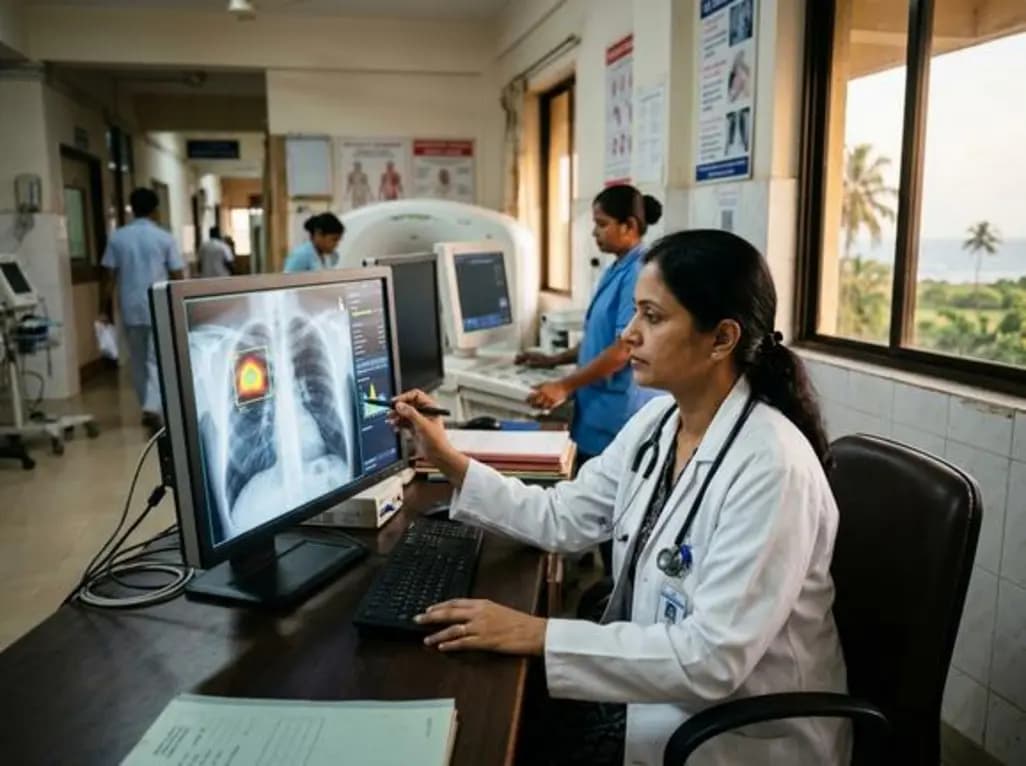
Goa has achieved a remarkable milestone in preventive healthcare by completing over 1.37 lakh screenings. Specifically, the state's free, digital AI lung cancer screening initiative has revolutionized early disease detection. In collaboration with AstraZeneca India and Qure.ai, the Goa government aims to make critical diagnostics affordable and accessible. Health Minister Vishwajit Rane shared this milestone on X on Friday. Consequently, this advanced technology ensures that clinical teams can identify high-risk pulmonary nodules early.
Moreover, the deployment of artificial intelligence inside Goa's public health facilities addresses a critical clinical challenge. Usually, clinicians diagnose lung cancer at very advanced stages, which limits treatment success. However, Goa's digital health infrastructure now embeds the AI software directly into routine workflows. Because of this integration, every routine chest X-ray taken at a government facility undergoes automatic triaging. Therefore, clinicians can detect unsuspected or incidental nodules without requesting extra, expensive diagnostic steps. This proactive approach ensures timely interventions and improves long-term outcomes for patients.
Additionally, the state has established a highly structured care pathway to support the automated triage program. First, digital diagnostic machines across public health centers capture the initial X-ray scans. Second, the AI algorithm flags abnormal patterns instantly and notifies the on-site clinical team. Following this alert, dedicated patient navigators help high-risk patients schedule confirmatory low-dose computed tomography scans. Finally, the state government provides these services entirely free of charge, eliminating financial barriers. Thus, Goa is setting a national benchmark for scalable digital health interventions.
Q1: How does the AI lung cancer screening tool work in Goa?
The AI software integrates directly with digital X-ray machines in public health centers. Therefore, it automatically reviews chest X-ray images for high-risk pulmonary abnormalities in real time and flags potential issues immediately.
Q2: Who can access this screening service?
All citizens visiting public health centers in Goa can access this service free of charge. Specifically, the initiative aims to provide equitable, advanced diagnostics to high-risk groups, including heavy smokers and senior citizens.
Disclaimer: This content is for informational and educational purposes only. It does not constitute medical advice or replace professional judgment. Refer to the latest local and national guidelines for clinical practice.
References

Read summarized clinical updates, watch expert medical content, and earn CME certifications right from your smartphone.
Open your smartphone camera to scan and install.





Goa's pioneering public healthcare initiative has successfully completed over 1.37 lakh free, AI-powered lung cancer screenings. In collaboration with AstraZeneca and Qure.ai, this state-wide program embeds advanced radiology algorithms to identify early-stage thoracic abnormalities and save lives.
4 months ago
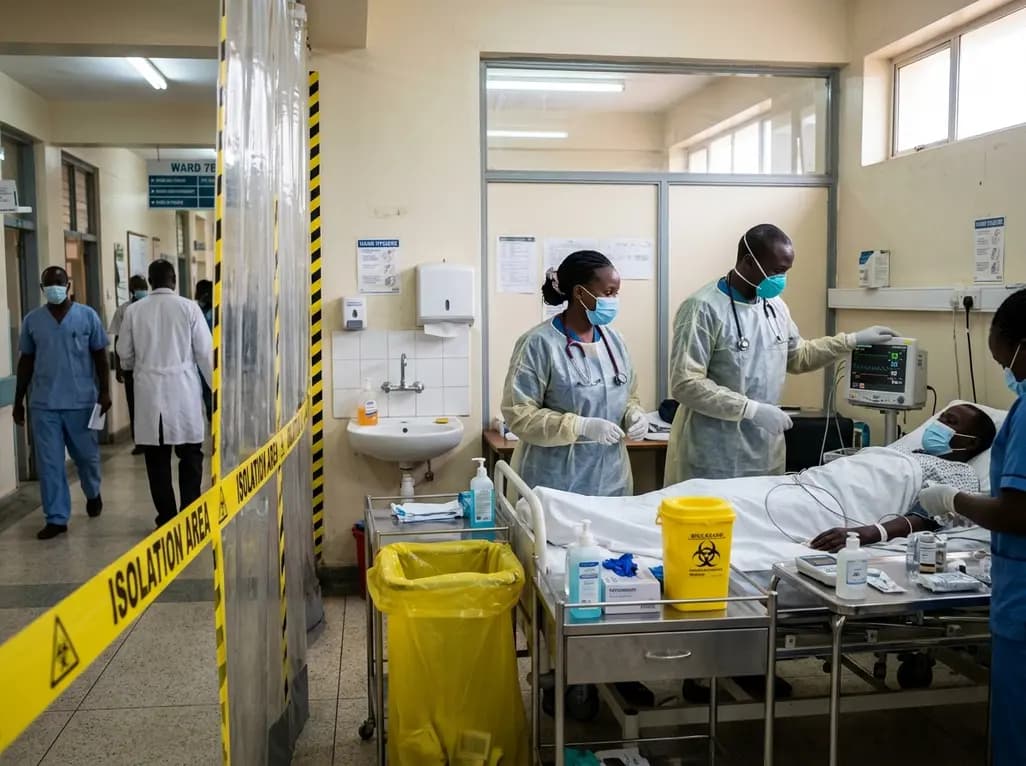
Kenya's confirmation of its eighth Ebola infection highlights the acute risk of secondary transmission in hospital environments. Clinicians must maintain high vigilance, enforce strict infection prevention protocols, and implement rapid triage mechanisms for viral hemorrhagic fevers across healthcare settings.
4 days back
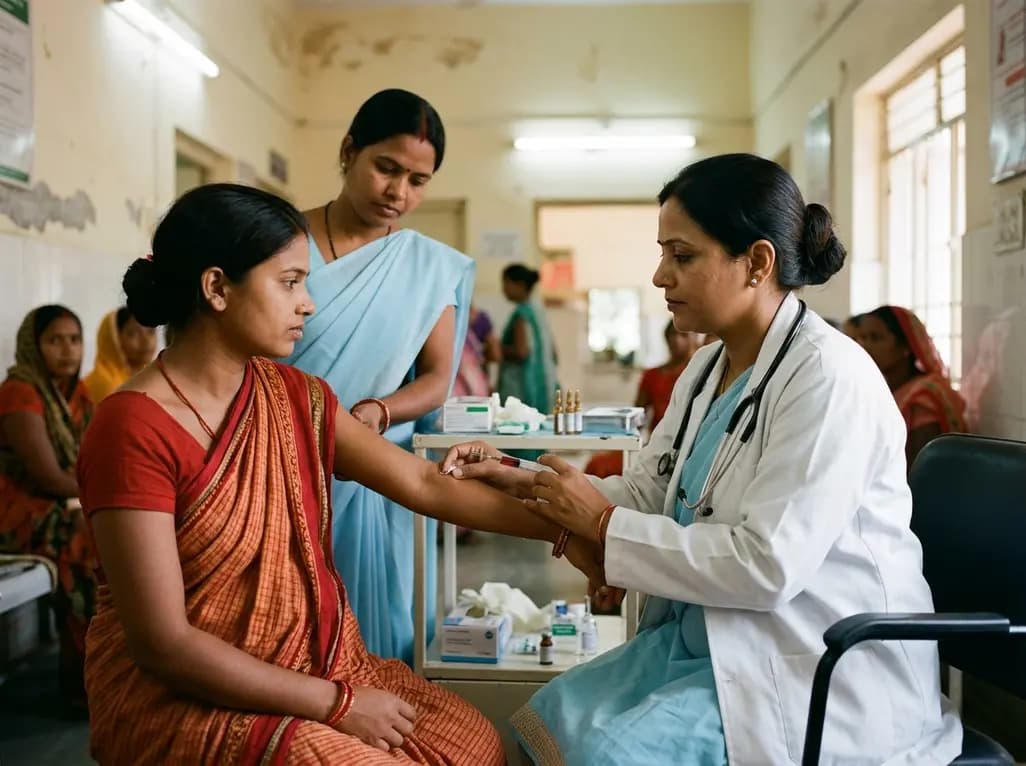
Maternal anaemia contributes to nearly half of pregnancy-related fatalities across India. To prevent complications, Uttar Pradesh has added single-dose parenteral iron to its essential medicines list. This clinical transition aims to restore haemoglobin rapidly and protect high-risk mothers across rural facilities.
Last week
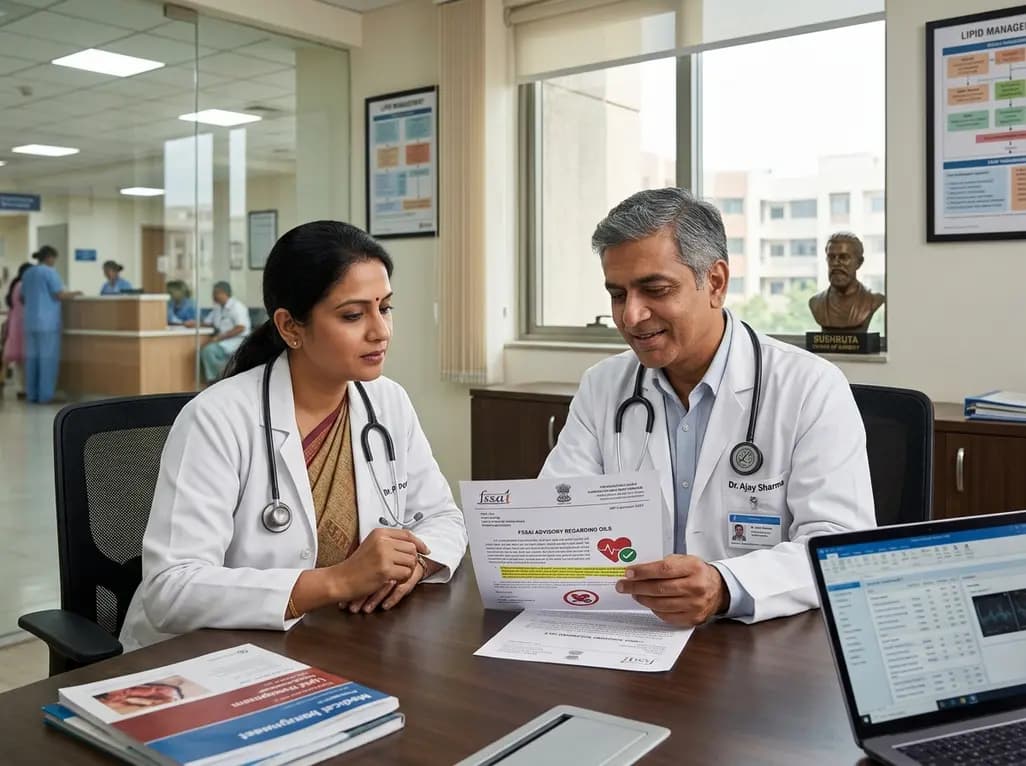
India's food safety authority FSSAI has issued show-cause notices to Gemini Edibles, BigBasket, and Flipkart for unpermitted cardiovascular claims regarding Freedom Rice Bran Oil. This regulatory move highlights the strict enforcement of advertising standards and the clinical necessity of evidence-based lipid care.
6 days back
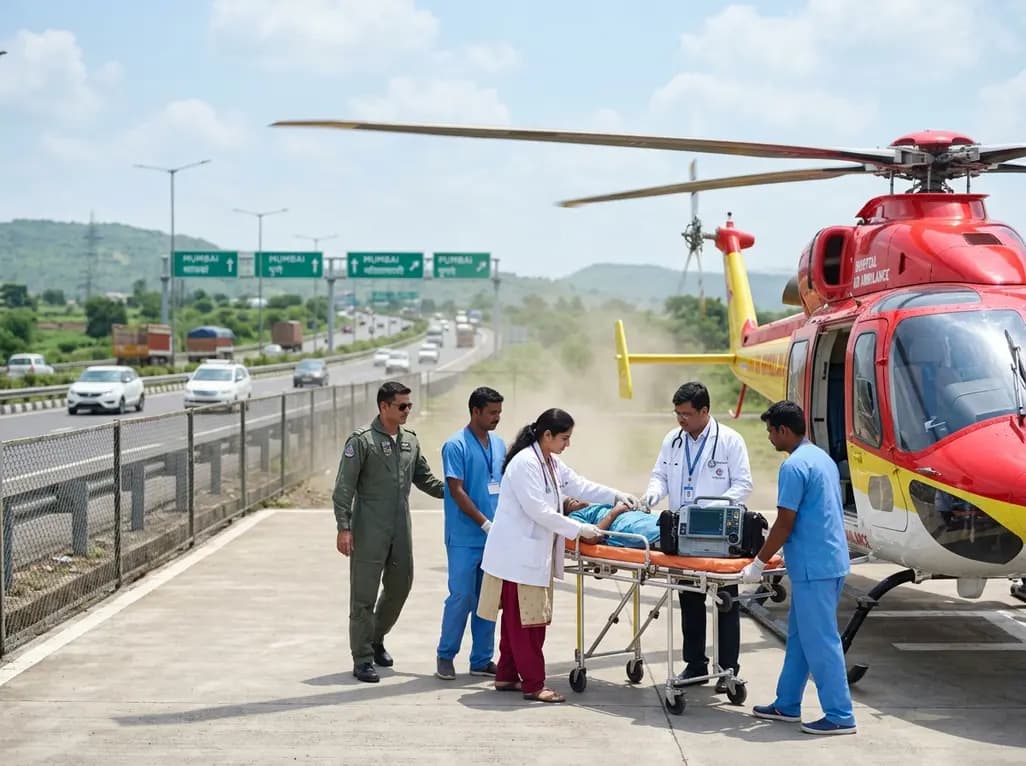
The state government is deploying helicopter emergency medical services across the Mumbai-Pune Expressway, Samruddhi Mahamarg, and Mumbai-Goa Highway. This initiative establishes unified standard operating procedures to enable rapid triage, advanced prehospital resuscitation, and seamless trauma care transfers.
Last week
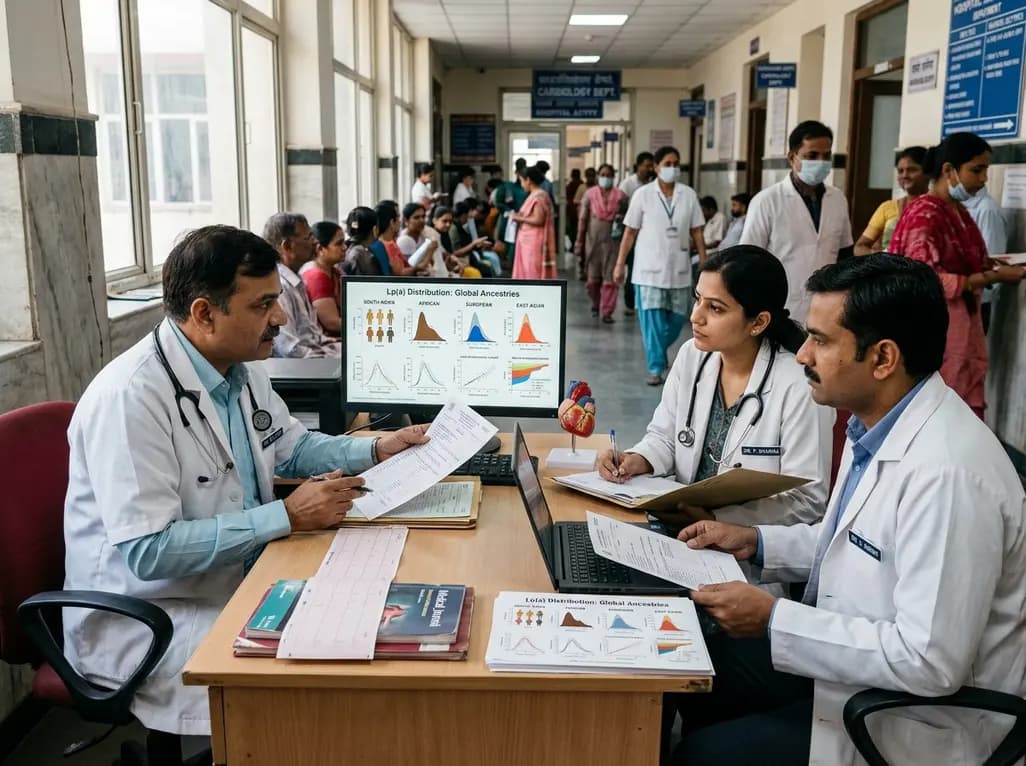
Atherosclerotic cardiovascular disease guidelines often rely on European-derived lipoprotein(a) cutoffs. However, baseline Lp(a) levels vary widely across ancestries, including South Asians and Africans. Clinicians must interpret Lp(a) values within overall absolute cardiovascular risk.
Last week
