.webp&w=384&q=75)

Loading, please wait...
Loading, please wait...
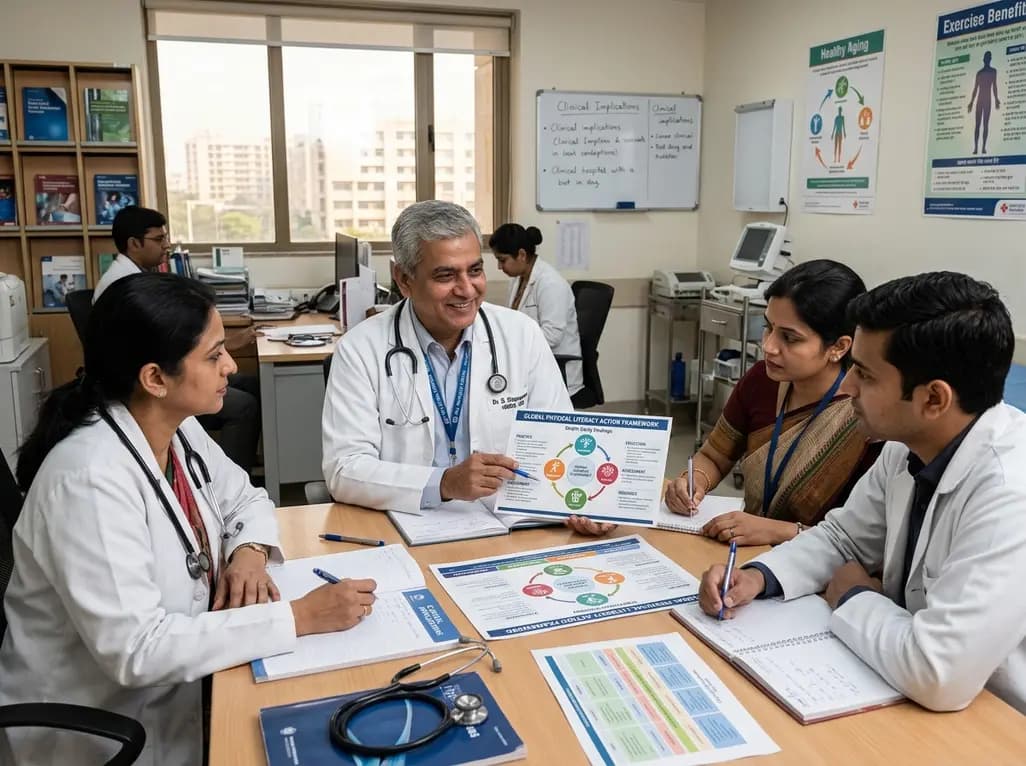
The concept of physical literacy integrates physical, affective, cognitive, and social dimensions into a comprehensive approach for lifelong physical activity. Despite growing worldwide interest across sports, public health, and education, clinicians and researchers have long lacked a prospective roadmap for policy, research, and intervention. To resolve this structural gap, an international consortium established the global physical literacy framework through a rigorous multi-phase consensus project. By combining multi-country expertise with structured voting rounds, this initiative outlines clear pathways for embedding movement capacity across diverse healthcare and community sectors.
To establish a unified global physical literacy framework, investigators conducted an extensive group Delphi study across multiple continents. This consensus process brought together fifty-nine physical literacy scholars from forty-six nations, seven domain experts addressing literature gaps, and twenty-four institutional representatives. Participants submitted prospective action proposals through standardized online survey instruments. Researchers then analyzed these proposals using reflexive thematic analysis to identify core overarching priorities.
Subsequently, panel members evaluated these priorities across six structured online panel meetings. Formal voting protocols guided all decisions, employing pre-defined consensus thresholds across two sequential rounds. Out of fifteen central topics discussed, panel members achieved immediate consensus on six topics during the initial round. The remaining nine topics attained agreement after detailed deliberation in the second voting round. Ultimately, this rigorous process synthesized eight hundred forty-nine distinct initial codes into five interconnected transformation domains. Consequently, this collaborative methodology ensures that the resulting directives reflect diverse global perspectives, clinical contexts, and interdisciplinary health priorities.
The consensus process organized key prospective actions into five foundational domains: advocacy, practice, education, assessment, and research. Within advocacy, the panel emphasized establishing a core set of universal physical literacy principles to guide healthcare professionals and decision-makers globally. Furthermore, the advocacy domain focuses on building public awareness regarding the lifelong health benefits of holistic movement education.
In the realm of practice, experts highlighted the urgent need to generate adaptable resources and community programs tailored to diverse demographic cohorts. Meanwhile, the education domain advocates aligning school physical education curricula directly with established physical literacy principles. In assessment, the consensus highlights evaluating physical literacy at population levels using validated, standardized tools. Finally, the research domain prioritizes implementation science to understand how physical literacy interventions function in real-world settings. Together, these five domains form an integrated operational matrix. Therefore, healthcare providers and policy leaders can utilize this matrix to design targeted physical activity interventions across primary care, pediatric medicine, and rehabilitation settings.
Bridging the gap between conceptual physical literacy and clinical medicine requires actionable strategies in daily healthcare delivery. Physicians, sports medicine specialists, and pediatricians frequently encounter patients who present with sedentary lifestyle habits or physical inactivity. By incorporating physical literacy principles into routine health consultations, clinicians can address movement confidence alongside physical capacity.
Furthermore, advocating for structured community exercise programs allows primary care providers to prescribe safe, enjoyable physical activity options. Effective practice models emphasize that physical literacy involves not only mechanical skill execution, but also emotional motivation and social connection. Consequently, clinicians should encourage patient movement strategies that prioritize enjoyment, self-efficacy, and long-term sustainability over rigid athletic performance. In addition, healthcare organizations can collaborate with local recreation centers to provide inclusive movement resources for vulnerable populations. By aligning clinical exercise prescriptions with community resources, medical practitioners significantly improve patient engagement and chronic disease prevention outcomes across diverse populations.
Educational systems and health assessment frameworks serve as vital vehicles for embedding physical literacy throughout the human lifespan. Aligning school physical education curricula with physical literacy principles fosters foundational movement skills early in childhood development. As a result, children develop positive attitudes toward physical activity that persist into adulthood, reducing long-term cardiovascular and metabolic disease risks.
Simultaneously, population-level physical literacy assessment tools enable public health officials and medical researchers to monitor movement capacities across communities. Traditional physical activity metrics often evaluate only total step counts or exercise duration, ignoring psychological and social dimensions. However, holistic physical literacy assessments capture cognitive readiness, affective motivation, and motor competency. Implementing these broader evaluation tools in clinical research and public health surveillance provides richer diagnostic data. Consequently, preventive healthcare strategies become far more effective, enabling clinicians to identify specific barriers to physical activity and tailor community health programs accordingly.
The global physical literacy framework stresses the critical importance of implementation science to transform theoretical concepts into measurable public health outcomes. Research must focus on how physical literacy programs can be effectively scaled, adapted, and sustained across varying socio-economic and cultural environments. Studying implementation barriers allows healthcare researchers to refine intervention models for maximum clinical efficacy.
Moreover, successful deployment requires active cross-sector collaboration between healthcare institutions, sports organizations, educational bodies, and active recreation agencies. Clinicians and sports medicine specialists must work alongside educators and community leaders to build supportive physical activity environments. This multi-sectoral synergy ensures that movement opportunities are accessible, safe, and tailored to individual patient needs. Ultimately, embedding implementation science within global physical literacy initiatives ensures that evidence-based practices inform public policy. As a result, multidisciplinary healthcare teams can foster sustainable active living habits across pediatric, adult, and geriatric patient populations globally.
The global physical literacy framework is a consensus-driven prospective roadmap designed to align research, practice, policy, and education. It integrates physical, affective, cognitive, and social dimensions of human movement into actionable strategies. By defining core goals, principles, and pathways, the framework guides international stakeholders across healthcare, sports medicine, education, and public health sectors to promote lifelong physical activity engagement and improve overall population health outcomes.
Consensus was achieved through an international group Delphi study involving fifty-nine physical literacy academics from forty-six countries, literature gap representatives, and organizational representatives. Participants generated initial ideas through online surveys, which underwent reflexive thematic analysis. Subsequently, six online panel meetings and two formal voting rounds evaluated fifteen central topics. This rigorous process established agreement across all key action domains, synthesizing over eight hundred codes into cohesive recommendations.
Physical literacy is crucial in clinical practice because it addresses the physical, psychological, and social barriers to physical activity. Rather than focusing solely on exercise duration or intensity, physical literacy enhances patient confidence, movement competence, and intrinsic motivation. Consequently, incorporating physical literacy principles into clinical counseling helps physicians and sports medicine specialists prescribe sustainable physical activity habits, effectively reducing chronic disease risks and enhancing patient recovery.
Disclaimer: This content is for informational and educational purposes only and does not constitute medical advice, diagnosis, or treatment. Always seek the advice of a qualified healthcare provider with any questions regarding a medical condition. Refer to the latest local and national guidelines for clinical practice.
References
Carl J et al. The Global Physical Literacy Action Framework: Process and Outcomes. Sports Med. 2026 Aug 08. doi: 10.1007/s40279-026-02485-6. PMID: 42571000.

Read summarized clinical updates, watch expert medical content, and earn CME certifications right from your smartphone.
Open your smartphone camera to scan and install.





The Global Physical Literacy Action Framework establishes a global prospective consensus across advocacy, practice, education, assessment, and research. Developed via a multi-country Delphi study, it offers clinicians and public health leaders clear pathways to promote lifelong physical activity.
last month
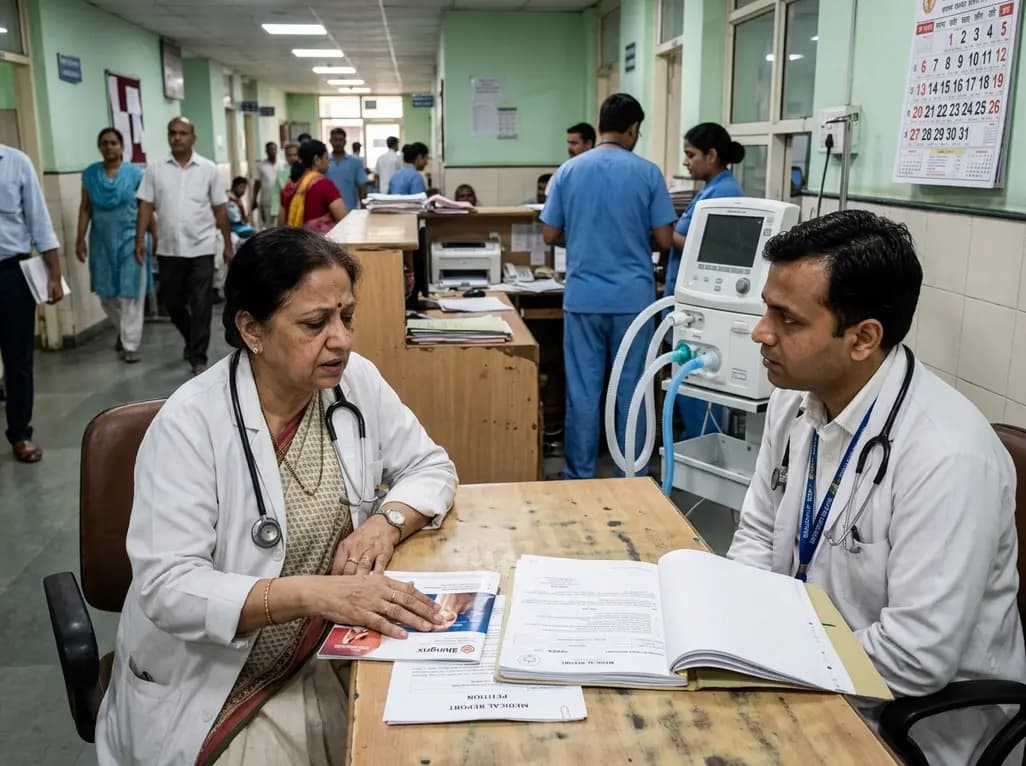
A special Delhi court has directed former DGHS Dr. Vatsala Aggarwal to surrender after refusing her relief plea. Despite clinical submissions citing immunocompromised status, scheduled Shingrix immunization, and adaptive servo-ventilation needs, the court held that jail authorities can manage these medical requirements.
Last week
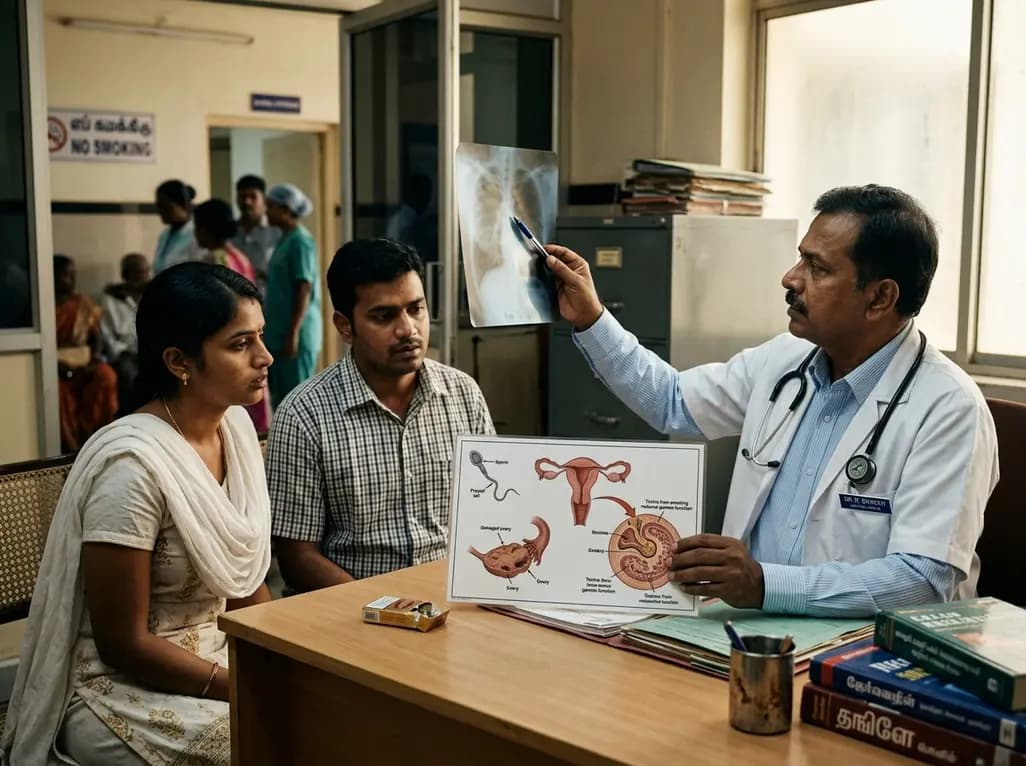
A global knowledge summary from the World Health Organization warns that tobacco smoking significantly increases infertility risks in women and causes substantial sperm and erectile dysfunction in men. Fortunately, quitting smoking substantially lowers these risks, providing clear reproductive benefits.
Last week

A major cybersecurity breach disrupted global operations at Boston Scientific, delaying device distribution and remote cardiac monitoring activations. This analysis examines the immediate consequences for clinical catheterization suites, electrophysiology teams, hospital inventory systems, and patient care safety.
2 weeks back
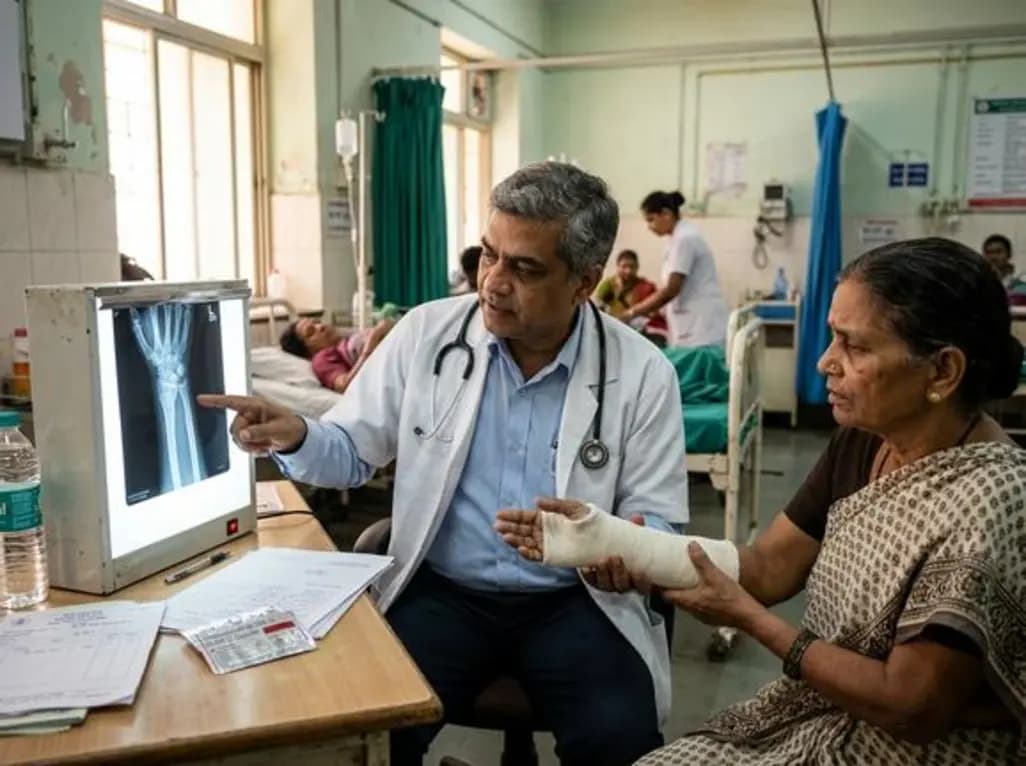
Nearly 80% of Indians suffer from inadequate Vitamin D, causing silent bone weakening and sudden fractures. This expert guide reviews why mega-dose therapy is critical for high-risk patients, the key factors driving widespread deficiency, and the mandatory medical evaluations needed to protect skeletal health.
3 months ago

A nationwide mixed-methods study evaluated hospital glycemic management systems across 265 hospitals. While real-time alerts and automatic data sync are highly valued, significant disparities in digital maturity and low satisfaction with decision support highlight the need for standardized implementation.
3 weeks back
