.webp&w=384&q=75)

Loading, please wait...
Loading, please wait...
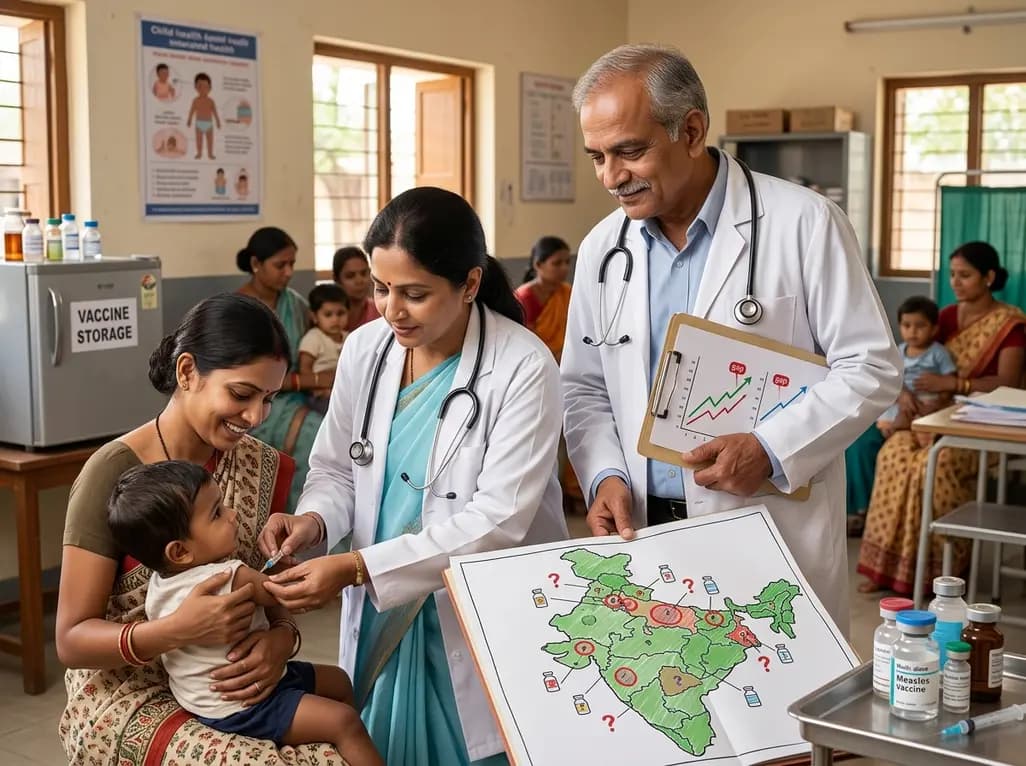
The latest WHO and UNICEF Estimates of National Immunization Coverage (WUENIC) highlight a critical moment for pediatric public health. Although we observed a slight recovery in global childhood vaccination rates in 2025, systemic challenges continue to threaten this fragile progress. Millions of infants worldwide remain unprotected against devastating, vaccine-preventable diseases. In this review, we examine the immunization landscape, analyze coverage gaps, and discuss strategies to address vaccine hesitancy while exploring conflict's impact on health targets.
According to the latest data, global childhood vaccination rates experienced a minor increase in 2025. Specifically, ninety percent of infants worldwide—equivalent to nearly 116 million children—received at least one dose of the diphtheria, tetanus, and pertussis (DTP1) vaccine. Furthermore, eighty-five percent completed the full three-dose DTP3 series. This represents a modest one percentage point increase from 2024. However, these figures remain below pre-pandemic baselines. Consequently, global immunization progress has hovered within a narrow range for over a decade. While we celebrate these incremental gains, public health officials warn that the progress remains fragile. Indeed, many children start their vaccination schedules but fail to complete them. For instance, roughly 7.3 million infants received their first DTP dose but missed their first measles vaccine dose. This high dropout rate actively undermines herd immunity, leaving communities vulnerable to sudden outbreaks of preventable infectious diseases. Therefore, pediatricians must monitor compliance rates to identify vulnerable pockets of under-vaccinated children and implement tailored initiatives.
A major concern for international health agencies is the persistent number of zero-dose children. These are infants who have not received a single routine vaccine dose during their first year of life. In 2025, this number fell slightly to 13.5 million from 14.2 million in 2024. Although this reduction represents progress, the total is still nearly four million higher than required to stay on track for global 2030 goals. Crucially, geographic and socioeconomic disparities heavily influence these statistics. More than half of these unvaccinated children reside in conflict-affected regions, including Syria, Yemen, Sudan, and Palestine. Ironically, these areas account for only one-third of global births. Active warfare and severe civil unrest destroy critical health infrastructure, making vaccine delivery almost impossible. Additionally, displacement prevents families from accessing routine pediatric care. To overcome these barriers, healthcare organizations must deploy innovative outreach strategies. Specifically, mobile clinics and humanitarian corridors can play a vital role in reaching isolated populations and protecting vulnerable children.
The global immunization system is currently experiencing notable cracks that threaten future progress. Specifically, global funding cuts that began in early 2025 present a major concern for the 2026 outlook. Although these budgetary reductions have not yet fully manifested in the current data, experts warn of severe consequences ahead. Financial constraints often lead to vaccine stockouts, reduced healthcare staff, and diminished public health campaigns. Furthermore, these cuts can compromise cold chain maintenance, which is essential for vaccine efficacy. Consequently, we may observe a decline in routine immunization coverage in the near future. Public health leaders emphasize that we are previewing significant risks that are yet to come. To mitigate these threats, governments must secure sustainable domestic funding for immunization programs. Additionally, international donors must maintain their financial commitments to support low-income nations. Without stable financial backing, even robust health systems can quickly deteriorate. Therefore, proactive advocacy is necessary to protect pediatric vaccine procurement.
Measles often acts as a critical indicator of immunization program performance because of its highly contagious nature. Because the measles virus spreads so easily, it rapidly exposes any immunity gaps within a population. Currently, global first-dose measles coverage remains stagnant at eighty-four percent. Meanwhile, second-dose coverage is at seventy-seven percent. Unfortunately, both statistics fall far below the ninety-five percent threshold required to prevent community transmission. As a direct result, fifty-seven countries experienced large or disruptive measles outbreaks in 2025. These outbreaks demonstrate the dangerous consequences of failing to complete the full vaccination schedule. Clinicians must recognize that partial vaccination does not provide sufficient protection against such highly infectious pathogens. Therefore, routine clinic visits must include thorough audits of each child's immunization history. When providers identify a missed dose, they should offer immediate catch-up vaccination. By addressing these gaps proactively, we can prevent localized outbreaks from turning into national healthcare crises.
To reverse these worrying trends, healthcare providers must actively rebuild public trust in vaccines. Rising vaccine hesitancy, driven by misinformation on digital platforms, remains a major barrier to high coverage. Therefore, effective communication is just as important as vaccine procurement. Clinicians should use clear, empathetic, and evidence-based language when discussing immunization with parents. For instance, explaining the direct benefits of vaccines and answering questions patiently can ease maternal anxiety. Furthermore, health departments should leverage community leaders and local influencers to advocate for routine shots. This localized approach is particularly effective in marginalized communities where institutional trust is low. In addition, streamlining clinic operations can significantly reduce missed opportunities for vaccination. For example, offering flexible clinic hours and implementing automatic digital reminders can help busy families stay on schedule. By making vaccination services more accessible and culturally acceptable, we can improve overall uptake and protect pediatric populations.
Q1: What are the primary reasons for the stagnant global childhood vaccination rates in 2025?
Although global coverage showed minor gains in 2025, overall progress remains fragile. The primary factors slowing immunization include persistent conflicts, vaccine hesitancy, and funding cuts in early 2025. Additionally, healthcare delivery is severely disrupted in conflict-affected nations. Consequently, these volatile areas house more than half of the world's zero-dose children despite accounting for only one-third of global births.
Q2: Why are measles outbreaks rising despite the general recovery in childhood immunization?
Measles is exceptionally contagious and requires a herd immunity threshold of ninety-five percent. Currently, global first-dose coverage is stagnant at eighty-four percent, and second-dose coverage is at seventy-seven percent. This substantial immunity gap, combined with high dropout rates, allows the virus to spread easily. Consequently, fifty-seven countries experienced large or disruptive measles outbreaks in 2025.
Q3: How do global funding cuts affect the future outlook of routine immunization programs?
Funding cuts introduced in early 2025 pose a severe threat to the 2026 immunization outlook. Reduced financial support weakens critical elements of healthcare systems, including vaccine procurement and logistics. Consequently, these financial strains create systemic cracks that can lead to increased vaccine stockouts, reduced outreach campaigns, and a subsequent decline in routine childhood vaccination coverage.
Disclaimer: This content is for informational and educational purposes only. It does not constitute medical advice or replace professional judgment. Refer to the latest local and national guidelines for clinical practice.
References

Read summarized clinical updates, watch expert medical content, and earn CME certifications right from your smartphone.
Open your smartphone camera to scan and install.





A detailed analysis of the 2025 global childhood vaccination rates released by WHO and UNICEF. Learn about key statistics, regional gaps, and actionable clinical strategies to overcome vaccine hesitancy, funding cuts, and rising measles outbreaks.
3 months ago
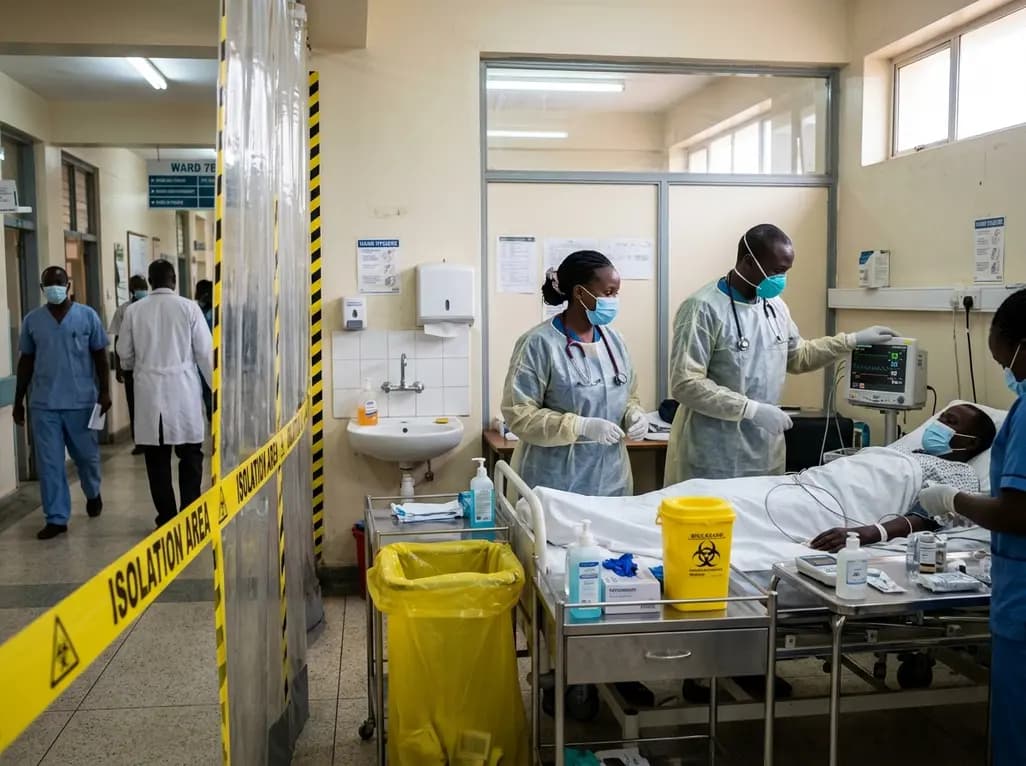
Kenya's confirmation of its eighth Ebola infection highlights the acute risk of secondary transmission in hospital environments. Clinicians must maintain high vigilance, enforce strict infection prevention protocols, and implement rapid triage mechanisms for viral hemorrhagic fevers across healthcare settings.
3 days back
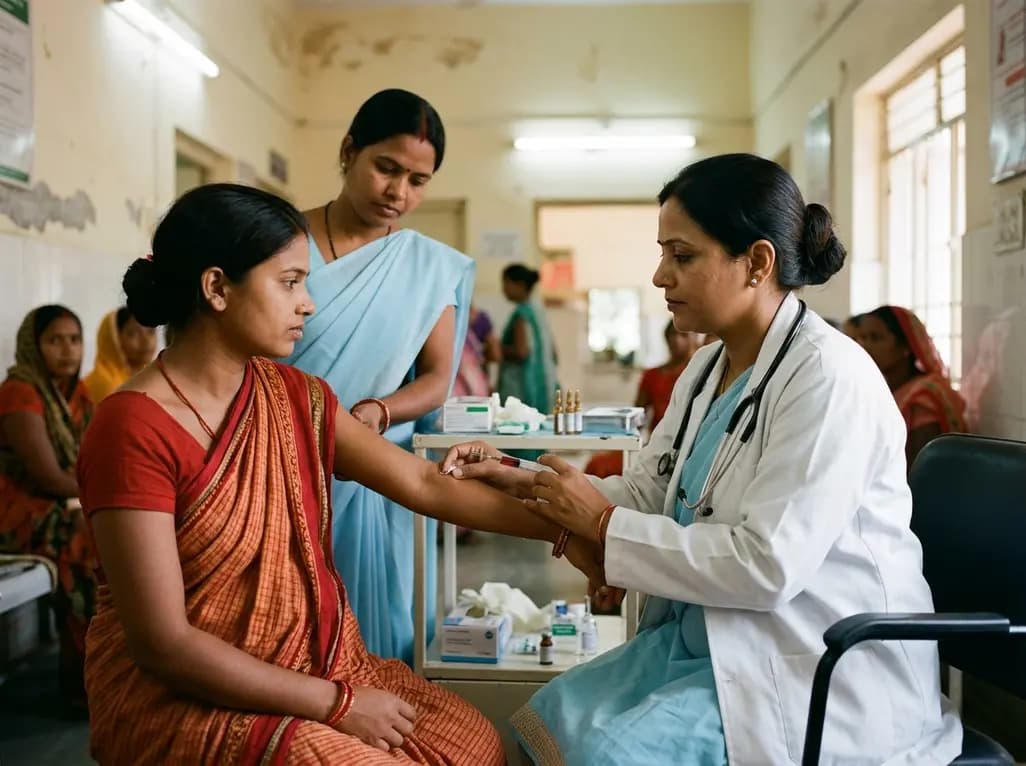
Maternal anaemia contributes to nearly half of pregnancy-related fatalities across India. To prevent complications, Uttar Pradesh has added single-dose parenteral iron to its essential medicines list. This clinical transition aims to restore haemoglobin rapidly and protect high-risk mothers across rural facilities.
Last week

India's food safety authority FSSAI has issued show-cause notices to Gemini Edibles, BigBasket, and Flipkart for unpermitted cardiovascular claims regarding Freedom Rice Bran Oil. This regulatory move highlights the strict enforcement of advertising standards and the clinical necessity of evidence-based lipid care.
5 days back
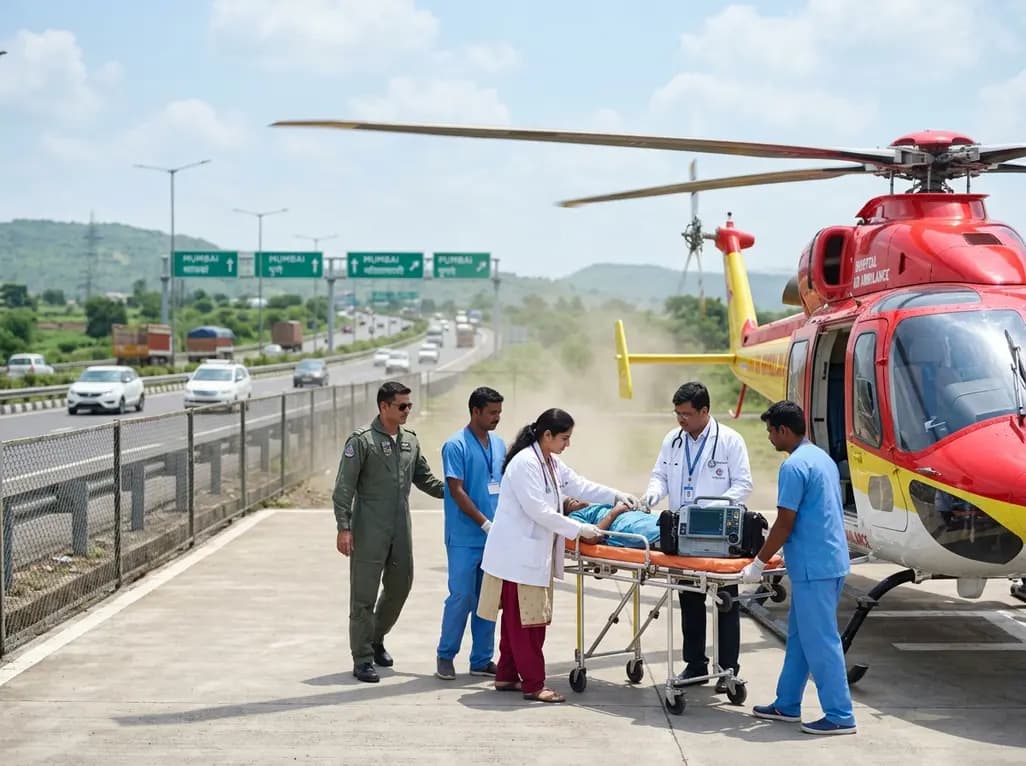
The state government is deploying helicopter emergency medical services across the Mumbai-Pune Expressway, Samruddhi Mahamarg, and Mumbai-Goa Highway. This initiative establishes unified standard operating procedures to enable rapid triage, advanced prehospital resuscitation, and seamless trauma care transfers.
Last week
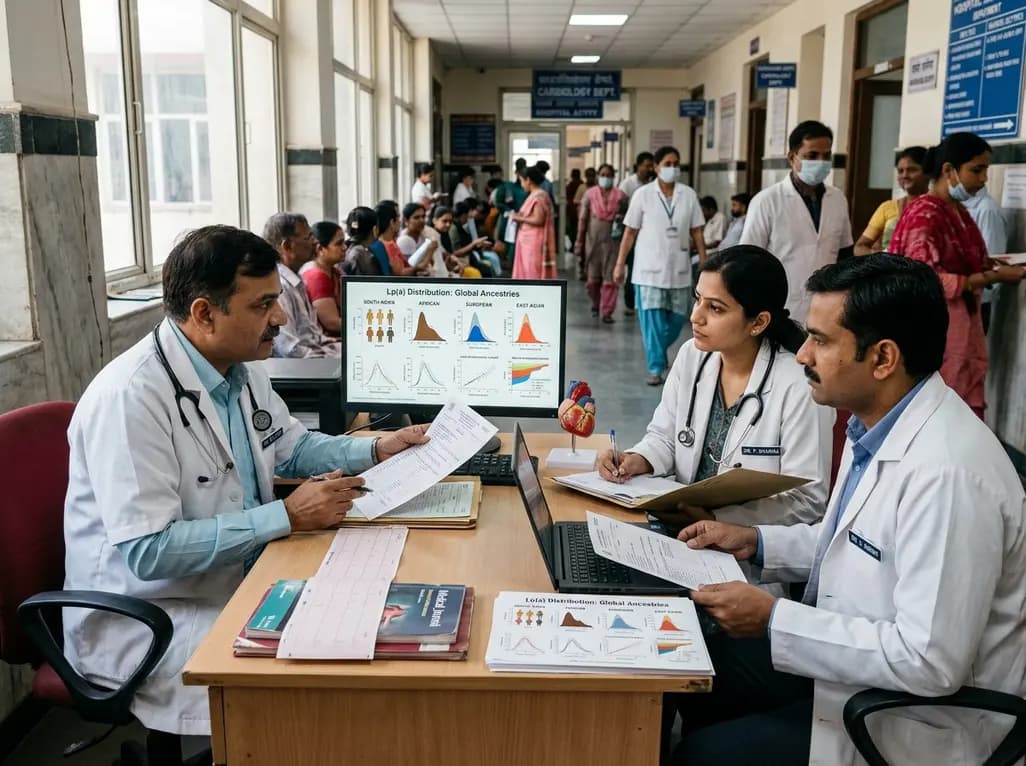
Atherosclerotic cardiovascular disease guidelines often rely on European-derived lipoprotein(a) cutoffs. However, baseline Lp(a) levels vary widely across ancestries, including South Asians and Africans. Clinicians must interpret Lp(a) values within overall absolute cardiovascular risk.
Last week
