.webp&w=384&q=75)

Loading, please wait...
Loading, please wait...

The Food Safety and Standards Authority of India recently suspended licenses for two prominent food processors following severe sanitary breaches. Compliance with FSSAI food safety regulations remains essential to protect public health across national distribution networks. During routine sanitary audits, inspectors detected critical deficiencies that posed direct health risks to consumers. Consequently, regulatory officers intervened to halt production activities until operators verify complete corrective measures. These swift actions highlight growing regulatory scrutiny regarding industrial hygiene and food handling. Furthermore, health authorities emphasized that non-compliance increases foodborne pathogen transmission. Food business operators must maintain stringent cleanliness protocols across processing and packaging stages to ensure product safety. Therefore, failure to adhere to statutory mandates carries immediate administrative and legal consequences.
Strict statutory enforcement serves as the primary defense against commercial food contamination. Under the Food Safety and Standards Act of 2006, processing facilities must implement robust quality assurance protocols. However, recent inspections revealed systemic failures in routine sanitation, pest management, and inventory monitoring. Regulatory agencies evaluate facilities using standardized audit scores to determine operational compliance. Facilities scoring below acceptable thresholds face immediate suspension or license cancellation. Additionally, partial or complete closures prevent contaminated products from entering retail markets. Regulatory bodies mandate comprehensive corrective action plans before restoring manufacturing rights. Furthermore, these enforcement drives aim to instill operational accountability among both small and large commercial food manufacturers. Healthcare professionals frequently note that regulatory compliance directly influences population health outcomes. Consequently, transparent enforcement deters negligent food handling practices across food supply chains. Maintaining statutory hygiene standards protects vulnerable consumer groups from avoidable gastrointestinal illnesses. Thus, regulatory vigilance remains vital for safeguarding community health standards.
Inspection reports at the VKC Nuts facility in Uttar Pradesh highlighted extensive sanitation failures. Officers discovered live insect infestations within stored pistachios in the finished goods storage area. Moreover, heavy black mould and fungal growth covered the walls and ceilings of raw material storage rooms. The audit team observed greasy, dirty, and damaged flooring throughout the processing environment. Furthermore, inspectors found rat droppings and food packages damaged by rodent feeding activities. Machinery in active processing areas appeared rusted, dirty, and structurally compromised. In addition, plastic storage crates, trays, and cutting tools were old, chipped, and unclean. Inspectors also spotted a live lizard near open crates of dried figs. Ineffective pest control measures allowed houseflies to settle directly on exposed food items. Consequently, several raw material cartons lacked mandatory batch numbers, manufacturing dates, and expiry details. Audit teams also identified expired cranberry stocks stored alongside finished inventory. As a result, the facility achieved an overall compliance score of only 38 percent. Therefore, FSSAI issued an immediate partial license suspension under relevant statutory provisions.
Severe hygiene lapses were similarly documented at Chheda Specialities Foods in Maharashtra. Inspectors observed food handlers mixing dough with bare hands during commercial food preparation. Additionally, staff members sat on contaminated floors adjacent to decomposing waste while peeling fresh fruit. The audit team documented extensive fungal growth around fresh and used edible oil storage tanks. Furthermore, industrial wastewater was discharged directly onto processing floors, creating standing pools of liquid. Storage practices were equally compromised, with packaging materials kept directly on wet and dusty floors. In addition, unlabelled food containers lacked essential batch identification details and date markings. Reject, expired, and market-returned products were stored in close proximity to clean raw materials. Previous food samples collected from this facility were officially categorized as unsafe or misbranded. Consequently, the inspection yielded a critical non-compliance score of 42 percent. The authority suspended the operating license immediately until comprehensive corrective actions are completed. Therefore, the company must undergo thorough re-inspection before resuming commercial operations.
Unsanitary food processing conditions introduce grave health hazards for consumers. Environmental moulds, such as Aspergillus species, produce dangerous mycotoxins on improperly stored agricultural goods. Consequently, ingestion of mycotoxin-contaminated foods can lead to acute gastrointestinal distress or chronic organ toxicity. Bacterial contaminants from dirty surfaces and unwashed hands cause widespread foodborne outbreaks. For instance, pathogens like Salmonella, Escherichia coli, and Listeria monocytogenes thrive in unhygienic environments. Food handlers working without proper sanitation easily transfer dangerous microbes to ready-to-eat items. Furthermore, stagnant wastewater and humid environments encourage dense fungal proliferation near food storage tanks. Ingesting contaminated food products can trigger severe gastroenteritis, systemic infections, and severe allergic reactions. Vulnerable populations, including young children and elderly adults, face elevated risks of complications. Moreover, misbranded or unlabelled food products prevent consumers from identifying potential allergen risks. Therefore, strict physical cleanliness remains mandatory to prevent microbial cross-contamination in commercial food units.
Pest infestations in food facilities present severe biological threats to public health. Rodents serve as primary vectors for dangerous zoonotic pathogens, including Leptospira species and Hantaviruses. Consequently, rodent urine and droppings on food packaging create high risks of disease transmission. Insects like houseflies and cockroaches carry enteric bacteria on their appendages and bodies. When flies land on exposed foodstuffs, they deposit mechanical contaminants and pathogenic bacteria. Furthermore, live insects in dry fruits damage structural integrity and introduce fungal spores. Pest activity also degrades nutritional quality and generates offensive odors in finished food products. Ineffective pest control allows rapid multiplication of disease-carrying organisms throughout manufacturing plants. In addition, physical contaminants like insect fragments can trigger respiratory allergies or intestinal irritation. Clinicians frequently evaluate cases of acute gastroenteritis associated with pest-contaminated commercial food supplies. Therefore, rigorous vector control represents an essential component of comprehensive food safety management systems.
Restoring compliance requires food manufacturers to implement rigorous corrective infrastructure. Processing facilities must conduct comprehensive deep cleaning, repair damaged flooring, and eliminate structural leaks. Additionally, companies must establish validated hazard analysis and critical control point protocols. Food handlers require mandatory training regarding personal hygiene, hand sanitation, and protective equipment. Furthermore, storage facilities must maintain strict temperature and humidity controls to inhibit fungal growth. Pest management contractors must implement effective physical barriers and regular monitoring programs. Inventory management systems should enforce strict separation between raw materials, rejected items, and finished goods. Moreover, proper labeling with batch numbers and expiration dates ensures full product traceability. Regulatory authorities conduct meticulous follow-up inspections to verify that all corrective actions meet established legal criteria. Consequently, facilities can resume commercial manufacturing only after demonstrating sustained adherence to statutory standards. Therefore, continuous regulatory monitoring ensures long-term protection against foodborne illnesses.
Q1: Why did FSSAI suspend the licenses of VKC Nuts and Chheda Specialities?
The FSSAI suspended their licenses due to critical food safety violations uncovered during inspections. At VKC Nuts, inspectors identified live insects, heavy mould growth, rat droppings, rusted machinery, and unlabelled items. At Chheda Specialities, violations included bare-hand dough handling, fungal growth around oil tanks, standing wastewater, and improper waste disposal. Consequently, both facilities failed compliance audits, prompting immediate license suspensions to protect public health.
Q2: What medical risks are associated with pest and mould contamination in food?
Pest and mould contamination introduces serious health hazards to consumers. Moulds produce toxic mycotoxins that cause acute gastrointestinal illness and organ toxicity. Rodents and insects carry enteric bacteria such as Salmonella and Escherichia coli, which spread through droppings and urine. Ingestion of contaminated food can cause severe gastroenteritis, systemic infections, and allergic reactions. Furthermore, vulnerable groups face heightened risk of severe clinical complications.
Q3: What corrective steps must suspended food companies complete before resuming operations?
Suspended food companies must implement comprehensive corrective measures to regain operational approval. They must perform deep facility sanitation, repair structural defects, and establish robust pest control systems. Furthermore, management must mandate employee hygiene training, implement proper inventory segregation, and ensure accurate batch labeling. Finally, the facility must pass rigorous FSSAI re-inspections to prove full compliance with statutory food safety regulations.
Disclaimer: This content is for informational and educational purposes only. It does not constitute medical advice or replace professional judgment. Refer to the latest local and national guidelines for clinical practice.
References

Read summarized clinical updates, watch expert medical content, and earn CME certifications right from your smartphone.
Open your smartphone camera to scan and install.





The FSSAI has suspended operating licences for VKC Nuts and Chheda Specialities Foods following regulatory inspections that exposed severe hygiene lapses, fungal contamination, and pest infestations. This enforcement action highlights strict compliance expectations for food processing standards in India.
last month
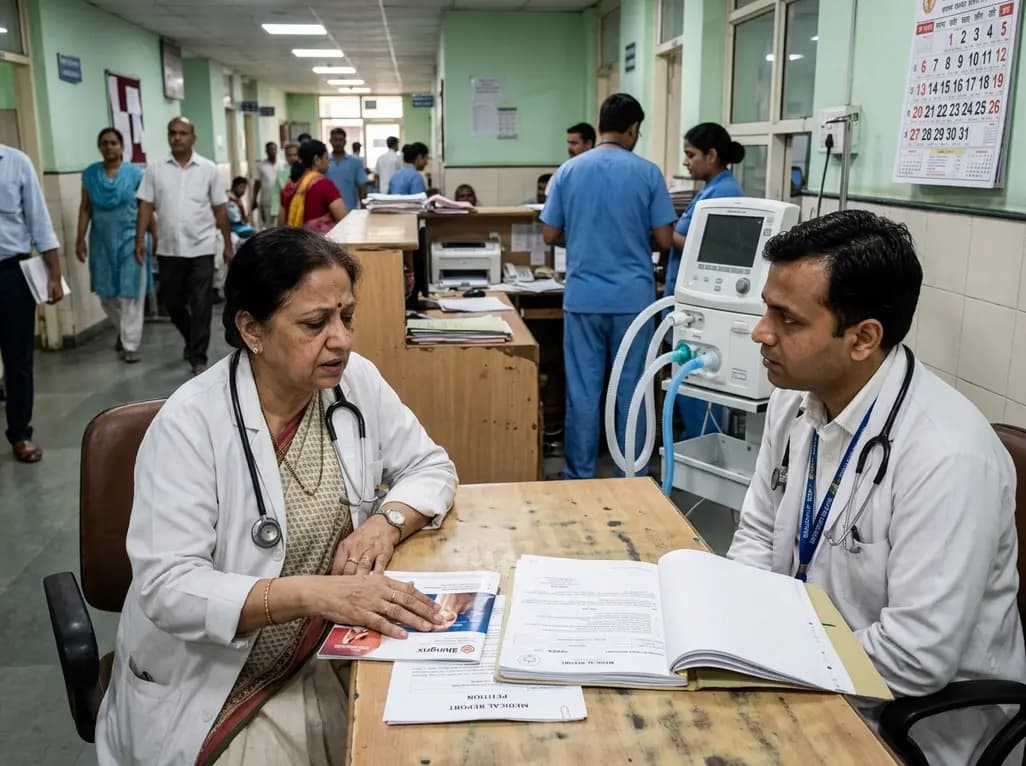
A special Delhi court has directed former DGHS Dr. Vatsala Aggarwal to surrender after refusing her relief plea. Despite clinical submissions citing immunocompromised status, scheduled Shingrix immunization, and adaptive servo-ventilation needs, the court held that jail authorities can manage these medical requirements.
Last week

A global knowledge summary from the World Health Organization warns that tobacco smoking significantly increases infertility risks in women and causes substantial sperm and erectile dysfunction in men. Fortunately, quitting smoking substantially lowers these risks, providing clear reproductive benefits.
Last week

A major cybersecurity breach disrupted global operations at Boston Scientific, delaying device distribution and remote cardiac monitoring activations. This analysis examines the immediate consequences for clinical catheterization suites, electrophysiology teams, hospital inventory systems, and patient care safety.
2 weeks back
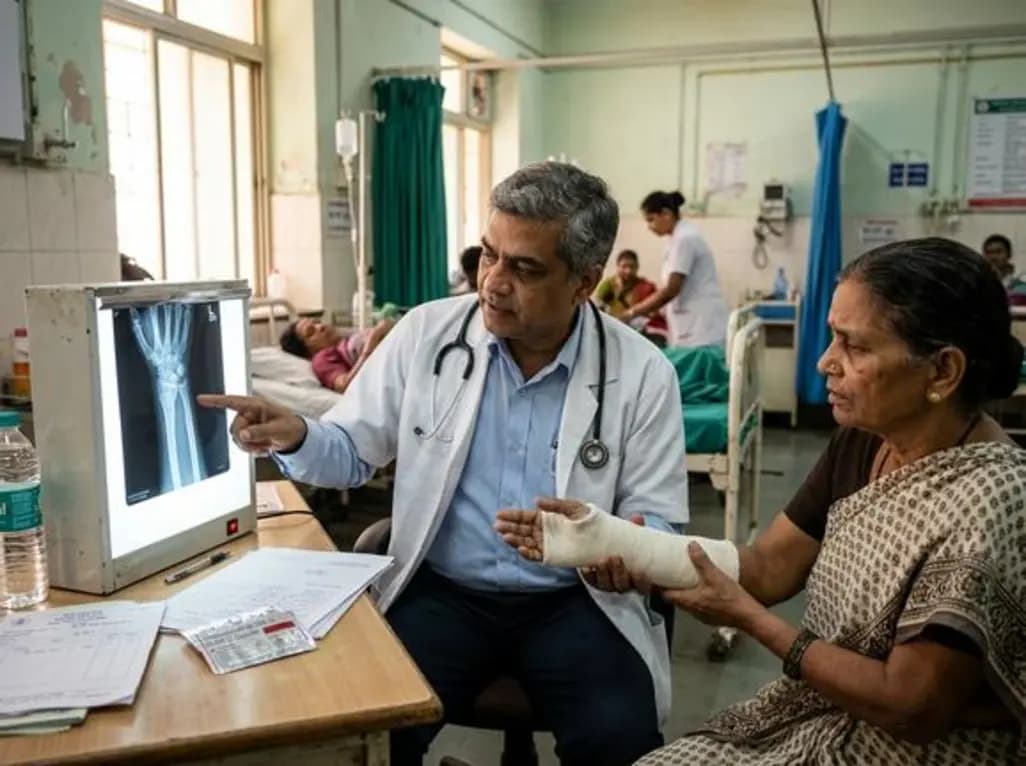
Nearly 80% of Indians suffer from inadequate Vitamin D, causing silent bone weakening and sudden fractures. This expert guide reviews why mega-dose therapy is critical for high-risk patients, the key factors driving widespread deficiency, and the mandatory medical evaluations needed to protect skeletal health.
3 months ago

A nationwide mixed-methods study evaluated hospital glycemic management systems across 265 hospitals. While real-time alerts and automatic data sync are highly valued, significant disparities in digital maturity and low satisfaction with decision support highlight the need for standardized implementation.
3 weeks back
