.webp&w=384&q=75)

Loading, please wait...
Loading, please wait...
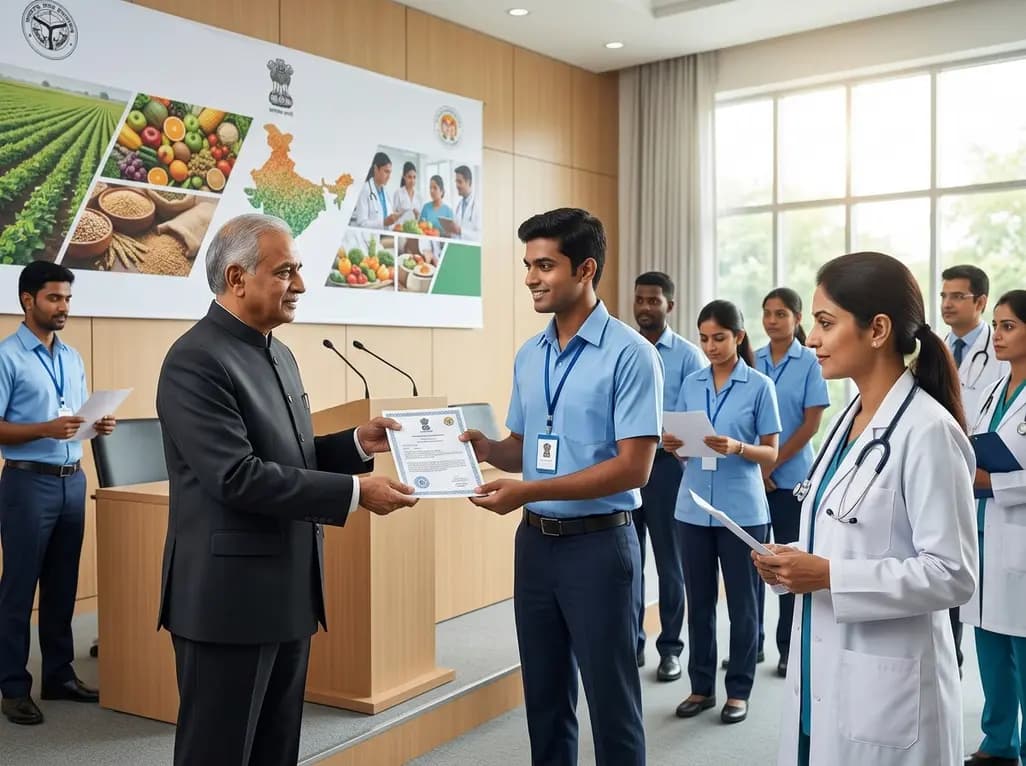
Recently, the central food regulator of India made a critical announcement regarding public health infrastructure. Specifically, the Food Safety and Standards Authority of India (FSSAI) directed states and Union Territories to fill vacancies immediately. Consequently, this initiative will bolster regulatory capacity and scale up food safety enforcement across the country. Indeed, CEO Rajit Punhani emphasized that robust monitoring remains crucial for safeguarding consumer health. Furthermore, the CEO issued this directive during the 50th meeting of the Central Advisory Committee (CAC) in Shimla. Importantly, this meeting took place right after World Food Safety Day. Ultimately, officials highlighted that effective fieldwork depends on adequate staffing. Therefore, states must prioritize the recruitment of Food Safety Officers (FSOs) and Designated Officers (DOs).
During the Shimla meeting, the committee thoroughly reviewed the performance of all states. Specifically, they analyzed recruitment data, advisory committees, and inspection frequencies. Additionally, the committee noted that slow recruitment has created operational gaps. Therefore, the authority advised states to address these deficiencies. In addition, Punhani urged states to increase food sampling and surveillance to prevent adulteration. Moreover, the regulator emphasized the need for active public awareness. Consequently, grassroots outreach campaigns will help educate consumers about safe eating practices. Meanwhile, states must also resolve consumer complaints quickly to maintain public trust. Ultimately, this dual approach ensures both robust policing and active community participation.
Besides recruitment, the CAC focused on advancing digital tools. Specifically, the committee deliberated on the recently operationalized Food Recall Module on the FoSCoS portal. Consequently, states must now sensitize Food Business Operators (FBOs) about timely reporting. If a product is unsafe, businesses must execute recall procedures swiftly to protect the public. Additionally, the authority discussed licensing reforms to reduce application pendency. Furthermore, the FSSAI is targeting misleading advertisements in the food sector. Indeed, regulators are also working to implement stricter labeling requirements for health supplements. Eventually, these coordinated efforts will foster a highly compliant, transparent, and sustainable food ecosystem across India.
Q1: Why is FSSAI urging states to fill vacancies?
FSSAI is pushing for the recruitment of Food Safety Officers and Designated Officers to strengthen field-level regulatory capacity. Adequate staffing is essential to scale up food safety enforcement, increase sampling, and perform regular inspections.
Q2: What is the significance of the Food Recall Module on FoSCoS?
The Food Recall Module helps streamline the recall of unsafe food products from the market. It allows Food Business Operators to report recall actions quickly, thereby preventing hazardous products from reaching consumers.
Q3: Which parameters were reviewed at the 50th CAC meeting?
The committee evaluated state performance on key metrics, including staff recruitment, advisory committee functions, surveillance sampling, regulatory reporting, and the timely resolution of consumer complaints.
Disclaimer: This content is for informational and educational purposes only. It does not constitute medical advice or replace professional judgment. Refer to the latest local and national guidelines for clinical practice.
References

Read summarized clinical updates, watch expert medical content, and earn CME certifications right from your smartphone.
Open your smartphone camera to scan and install.





FSSAI CEO Rajit Punhani has directed Indian states and UTs to quickly fill vacant posts for Food Safety Officers and Designated Officers. This recruitment drive aims to bolster grassroots food safety enforcement, scale up surveillance, improve recall mechanisms, and secure safe food across the nation.
4 months ago
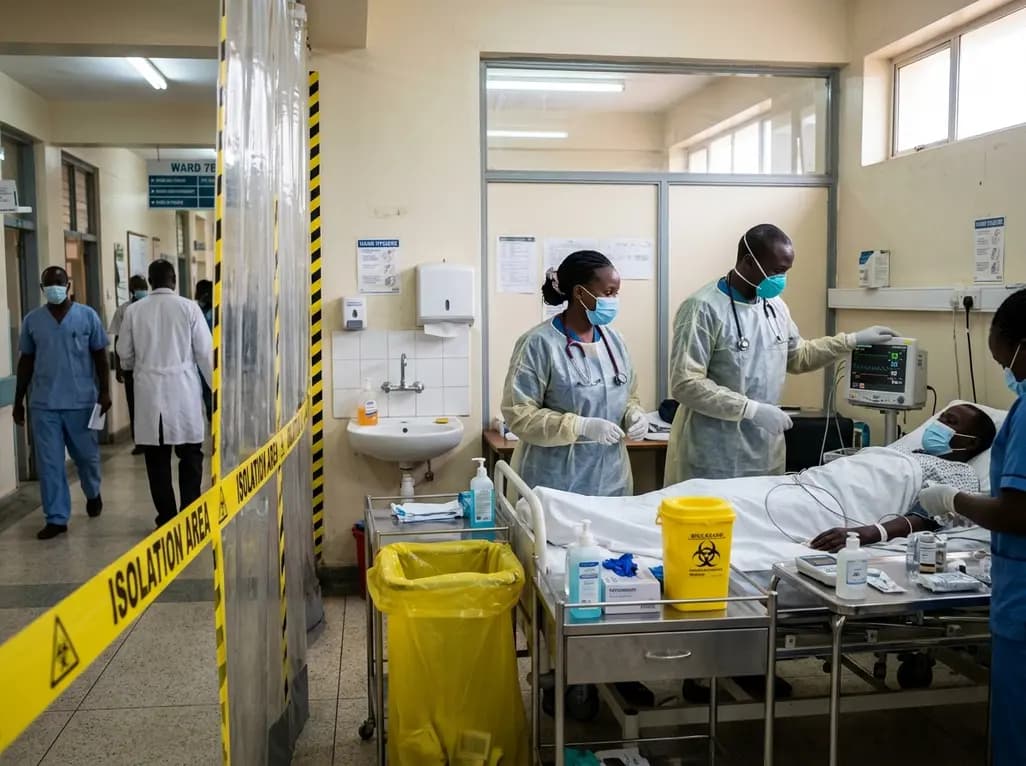
Kenya's confirmation of its eighth Ebola infection highlights the acute risk of secondary transmission in hospital environments. Clinicians must maintain high vigilance, enforce strict infection prevention protocols, and implement rapid triage mechanisms for viral hemorrhagic fevers across healthcare settings.
3 days back
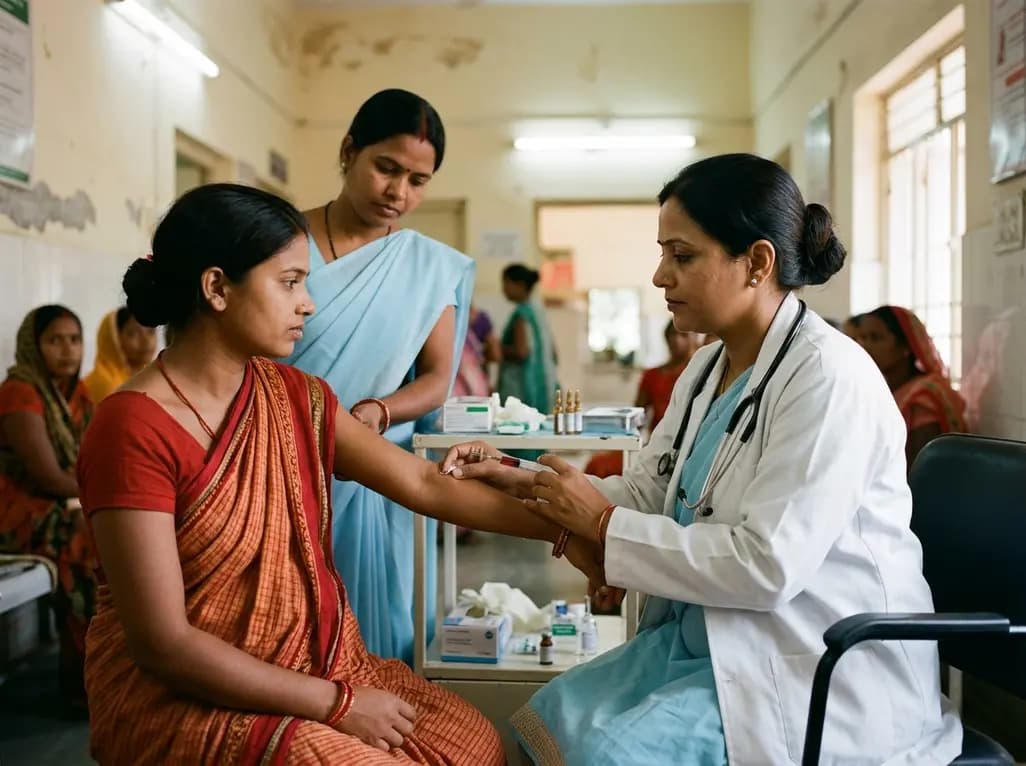
Maternal anaemia contributes to nearly half of pregnancy-related fatalities across India. To prevent complications, Uttar Pradesh has added single-dose parenteral iron to its essential medicines list. This clinical transition aims to restore haemoglobin rapidly and protect high-risk mothers across rural facilities.
Last week

India's food safety authority FSSAI has issued show-cause notices to Gemini Edibles, BigBasket, and Flipkart for unpermitted cardiovascular claims regarding Freedom Rice Bran Oil. This regulatory move highlights the strict enforcement of advertising standards and the clinical necessity of evidence-based lipid care.
5 days back

The state government is deploying helicopter emergency medical services across the Mumbai-Pune Expressway, Samruddhi Mahamarg, and Mumbai-Goa Highway. This initiative establishes unified standard operating procedures to enable rapid triage, advanced prehospital resuscitation, and seamless trauma care transfers.
Last week
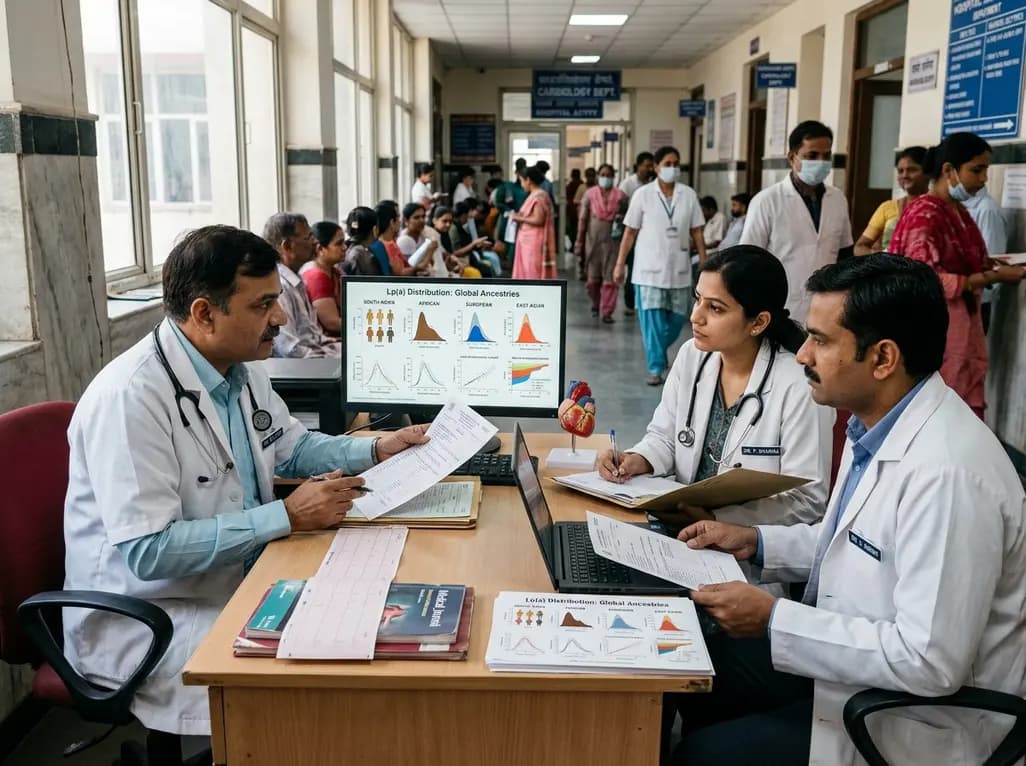
Atherosclerotic cardiovascular disease guidelines often rely on European-derived lipoprotein(a) cutoffs. However, baseline Lp(a) levels vary widely across ancestries, including South Asians and Africans. Clinicians must interpret Lp(a) values within overall absolute cardiovascular risk.
Last week
