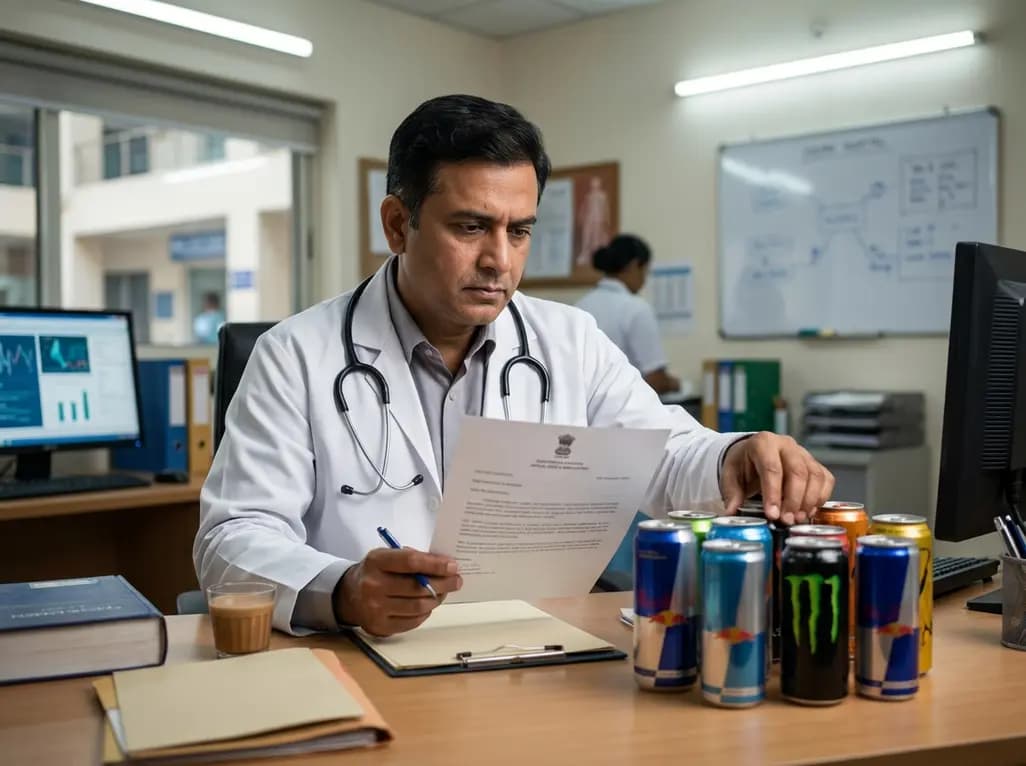
The Food Safety and Standards Authority of India has launched a major regulatory action against prominent beverage manufacturers. This
FSSAI energy drink crackdown has targeted six leading brands for alleged misbranding and misleading advertising. Consequently, healthcare providers must understand these regulatory shifts. Furthermore, clinicians must evaluate the public health impact of these beverages.
Understanding the FSSAI Energy Drink Crackdown
In a recent social media announcement, the food regulator disclosed that it issued compliance notices to six popular brands. Specifically, these include Red Bull, Adrenaline Rush, Campa Energy-Gold Boost, Sting, Hell Energy, and Monster Energy. The regulator highlighted that these companies use the term "energy drink" inappropriately on their packaging. Indeed, Indian food safety regulations do not specify any official, standard category named "energy drink". Instead, the regulator maintains that the Food Category System is designed solely for administrative classification. It is not intended for product naming or commercial labelling purposes. Consequently, using this descriptor on retail shelves misleadingly implies a standardized product class. Furthermore, companies often utilize aggressive marketing to attract younger consumers. Therefore, manufacturers must realign packaging with national food codes. Ultimately, this step will help consumers make informed, transparent choices without being swayed by unauthorized marketing labels. Additionally, this enforcement intends to curb unchecked claims in the fast-growing Indian beverage market. By requiring precise compliance, the regulatory authority hopes to establish a far safer, more transparent consumer environment across all states.
The Legal Boundaries of Health and Therapeutic Claims
The food safety authority has raised serious objections to the specific health claims printed on these products. Under the Food Safety and Standards Act of 2006, food items cannot make therapeutic or functional assertions. For example, popular claims such as "vitalizes body and mind," "enhances focus," or "boosts energy levels" are strictly prohibited. Additionally, marketing phrases that suggest a product can "aid in general weakness" violate existing regulatory codes. Such language can easily mislead vulnerable buyers into believing these beverages offer genuine health benefits. Indeed, these drinks are heavily processed and do not provide clinical therapeutic value. Consequently, the regulator has demanded that companies immediately halt these misleading marketing strategies. Healthcare providers must recognize that these marketing terms are not scientifically validated under Indian law. Therefore, patients should not consume these drinks with the expectation of improving cognitive performance. Ultimately, by understanding these legal boundaries, medical professionals can successfully debunk marketing myths during patient consultations. Clinicians can also encourage patients to seek energy through sleep hygiene rather than processed commercial supplements.
Cardiovascular and Metabolic Risks of High Caffeine Intake
From a clinical perspective, the uncontrolled consumption of these formulations presents significant health risks. Specifically, most of these retail products contain high concentrations of caffeine and refined sugars. Consequently, excessive intake can trigger acute cardiovascular events, including palpitations, tachycardia, and elevated blood pressure. Furthermore, the combination of caffeine and rapid sugar absorption increases the risk of metabolic dysfunction over time. Patients who regularly consume these beverages may experience insulin resistance and weight gain. In addition, some individuals are highly sensitive to stimulants, experiencing severe anxiety or sleep disturbances. Therefore, cardiologists and endocrinologists must actively screen for beverage consumption when evaluating patients with metabolic or cardiac symptoms. However, clinical evidence highlights that they are actually chemical stimulants with no nutritional value. Subsequently, patients can easily learn to identify healthier alternatives for hydration and natural stamina. Indeed, promoting sustained lifestyle modifications is far more effective than relying on packaged stimulant beverages. Moreover, these commercial beverages often contain hidden additives that can further disrupt cardiovascular homeostasis in sensitive patients, necessitating careful medical surveillance.
The Pediatric Hazard: Safeguarding Young Minds and Bodies
Pediatricians are increasingly concerned about the marketing of these beverages to children and teenagers. Indeed, the developing nervous system is highly susceptible to the negative effects of high-dose caffeine. For instance, children consuming these beverages often suffer from extreme hyperactivity, irritability, and altered sleep patterns. Additionally, high caffeine consumption can interfere with calcium absorption, potentially affecting bone mineralization during crucial growth phases. Parents often buy these products for their children, unaware of the potential physical and psychological hazards. Consequently, pediatric clinics must display educational materials that highlight the hidden dangers of caffeine-laden drinks. Moreover, the high sugar content directly contributes to childhood obesity and early-onset dental caries. Therefore, doctors should routinely ask adolescents about their energy drink habits during annual wellness visits. In contrast to athletic sports drinks, these stimulant formulations do not aid in recovery or rehydration. Subsequently, pediatricians must guide families toward water and milk. Ultimately, educating parents remains a vital clinical step in reducing childhood exposure. By teaching parents about caffeine limits, we can protect adolescent development across diverse communities.
Clinical Advice: Counseling Patients in General Practice
For general practitioners, the current regulatory crackdown offers an excellent opportunity to counsel patients on healthy dietary habits. Frequently, patients complain of chronic fatigue and seek quick remedies like commercial drinks. In response, clinicians must investigate the underlying causes of tiredness, such as poor sleep, anemia, or thyroid disorders. Furthermore, doctors should explain that the temporary boost provided by caffeine is often followed by a severe energy crash. Consequently, relying on these artificial beverages can create a vicious cycle of dependency and fatigue. In addition, practitioners should recommend evidence-based alternatives for boosting daily stamina. For example, maintaining adequate hydration, eating a balanced diet, and engaging in regular exercise can naturally elevate energy levels. Therefore, doctors must advise patients to read product labels carefully and avoid items carrying misleading claims. Indeed, by taking a proactive educational stance, healthcare providers can protect patients from these hidden clinical risks. Ultimately, clinical guidance is key to helping patients adopt sustainable, health-promoting habits. Therefore, doctors must leverage these changes to foster healthier local practices.
Frequently Asked Questions
Q1: Why did the FSSAI issue misbranding notices to major energy drink brands?
The regulator issued these notices because there is no official standard for the category of energy drinks under Indian food safety regulations. Furthermore, several brands have marketed their beverages using unauthorized therapeutic claims like boosting energy, enhancing cognitive focus, and vitalizing the body and mind. Consequently, these deceptive labeling practices mislead consumers. Therefore, the authority is enforcing strict rules to ensure that packaging is accurate, transparent, and legally compliant.
Q2: What are the main cardiovascular risks associated with consuming these caffeinated beverages?
Consuming high concentrations of caffeine can significantly impact cardiovascular health. Specifically, it can trigger acute tachycardia, heart palpitations, and sudden spikes in blood pressure. Additionally, individuals with undiagnosed arrhythmias face a higher risk of severe cardiac events when consuming these stimulants. As a result, cardiologists recommend that patients, especially young adults, avoid these beverages. Instead, they should focus on natural hydration to prevent acute cardiovascular strain.
Q3: How should healthcare providers advise pediatric patients and their parents about these drinks?
Pediatricians must strongly discourage the use of these stimulant drinks in children and teenagers. Indeed, caffeine can severely disrupt sleep patterns, cause extreme hyperactivity, and trigger acute anxiety in developing minds. Furthermore, the high sugar content increases the risks of early-onset obesity and dental decay. Consequently, doctors should educate families to choose healthy alternatives like milk, coconut water, or fresh fruit juices instead of commercial products.
Disclaimer: This content is for informational and educational purposes only. It does not constitute medical advice or replace professional judgment. Refer to the latest local and national guidelines for clinical practice.
References
- FSSAI crackdown on energy drink brands; issues notices to 6 firms including RedBull, Pepsico - ETHealthworld
- The Indian Express. 'Not permissible': FSSAI doubles down on top 'energy drink' brands. July 3, 2026.
.webp&w=384&q=75)