.webp&w=384&q=75)

Loading, please wait...
Loading, please wait...

The Food Safety and Standards Authority of India recently urged food manufacturers to prioritize food quality assurance. This action comes amid a wave of public complaints on social media regarding food products. Consequently, the regulator issued notices to food business operators, including e-commerce platforms, energy drinks, and alcohol brands. As public health and nutrition directly depend on food safety, medical professionals in India must understand these changes. This regulatory shift aims to control foodborne disease outbreaks and ensure transparency. Therefore, understanding the FSSAI's digital evolution helps clinicians counsel patients on dietary choices and public health risks. Indeed, robust oversight is essential to reduce the national burden of preventable gastrointestinal illnesses.
To maintain public health, the Indian food industry must immediately reinforce its food quality assurance systems. Historically, manual monitoring often allowed compromised products to enter the market, which eventually triggered widespread outbreaks of foodborne illnesses. However, the FSSAI is now pushing for a modern, rigorous approach that forces food business operators to adopt scientific standard protocols. This regulatory transition is not merely a bureaucratic requirement; instead, it serves as the foundation for clinical disease prevention. For instance, when food companies comply with quality standards, they significantly decrease the risk of microbial contamination from pathogens like Salmonella and E. coli. Medical professionals frequently manage the severe clinical consequences of such infections, which can range from basic gastroenteritis to life-threatening hemolytic uremic syndrome. Thus, stricter quality protocols protect vulnerable patient populations, including children, pregnant women, and the elderly. Furthermore, food companies must invest in continuous research and development to create cleaner, more stable processing technologies. Ultimately, establishing a culture of compliance across all processing levels will restore trust in packaged foods. By doing so, the industry can support national nutritional goals while actively preventing public health crises.
In addition to standard compliance, the regulator is mandating the rapid adoption of digital traceability solutions across India. Currently, tracing the exact origin of a contaminated batch of food during a public health emergency is incredibly challenging. To resolve this, FSSAI is building a robust digital traceability platform to track food from farm to fork. Specifically, this system will utilize advanced tools like artificial intelligence to map every stage of food processing. Consequently, if a contamination event occurs, authorities can immediately locate and recall the affected batches before they reach consumer plates. For clinicians, this technological advancement represents a massive leap forward in preventive medicine. Faster recalls directly translate to fewer emergency room visits and reduced hospitalizations from toxic exposures. Moreover, digital traceability prevents the illegal re-entry of expired or rejected products into the market, which has historically been a major source of food fraud. Therefore, implementing digital tracking creates a highly transparent, accountable ecosystem where bad actors cannot hide. Through these measures, India is aligning its domestic food control systems with international best practices to safeguard millions of citizens.
To manage active contamination crises, the FSSAI relies heavily on the Food Safety Emergency Response (FSER) framework. This specialized emergency protocol aims to coordinate multi-agency actions during severe, widespread foodborne illness outbreaks. Specifically, the FSER system allows the regulator to rapidly collect, analyze, and synthesize epidemiological data from various regions. Consequently, the FSSAI can quickly identify emerging biological or chemical risks and coordinate national recalls. Medical practitioners should note that this framework acts as the first line of defense against large-scale health crises. Furthermore, the FSER leverages community reporting through the Integrated Health Information Platform to track unusual illness clusters in real time. As a result, local health officials can intervene much faster, mitigating the spread of dangerous pathogens before they cause widespread harm. However, the success of the FSER depends entirely on full industry cooperation and transparent communication across all commercial sectors. By standardizing how emergencies are handled, the FSSAI ensures that public health is never secondary to corporate growth. Ultimately, this framework provides a structured, scientific pathway to identify the root cause of contamination and implement permanent corrective actions.
In recent years, social media platforms have experienced a massive surge in consumer complaints regarding food quality. While these public outbursts can be highly disruptive, they have successfully brought food safety into the mainstream spotlight. Indeed, the FSSAI acknowledges that this digital public pressure has sparked essential introspection for regulators and the food industry. However, public outcry must be matched with scientifically backed investigations to prevent mass panic among citizens. Clinicians often play a critical role in this dynamic, as patients frequently seek medical advice based on alarming online posts. Therefore, doctors must stay informed about actual regulatory actions, such as notices against misleading health claims on energy drinks. Additionally, having accurate knowledge allows medical professionals to separate sensationalized online myths from genuine dietary risks. Thus, transparent communication from both the industry and regulatory bodies is absolutely vital to maintain public trust. By addressing consumer complaints openly and presenting scientific facts, the food sector can build long-term credibility. In conclusion, social media has transformed from a simple sharing space into a powerful tool for public health accountability and consumer empowerment.
To sustain these advancements, the FSSAI is implementing major structural reforms across its regulatory frameworks. For example, the regulator recently reconstituted 21 scientific panels and expert committees to update food standards based on modern dietary habits. Furthermore, they transitioned to a perpetual licensing system, significantly simplifying the compliance process for responsible food businesses. Additionally, the regulator introduced strict new labelling rules to eliminate misleading claims and protect consumers from deceptive marketing. These comprehensive regulatory updates ensure that food businesses cannot hide behind ambiguous labels or outdated practices. For medical nutritionists and dietitians, these changes provide a more reliable environment when recommending packaged foods to patients. Specifically, patients with chronic conditions like diabetes can now trust food labels more confidently when planning their daily meals. However, the regulator emphasizes that rules alone cannot fully transform India's vast food ecosystem. Instead, the industry must proactively embed a deep culture of safety and transparency into their daily operations. Consequently, these continuous reforms represent a collaborative, science-based effort to ensure that economic growth and public safety go hand-in-hand.
Q1: What is the main objective of the FSSAI's Food Safety Emergency Response (FSER) framework?
The primary objective of the Food Safety Emergency Response (FSER) framework is to manage and mitigate risks to public health during foodborne illness outbreaks or contamination crises. It coordinates swift, multi-agency efforts to search, collect, and analyze epidemiological data. Consequently, the system enables rapid tracing and immediate recalls of dangerous products, minimizing adverse health outcomes and trade disruptions across the country.
Q2: How does digital traceability improve consumer safety in India's food sector?
Digital traceability allows regulators and food businesses to track the movement of food items throughout the entire production and distribution supply chain. By utilizing tools like artificial intelligence and real-time reporting, the system can instantly pinpoint the origin of any contaminated batch during an outbreak. As a result, businesses can execute highly targeted product recalls, keeping contaminated or expired items from reaching consumer plates and preventing foodborne infections.
Q3: Why is the FSSAI taking strict action against e-commerce and beverage companies?
The FSSAI is enforcing strict measures due to a sharp rise in consumer complaints on social media regarding product quality and misleading advertisements. Specifically, many energy drink and alcohol manufacturers have used deceptive labels and false health claims to attract buyers. By issuing notices and demanding compliance, the regulator aims to protect consumers from health risks and establish a more transparent, science-based food ecosystem in India.
Disclaimer: This content is for informational and educational purposes only. It does not constitute medical advice or replace professional judgment. Refer to the latest local and national guidelines for clinical practice.
References

Read summarized clinical updates, watch expert medical content, and earn CME certifications right from your smartphone.
Open your smartphone camera to scan and install.





FSSAI is urging the food industry to strengthen food quality assurance, adopt digital traceability, and support the Food Safety Emergency Response (FSER) framework. Learn how these strict digital regulations aim to curb foodborne outbreaks and restore consumer trust amidst rising public complaints.
3 months ago
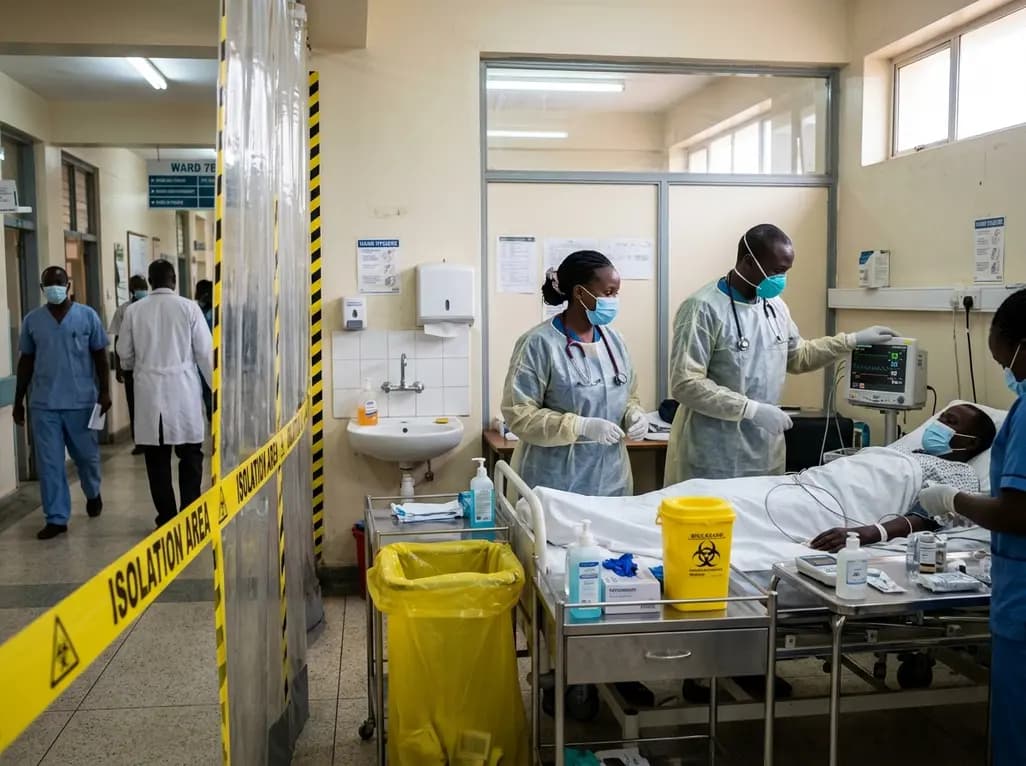
Kenya's confirmation of its eighth Ebola infection highlights the acute risk of secondary transmission in hospital environments. Clinicians must maintain high vigilance, enforce strict infection prevention protocols, and implement rapid triage mechanisms for viral hemorrhagic fevers across healthcare settings.
5 days back
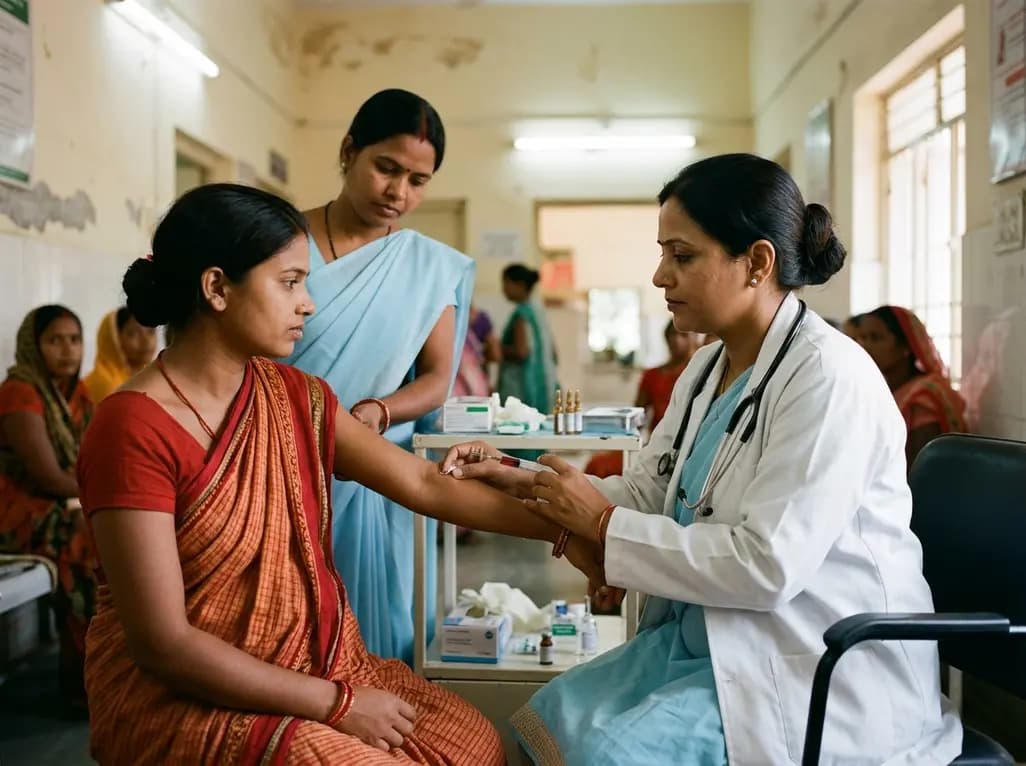
Maternal anaemia contributes to nearly half of pregnancy-related fatalities across India. To prevent complications, Uttar Pradesh has added single-dose parenteral iron to its essential medicines list. This clinical transition aims to restore haemoglobin rapidly and protect high-risk mothers across rural facilities.
2 weeks back

India's food safety authority FSSAI has issued show-cause notices to Gemini Edibles, BigBasket, and Flipkart for unpermitted cardiovascular claims regarding Freedom Rice Bran Oil. This regulatory move highlights the strict enforcement of advertising standards and the clinical necessity of evidence-based lipid care.
Last week
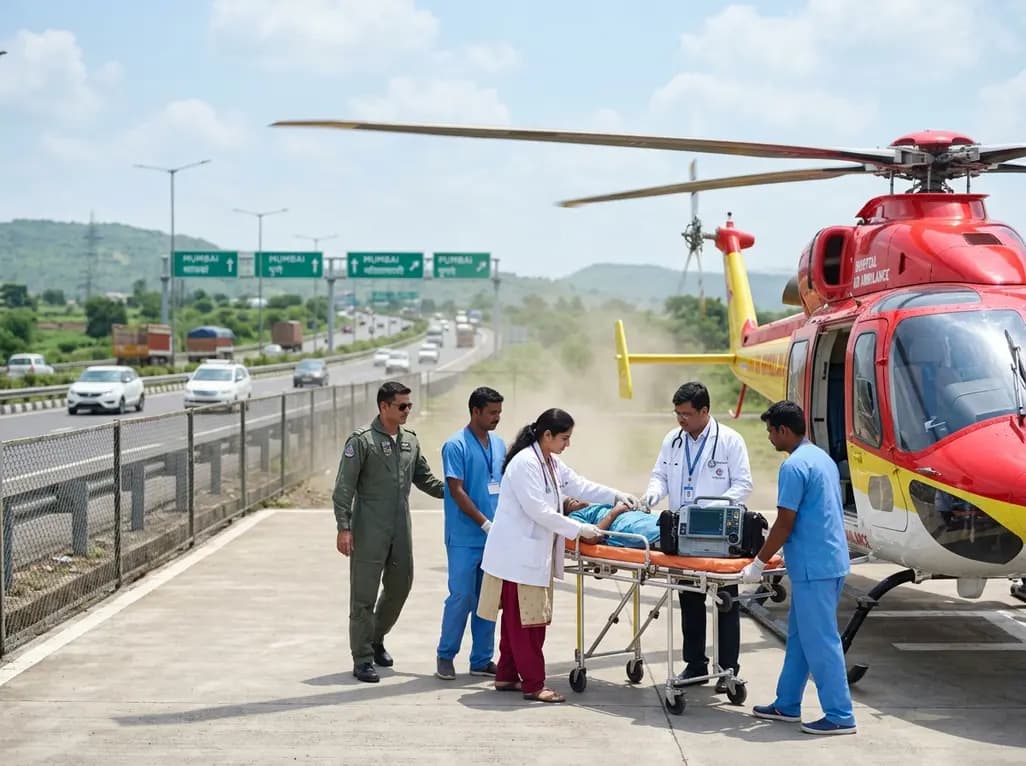
The state government is deploying helicopter emergency medical services across the Mumbai-Pune Expressway, Samruddhi Mahamarg, and Mumbai-Goa Highway. This initiative establishes unified standard operating procedures to enable rapid triage, advanced prehospital resuscitation, and seamless trauma care transfers.
Last week
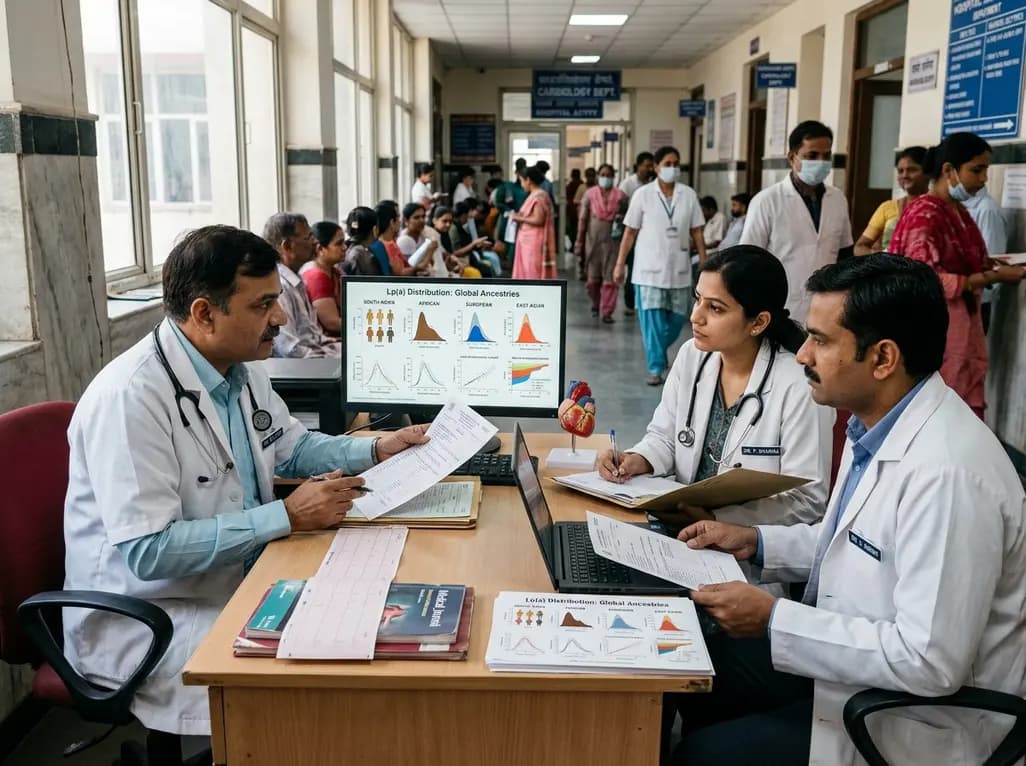
Atherosclerotic cardiovascular disease guidelines often rely on European-derived lipoprotein(a) cutoffs. However, baseline Lp(a) levels vary widely across ancestries, including South Asians and Africans. Clinicians must interpret Lp(a) values within overall absolute cardiovascular risk.
Last week
