.webp&w=384&q=75)

Loading, please wait...
Loading, please wait...
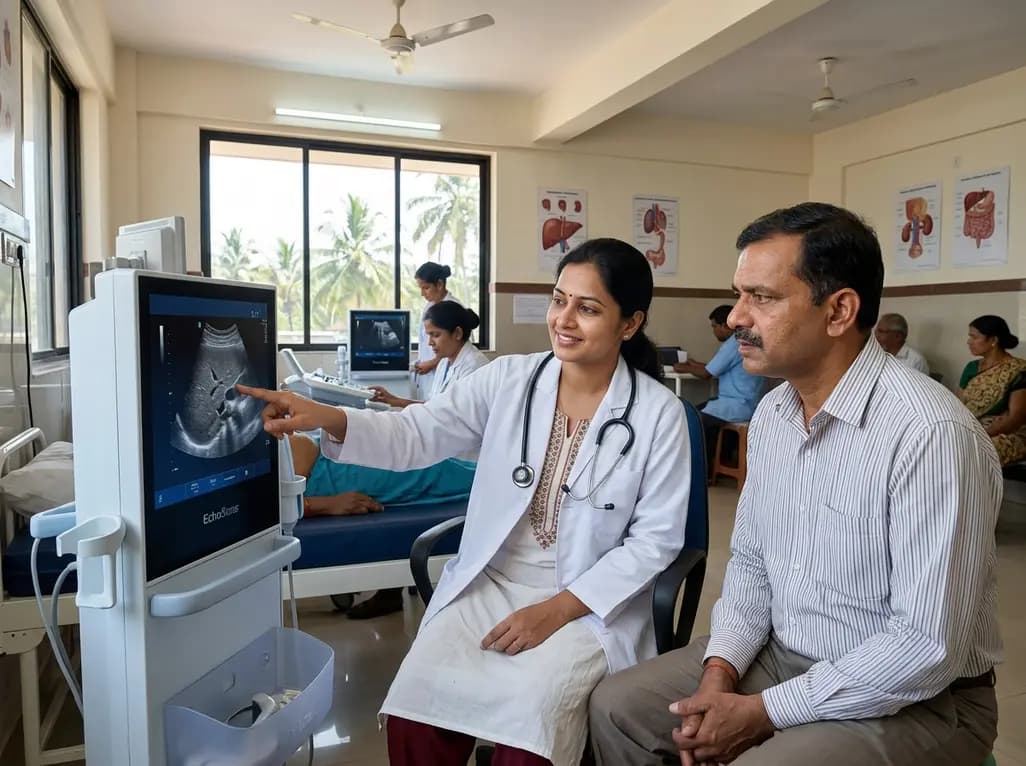
The Goa government partnered with Zydus Healthcare to launch 'Liver Forever.' Specifically, this statewide fatty liver disease screening program will target three lakh adults over the next three years. Consequently, this collaborative effort aims to identify metabolic disorders early and prevent their clinical progression.
Clinicians increasingly recognize Metabolic Dysfunction-Associated Fatty Liver Disease (MAFLD) as a serious public health threat. Furthermore, Metabolic Dysfunction-Associated Steatohepatitis can progress to liver cirrhosis and diabetes if clinicians leave it unmanaged. Therefore, early detection through systematic screening programs plays a critical role in preventing irreversible organ damage. This program integrates directly into Goa's robust healthcare infrastructure to maximize reach.
Primary Health Centres (PHCs) and Community Health Centres (CHCs) will conduct initial community-level assessments. Meanwhile, Goa Medical College will act as the tertiary hub for advanced diagnostics. Additionally, the department of health services will link all screening data to Goa's existing universal health database. As a result, medical teams can seamlessly track comorbid patients suffering from diabetes, obesity, and hypertension. These metabolic conditions represent the primary drivers of advanced liver pathology.
The 'Liver Forever' initiative does not stop at diagnostic assessments. Instead, the partnership delivers a comprehensive disease management program. Specifically, this strategy includes lifestyle modification counseling, medical intervention, and routine follow-up care. Consequently, clinicians can help patients manage obesity and hypertension effectively. Ultimately, this approach shifts the healthcare paradigm from reactive treatment to proactive, state-wide prevention.
Q1: What is the primary goal of the 'Liver Forever' campaign in Goa?
The initiative aims to screen three lakh Goan adults over three years. Specifically, this campaign focuses on detecting and preventing MAFLD and MASH.
Q2: How will healthcare providers manage the screening data?
The health department will link screening data to Goa's universal health database. Consequently, clinicians can seamlessly track comorbid patients suffering from diabetes, obesity, and hypertension.
Q3: Which healthcare centers are participating in this initiative?
Initially, community-level screenings will take place at Primary Health Centres and Community Health Centres. However, Goa Medical College will manage advanced diagnostics and specialized care.
Disclaimer: This content is for informational and educational purposes only. It does not constitute medical advice or replace professional judgment. Refer to the latest local and national guidelines for clinical practice.
References

Read summarized clinical updates, watch expert medical content, and earn CME certifications right from your smartphone.
Open your smartphone camera to scan and install.





The Goa government has launched the 'Liver Forever' initiative in partnership with Zydus Healthcare to screen 300,000 adults for fatty liver disease over the next three years. This program aims to detect metabolic dysfunction-associated fatty liver disease (MAFLD) early and prevent severe progression.
4 months ago
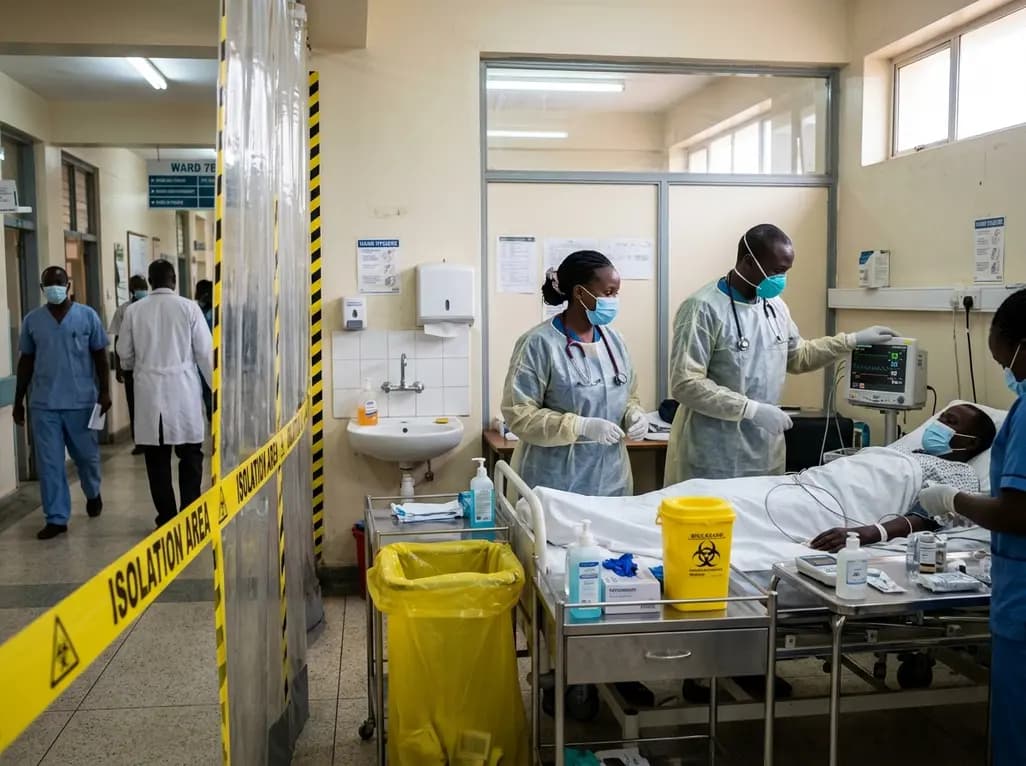
Kenya's confirmation of its eighth Ebola infection highlights the acute risk of secondary transmission in hospital environments. Clinicians must maintain high vigilance, enforce strict infection prevention protocols, and implement rapid triage mechanisms for viral hemorrhagic fevers across healthcare settings.
3 days back
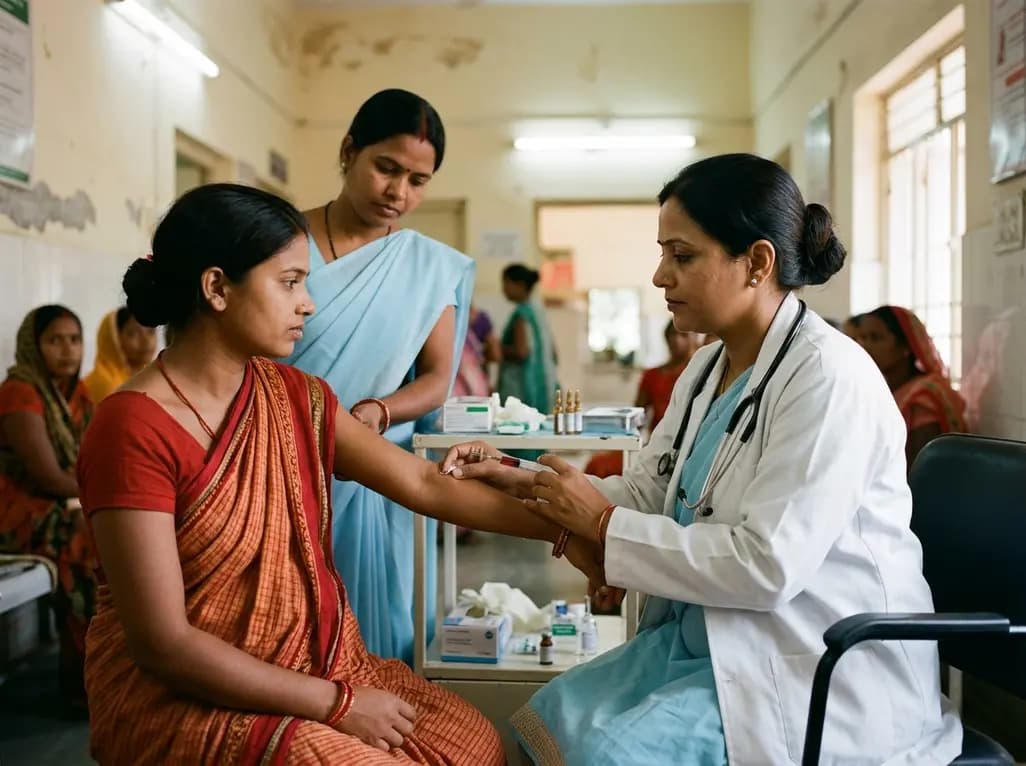
Maternal anaemia contributes to nearly half of pregnancy-related fatalities across India. To prevent complications, Uttar Pradesh has added single-dose parenteral iron to its essential medicines list. This clinical transition aims to restore haemoglobin rapidly and protect high-risk mothers across rural facilities.
Last week

India's food safety authority FSSAI has issued show-cause notices to Gemini Edibles, BigBasket, and Flipkart for unpermitted cardiovascular claims regarding Freedom Rice Bran Oil. This regulatory move highlights the strict enforcement of advertising standards and the clinical necessity of evidence-based lipid care.
5 days back

The state government is deploying helicopter emergency medical services across the Mumbai-Pune Expressway, Samruddhi Mahamarg, and Mumbai-Goa Highway. This initiative establishes unified standard operating procedures to enable rapid triage, advanced prehospital resuscitation, and seamless trauma care transfers.
Last week
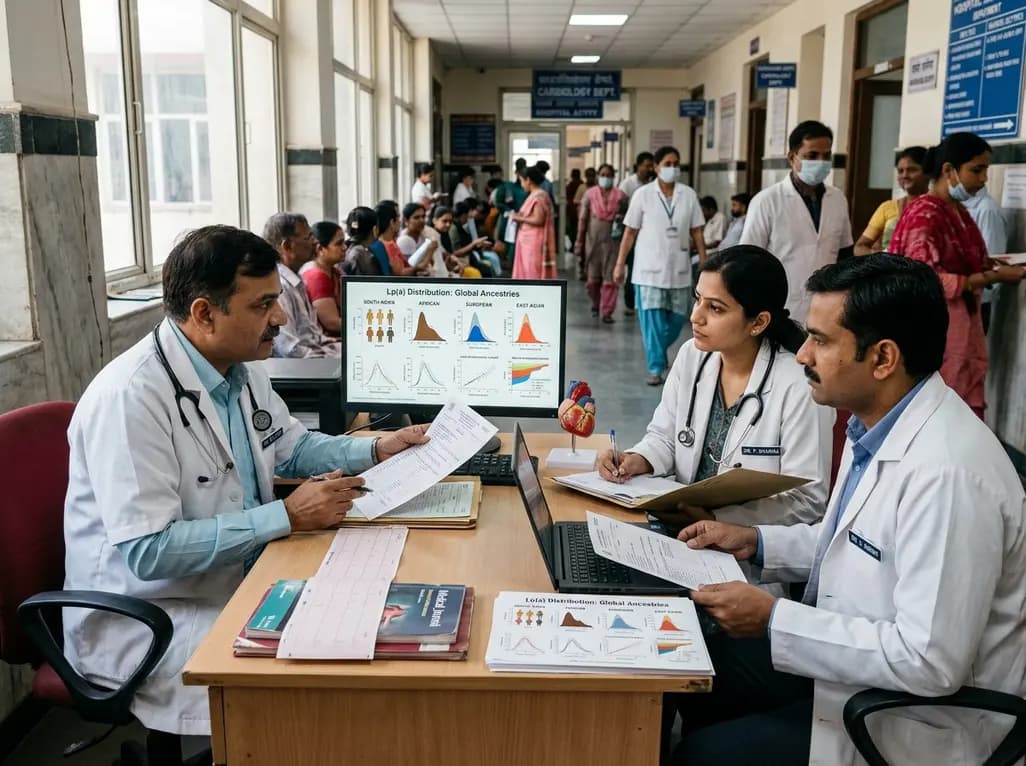
Atherosclerotic cardiovascular disease guidelines often rely on European-derived lipoprotein(a) cutoffs. However, baseline Lp(a) levels vary widely across ancestries, including South Asians and Africans. Clinicians must interpret Lp(a) values within overall absolute cardiovascular risk.
Last week
