.webp&w=384&q=75)

Loading, please wait...
Loading, please wait...
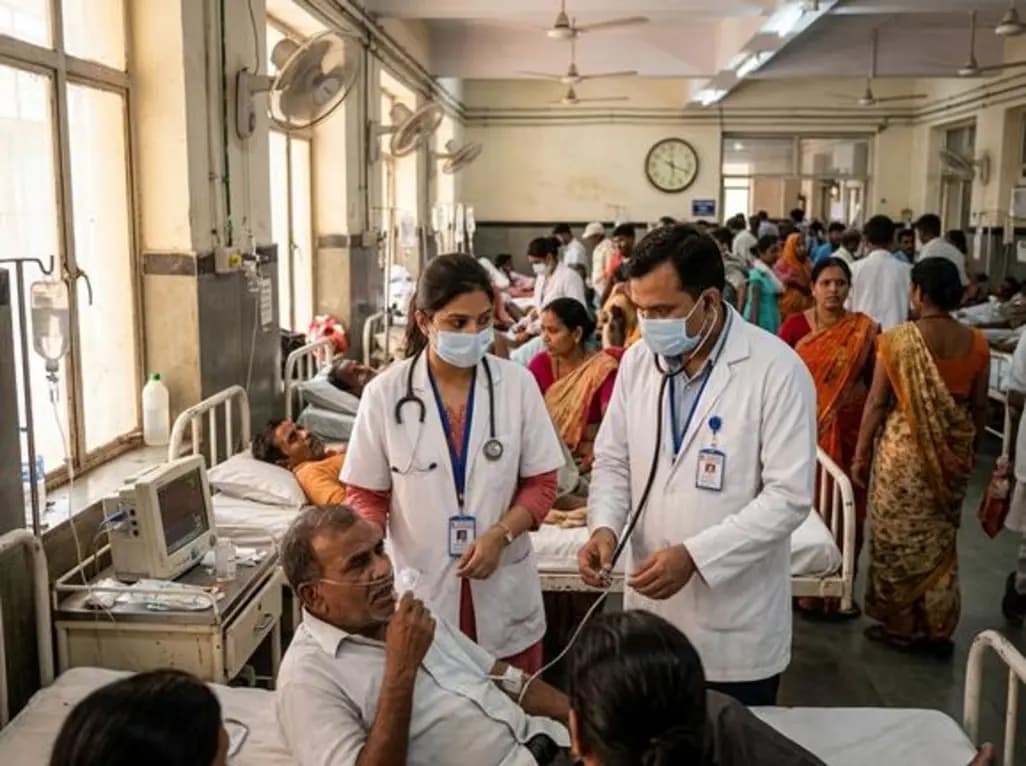
Recent clinical data shows an alarming global surge in environmental health hazards. Specifically, over one billion more people now experience extreme heat stress compared to the 1970s. According to a landmark study in Nature Climate Change, rising feels-like temperatures are threatening vulnerable populations on every continent. Consequently, medical professionals must recognize how these thermal changes directly exacerbate underlying systemic illnesses.
Historically, clinicians viewed heat injuries as episodic, seasonal events. However, modern environmental shifts have transformed these threats into year-round health risks. Factors such as temperature, humidity, wind, and solar radiation directly determine this physiological burden. Furthermore, researchers measure this phenomenon using the Universal Thermal Climate Index (UTCI). This index calculates how the human body physiologically responds to external environmental stressors. As a result, physicians can better predict patient vulnerability during intense heatwaves.
For instance, humidity severely restricts the body’s natural cooling mechanism of sweat evaporation. Therefore, a humid environment creates a much higher risk of cardiorespiratory failure than a dry climate. Additionally, rising overnight temperatures prevent the body from recovering from daytime thermal strain. This lack of nocturnal cooling subsequently increases the risk of acute cardiovascular events, especially in elderly patients. Healthcare providers should therefore remain highly vigilant during periods of prolonged elevated nocturnal temperatures.
Medical centers must prepare for an influx of heat-related emergencies. Specifically, emergency departments require standardized triage protocols to quickly identify heat exhaustion and heat stroke. Moreover, clinical teams should implement active cooling therapies immediately upon patient arrival. These interventions may include cold-water immersion, evaporative cooling, or the administration of chilled intravenous fluids.
Additionally, patient education plays a crucial role in preventing heat illness. Clinicians should proactively counsel patients with pre-existing cardiovascular diseases, diabetes, or renal impairment. For example, advising vulnerable individuals to monitor local wet-bulb globe temperature or UTCI forecasts can prevent severe exposure. Furthermore, adjusting medication dosages, such as diuretics or beta-blockers, during extreme heat periods may be necessary. Consequently, these simple steps can significantly reduce hospitalization rates and save lives.
Q1: What is the Universal Thermal Climate Index (UTCI) and why is it useful?
The UTCI is a biometeorological index that represents a feels-like temperature. Specifically, it integrates ambient temperature, relative humidity, wind speed, and radiation. Therefore, it evaluates how the human body physiologically responds to its surroundings, helping clinicians assess real-world heat risks.
Q2: Why do rising overnight temperatures pose a significant health threat?
When nocturnal temperatures remain high, the human body cannot properly recover from daytime thermal strain. Consequently, this continuous physiological stress increases the risk of severe cardiovascular complications. Therefore, healthcare providers must monitor vulnerable individuals closely.
Disclaimer: This content is for informational and educational purposes only. It does not constitute medical advice or replace professional judgment. Refer to the latest local and national guidelines for clinical practice.
References

Read summarized clinical updates, watch expert medical content, and earn CME certifications right from your smartphone.
Open your smartphone camera to scan and install.





A groundbreaking study reveals a massive global surge in dangerous thermal conditions since the 1970s. With over one billion more individuals facing extreme feels-like temperatures annually, healthcare systems must quickly adapt to rising cases of cardiovascular and respiratory issues linked to heat.
4 months ago
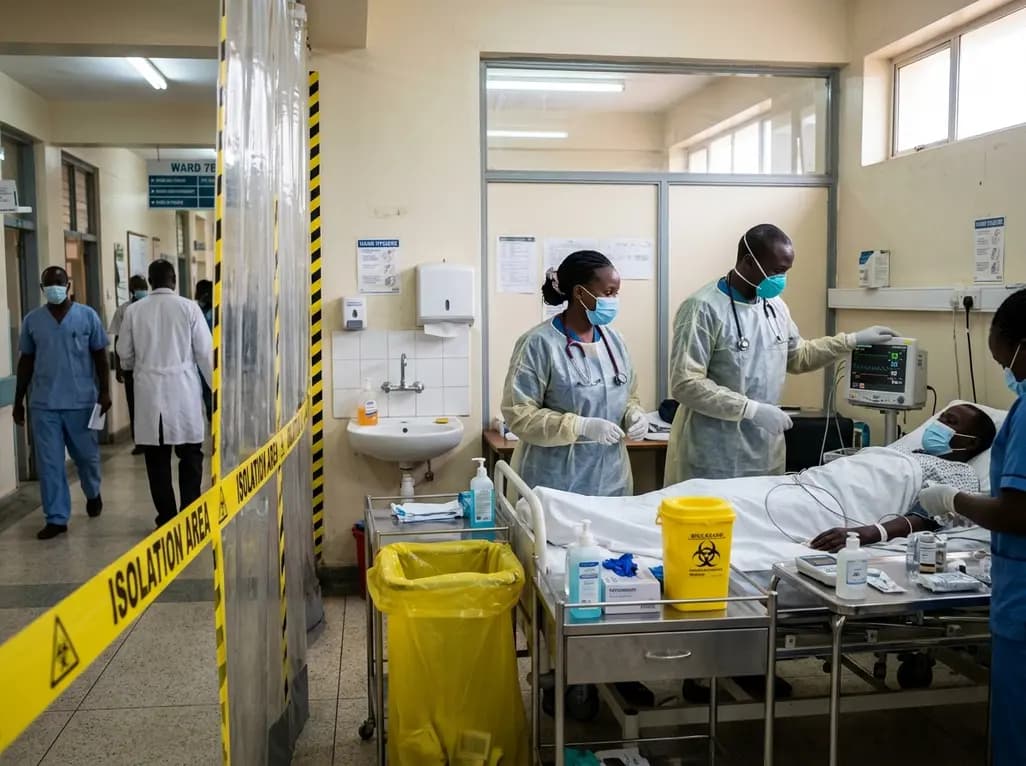
Kenya's confirmation of its eighth Ebola infection highlights the acute risk of secondary transmission in hospital environments. Clinicians must maintain high vigilance, enforce strict infection prevention protocols, and implement rapid triage mechanisms for viral hemorrhagic fevers across healthcare settings.
3 days back
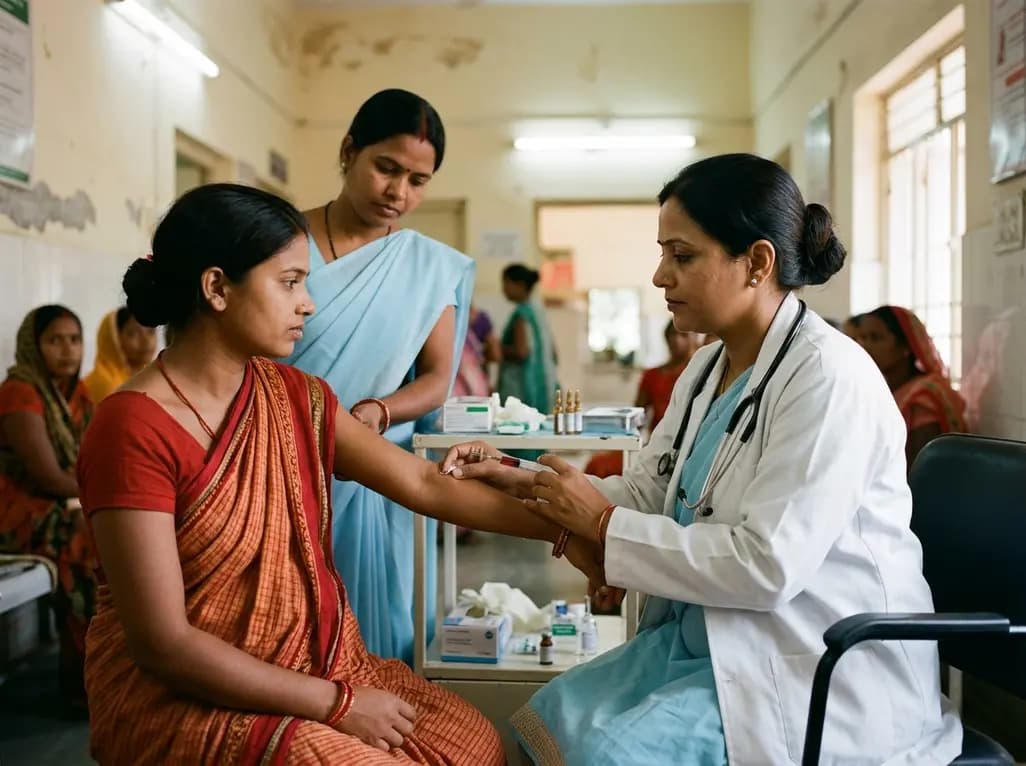
Maternal anaemia contributes to nearly half of pregnancy-related fatalities across India. To prevent complications, Uttar Pradesh has added single-dose parenteral iron to its essential medicines list. This clinical transition aims to restore haemoglobin rapidly and protect high-risk mothers across rural facilities.
Last week

India's food safety authority FSSAI has issued show-cause notices to Gemini Edibles, BigBasket, and Flipkart for unpermitted cardiovascular claims regarding Freedom Rice Bran Oil. This regulatory move highlights the strict enforcement of advertising standards and the clinical necessity of evidence-based lipid care.
5 days back
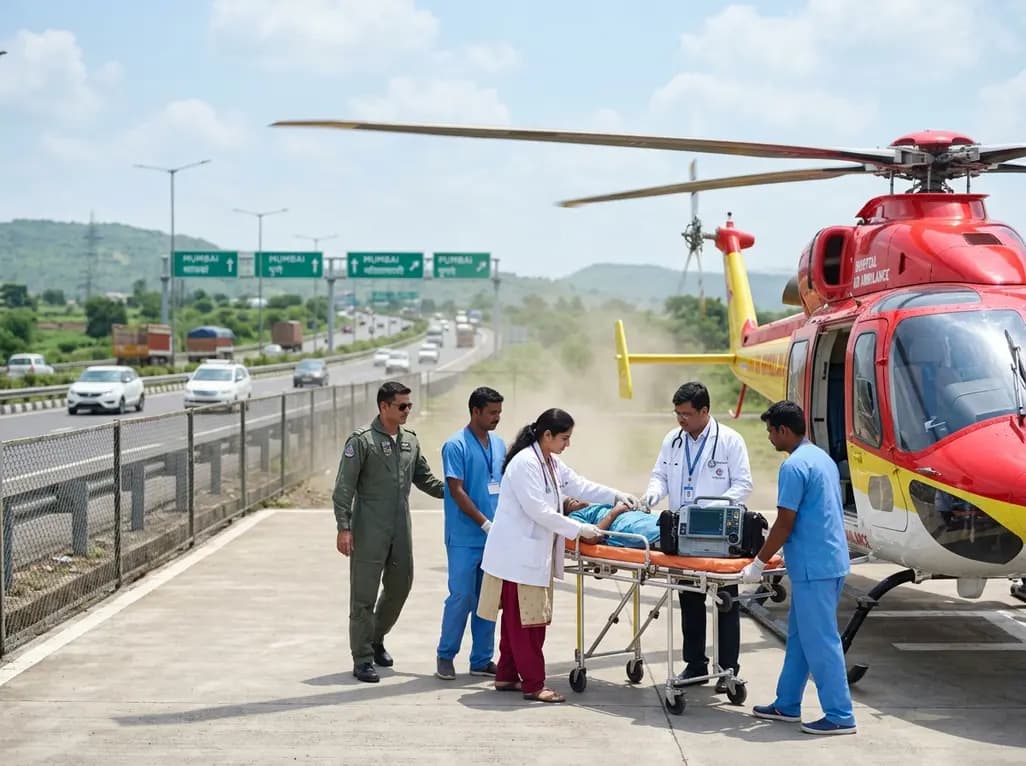
The state government is deploying helicopter emergency medical services across the Mumbai-Pune Expressway, Samruddhi Mahamarg, and Mumbai-Goa Highway. This initiative establishes unified standard operating procedures to enable rapid triage, advanced prehospital resuscitation, and seamless trauma care transfers.
Last week
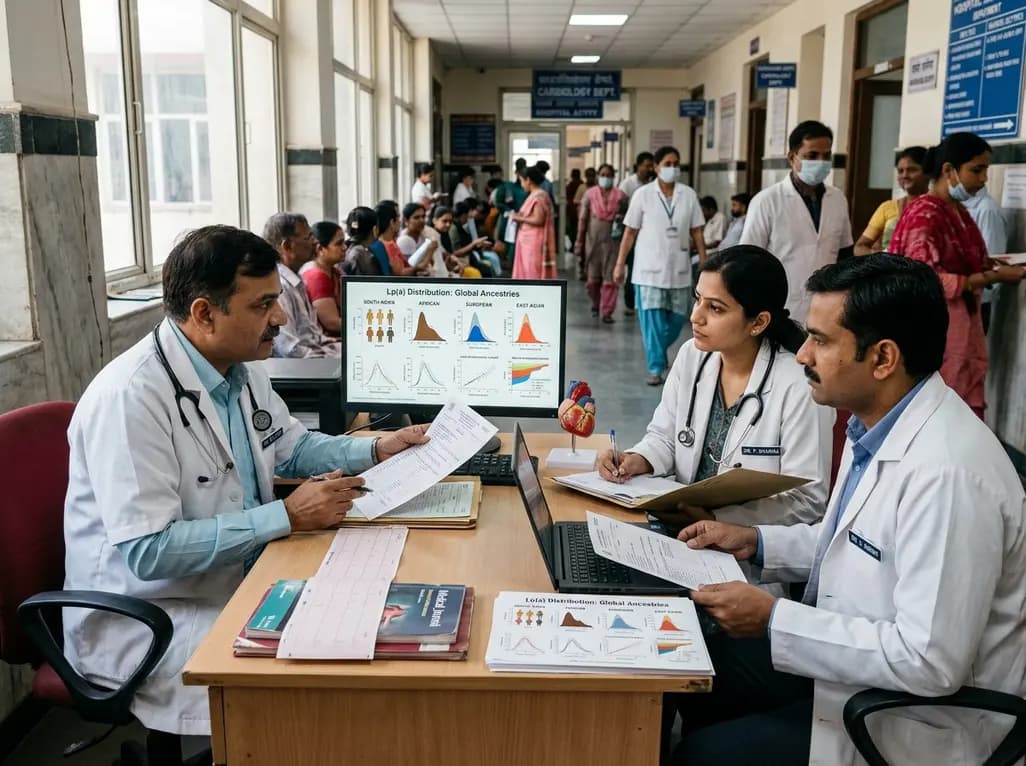
Atherosclerotic cardiovascular disease guidelines often rely on European-derived lipoprotein(a) cutoffs. However, baseline Lp(a) levels vary widely across ancestries, including South Asians and Africans. Clinicians must interpret Lp(a) values within overall absolute cardiovascular risk.
Last week
