.webp&w=384&q=75)

Loading, please wait...
Loading, please wait...

The management of chronic heart failure has underwent a paradigm shift over the last decade, transitioning from a reactive treatment model to a proactive, multidisciplinary strategy. Consequently, the European Society of Cardiology (ESC) has prioritized the release of the updated heart failure nurse curriculum to address these modern clinical complexities. This 2026 update, developed by the Heart Failure Association (HFA) and the Association of Cardiovascular Nurses and Allied Professions (ACNAP), recognizes that the roles of nursing professionals have expanded significantly since the initial 2016 framework. Furthermore, the integration of new pharmacological classes, such as SGLT2 inhibitors and incretin-based therapies, necessitates a more robust educational foundation for the nursing workforce. Because heart failure remains a leading cause of hospitalization globally, standardized training is no longer optional but essential. Therefore, this curriculum serves as a comprehensive roadmap for developing specialist skills. By aligning educational standards across borders, the ESC aims to ensure that every patient receives high-quality, evidence-based care regardless of their geographical location. Ultimately, this structured approach empowers nurses to take a more prominent role in the multidisciplinary team (MDT), facilitating better patient transitions from acute to chronic care settings.
The multidisciplinary team is widely regarded as the gold standard for managing heart failure patients, yet its success depends heavily on the competence of its members. Specifically, the nurse often serves as the central coordinator within this team, bridging the gap between various specialists. The updated curriculum emphasizes that heart failure nurses must possess not only clinical expertise but also advanced communication and leadership skills. Moreover, the integration of pharmacists, dietitians, and physiotherapists into the care pathway requires a nurse who can navigate complex interpersonal dynamics. Additionally, the curriculum highlights the importance of nurse-led clinics, which have been shown to reduce readmission rates and improve quality of life. However, achieving these outcomes requires a deep understanding of hemodynamic monitoring and symptom recognition. By fostering a collaborative environment, the curriculum ensures that nursing professionals are equipped to contribute meaningfully to clinical decision-making. Consequently, this team-based approach helps to mitigate clinical inertia, ensuring that patients receive timely dose adjustments and therapeutic interventions. In comparison to traditional models, the MDT approach supported by this curriculum offers a more holistic and responsive care experience for patients and their caregivers alike.
To meet the demands of modern cardiology, the updated curriculum delineates specific competencies based on the CanMEDS framework, including roles such as Medical Expert and Health Advocate. For instance, heart failure nurses must now demonstrate proficiency in the rapid titration of guideline-directed medical therapy (GDMT). This involves monitoring for biochemical changes, such as potassium fluctuations and renal function shifts, which are common when initiating quadruple therapy. Furthermore, the 2026 updates incorporate training on managing advanced heart failure therapies, including mechanical circulatory support and cardiac amyloidosis. Specifically, nurses are trained to identify the early warning signs of device-related complications or disease progression. Additionally, the curriculum places a significant emphasis on patient education and self-care empowerment. Because patient adherence is a critical determinant of success, nurses are taught advanced motivational interviewing techniques to encourage lifestyle modifications. Therefore, the framework ensures that nurses are not just task-oriented but are critical thinkers capable of managing complex clinical scenarios. Ultimately, these core competencies provide a baseline for professional excellence, allowing nurses to practice with a high degree of clinical autonomy while remaining within the legislative boundaries of their respective healthcare systems.
Recognizing the diversity of nursing education and clinical autonomy across different nations, the ESC has designed this curriculum with inherent flexibility. Specifically, it is intended to be adapted and adjusted based on individual country regulations and healthcare forms. For example, while some countries permit nurse prescribing, others may limit the role to clinical monitoring and titration support. Consequently, the curriculum serves as a modular template that national professional bodies or Nursing Councils can endorse to ensure local relevance. In the context of India, where the burden of heart failure is substantial, such a standardized framework could be transformative. By adopting these international benchmarks, local institutions can elevate the status of cardiovascular nursing as a distinct specialty. Moreover, the endorsement of this curriculum by national bodies would ensure uniformity in training and enhance the profession's overall contribution to heart failure care. Furthermore, it supports the professional mobility of nurses who move between different healthcare systems, ensuring their skills are recognized and utilized effectively. Therefore, the curriculum acts as a bridge between high-level international guidelines and the practical realities of local clinical practice, promoting a universal standard of nursing excellence.
A significant addition to the updated curriculum is the inclusion of digital health competencies and eHealth interventions. As remote monitoring technology becomes more prevalent, heart failure nurses are increasingly responsible for interpreting data from implantable devices and wearable sensors. Therefore, the curriculum provides a framework for integrating these digital tools into daily workflows to enable timely clinical responses. For instance, remote monitoring allows for the early detection of fluid retention, often before the patient becomes symptomatic. Consequently, nurses can initiate pre-emptive medication adjustments, potentially avoiding an emergency department visit. Additionally, the curriculum covers the use of teleconsultations to maintain continuity of care in rural or underserved areas. Because digital literacy is now a prerequisite for advanced practice, the ESC emphasizes that nurses must be proficient in managing electronic health records and data privacy. Moreover, research shows that nurse-led eHealth interventions improve patient self-management and satisfaction. Specifically, digital platforms can be used to deliver targeted education and track patient-reported outcome measures. Ultimately, by embracing technology, the heart failure nurse can provide more personalized and efficient care, ensuring that the healthcare system remains resilient in the face of rising patient numbers.
In India, the implementation of a standardized heart failure nurse curriculum presents both challenges and significant opportunities for improving public health. Given the high prevalence of heart failure at a younger age compared to Western populations, the need for specialized nursing care is acute. Specifically, the curriculum can be adapted to focus on common local comorbidities such as rheumatic heart disease and diabetes-related cardiomyopathy. Moreover, because the nurse-to-patient ratio remains a concern in many Indian hospitals, specialized training can help maximize the efficiency of existing staff. Additionally, creating clear pathways for nurse-led heart failure clinics could alleviate the heavy burden on cardiologists in tertiary care centers. However, this transition requires the support of regulatory bodies and hospital administrations to redefine nursing roles and provide the necessary clinical autonomy. Furthermore, utilizing this curriculum for continuous medical education (CME) can help keep rural healthcare providers updated on the latest therapeutic advances. Therefore, integrating these European standards with Indian clinical realities could lead to a more robust and sustainable cardiovascular care model. Consequently, the local adoption of these guidelines would not only improve patient outcomes but also provide a clear career trajectory for nursing professionals in the field of cardiology.
The primary goal of the updated curriculum is to provide a standardized, flexible framework for the advanced training of heart failure nurses. It aims to equip nursing professionals with the advanced knowledge, skills, and attitudes required to manage modern heart failure therapies. This includes the titration of new medication classes and the coordination of multidisciplinary teams to improve global patient outcomes.
The curriculum is designed in a modular and flexible way, allowing individual countries to adapt the content based on their specific professional legislation and healthcare regulations. By providing a core set of competencies that can be adjusted locally, the ESC ensures that the framework remains relevant across diverse healthcare systems while supporting the professional mobility of nurses between different regions.
Nurse-led titration is emphasized because it has been proven to reduce clinical inertia and accelerate the attainment of target guideline-directed medical therapy (GDMT) doses. Specialist nurses provide frequent monitoring and patient education, which significantly reduces the risk of hospital readmission and mortality. This approach allows cardiologists to focus on complex cases while ensuring that all patients receive optimal pharmacological management.
Disclaimer: This content is for informational and educational purposes only. It does not constitute medical advice or a professional endorsement. Healthcare providers should always rely on their clinical judgment and consult the specific regulations and standards of their local jurisdiction. Refer to the latest local and national guidelines for clinical practice.
References
Lambrinou E et al. European Society of Cardiology updated curriculum for heart failure nurses: developed by the Heart Failure Association, in collaboration with the Association of Cardiovascular Nurses and Allied Professions of the European Society of Cardiology. Eur J Heart Fail. 2026 Jul 10. doi: undefined. PMID: 42430197.
McDonagh TA et al. 2021 ESC Guidelines for the diagnosis and treatment of acute and chronic heart failure. European Heart Journal. 2021;42(36):3599-3726.
Riley JP et al. Examining the clinical role and educational preparation of heart failure nurses across Europe. European Journal of Heart Failure. 2024 Nov;26(11):2345-2356.
"
Read summarized clinical updates, watch expert medical content, and earn CME certifications right from your smartphone.
Open your smartphone camera to scan and install.





The European Society of Cardiology has released its 2026 updated curriculum for heart failure nurses. This framework emphasizes standardized training, multidisciplinary team integration, and advanced clinical skills to improve global heart failure care and patient outcomes.
3 months ago

Kenya's confirmation of its eighth Ebola infection highlights the acute risk of secondary transmission in hospital environments. Clinicians must maintain high vigilance, enforce strict infection prevention protocols, and implement rapid triage mechanisms for viral hemorrhagic fevers across healthcare settings.
4 days back

Maternal anaemia contributes to nearly half of pregnancy-related fatalities across India. To prevent complications, Uttar Pradesh has added single-dose parenteral iron to its essential medicines list. This clinical transition aims to restore haemoglobin rapidly and protect high-risk mothers across rural facilities.
Last week

India's food safety authority FSSAI has issued show-cause notices to Gemini Edibles, BigBasket, and Flipkart for unpermitted cardiovascular claims regarding Freedom Rice Bran Oil. This regulatory move highlights the strict enforcement of advertising standards and the clinical necessity of evidence-based lipid care.
6 days back
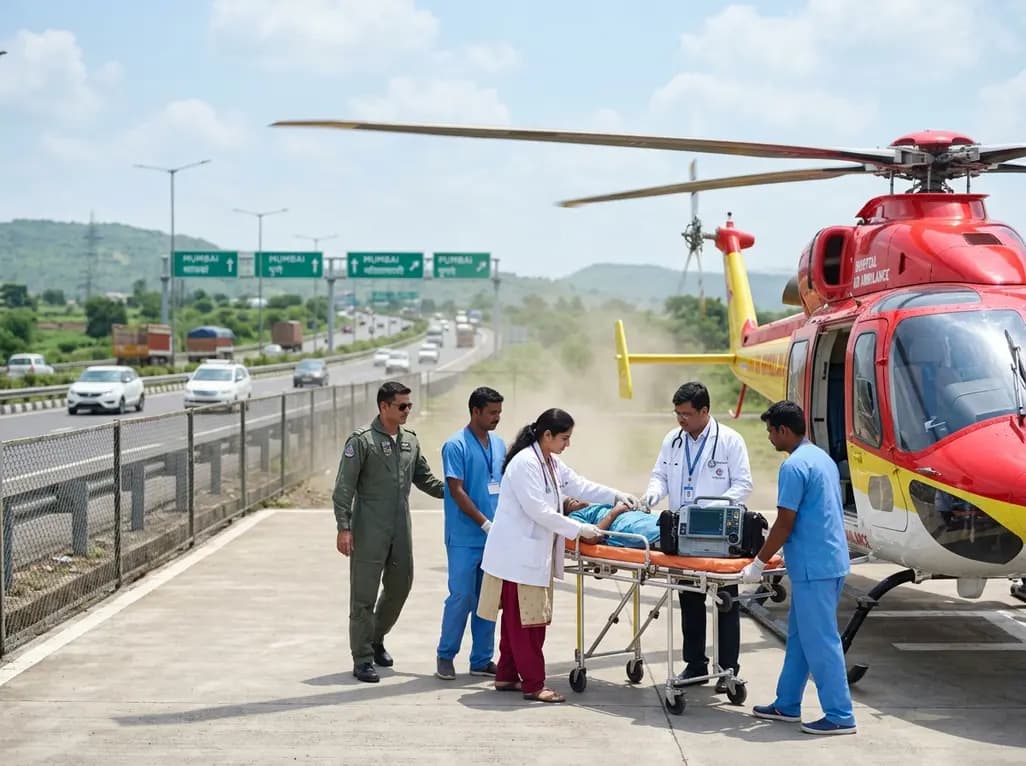
The state government is deploying helicopter emergency medical services across the Mumbai-Pune Expressway, Samruddhi Mahamarg, and Mumbai-Goa Highway. This initiative establishes unified standard operating procedures to enable rapid triage, advanced prehospital resuscitation, and seamless trauma care transfers.
Last week
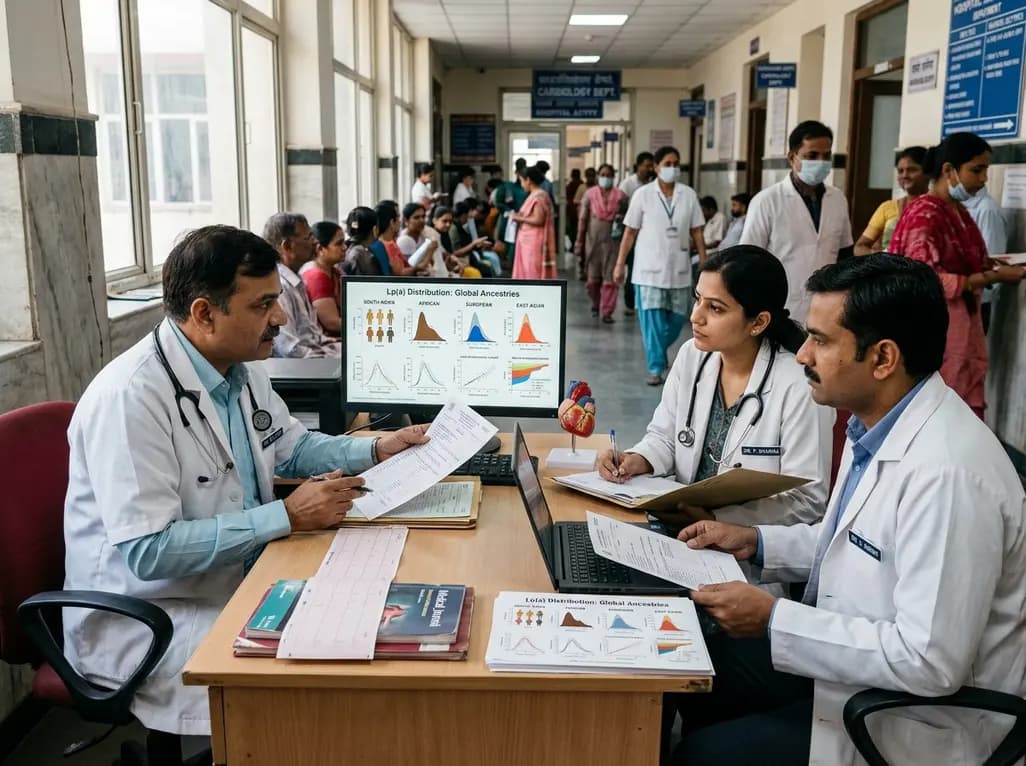
Atherosclerotic cardiovascular disease guidelines often rely on European-derived lipoprotein(a) cutoffs. However, baseline Lp(a) levels vary widely across ancestries, including South Asians and Africans. Clinicians must interpret Lp(a) values within overall absolute cardiovascular risk.
Last week
