

Loading, please wait...
Loading, please wait...
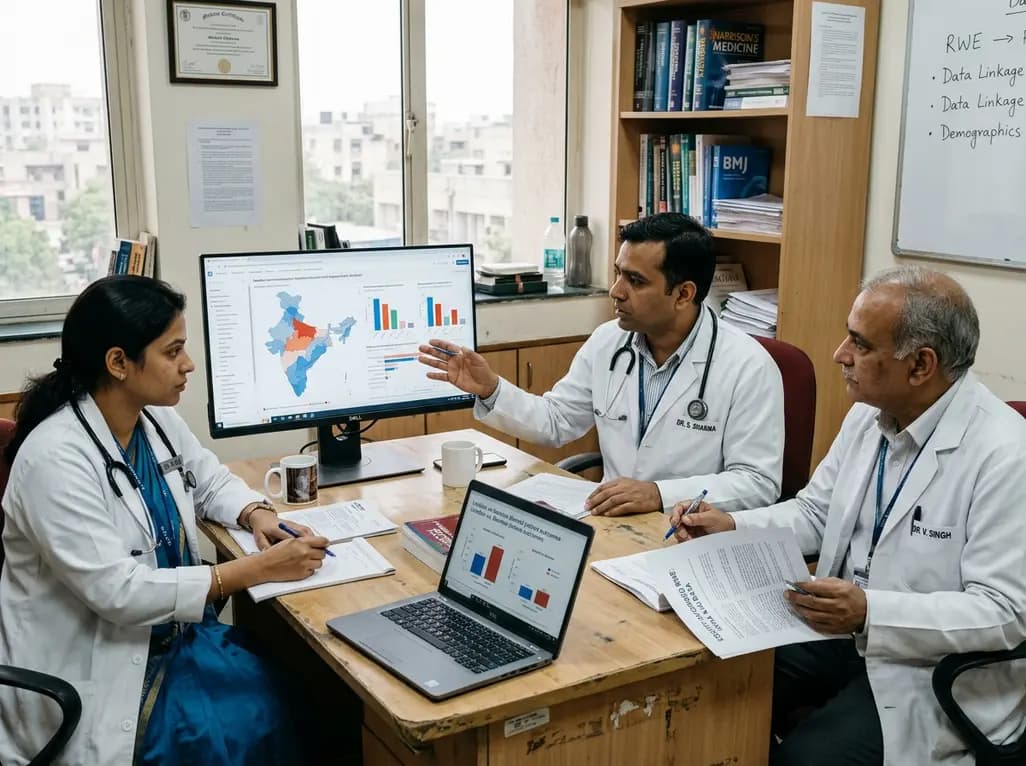
Modern healthcare decision-making increasingly relies on clinical insights gathered outside traditional trials. Consequently, equity-informative real-world evidence has emerged as a crucial instrument for identifying and resolving health disparities. Standard real-world data often report aggregate population averages, which inadvertently mask deep inequities across demographic and socioeconomic groups. Therefore, researchers and health economists advocate for stratified analytical approaches. Recent findings from international summits demonstrate that disaggregating clinical datasets transforms how clinicians evaluate therapy adoption, treatment adherence, and clinical outcomes across diverse populations.
Clinical decision-making requires evidence that reflects the full spectrum of real-world patients. Traditional randomized clinical trials frequently recruit homogeneous populations, which limits their applicability to vulnerable groups. Although real-world evidence addresses some of these gaps, conventional datasets still pool diverse patients into monolithic averages. Consequently, standard health technology assessments may deem an intervention cost-effective overall while completely overlooking persistent treatment failures in underserved communities. Equity-informative real-world evidence directly resolves this challenge by embedding equity metrics into study designs. Furthermore, this approach systematically evaluates how geographic, racial, and economic variables influence clinical outcomes. By examining these stratifications, investigators can identify systemic barriers to care delivery. Clinicians also gain vital clarity regarding why certain patient subsets fail standard therapeutic regimens. Moreover, health systems can prioritize funding for interventions that narrow survival gaps between privileged and underprivileged cohorts. Intentional study design reveals differential outcomes that standard analyses routinely overlook. Ultimately, adopting equity-focused analyses protects vulnerable populations from policy decisions that inadvertently widen health gaps across society. Thus, equity-focused real-world research bridges the crucial divide between clinical efficacy and social justice.
Healthcare systems across Asia display remarkable diversity in clinical infrastructure, digital health maturity, and insurance reimbursement frameworks. During recent collaborative workshops, Asian researchers demonstrated substantial advances in utilizing disaggregated administrative records. For example, academic teams in China recently established area-level social deprivation indices linked to stratified quality-adjusted life expectancy measures. These granular calculations reveal stark survival differences between industrialized coastal hubs and underdeveloped rural provinces. However, significant structural obstacles remain widespread across the continent. Many Asian registries still capture patient data without recording critical socioeconomic indicators, household income, or tribal identities. Consequently, health authorities struggle to assess whether novel cancer therapies or advanced biologic treatments reach socioeconomically disadvantaged communities. In addition, private-sector datasets frequently fail to communicate with public health registries. This fragmentation prevents longitudinal follow-up for patients who transition between sectors. Therefore, regional leaders emphasize the necessity of developing unified data governance architectures. Building standardized public registries will enable robust equity evaluations across all Asian healthcare settings. Coordinated cross-border collaboration will accelerate these vital data integration efforts. Furthermore, regional partnerships ensure equitable access to life-saving therapeutics for diverse populations.
The United Kingdom provides valuable operational models for integrating equity metrics into national clinical registries. Through the National Health Service, researchers routinely link clinical registries with established area-level deprivation indices, such as the Index of Multiple Deprivation. Consequently, British health economists routinely assess how socioeconomic position dictates clinical outcomes in chronic disease cohorts. Furthermore, regulatory agencies increasingly evaluate distributional cost-effectiveness analyses before finalizing national drug coverage recommendations. These innovative frameworks evaluate whether a medical technology reduces or widens existing population health divides. Nevertheless, British experts acknowledge that routine policy implementation remains incomplete. While academic centers produce sophisticated distributional models, local commissioning groups often lack the statutory guidance to prioritize equity over raw cost efficiency. Furthermore, demographic datasets frequently miss granular ethnicity details, particularly in transient urban populations. Thus, even mature systems must continually refine data collection protocols. Sustained investment in community-level data linkage remains essential for translating equity findings into routine clinical practice. Closing these lingering data gaps will empower health authorities to allocate medical resources more equitably. Consequently, continuous methodological refinements reinforce fairness across every level of NHS care delivery.
Generating equity-informative real-world evidence demands rigorous analytical methodologies and modern data architectures. Traditionally, researchers faced insurmountable difficulties when connecting clinical outcomes to social determinants of health. Today, advanced privacy-preserving record linkage techniques allow investigators to merge electronic medical records with census databases securely. Furthermore, biostatisticians employ distributional cost-effectiveness analysis to model how health benefits distribute across socioeconomic strata. This mathematical approach allows policymakers to assign explicit value to reducing health inequalities alongside aggregate health maximization. In addition, machine learning models now identify hidden clinical risk factors within non-traditional data sources, including transportation access metrics and food security scores. However, investigators must validate these computational models to prevent algorithmic biases that could distort clinical recommendations. Industry partners also contribute by standardizing stratified endpoint reporting in post-marketing surveillance trials. Therefore, combining sophisticated linkage algorithms with transparent statistical standards establishes a reproducible foundation for equity-focused research worldwide. Robust analytical validation guarantees that clinical stakeholders can trust these stratified findings for routine guideline updates. Ultimately, transparent methodological standards empower healthcare analysts to translate complex population data into actionable clinical strategies.
For Indian clinicians and healthcare administrators, these international findings offer timely and practical insights. India possesses tremendous demographic and geographic heterogeneity, spanning advanced tertiary centers and rural public health clinics. National initiatives like Ayushman Bharat Pradhan Mantri Jan Arogya Yojana generate massive repositories of claims data. However, these datasets remain largely aggregated, obscuring inter-district disparities and socio-cultural determinants of treatment adherence. By adopting lessons from the UK and China, Indian health authorities can develop domestic deprivation indices tailored to rural and urban realities. Furthermore, researchers can link hospital claims with district-level development metrics to monitor therapy access under the National Health Mission. Clinicians also benefit directly from these insights when evaluating chronic disease protocols. Understanding local socioeconomic barriers allows doctors to personalize treatment regimens, thereby reducing treatment default rates for hypertension and diabetes. Ultimately, integrating equity-informative real-world evidence into India's Health Technology Assessment framework will ensure that public health funds deliver optimal, fair clinical outcomes for all citizens. Systematic data disaggregation will transform clinical equity nationwide. Therefore, Indian healthcare leaders must champion unified registry linkages to guarantee medical justice across all societal strata.
Equity-informative real-world evidence evaluates clinical and economic outcomes across diverse population subgroups defined by socioeconomic status, geography, and demographics. Unlike standard evaluations that present aggregate averages, this approach disaggregates data to uncover hidden healthcare disparities. Consequently, policymakers and healthcare providers can observe how social determinants influence treatment access and therapy effectiveness, ensuring that clinical interventions benefit vulnerable and underserved patient cohorts equitably.
Disaggregated data is essential because aggregate metrics often mask substantial survival and therapeutic disparities among marginalized patient groups. By stratifying clinical datasets according to geography, income level, and social vulnerability, investigators can identify systemic inequities in drug access and treatment adherence. Therefore, clinicians receive accurate evidence reflecting vulnerable populations, which allows them to tailor therapy guidelines, allocate hospital resources efficiently, and deliver personalized, equitable medical care.
Indian healthcare can implement equity-informative real-world evidence by linking national insurance claims, such as Ayushman Bharat, with district-level socioeconomic indices. Furthermore, researchers must standardize subgroup reporting in post-marketing registries and electronic health records. By integrating distributional cost-effectiveness analysis into national Health Technology Assessment frameworks, Indian health administrators can prioritize funding for interventions that narrow healthcare disparities and improve health equity across both urban and rural communities.
Disclaimer: This content is for informational and educational purposes only and does not constitute medical advice, diagnosis, or treatment. Healthcare professionals must exercise independent clinical judgment. Refer to the latest local and national guidelines for clinical practice.
References

Read summarized clinical updates, watch expert medical content, and earn CME certifications right from your smartphone.
Open your smartphone camera to scan and install.





A recent international summit highlighted how equity-informative real-world evidence illuminates health disparities across Asia and the UK. By leveraging disaggregated data and socioeconomic linkage, healthcare systems can ensure equitable resource allocation and improve clinical outcomes.
Yesterday
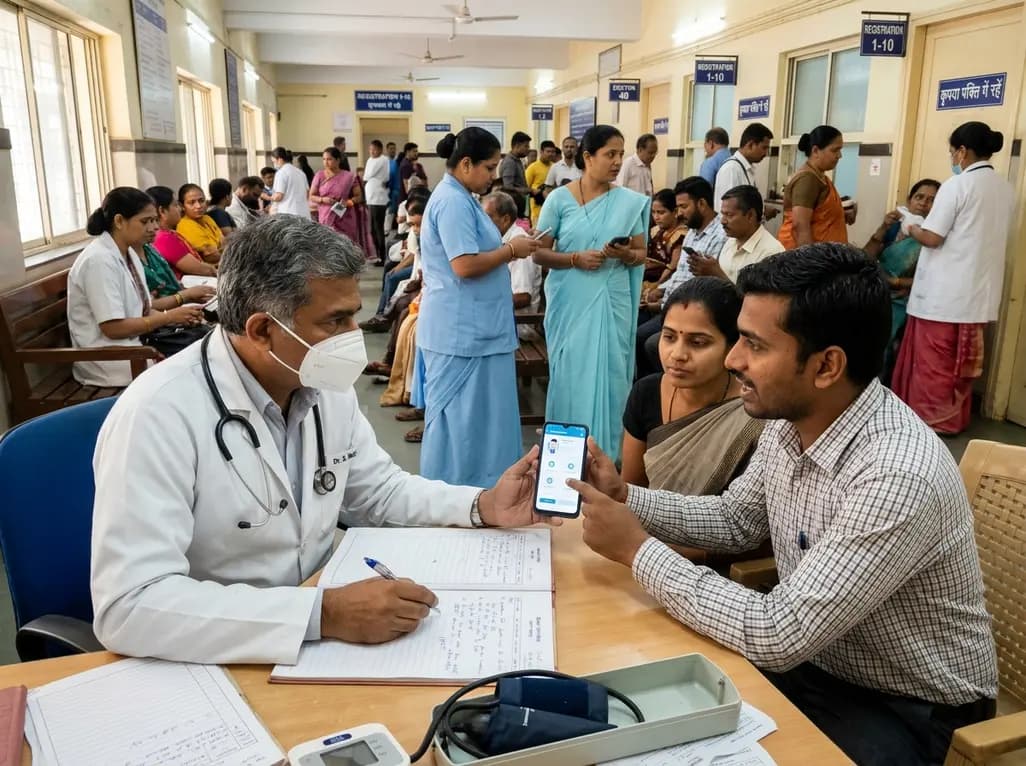
A recent Boston Consulting Group report shows 60 percent of Indian patients view digital sources as equivalent to doctor consultations. Clinicians must adapt to changing patient expectations regarding diagnostic clarity, price transparency, and rapid digital communication across clinical care pathways.
Yesterday
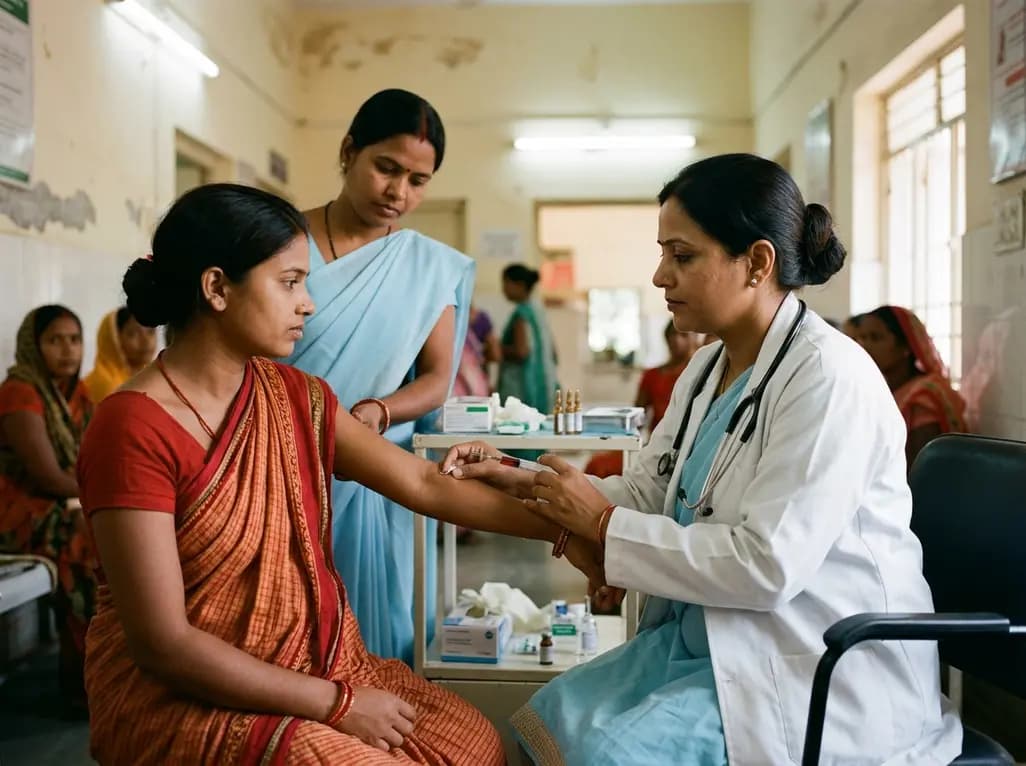
Maternal anaemia contributes to nearly half of pregnancy-related fatalities across India. To prevent complications, Uttar Pradesh has added single-dose parenteral iron to its essential medicines list. This clinical transition aims to restore haemoglobin rapidly and protect high-risk mothers across rural facilities.
last month

India's food safety authority FSSAI has issued show-cause notices to Gemini Edibles, BigBasket, and Flipkart for unpermitted cardiovascular claims regarding Freedom Rice Bran Oil. This regulatory move highlights the strict enforcement of advertising standards and the clinical necessity of evidence-based lipid care.
4 weeks back

The state government is deploying helicopter emergency medical services across the Mumbai-Pune Expressway, Samruddhi Mahamarg, and Mumbai-Goa Highway. This initiative establishes unified standard operating procedures to enable rapid triage, advanced prehospital resuscitation, and seamless trauma care transfers.
4 weeks back
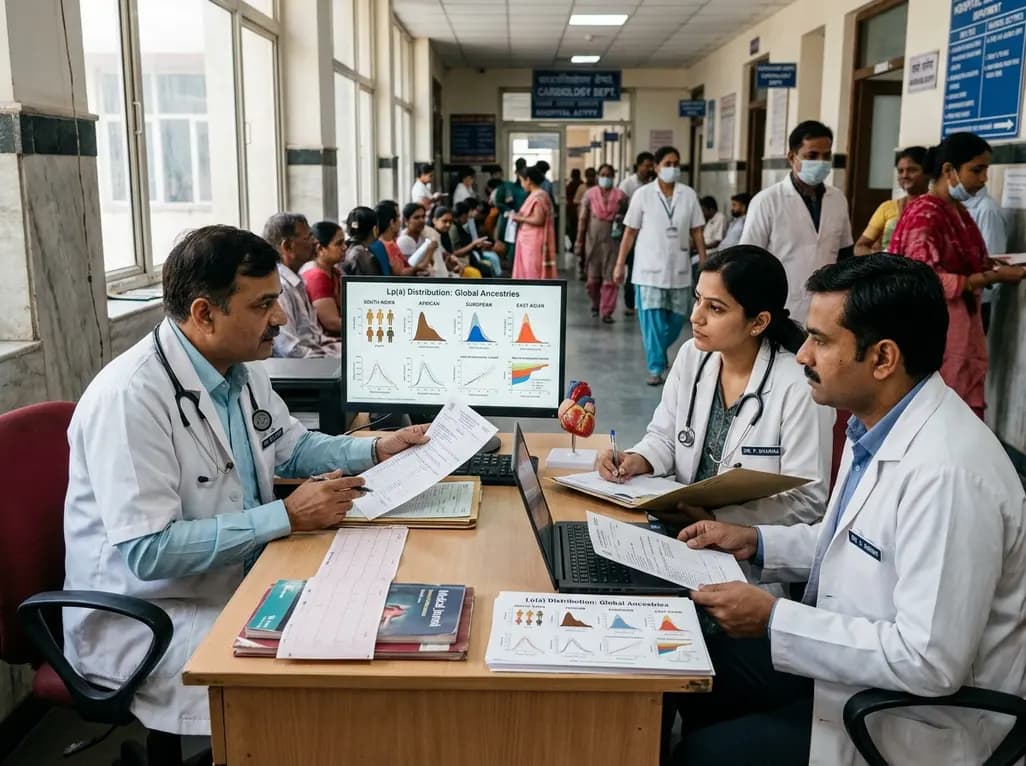
Atherosclerotic cardiovascular disease guidelines often rely on European-derived lipoprotein(a) cutoffs. However, baseline Lp(a) levels vary widely across ancestries, including South Asians and Africans. Clinicians must interpret Lp(a) values within overall absolute cardiovascular risk.
last month
