

Loading, please wait...
Loading, please wait...
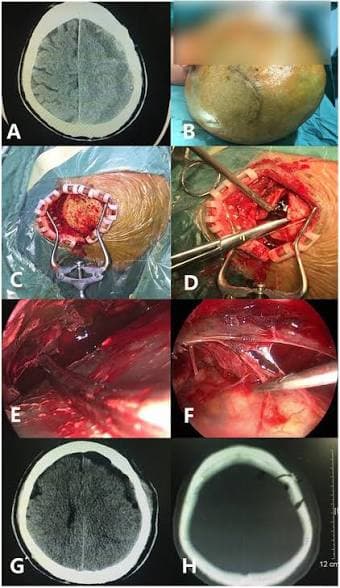
This pilot randomized trial conducted at Government Kilpauk Medical College, Chennai, compared endoscopic membranectomy (EM) with craniotomy and membranectomy (CM) for symptomatic non-homogeneous chronic subdural hematoma. Sixty patients were randomized and followed for six months. No recurrence was observed in either group during follow-up, although two patients in the CM group required reoperation on postoperative day one (P = 0.15). Endoscopic membranectomy was associated with shorter operative time (P = 0.02), less postoperative residual subdural fluid (P = 0.015), improved early radiological indices, less surgical-site swelling (P < 0.001), and shorter hospital stay (P = 0.004). Pain scores and functional recovery were comparable between groups; all patients were ambulant and had a Glasgow Coma Scale score of 15 at discharge and at six months. Conclusion: Endoscopic membranectomy showed promising early radiological and perioperative outcomes, with comparable six-month recurrence and functional recovery in this small trial. Larger multicenter studies are needed before concluding that it is superior to craniotomy.

Read summarized clinical updates, watch expert medical content, and earn CME certifications right from your smartphone.
Open your smartphone camera to scan and install.





This pilot randomized trial conducted at Government Kilpauk Medical College, Chennai, compared endoscopic membranectomy (EM) with craniotomy and membranectomy (CM) for symptomatic non-homogeneous chronic subdural hematoma. Sixty patients were randomized and followed for six months. No recurrence was observed in either group during follow-up, although two patients in the CM group required reoperation on postoperative day one (P = 0.15). Endoscopic membranectomy was associated with shorter operative time (P = 0.02), less postoperative residual subdural fluid (P = 0.015), improved early radiological indices, less surgical-site swelling (P < 0.001), and shorter hospital stay (P = 0.004). Pain scores and functional recovery were comparable between groups; all patients were ambulant and had a Glasgow Coma Scale score of 15 at discharge and at six months. Conclusion: Endoscopic membranectomy showed promising early radiological and perioperative outcomes, with comparable six-month recurrence and functional recovery in this small trial. Larger multicenter studies are needed before concluding that it is superior to craniotomy.
Today
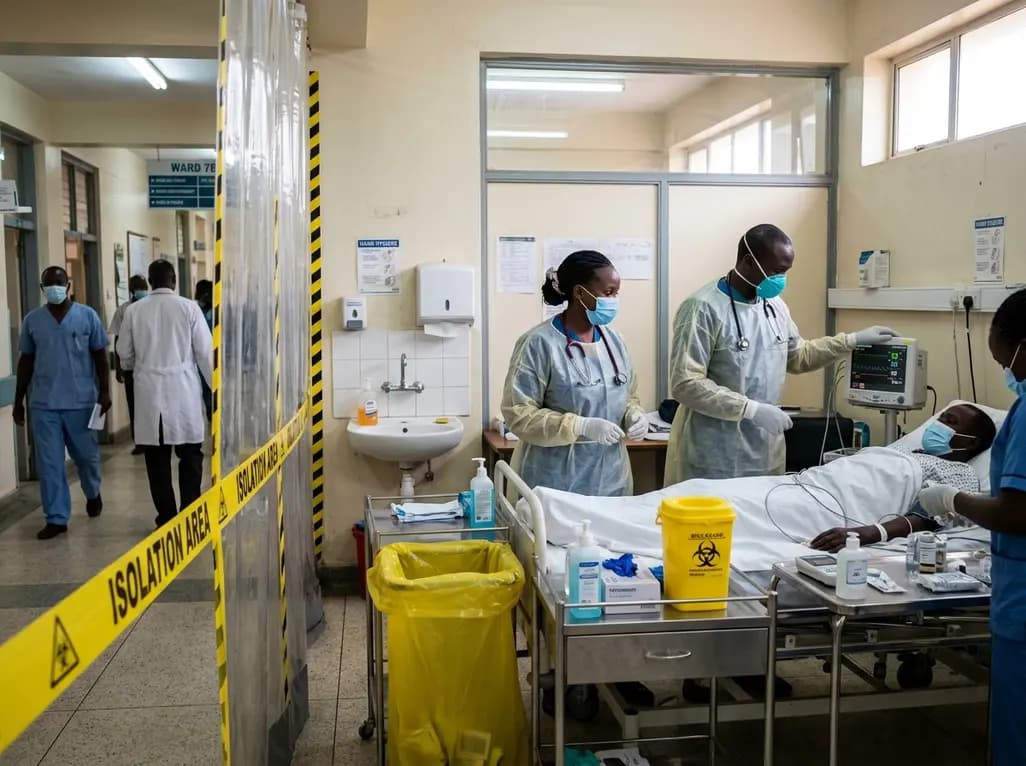
Kenya's confirmation of its eighth Ebola infection highlights the acute risk of secondary transmission in hospital environments. Clinicians must maintain high vigilance, enforce strict infection prevention protocols, and implement rapid triage mechanisms for viral hemorrhagic fevers across healthcare settings.
Last week
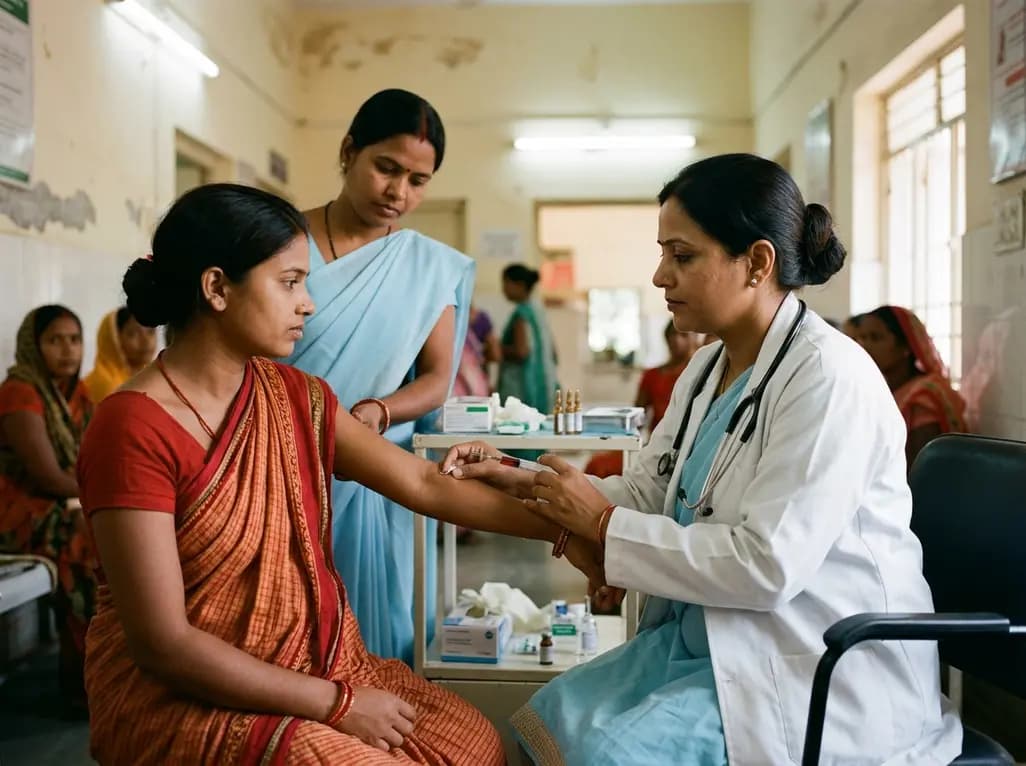
Maternal anaemia contributes to nearly half of pregnancy-related fatalities across India. To prevent complications, Uttar Pradesh has added single-dose parenteral iron to its essential medicines list. This clinical transition aims to restore haemoglobin rapidly and protect high-risk mothers across rural facilities.
2 weeks back
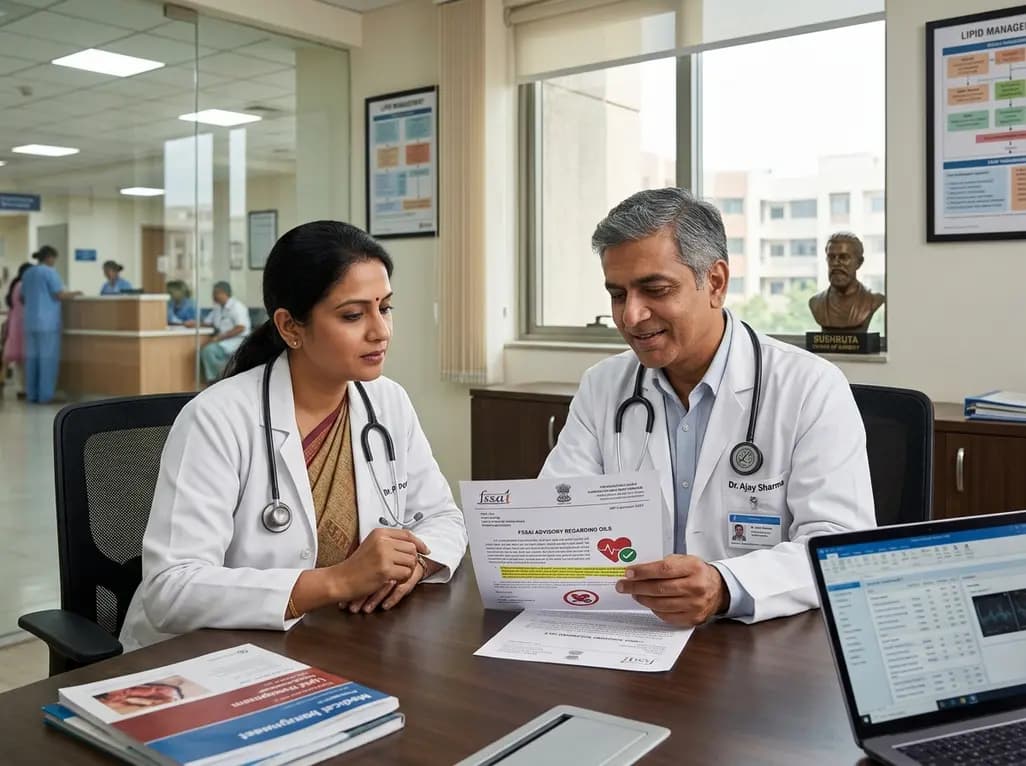
India's food safety authority FSSAI has issued show-cause notices to Gemini Edibles, BigBasket, and Flipkart for unpermitted cardiovascular claims regarding Freedom Rice Bran Oil. This regulatory move highlights the strict enforcement of advertising standards and the clinical necessity of evidence-based lipid care.
Last week

The state government is deploying helicopter emergency medical services across the Mumbai-Pune Expressway, Samruddhi Mahamarg, and Mumbai-Goa Highway. This initiative establishes unified standard operating procedures to enable rapid triage, advanced prehospital resuscitation, and seamless trauma care transfers.
Last week
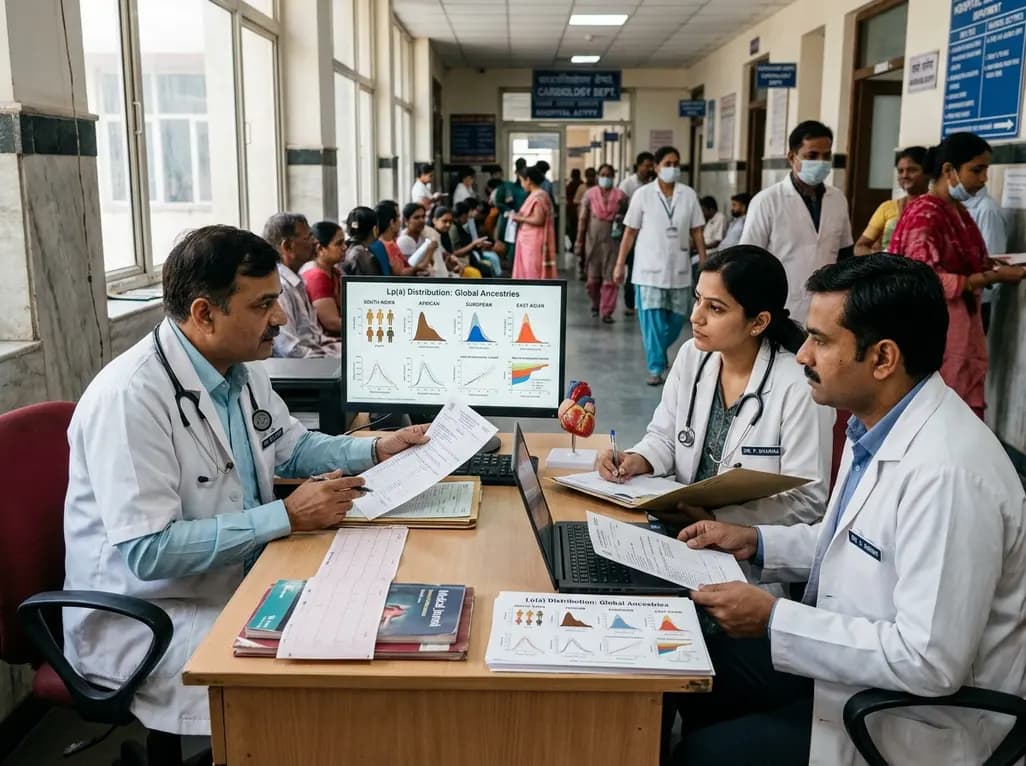
Atherosclerotic cardiovascular disease guidelines often rely on European-derived lipoprotein(a) cutoffs. However, baseline Lp(a) levels vary widely across ancestries, including South Asians and Africans. Clinicians must interpret Lp(a) values within overall absolute cardiovascular risk.
2 weeks back
