.webp&w=384&q=75)

Loading, please wait...
Loading, please wait...

Iodine remains a fundamental trace element required for the synthesis of thyroid hormones, specifically thyroxine and triiodothyronine. These hormones regulate essential metabolic processes and are critical for early growth and neurodevelopment. Consequently, eliminating iodine deficiency has become a primary objective for public health authorities worldwide. In many regions, natural iodine levels in the soil are insufficient, leading to a ripple effect through the food chain that ultimately affects human health. Therefore, populations living in these endemic areas are at significant risk for a variety of thyroid-related disorders. Furthermore, the clinical manifestations of deficiency vary significantly across different life stages. For instance, while adults may present with goiter or thyroid nodularity, the most devastating impact occurs during fetal development. Indeed, even a mild insufficiency during pregnancy can interfere with the maturation of the central nervous system. This interference often results in a permanent reduction in intellectual potential, manifesting as lower IQ scores in later life. Accordingly, the recent success reported in Hungary provides a vital case study for clinical educators and policymakers. By combining regulatory action with rigorous laboratory monitoring, Hungary has demonstrated that achieving adequate iodine supply is a feasible goal for modern healthcare systems.
Hungary's approach to eliminating iodine deficiency was characterized by a transition from voluntary measures to robust legislative action. Historically, the nation struggled with varying levels of iodine status across different provinces. However, a significant turning point occurred in 2014 when the government introduced a mandatory regulation regarding public catering. Specifically, this regulation required the exclusive use of iodized salt in all institutional meal preparations, including those in schools, kindergartens, and social care facilities. As a result, children who consumed their primary meals in these settings received a consistent and predictable supply of this essential micronutrient. Moreover, this "silent prophylaxis" strategy bypassed the challenges of individual compliance that often plague voluntary supplementation programs. In addition to salt iodization, the medical community actively promoted the use of iodine-containing prenatal multivitamins for expectant mothers. This dual approach ensured that the most vulnerable groups, particularly pregnant women and school-aged children, were prioritized. Furthermore, the systematic screening of goiter and the measurement of median urinary iodine concentration became standard practice. Consequently, these integrated efforts created a comprehensive safety net that addressed the root causes of nutritional insufficiency while providing the data necessary to refine public health interventions over time.
To validate the effectiveness of these public health measures, researchers conducted a detailed study between 2018 and 2023 involving school-age children in Eastern Hungary. During this period, the urinary iodine concentrations of 583 participants were meticulously analyzed to assess the current iodine supply. Importantly, urinary iodine excretion is recognized by the World Health Organization as the gold standard for evaluating the iodine status of a population. The results of this study were highly encouraging, revealing a median urinary iodine excretion of 202.4 µg/L. According to international standards, a median value between 100 and 299 µg/L signifies an adequate iodine intake. Furthermore, the distribution of values, with a first quartile of 133.5 µg/L and a third quartile of 317.3 µg/L, suggests that a significant majority of the pediatric population is now receiving sufficient iodine. This achievement is particularly noteworthy because it confirms that the legislative changes introduced a decade prior have successfully translated into biological adequacy. Nevertheless, the researchers emphasized that regular monitoring remains essential to prevent any regression. Indeed, nutritional habits can shift rapidly, and the continuous oversight of salt iodization levels is necessary to ensure that the progress made over the last fifty years is sustained for future generations.
The success in eliminating iodine deficiency carries profound implications for the cognitive health of the Hungarian population. Because thyroid hormones are indispensable for neuronal migration and myelination, the elimination of deficiency during the prenatal period is a major victory for neurodevelopment. For instance, children born in an environment where iodine is readily available are much more likely to reach their full genetic potential for cognitive function. Conversely, even mild iodine deficiency during gestation has been linked to subtle neurocognitive deficits that may not be immediately apparent but become evident during formal schooling. Therefore, by ensuring that school-aged children and pregnant women have adequate iodine, the medical community is effectively safeguarding the collective intelligence of the nation. In addition to cognitive benefits, adequate iodine intake prevents the development of endemic goiter in the younger population. Historically, goiter was a common physical marker of nutritional neglect, often leading to secondary complications such as respiratory distress or swallowing difficulties in severe cases. However, thanks to current interventions, these physical manifestations have largely vanished in the modern pediatric cohort. Consequently, clinicians can now shift their focus from treating the consequences of deficiency to maintaining the high standard of nutritional health achieved through these systemic improvements.
When comparing Hungary’s success with the situation in India, several parallels and unique challenges emerge. India has a long history of addressing iodine deficiency through the National Iodine Deficiency Disorders Control Programme (NIDDCP). Much like the Hungarian model, India emphasizes universal salt iodization as its primary strategy. Notably, recent surveys like the NFHS-5 have shown that a vast majority of Indian households now have access to iodized salt. However, significant regional variations persist, particularly in mountainous and flood-prone areas where iodine is naturally leached from the soil. Furthermore, while household coverage is high, the Hungarian model of targeting public catering offers an interesting supplementary strategy for India to consider. For example, incorporating mandatory iodized salt into the Mid-Day Meal Scheme could provide an additional layer of protection for millions of school-going children. Moreover, the Hungarian emphasis on constant laboratory monitoring highlights the need for India to strengthen its decentralized testing facilities. By ensuring that every district can reliably measure urinary iodine levels, Indian health officials can better identify local pockets of deficiency. Ultimately, the goal of eliminating iodine deficiency requires a combination of strong legislation, public awareness, and rigorous scientific oversight. By learning from international successes, the Indian medical community can continue to refine its strategies to protect maternal and child health across the subcontinent.
Despite the successful elimination of deficiency in the current pediatric population, a significant clinical challenge remains regarding the middle-aged and elderly population. Specifically, individuals who grew up during the decades when iodine deficiency was prevalent still carry the physiological consequences of that period. Indeed, chronic iodine insufficiency in childhood often leads to the development of thyroid nodularity and autonomous function later in life. Consequently, clinicians are now seeing a high prevalence of nodular goiter and subclinical thyroid dysfunction in older adults who are technically now living in an iodine-sufficient environment. This phenomenon creates a complex diagnostic landscape where the current nutritional status does not align with the historical damage. Furthermore, when iodine intake is suddenly increased in a population that was previously deficient, there is a temporary risk of iodine-induced hyperthyroidism, especially in those with pre-existing nodules. Therefore, the medical community must remain vigilant in monitoring the thyroid health of the aging population while celebrating the success achieved with the youth. Moreover, this persistent legacy underscores the critical importance of early and continuous intervention. Once the damage to the thyroid architecture is done, it cannot be easily reversed simply by restoring iodine levels. Thus, the Hungarian experience serves as a powerful reminder that while we can successfully change the future, we must also develop strategies to manage the clinical echoes of the past.
Mandatory iodization in public catering, such as schools and hospitals, ensures a guaranteed minimum intake for large segments of the population regardless of their individual shopping habits. This systemic approach is often called "silent prophylaxis" because it provides nutritional protection without requiring active behavioral changes from the public. In contrast, voluntary household use depends entirely on consumer awareness, price sensitivity, and retail availability, which can lead to significant gaps in coverage among vulnerable or low-income groups.
Median urinary iodine concentration is the preferred marker because more than 90% of dietary iodine is eventually excreted in the urine. Therefore, it serves as a highly accurate proxy for recent iodine intake. In a population survey, the median value helps public health officials determine if the group as a whole is meeting nutritional requirements. While individual levels can fluctuate daily based on specific meals, the collective median provides a stable and reliable measure for monitoring the success of national fortification programs.
Unfortunately, the most significant cognitive damage caused by iodine deficiency occurs during the critical windows of fetal brain development and early infancy. These neurological changes, such as impaired neuronal migration and myelination, are generally considered irreversible once those developmental phases are complete. While restoring iodine levels in adulthood is essential for maintaining proper thyroid function and preventing goiter, it cannot restore the intellectual potential lost during early life. This reality highlights why continuous, early-life iodine sufficiency is a high-priority public health goal.
Disclaimer: This content is for informational and educational purposes only and does not constitute medical advice. It is not intended to be a substitute for professional medical advice, diagnosis, or treatment. Always seek the advice of your physician or other qualified health provider with any questions you may have regarding a medical condition. Refer to the latest local and national guidelines for clinical practice.
References
Molnár Z et al. [Towards the elimination of iodine deficiency in Hungary]. Orv Hetil. 2026 Jun 28. doi: 10.1556/650.2026.33577. PMID: 42365592.
World Health Organization. Assessment of iodine deficiency disorders and monitoring their elimination: a guide for programme managers. 3rd ed. Geneva: World Health Organization; 2007.
Zimmermann MB, Boelaert K. Iodine deficiency and thyroid disorders. Lancet Diabetes Endocrinol. 2015;3(4):286-295. doi:10.1016/S2213-8587(14)70225-6.

Read summarized clinical updates, watch expert medical content, and earn CME certifications right from your smartphone.
Open your smartphone camera to scan and install.





Hungary has successfully eliminated iodine deficiency through mandatory iodized salt use in public catering and consistent pediatric monitoring. This breakthrough highlights the importance of regulatory measures and the long-term impact of early-life iodine status on cognitive and thyroid health.
3 months ago

Kenya's confirmation of its eighth Ebola infection highlights the acute risk of secondary transmission in hospital environments. Clinicians must maintain high vigilance, enforce strict infection prevention protocols, and implement rapid triage mechanisms for viral hemorrhagic fevers across healthcare settings.
4 days back
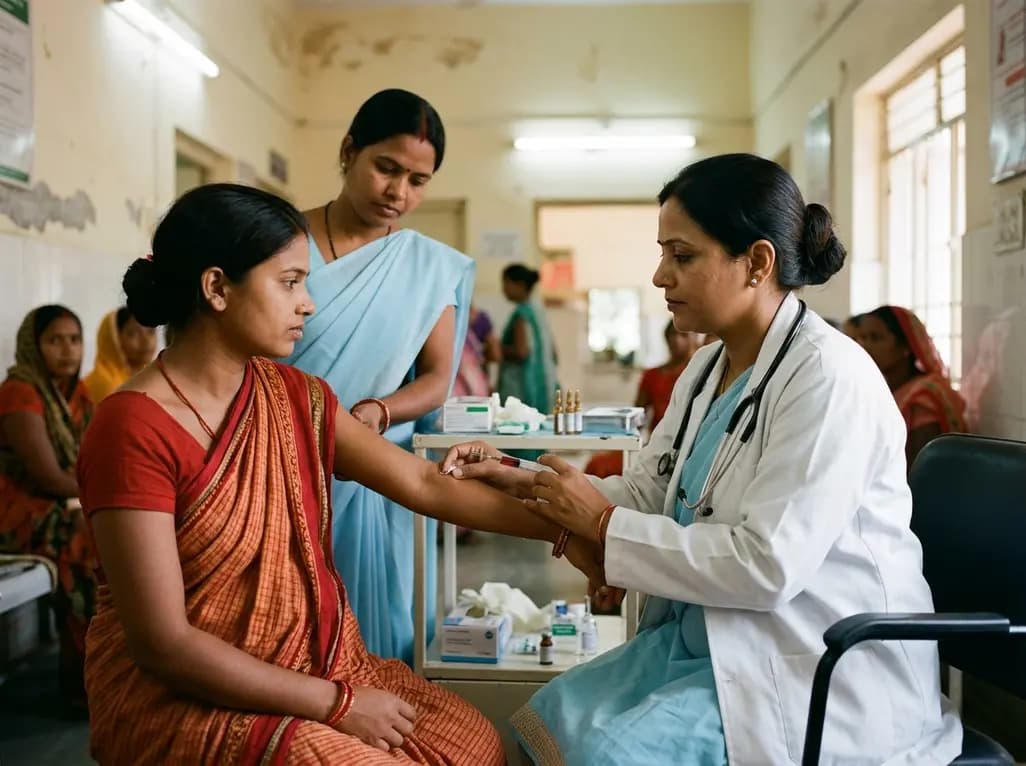
Maternal anaemia contributes to nearly half of pregnancy-related fatalities across India. To prevent complications, Uttar Pradesh has added single-dose parenteral iron to its essential medicines list. This clinical transition aims to restore haemoglobin rapidly and protect high-risk mothers across rural facilities.
Last week

India's food safety authority FSSAI has issued show-cause notices to Gemini Edibles, BigBasket, and Flipkart for unpermitted cardiovascular claims regarding Freedom Rice Bran Oil. This regulatory move highlights the strict enforcement of advertising standards and the clinical necessity of evidence-based lipid care.
6 days back

The state government is deploying helicopter emergency medical services across the Mumbai-Pune Expressway, Samruddhi Mahamarg, and Mumbai-Goa Highway. This initiative establishes unified standard operating procedures to enable rapid triage, advanced prehospital resuscitation, and seamless trauma care transfers.
Last week
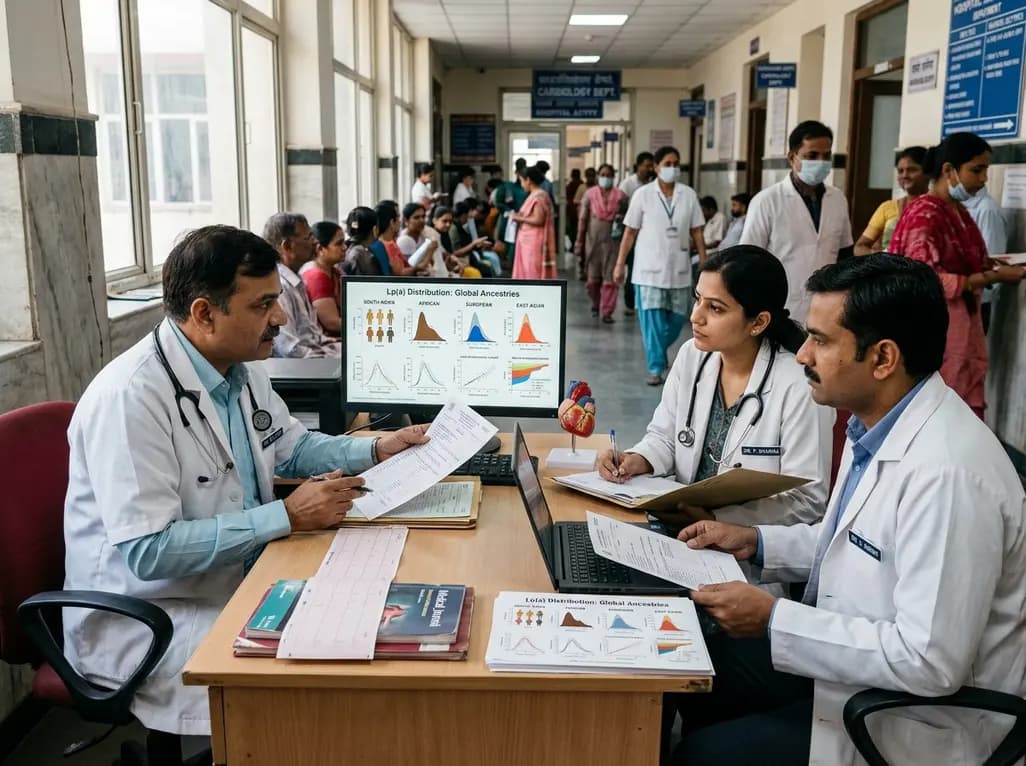
Atherosclerotic cardiovascular disease guidelines often rely on European-derived lipoprotein(a) cutoffs. However, baseline Lp(a) levels vary widely across ancestries, including South Asians and Africans. Clinicians must interpret Lp(a) values within overall absolute cardiovascular risk.
Last week
