The ongoing outbreak in the Democratic Republic of Congo and neighboring Uganda has raised severe global public health concerns. The United States CDC and the World Health Organization are supporting international response teams. These teams are scrambling to curb the spread of the Bundibugyo strain. A critical driver of this ongoing epidemic is the unsafe movement of deceased individuals across local territories. Health authorities have identified that deceased individuals remain highly contagious, making safe burial protocols a necessity. Therefore, studying the mechanics of Ebola virus transmission during these custom-driven practices is paramount. This article explores how post-mortem relocation of victims fuels the outbreak and highlights clinical recommendations for containment.
Understanding the Bundibugyo Strain and Ebola Virus Transmission
The current epidemic is uniquely driven by the Bundibugyo ebolavirus. This species presents a distinct clinical profile compared to the Zaire strain. Since this pathogen lacks widely authorized vaccines, standard containment measures must rely entirely on supportive care. Strict infection prevention is also vital. Clinically, Ebola virus transmission occurs primarily through direct contact with infected bodily fluids. This includes blood, secretions, and organs of infected individuals. The virus also propagates via contaminated surfaces like bedding and clothing. The incubation period typically spans from two to twenty-one days. Patients are not infectious until symptoms appear. Once the disease manifests, patients experience a rapid onset of high fever and muscle pain. Headaches and sore throats are also common. This phase quickly escalates to vomiting and diarrhea. Impaired kidney and liver function often follow. In severe cases, internal and external bleeding occurs. Because the virus concentrates heavily in fluids, healthcare workers face extreme risks. Therefore, understanding these transmission mechanics is critical. It is the first step toward building effective community defenses.
The High Infectivity of Ebola Post-Mortem
One of the most dangerous aspects of this pathogen is its high post-mortem infectivity. Unlike other viruses, Ebola remains highly stable in deceased bodies. In fact, viral loads in bodily fluids often peak around the time of death. This makes the corpse an extraordinary source of infection. Traditional mourning customs in Congo involve washing, touching, and dressing the deceased. These rituals directly expose family members to highly infectious secretions. When communities perform these rituals without protective gear, transmission clusters emerge. Public health organizations emphasize that safe and dignified burials are critical medical interventions. Currently, more than two-thirds of the recorded deaths occur outside clinical settings. This means families handle most victims without any protection. Consequently, managing post-mortem remains with extreme caution is vital. It represents the most effective way to break the transmission chain. We must prioritize these safe burial protocols immediately. This is the only way to safeguard grieving families. Education campaigns must also target these custom-driven practices to drive awareness.
Challenges of Cross-District Body Transport
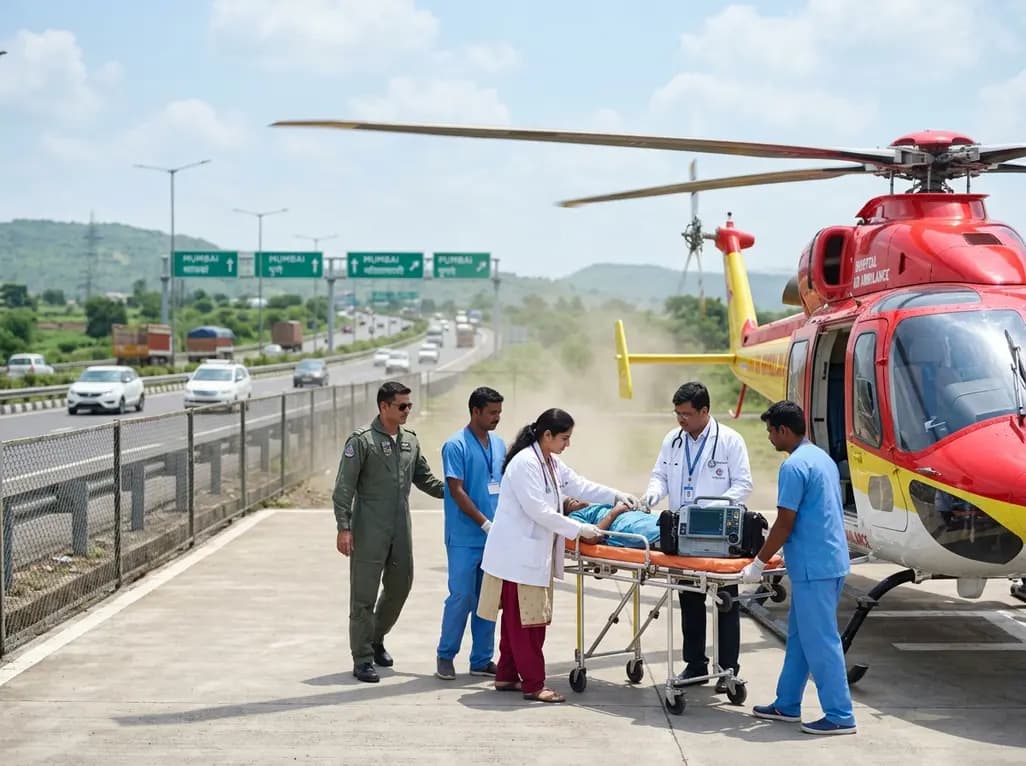
A major complicating factor is the desire to transport deceased relatives back to ancestral lands. Families frequently carry bodies across district boundaries. This introduces the virus to entirely new, unaffected regions. Consequently, new chains of transmission begin. According to the International Organization for Migration, surveillance teams have intercepted over one hundred bodies. One case involved a body moved across provincial borders. This movement directly led to a fresh cluster of infections in Tshopo province. These movements undermine regional quarantine efforts. From a clinical perspective, transporting an infectious corpse without containment is highly dangerous. Fluids leaking from the body contaminate vehicles and personal belongings. This exposes everyone involved in the transit. Therefore, restriction of internal body movement is vital. It keeps the epidemic localized and manageable. We must enforce these restrictions strictly. Without control, the virus will continue to find new hosts in distant provinces. Local authorities must coordinate with community leaders to monitor transit routes. This collaborative effort will help identify unauthorized transports quickly.
Community Engagement and Overcoming Resistance
Effective outbreak control requires deep community trust and cooperation. Unfortunately, health workers often face severe community resistance during burials. This resistance stems from deep-rooted cultural beliefs and grief. Many families view safe burial teams as disruptive or disrespectful. This leads to verbal opposition and physical attacks on medical personnel. When health workers cannot safely access communities, contact tracing suffers. Statistics show that one in five contacts remains untraced due to local resistance. To address this, international agencies focus on community-centered approaches. Engaging local leaders and religious figures is essential. They help co-design safe and dignified burial practices. By explaining the scientific rationale in a sensitive manner, response teams build trust. Ultimately, helping communities understand that safe burials protect the living reduces resistance. We must integrate local customs with safety standards. This balanced approach is critical for long-term success. Education campaigns must also leverage radio and local languages. This ensures the message reaches every household clearly.
Ebola Surveillance and Safe Burial Protocols
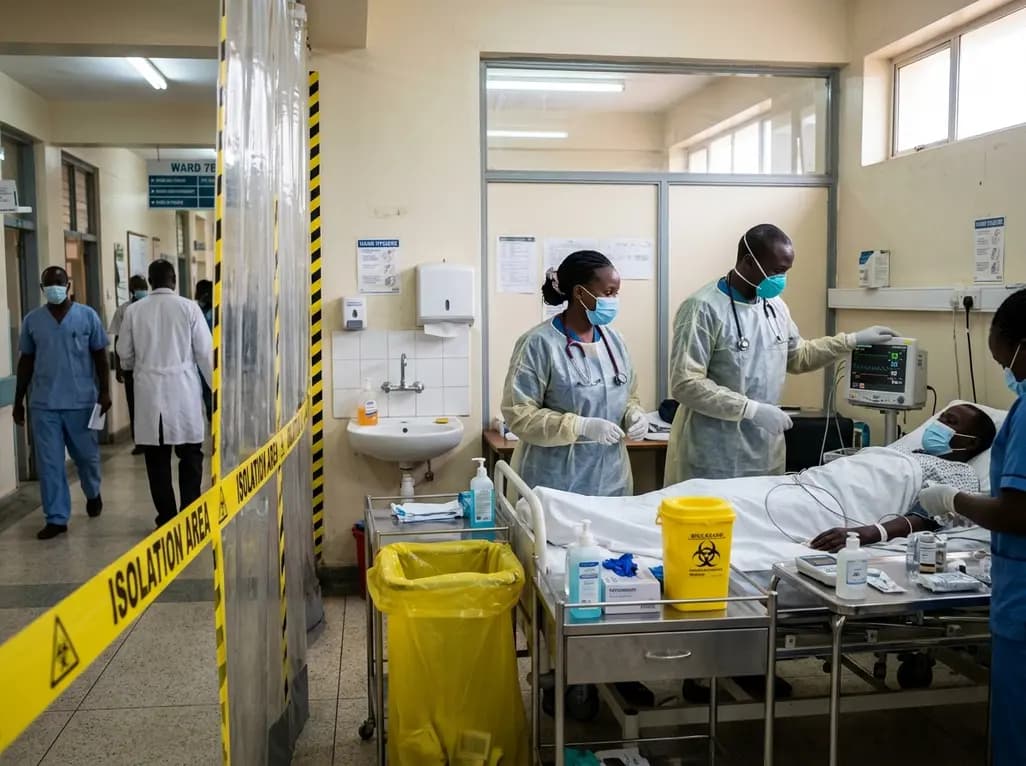
To combat post-mortem spread, authorities have established strict surveillance protocols. These health control zones monitor human mobility at key transit points. When a body is intercepted, it is referred for sample collection. This ensures the cause of death is verified. Contact tracers can then begin monitoring close contacts. Following investigation, specialized burial teams take charge. These teams wear full personal protective equipment. They place the body in leak-proof body bags. They also disinfect the surrounding area thoroughly. They perform the burial respectfully without physical contact between mourners and the corpse. By systematically applying these protocols, health workers contain the virus. Enhancing surveillance along major travel corridors is indispensable. It stops the geographic expansion of the outbreak. Healthcare facilities must also report all community deaths immediately. This proactive reporting prevents unsafe burials from happening in secret. Training local volunteers to assist in safe burials can also bridge the gap. This strategy fosters local ownership of the response.
Frequently Asked Questions
Q1: Why does Ebola remain highly infectious after a patient has died?
The Ebola virus remains highly stable in the bodily fluids and tissues of a deceased patient. After death, the viral load in these fluids is extremely high. Any direct contact with the corpse, which is common during traditional funeral preparation and washing rituals, exposes individuals to these infectious fluids. This makes handling the deceased one of the most efficient pathways for transmission if proper protective equipment is not used.
Q2: What is the current status of the Ebola outbreak in the Democratic Republic of Congo?
As of mid-July 2026, the outbreak caused by the Bundibugyo strain has escalated significantly, showing a seventy percent growth over a two-week period. More than two thousand cases and seven hundred deaths have been recorded across the Democratic Republic of Congo and neighboring Uganda. A major challenge is that approximately two-thirds of these deaths have occurred outside clinical settings, complicating surveillance, contact tracing, and safe burial efforts.
Q3: How does transporting deceased victims across districts affect outbreak control?
Transporting deceased Ebola victims to their home communities for burial introduces the virus into previously unaffected areas. Since the bodies are highly contagious, transporting them in standard vehicles without biohazard containment leads to vehicle contamination and exposes travelers and handlers. Intercepting these bodies at transit points is crucial to preventing the establishment of new transmission chains and keeping the epidemic localized within specific zones.
Disclaimer: This content is for informational and educational purposes only. It does not constitute medical advice or replace professional judgment. Refer to the latest local and national guidelines for clinical practice.
References
- Transport of dead bodies within Congo risks further Ebola spread, UN agencywarns - ETHealthworld
- Ebola disease caused by Bundibugyo virus, Democratic Republic of the Congo & Uganda - World Health Organization
- Ebola Disease Outbreak in the Democratic Republic of the Congo and Uganda - CDC HAN Health Advisory
.webp&w=384&q=75)