.webp&w=384&q=75)

Loading, please wait...
Loading, please wait...
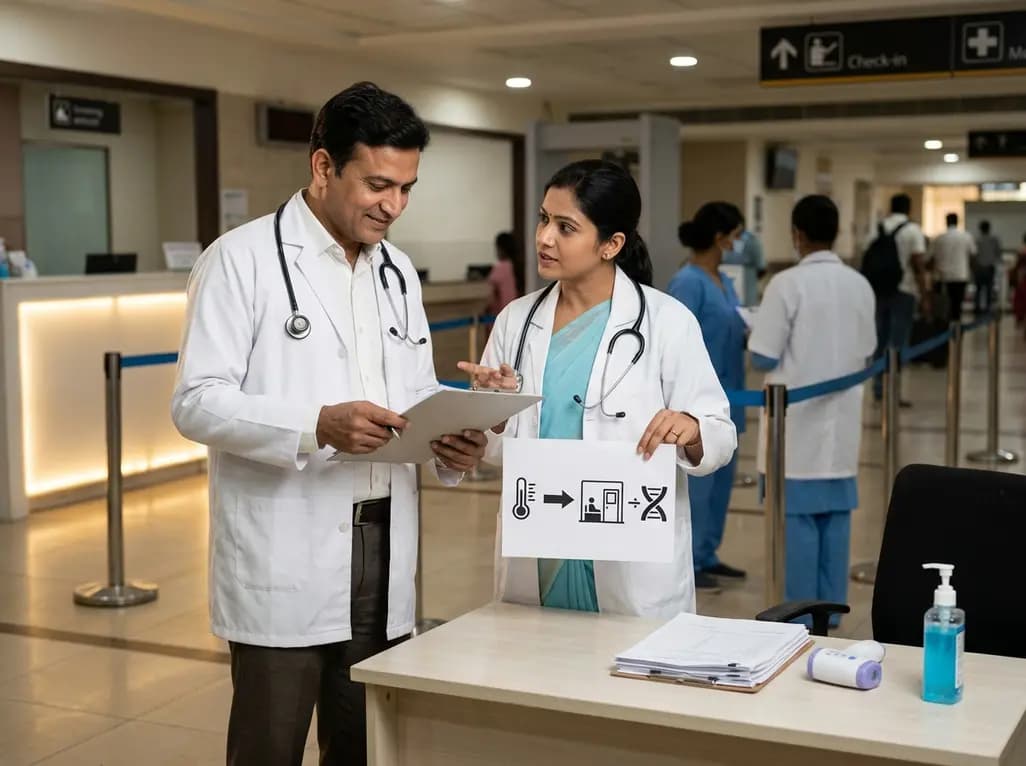
India has successfully screened nearly 11,000 international travellers following global public health alerts. Specifically, official reports confirm that rigorous Ebola screening in India detected zero positive cases across all entry points. Union Health Minister J P Nadda presented these encouraging statistics to Parliament recently. Consequently, public health authorities remain vigilant while monitoring incoming passengers from high-risk African countries. The targeted travel screening began on May 23 after international health agencies raised global concerns. Furthermore, authorities established comprehensive protocols to track individuals arriving from affected regions. These high-risk countries include the Democratic Republic of Congo, Uganda, and South Sudan. In addition, travellers who visited these nations within the past 21 days must complete mandatory self-declaration forms. Government portals like Air Suvidha 2.0 facilitate this essential tracking process seamlessly. Therefore, health officials can identify potential cases early and prevent transmission across urban centers. Overall, these systematic screening protocols highlight India's proactive commitment to epidemic preparedness. Health agencies continue monitoring international arrivals to ensure complete national security against viral threats. Moreover, multi-agency coordination ensures that airport staff execute screening guidelines without disrupting travel operations.
The World Health Organization declared the recent Bundibugyo Ebola outbreak a Public Health Emergency of International Concern. Indeed, this international declaration prompted immediate surveillance updates across several sovereign nations. The epidemic primarily impacts eastern regions of the Democratic Republic of Congo. However, cross-border movement caused secondary cases in neighboring countries like Uganda. The Bundibugyo species of Ebola virus presents unique clinical and logistical challenges. For instance, standard therapeutics developed for the Zaire strain show limited efficacy against Bundibugyo infections. Consequently, early identification and isolation remain the primary defenses against transmission. The global health community actively supports regional response plans to contain viral spread. Meanwhile, international diagnostic pipelines are working to scale specialized diagnostic tests rapidly. Furthermore, global health agencies emphasize strict border surveillance for non-affected regions. India responded swiftly by aligning national protocols with global technical advisories. As a result, domestic healthcare systems maintain high operational readiness without imposing blanket travel bans. Thus, targeted surveillance effectively balances international trade with rigorous biosecurity measures. Additionally, ongoing epidemiological monitoring helps authorities adjust travel advisories based on real-time disease progression.
Airport statistics demonstrate a massive operational effort across major Indian transit hubs. Notably, Mumbai International Airport recorded the highest screening volume, handling over 7,500 incoming passengers. Delhi followed with nearly 1,800 screened travellers during the same operational window. Additionally, air hubs in Hyderabad, Chennai, Bengaluru, and Ahmedabad evaluated hundreds of arriving passengers. State-level data reveals significant variation in passenger monitoring across different jurisdictions. For example, Gujarat recorded the highest total among states, screening nearly 3,000 travellers. Maharashtra closely followed Gujarat with over 2,200 monitored international passengers. Furthermore, states like Uttar Pradesh, Tamil Nadu, Telangana, and Kerala screened hundreds of travellers each. This distributed screening strategy ensures comprehensive coverage across primary and secondary entry points. Therefore, health authorities can detect potential symptomatic travellers regardless of their final domestic destination. Dedicated medical teams remain deployed at major international airports around the clock. In addition, paramedics conduct thermal screening and review self-declaration documents meticulously. Consequently, transit surveillance maintains high sensitivity while managing substantial passenger throughput. Ultimately, this nationwide airport network forms a vital first line of defense for the country.
Inter-agency collaboration serves as the cornerstone of India's robust epidemic defense strategy. Specifically, the Ministry of Health coordinates directly with the National Centre for Disease Control. The Indian Council of Medical Research also provides technical expertise and laboratory oversight. Moreover, the Directorate General of Health Services aligns airport health organizations with state health departments. Standard operating procedures clearly define guidelines for case surveillance, isolation, and laboratory diagnosis. Consequently, hospitals across all states have designated specialized isolation wards for suspected cases. Diagnostic capabilities have expanded significantly through the ICMR-National Institute of Virology in Pune. In addition, high-containment Biosafety Level-3 laboratories stand ready across multiple regions for rapid sample testing. Additional medical officers and paramedical staff reinforce international airport health counters continuously. Furthermore, nationwide mock drills test hospital response times and infection control measures routinely. These practical exercises validate clinical workflows and ensure medical personnel follow containment guidelines strictly. Thus, Indian healthcare infrastructure maintains optimal readiness to manage potential viral importations effectively. Besides, regular logistical reviews guarantee that personal protective equipment remains fully stocked at all designated facilities.
Clear public communication remains essential during international public health emergencies. Therefore, health authorities launched widespread awareness campaigns across international airports and social media platforms. In-flight announcements inform arriving passengers about symptoms and reporting procedures before landing. Additionally, physical displays at arrival terminals highlight key self-reporting guidelines clearly. A dedicated 24x7 national helpline operates continuously to address public inquiries and report suspect symptoms. Meanwhile, the NCDC Public Health Emergency Operations Centre coordinates real-time data streams across all states. This centralized command center monitors global outbreak updates and adjusts domestic responses accordingly. Furthermore, healthcare workers receive specialized training on clinical management and barrier nursing techniques. Mock drills in designated hospitals simulate patient transport, isolation intake, and sample collection routines. As a result, frontline clinicians can identify suspected viral hemorrhagic fever cases without delay. These integrated communication and training initiatives build strong public trust and professional confidence. Ultimately, comprehensive public health strategies protect community safety while maintaining necessary international connectivity. Moreover, routine evaluations ensure all operational protocols remain aligned with updated international guidance. Health authorities continue to refine emergency responses based on simulation outcomes.
Q1: What specific travel screening protocols are currently implemented at Indian airports for Ebola?
India requires all international arrivals with travel history to Ebola-affected countries within the past 21 days to complete mandatory self-declaration forms via Air Suvidha 2.0. Additionally, airport health teams conduct physical screening, thermal monitoring, and symptom checks. Passengers displaying potential symptoms are immediately redirected to designated isolation facilities for further medical evaluation, testing, and clinical management in accordance with national standard operating procedures.
Q2: How does the Bundibugyo Ebola strain differ from other Ebola virus species?
The Bundibugyo virus is one of several pathogenic species within the Orthoebolavirus genus causing severe hemorrhagic fever. Unlike the Zaire strain, existing certified vaccines and monoclonal antibody treatments have limited effectiveness against Bundibugyo infections. Consequently, clinical management relies primarily on early supportive care, fluid resuscitation, symptom control, and strict infection prevention and control practices to reduce mortality and stop secondary transmission.
Q3: Which laboratory facilities in India are designated to test for suspected Ebola virus cases?
Primary diagnostic testing for suspected Ebola virus cases in India is centralized at the ICMR-National Institute of Virology in Pune. Additionally, the government has operationalized expanded testing capacity through specialized Biosafety Level-3 laboratories across various states. These facilities utilize advanced molecular diagnostic assays, including real-time reverse transcription-polymerase chain reaction tests, ensuring rapid and safe processing of clinical specimens under high-containment biosafety conditions.
Disclaimer: This content is for informational and educational purposes only. It does not constitute medical advice or replace professional judgment. Refer to the latest local and national guidelines for clinical practice.
References

Read summarized clinical updates, watch expert medical content, and earn CME certifications right from your smartphone.
Open your smartphone camera to scan and install.





Following the WHO's PHEIC declaration for the Bundibugyo Ebola outbreak in Africa, India has screened nearly 11,000 international travellers with zero cases detected. Key preparedness efforts include mandatory declarations, airport screening, isolation wards, lab testing at ICMR-NIV Pune, and national mock drills.
last month
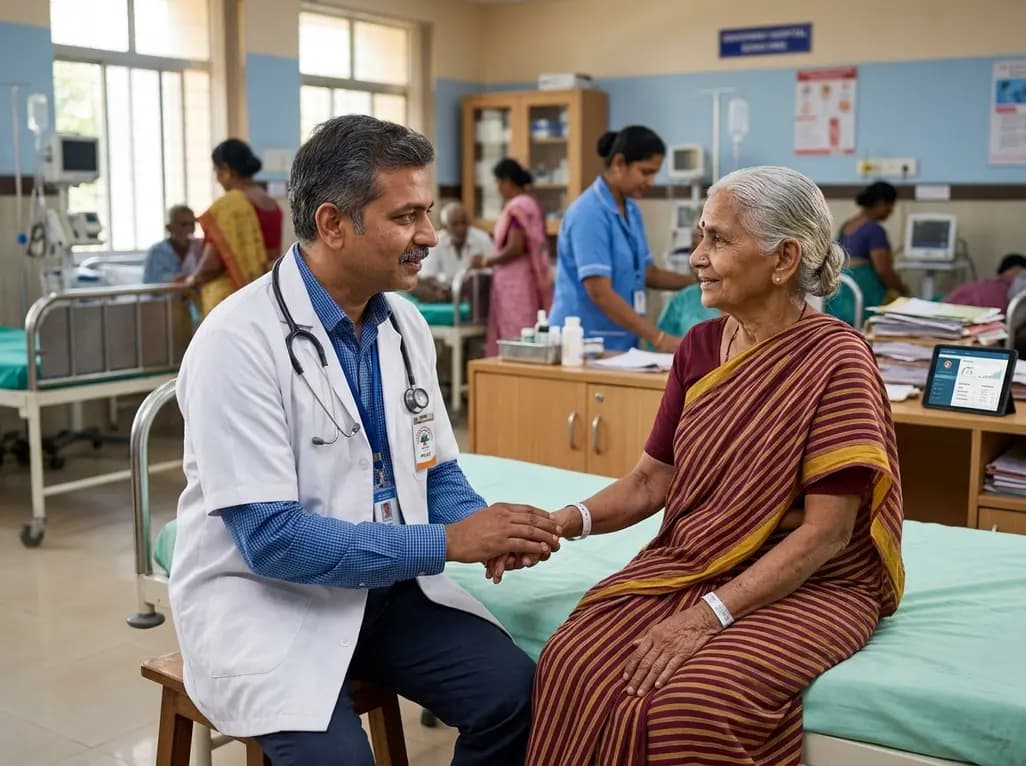
As India's geriatric demographic prepares to double to 346 million by 2050, national health initiatives are expanding. From universal PM-JAY insurance for individuals aged 70 and above to institutional care homes and dedicated digital caregiver dashboards, proactive public healthcare models are reshaping eldercare.
6 days back
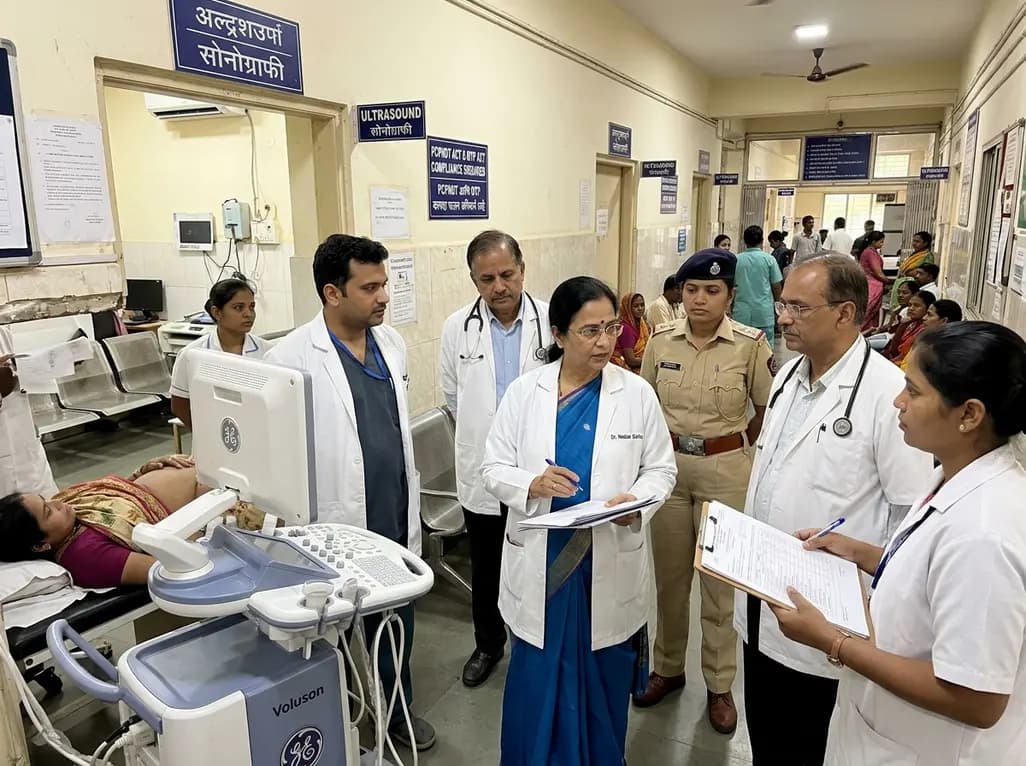
The Maharashtra public health department has established a specialized task force headed by Dr. Neelam Gorhe to eliminate illegal sex determination and unauthorized abortions. The team will execute surprise inspections of ultrasound facilities, audit medical documentation, and enforce strict statutory standards.
6 days back
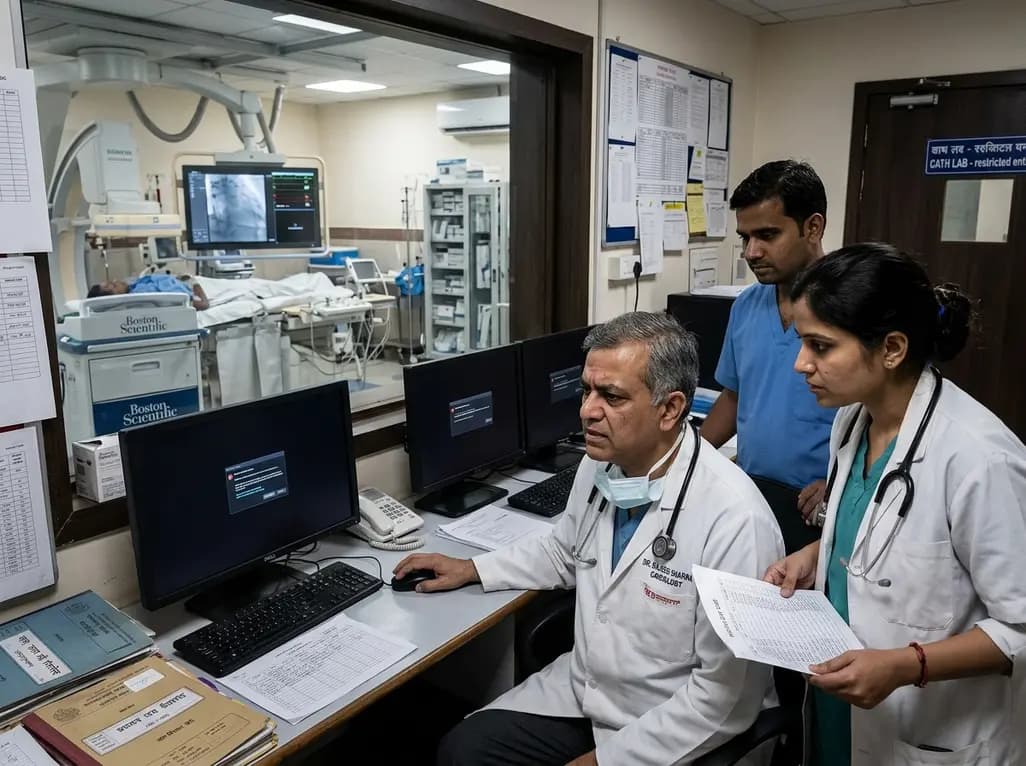
A major cybersecurity breach disrupted global operations at Boston Scientific, delaying device distribution and remote cardiac monitoring activations. This analysis examines the immediate consequences for clinical catheterization suites, electrophysiology teams, hospital inventory systems, and patient care safety.
6 days back
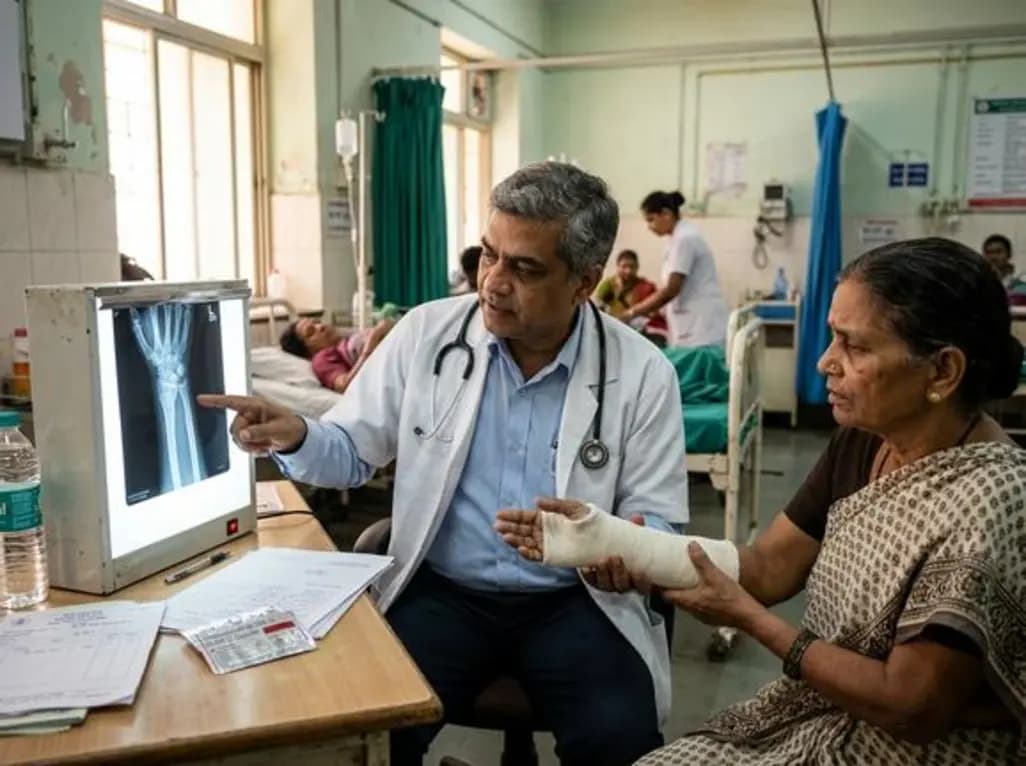
Nearly 80% of Indians suffer from inadequate Vitamin D, causing silent bone weakening and sudden fractures. This expert guide reviews why mega-dose therapy is critical for high-risk patients, the key factors driving widespread deficiency, and the mandatory medical evaluations needed to protect skeletal health.
2 months ago
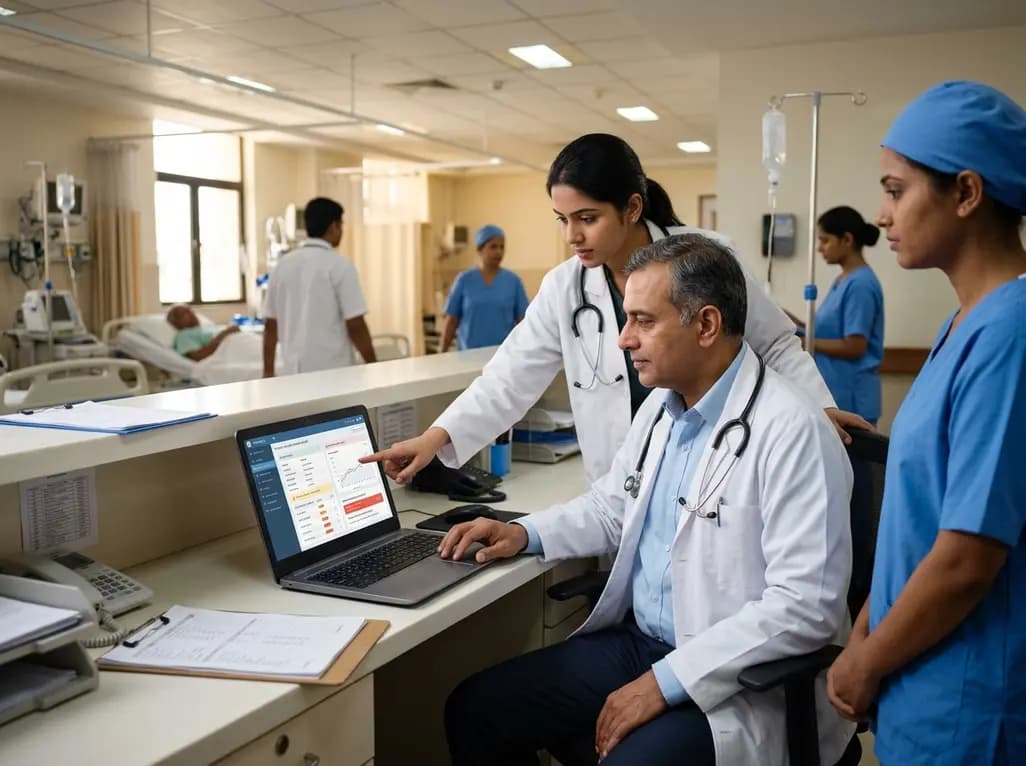
A nationwide mixed-methods study evaluated hospital glycemic management systems across 265 hospitals. While real-time alerts and automatic data sync are highly valued, significant disparities in digital maturity and low satisfaction with decision support highlight the need for standardized implementation.
2 weeks back
