.webp&w=384&q=75)

Loading, please wait...
Loading, please wait...
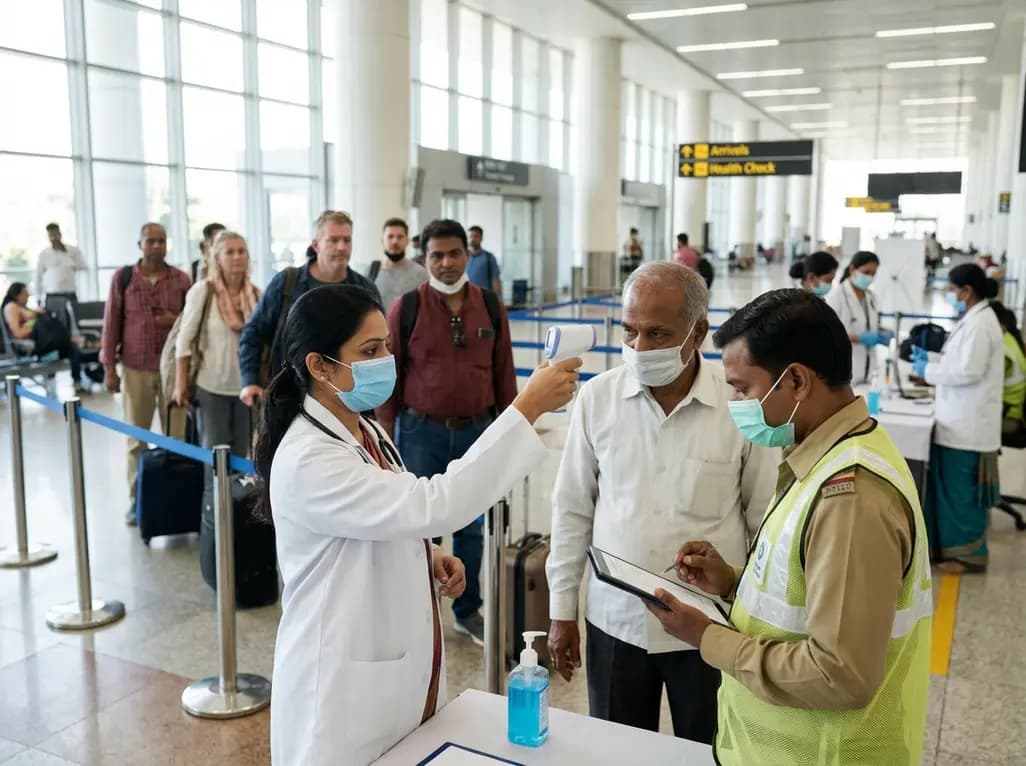
The Government of India has proactively intensified public health vigilance across all major international points of entry. Consequently, robust Ebola screening in India has successfully monitored thousands of incoming passengers from affected African nations. Union Health Minister J P Nadda recently briefed Parliament, confirming that no Ebola case has been detected in the country so far. This proactive surveillance follows the World Health Organization declaring the Bundibugyo Ebola virus outbreak a Public Health Emergency of International Concern. Furthermore, the Africa Centre for Disease Control and Prevention declared a Public Health Emergency of Continental Security. In response, Indian health authorities established comprehensive screening measures without enforcing a blanket travel ban. Therefore, travellers from affected regions undergo systematic health evaluations upon arrival.
The global healthcare community remains on high alert following the re-emergence of the Bundibugyo Ebola strain in Central Africa. Specifically, Democratic Republic of Congo, Uganda, and South Sudan have reported heightened transmission risks. In light of these international alerts, India immediately initiated rigorous monitoring protocols across international airports and seaports. Consequently, health authorities screened more than 10,974 international passengers between May 23 and July 28. Officials collected self-declaration forms and tracked incoming arrivals through the Air Suvidha 2.0 digital portal.
Additionally, screeners review travel histories for the preceding 21 days to identify potential exposures early. While the World Health Organization issued temporary guidance for enhanced surveillance, India maintained open borders to avoid unnecessary trade and travel disruption. Instead, public health personnel focus on early detection, rapid isolation, and seamless contact tracing. Furthermore, thermal scanners and physical health checks ensure that symptomatic individuals receive immediate clinical attention upon arrival. Thus, the country maintains an active defense against potential pathogen importation.
To enforce effective Ebola screening in India, the Union Health Ministry deployed additional medical personnel at primary entry points. Furthermore, Airport Health Organisation officers and Bureau of Immigration staff received specialized training on early symptom identification. Consequently, arriving travellers undergo systematic thermal screening and clinical assessments before entering immigration halls. In addition, health desks verify self-declaration data submitted through official digital portals to identify high-risk travel itineraries.
Moreover, maritime ports have established parallel protocols for incoming cargo vessels and passenger ships from endemic zones. Health officials conduct physical inspections and review maritime health declarations before granting port clearance. Consequently, maritime crews showing unexplained fever undergo immediate isolation in designated port medical units. Meanwhile, major international airports have established dedicated holding areas equipped with personal protective equipment for preliminary assessments. Through these structured measures, frontline staff can isolate suspected individuals without interrupting overall airport operations. Therefore, point-of-entry surveillance serves as the first critical barrier against viral transmission.
A robust diagnostic network forms the foundation of India's rapid public health response strategy. Specifically, the Indian Council of Medical Research designated the National Institute of Virology in Pune as the premier testing facility for suspected viral samples. Additionally, authorities expanded advanced diagnostic capabilities across multiple designated Biosafety Level 3 facilities nationwide. Consequently, regional laboratories can process clinical specimens rapidly while adhering to stringent biosecurity protocols.
Furthermore, health agencies established standardized sample transport workflows to ensure biological safety during transit. Specialized courier protocols and cold-chain infrastructure protect both handlers and sample integrity during movement. In addition, the National Centre for Disease Control coordinates seamless communication between regional diagnostic hubs and central surveillance units. Consequently, testing results are transmitted directly to national public health operations centers within hours. Thus, healthcare providers gain rapid laboratory confirmation, allowing them to initiate appropriate clinical management protocols without delay.
State governments and Union Territories have systematically upgraded hospital infrastructure to handle potential infectious disease emergencies. Specifically, health departments identified dedicated isolation facilities with negative-pressure rooms across major medical centers. Furthermore, hospital administrators verified the operational readiness of specialized containment units through comprehensive audit checklists. Consequently, designated centers maintain reserved beds equipped for strict infection control and advanced supportive care.
In addition, hospitals across all states conducted rigorous mock drills to evaluate operational readiness under simulated outbreak conditions. These exercises tested emergency intake protocols, patient transfer workflows, and personal protective equipment donning and doffing procedures. Consequently, clinical staff gained practical experience in handling high-consequence pathogens safely. Meanwhile, health authorities distributed adequate stockpiles of protective gear, disinfectants, and specialized medical logistics to frontline personnel. Therefore, healthcare systems remain fully prepared to manage suspected cases while protecting medical workers from occupational exposure.
The Union Health Ministry issued comprehensive Standard Operating Procedures to guide clinical and public health responses nationwide. Specifically, these guidelines outline detailed protocols for epidemiological surveillance, clinical triage, quarantine management, and discharge criteria. Furthermore, the Directorate General of Health Services formulated strict infection prevention and control policies for healthcare settings. Consequently, medical institutions adhere to standardized guidelines when evaluating patients with acute febrile illnesses and travel histories.
Additionally, technical specifications for personal protective equipment ensure that healthcare workers receive adequate protection during high-risk procedures. Standard operating procedures also govern safe waste management, surface decontamination, and environmental cleaning in isolation wards. Moreover, guidelines dictate dignified handling procedures for potential fatalities to prevent community transmission. Consequently, public health authorities ensure that every phase of patient management aligns with international biosecurity standards. Thus, standardized clinical protocols minimize cross-contamination risks across clinical settings.
Managing public health emergencies requires seamless collaboration across multiple government sectors and public administrative bodies. Consequently, the Ministry of Health coordinates continuously with the Ministry of Civil Aviation, Ministry of Home Affairs, and Ministry of External Affairs. Furthermore, the Ministry of Ports, Shipping and Waterways and the Department of Biotechnology participate in strategic planning meetings. Meanwhile, the National Centre for Disease Control activated its Public Health Emergency Operations Centre to manage national data streams.
Additionally, public health authorities stepped up risk communication strategies to inform travellers and the general public. Interactive displays at international airports, social media updates, and in-flight announcements provide clear guidance on reporting symptoms. Furthermore, the national 24x7 health helpline (1075) offers continuous assistance and information regarding travel advisories. Consequently, citizens and international arrivals receive timely, accurate information without inducing unnecessary public anxiety. Therefore, coordinated governance and transparent communication fortify national health security.
Q1: Why has India strengthened its public health vigilance despite having no reported Ebola cases?
India intensified surveillance following the World Health Organization declaring the Bundibugyo Ebola outbreak a Public Health Emergency of International Concern. Although no cases exist domestically, proactive screening at points of entry ensures early detection and rapid containment. Consequently, these precautionary measures safeguard national public health and prevent potential viral importation from affected regions.
Q2: What screening protocols apply to international travellers arriving from Ebola-affected countries?
Travellers arriving from affected areas undergo thermal screening, physical health checks, and travel history verifications covering the preceding 21 days. Additionally, passengers submit self-declaration forms through the Air Suvidha 2.0 portal before arrival. Consequently, health officers at airports and seaports can identify symptomatic individuals quickly and initiate immediate quarantine and diagnostic protocols.
Q3: Which institutions oversee Ebola testing and diagnostic preparedness in India?
The Indian Council of Medical Research and the National Institute of Virology in Pune serve as the primary diagnostic authorities for Ebola virus testing. Furthermore, the government expanded laboratory testing capacity across designated Biosafety Level 3 facilities nationwide. Consequently, these accredited diagnostic centers ensure safe sample handling, rapid laboratory confirmation, and robust public health reporting.
Disclaimer: This content is for informational and educational purposes only. It does not constitute medical advice or replace professional judgment. Refer to the latest local and national guidelines for clinical practice.
References

Read summarized clinical updates, watch expert medical content, and earn CME certifications right from your smartphone.
Open your smartphone camera to scan and install.





India has reported no cases of Ebola disease to date, according to Union Health Minister J P Nadda. In response to the WHO declaring the Bundibugyo Ebola outbreak a Public Health Emergency of International Concern, India has screened over 10,000 international arrivals and strengthened health protocols at points of entry.
last month
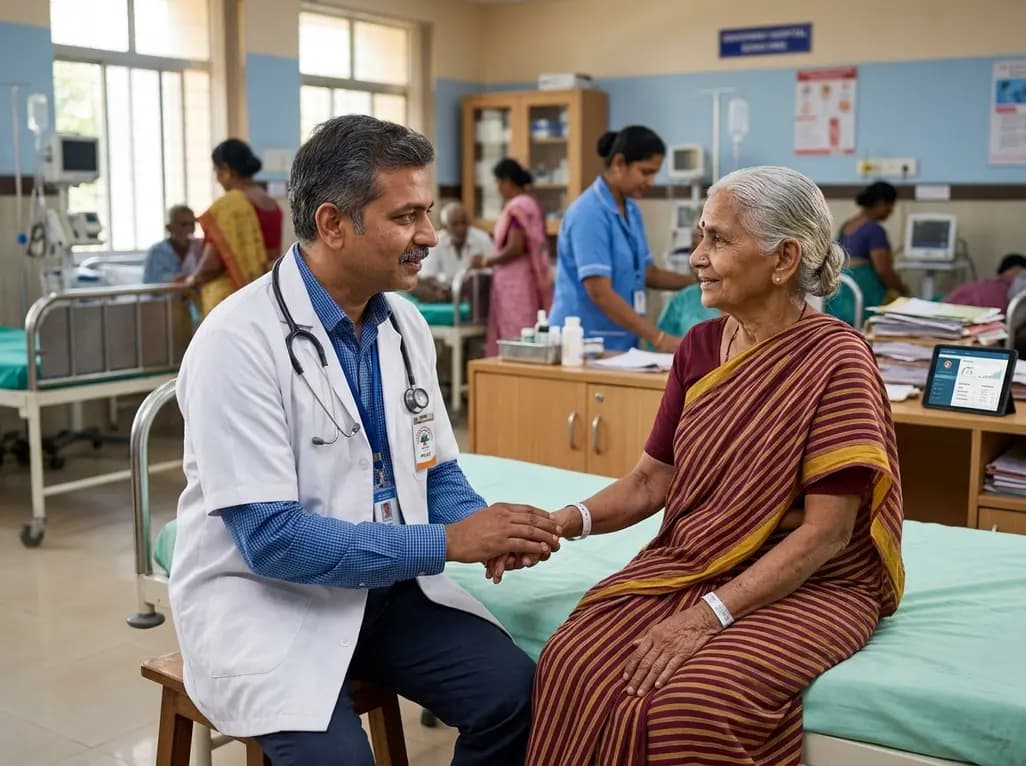
As India's geriatric demographic prepares to double to 346 million by 2050, national health initiatives are expanding. From universal PM-JAY insurance for individuals aged 70 and above to institutional care homes and dedicated digital caregiver dashboards, proactive public healthcare models are reshaping eldercare.
5 days back
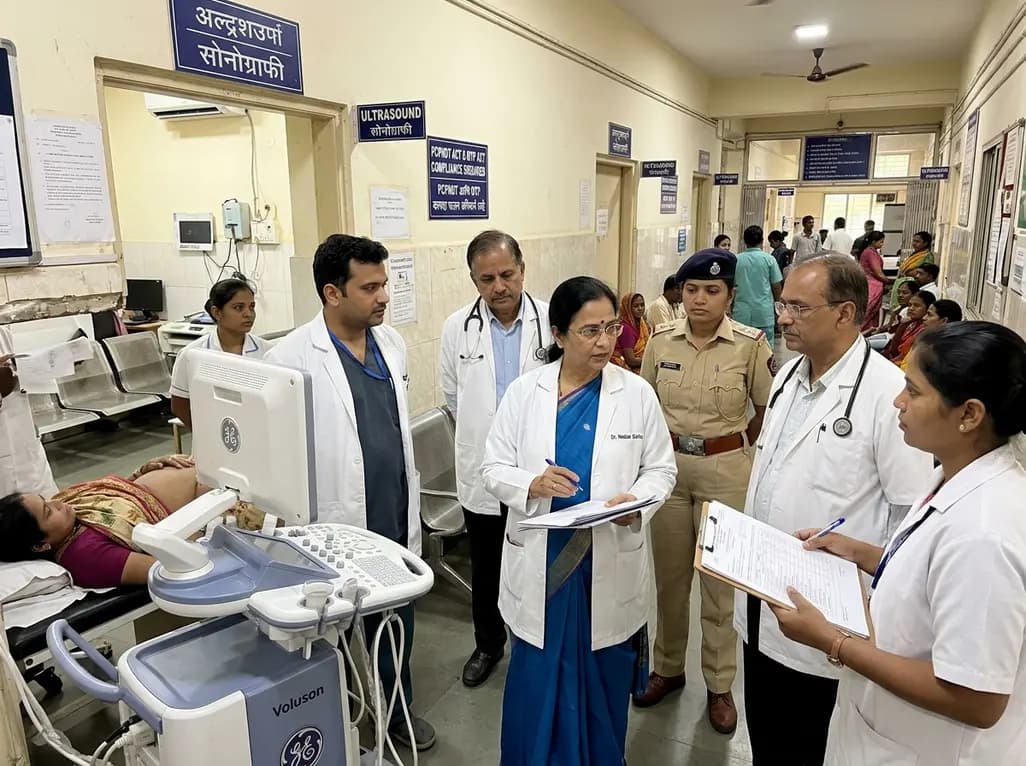
The Maharashtra public health department has established a specialized task force headed by Dr. Neelam Gorhe to eliminate illegal sex determination and unauthorized abortions. The team will execute surprise inspections of ultrasound facilities, audit medical documentation, and enforce strict statutory standards.
5 days back
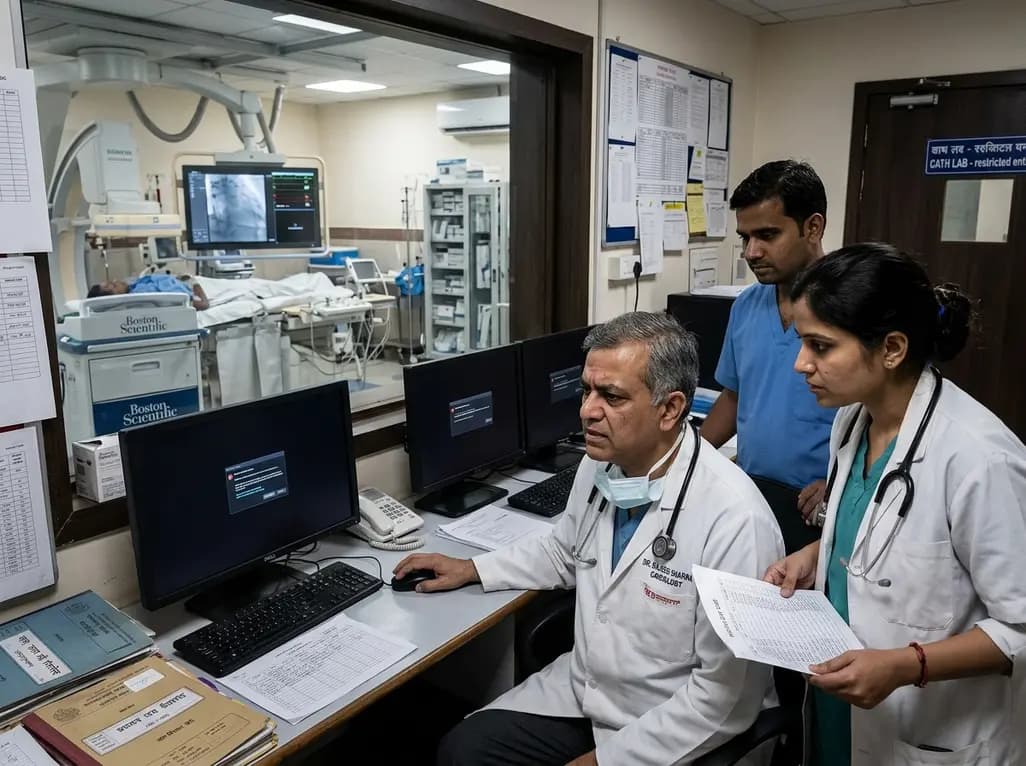
A major cybersecurity breach disrupted global operations at Boston Scientific, delaying device distribution and remote cardiac monitoring activations. This analysis examines the immediate consequences for clinical catheterization suites, electrophysiology teams, hospital inventory systems, and patient care safety.
5 days back
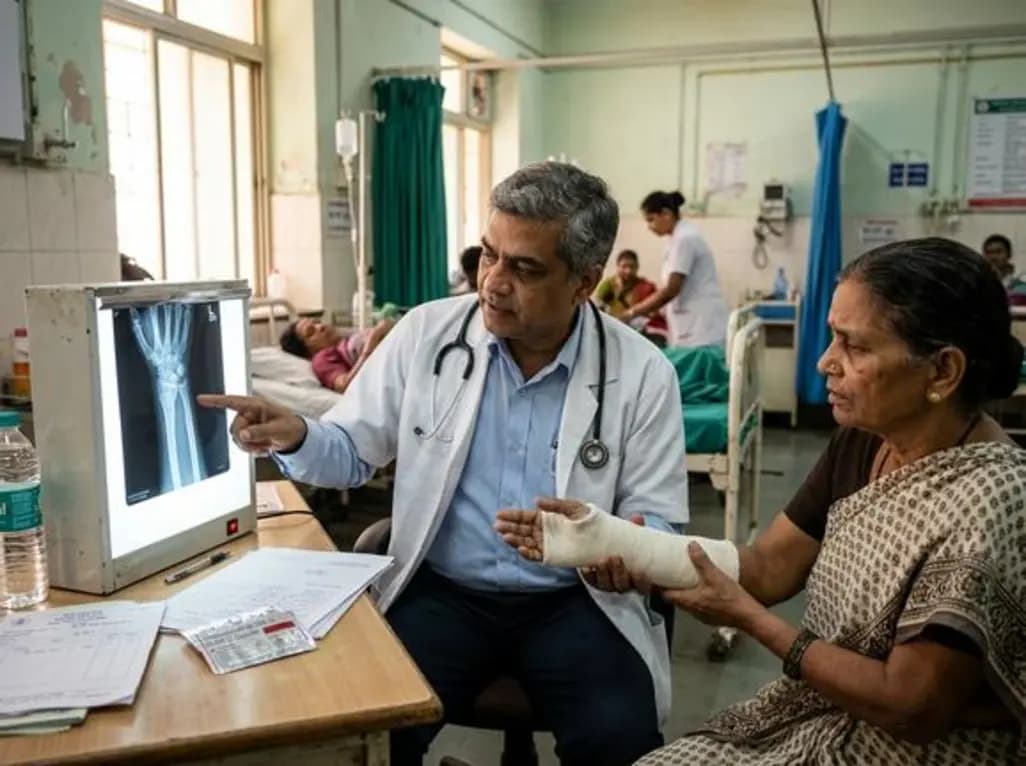
Nearly 80% of Indians suffer from inadequate Vitamin D, causing silent bone weakening and sudden fractures. This expert guide reviews why mega-dose therapy is critical for high-risk patients, the key factors driving widespread deficiency, and the mandatory medical evaluations needed to protect skeletal health.
2 months ago
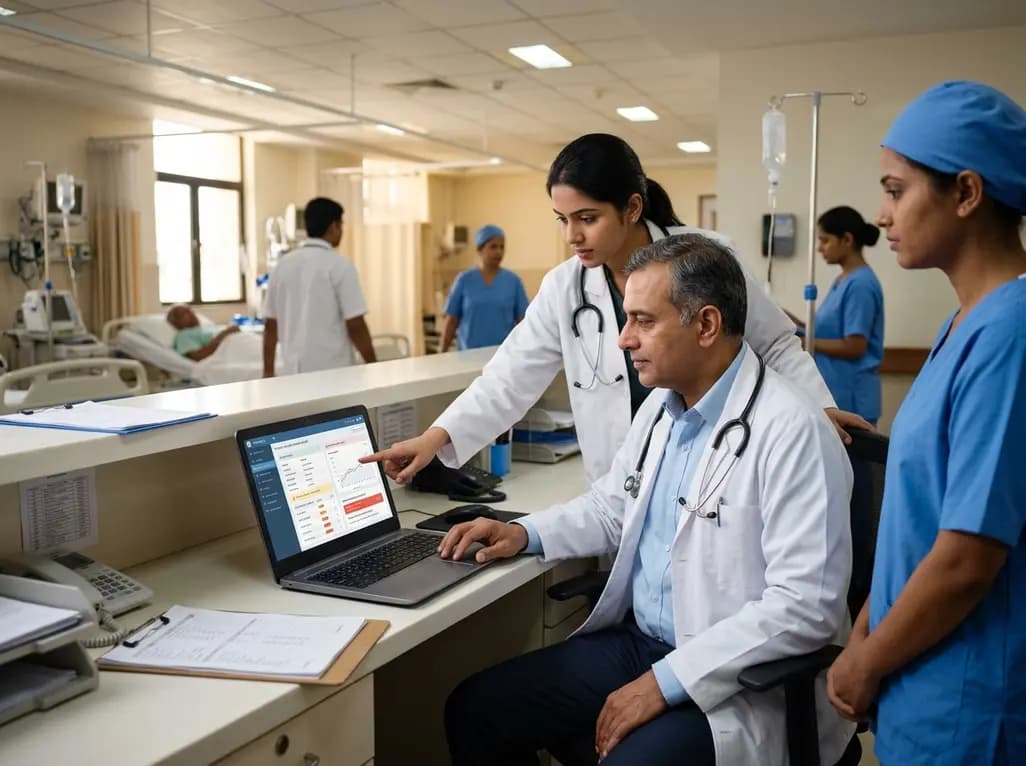
A nationwide mixed-methods study evaluated hospital glycemic management systems across 265 hospitals. While real-time alerts and automatic data sync are highly valued, significant disparities in digital maturity and low satisfaction with decision support highlight the need for standardized implementation.
2 weeks back
