.webp&w=384&q=75)

Loading, please wait...
Loading, please wait...

The United States has boosted its Ebola outbreak response in Africa with an additional twenty million dollars. Consequently, this package increases total direct American aid to over two hundred and twenty million dollars. Specifically, this funding will support vital preparedness efforts in surrounding countries. These target nations include Kenya, Rwanda, Burundi, and South Sudan.
According to official reports, the money will primarily strengthen local health systems. For example, it will fund national emergency operations centers in high-risk zones. Additionally, health departments will receive support for active surveillance and testing. Better testing helps doctors isolate cases early. Therefore, this containment strategy is crucial for preventing cross-border transmission. Furthermore, the resources will improve border screening protocols at key checkpoints. Healthcare workers can also implement stronger infection prevention and control practices. Finally, this aid will help distribute critical medical commodities and manage active cases.
Importantly, the current regional threat involves the rare Bundibugyo Ebola strain. Currently, there is no approved vaccine or treatment for this specific variant. Thus, immediate preparedness and early detection are absolutely vital. The deadliest epidemic occurred in West Africa in 2014, killing thousands. However, that outbreak was caused by the Zaire strain. Since Ebola spreads through direct contact with bodily fluids, strict clinical protocols are necessary to prevent clinical spread. Consequently, global health bodies urge surrounding nations to remain highly vigilant.
Q1: Why is the US providing additional funding for the Ebola response?
The funding helps surrounding nations like Kenya and South Sudan prepare for potential cross-border transmission of the virus. This support strengthens surveillance, border screening, and emergency operations.
Q2: Is there an approved vaccine for the Bundibugyo Ebola virus strain?
Currently, there is no approved vaccine or specific treatment for the Bundibugyo strain. Therefore, early detection, patient isolation, and strict infection control remain the primary containment methods.
Disclaimer: This content is for informational and educational purposes only. It does not constitute medical advice or replace professional judgment. Refer to the latest local and national guidelines for clinical practice.
References

Read summarized clinical updates, watch expert medical content, and earn CME certifications right from your smartphone.
Open your smartphone camera to scan and install.





The U.S. State Department has committed an additional $20 million to combat the Ebola outbreak in Africa. This funding will support critical preparedness, surveillance, and testing in East African nations like Kenya, Rwanda, Burundi, and South Sudan, raising the total direct U.S. support to over $220 million.
4 months ago
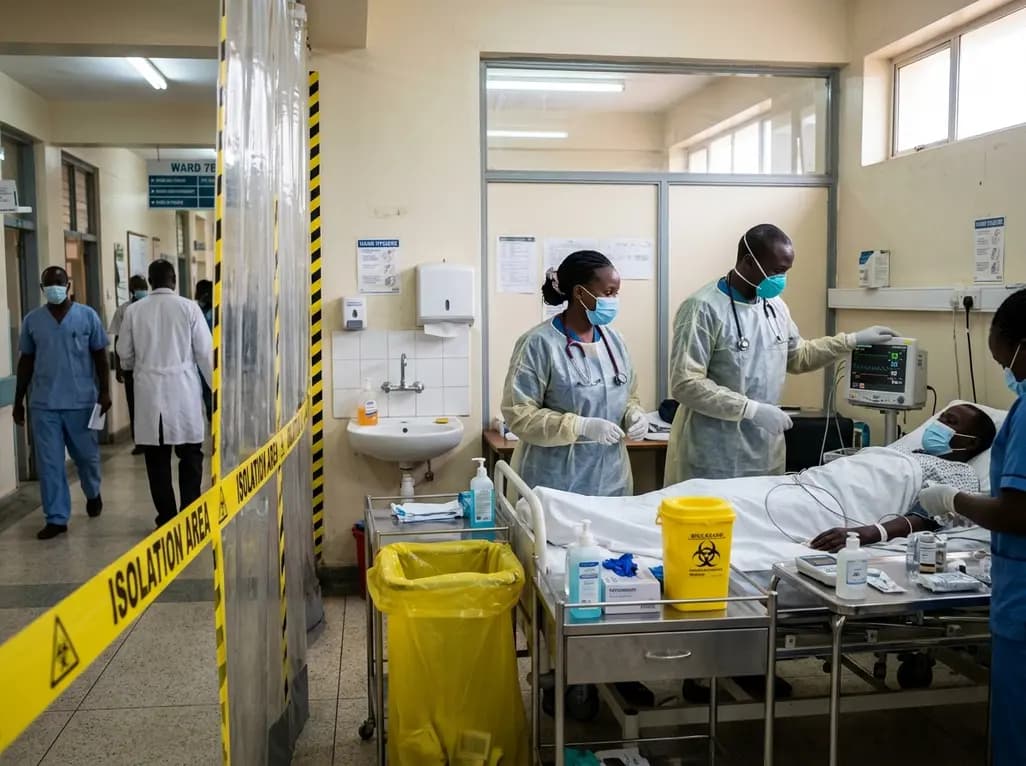
Kenya's confirmation of its eighth Ebola infection highlights the acute risk of secondary transmission in hospital environments. Clinicians must maintain high vigilance, enforce strict infection prevention protocols, and implement rapid triage mechanisms for viral hemorrhagic fevers across healthcare settings.
3 days back
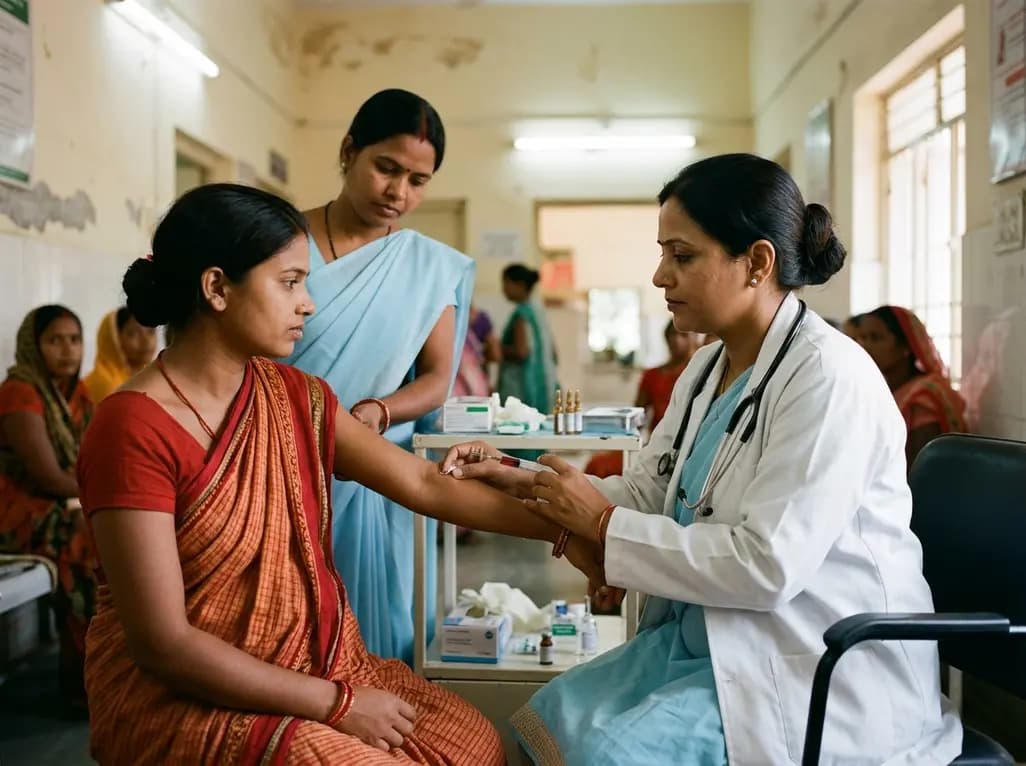
Maternal anaemia contributes to nearly half of pregnancy-related fatalities across India. To prevent complications, Uttar Pradesh has added single-dose parenteral iron to its essential medicines list. This clinical transition aims to restore haemoglobin rapidly and protect high-risk mothers across rural facilities.
Last week

India's food safety authority FSSAI has issued show-cause notices to Gemini Edibles, BigBasket, and Flipkart for unpermitted cardiovascular claims regarding Freedom Rice Bran Oil. This regulatory move highlights the strict enforcement of advertising standards and the clinical necessity of evidence-based lipid care.
5 days back
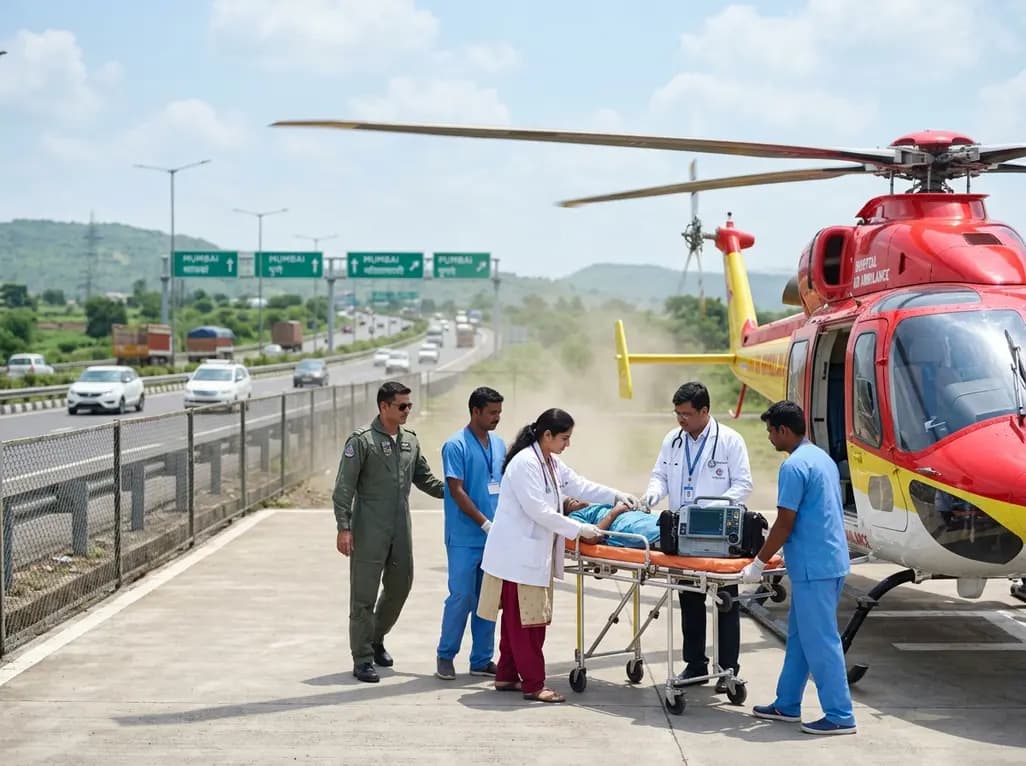
The state government is deploying helicopter emergency medical services across the Mumbai-Pune Expressway, Samruddhi Mahamarg, and Mumbai-Goa Highway. This initiative establishes unified standard operating procedures to enable rapid triage, advanced prehospital resuscitation, and seamless trauma care transfers.
Last week
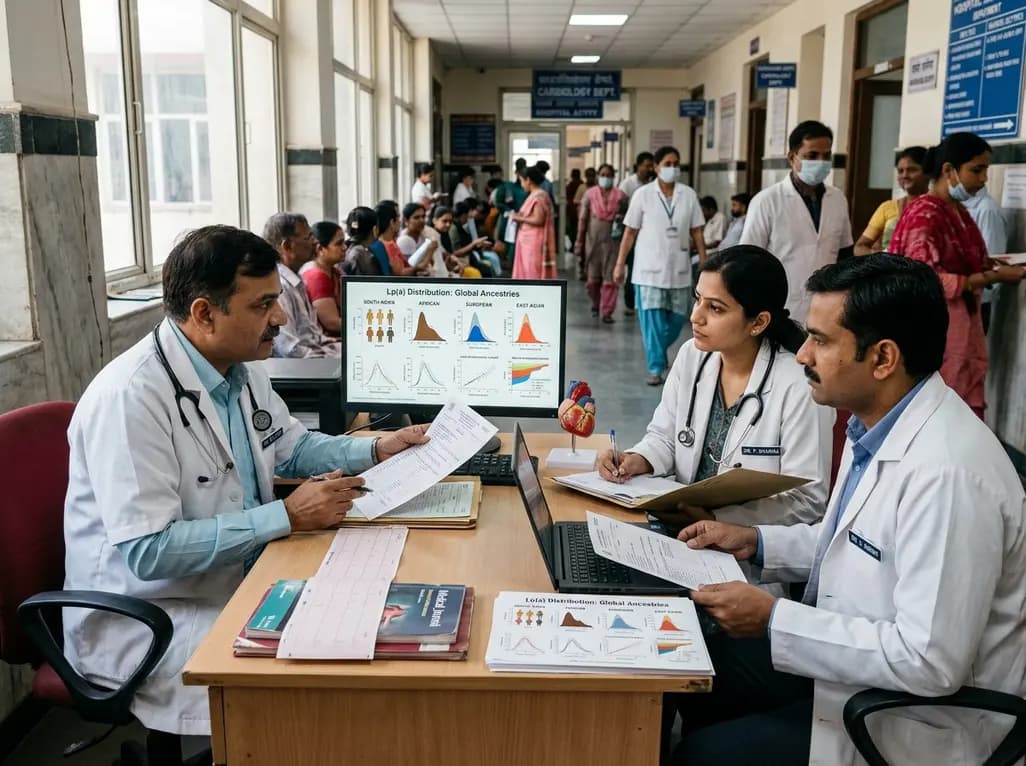
Atherosclerotic cardiovascular disease guidelines often rely on European-derived lipoprotein(a) cutoffs. However, baseline Lp(a) levels vary widely across ancestries, including South Asians and Africans. Clinicians must interpret Lp(a) values within overall absolute cardiovascular risk.
Last week
