.webp&w=384&q=75)

Loading, please wait...
Loading, please wait...
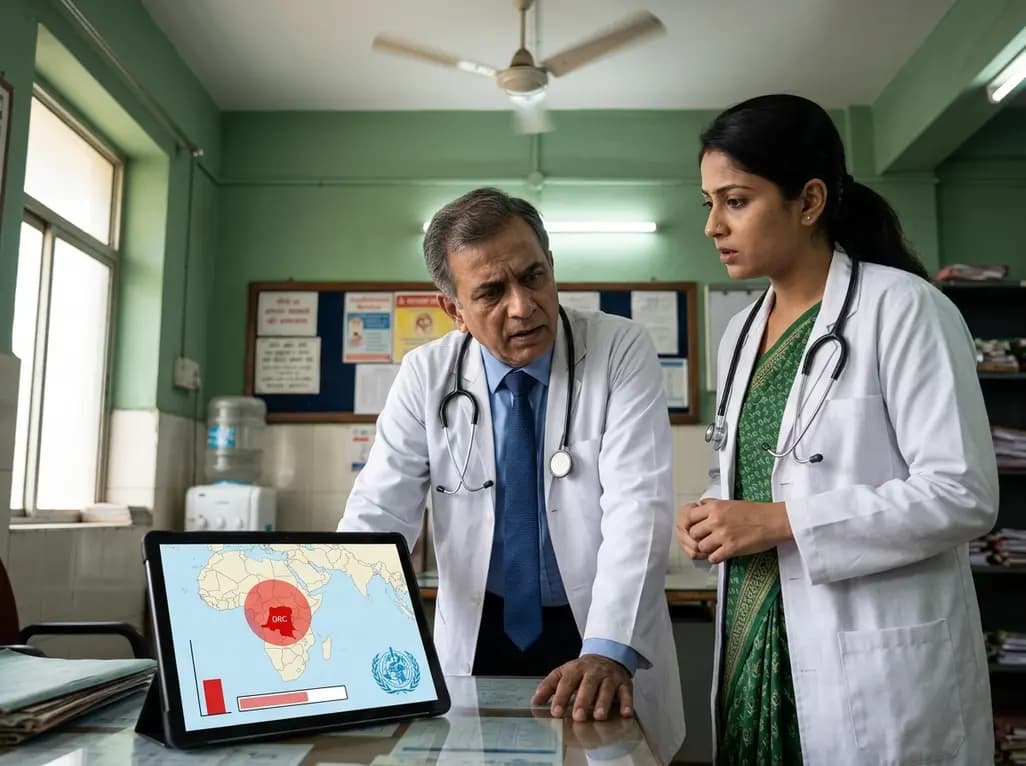
The World Health Organization recently warned of a critical Ebola funding crisis that threatens global health security. Specifically, the international agency has secured less than forty percent of the necessary funding to combat a severe outbreak in the Democratic Republic of Congo. Healthcare officials requested one hundred and fifteen million dollars to implement effective containment measures. However, donors have contributed only forty-six million dollars so far. Consequently, this severe financial deficit compromises active surveillance, contact tracing, and patient isolation efforts. Dr. Chikwe Ihekweazu emphasized that the Democratic Republic of Congo cannot carry this massive burden alone. Furthermore, he noted that the response has reached a highly precarious tipping point. If international donors withdraw their support now, the virus will likely spread to broader regions. Therefore, immediate financial intervention is essential to prevent a wider catastrophe. Public health agencies must cooperate to bridge this dangerous funding gap. Indeed, stopping an epidemic at its source remains the most cost-effective global strategy. Ultimately, sustained funding provides the bedrock for all field operations.
The current epidemic involves the rare Bundibugyo species of the Ebola virus. Unlike the more common Zaire species, the Bundibugyo variant does not have an approved vaccine or targeted antiviral treatment. Consequently, patients must rely entirely on early supportive clinical care. This supportive management includes intravenous fluid resuscitation, electrolyte replacement, and respiratory support. Currently, the registered case count exceeds nineteen hundred cases, with over seven hundred deaths. However, epidemiological models suggest that the true number of infections is significantly higher. Specifically, actual cases may be up to four times the official tally. Many infected individuals die quietly within their local communities without receiving any medical assistance. This tragic reality highlights the absolute necessity of accessible diagnostic laboratories and isolation centers. Additionally, early clinical detection dramatically increases the patient survival rate. Conversely, delayed treatment leads to severe multi-organ failure and rapid death. Healthcare providers must remain vigilant for clinical symptoms like high fever, severe headache, and unexplained hemorrhaging. Ultimately, quick isolation prevents transmission to family members and healthcare staff alike.
Epidemiologists face extraordinary challenges in tracking this fast-moving epidemic. Recent surveillance data reveals that eighty percent of new cases arise outside established contact lists. Therefore, the vast majority of transmissions occur through entirely unknown chains of infection. This concerning statistic indicates that the virus is spreading silently through the general community. Meanwhile, health officials struggle to trace contacts due to intense regional conflict and displacement. Chikwe Ihekweazu likened the epidemic to a raging forest fire that expands outward while burning intensely at its core. To combat this spread, health teams must establish robust active case-finding mechanisms. Furthermore, they need to implement aggressive community engagement strategies to rebuild trust. Many communities harbor deep skepticism toward foreign medical interventions. Consequently, sick individuals often hide from surveillance teams, which drives transmission further. If we cannot identify and isolate these hidden cases, the outbreak will continue to outpace control measures. Thus, local community leaders must participate actively in public health campaigns. Their involvement helps normalize early isolation and dispel harmful myths regarding healthcare centers.
Understanding the distinct virology of the Bundibugyo virus species remains critical for effective outbreak management. Discovered first in Uganda in two thousand seven, this species exhibits a lower mortality rate than the Zaire variant. However, its transmission dynamics are equally aggressive, especially in crowded settings. Because no licensed vaccine exists for this strain, containment relies heavily on classic public health measures. These measures include strict infection prevention and control protocols in all healthcare facilities. Indeed, healthcare-associated transmission represents a significant threat to first responders and nurses. To prevent such transmission, clinics must receive adequate personal protective equipment. Conversely, when facilities face shortages, infection rates among medical workers spike dramatically. Furthermore, the lack of therapeutic options heightens the psychological fear within affected communities. People are hesitant to seek care if they believe a diagnosis leads inevitably to death. Therefore, public education must emphasize that early supportive treatment significantly improves survival outcomes. When patients receive hydration and symptomatic support early, their recovery rates increase. Ultimately, overcoming these viral challenges requires a comprehensive approach linking clinical care, strict isolation, and community education.
The unchecked expansion of Ebola in Africa carries profound implications for global health security, including for countries like India. Although India is geographically distant, its high population density and international travel connections necessitate strict vigilance. Historically, India successfully managed imported threats through rigorous airport screening and specialized isolation wards. However, the current Ebola funding crisis threatens to weaken African surveillance systems, thereby increasing the risk of international spread. If the epidemic crosses regional borders, global health systems will face unprecedented strain. Therefore, Indian healthcare authorities must maintain robust protocols at all entry points. Specifically, clinicians must receive training to recognize early symptoms of viral hemorrhagic fevers. Additionally, state hospitals should maintain stock of specialized protective gear and diagnostic reagents. Public health agencies must also run educational campaigns for travelers visiting affected regions. Consequently, early identification of a single imported case can prevent a localized outbreak. Indeed, global health security is only as strong as its weakest link. By supporting international containment efforts, India protects its own citizens from potential biological threats. Ultimately, global solidarity and adequate funding remain our best defenses against infectious diseases.
Q1: What are the primary transmission routes of the Ebola Bundibugyo species?
The Bundibugyo species of Ebola virus transmits primarily through direct contact with blood, secretions, organs, or other bodily fluids of infected persons. Additionally, contact with surfaces and materials contaminated with these fluids can spread the virus. Healthcare workers often face transmission risks when treating patients without adequate protective equipment. Furthermore, traditional burial practices involving direct contact with deceased individuals contribute significantly to community transmission during an outbreak.
Q2: Why is the current Bundibugyo outbreak in the DRC particularly challenging to contain?
This epidemic is challenging because eighty percent of new infections occur outside established contact tracing lists, indicating widespread, hidden community transmission. Additionally, a severe international funding shortfall hampers field operations, leaving surveillance teams without essential resources. Regional security conflicts and community mistrust also prevent health workers from entering affected areas safely. Consequently, the lack of licensed vaccines or therapies for this specific species further complicates clinical management and increases community anxiety.
Q3: How does a global Ebola funding crisis affect healthcare systems in non-endemic countries like India?
An international funding crisis directly increases the risk of global disease exportation by weakening surveillance at the outbreak's source. If containment efforts in Africa collapse, the likelihood of infected individuals traveling internationally increases. Consequently, healthcare systems in countries like India must heighten their vigilance and allocate extra resources for airport screenings and isolation preparedness. Therefore, contributing to global health funds remains a highly effective strategy to protect national borders from imported viral threats.
Disclaimer: This content is for informational and educational purposes only. It does not constitute medical advice or replace professional judgment. Refer to the latest local and national guidelines for clinical practice.
References

Read summarized clinical updates, watch expert medical content, and earn CME certifications right from your smartphone.
Open your smartphone camera to scan and install.





The World Health Organization warns that the Ebola outbreak in the Democratic Republic of Congo is expanding rapidly. With less than half of the required $115 million funding secured, health officials struggle to contain the rare Bundibugyo species amid active transmission and community tracking challenges.
3 months ago
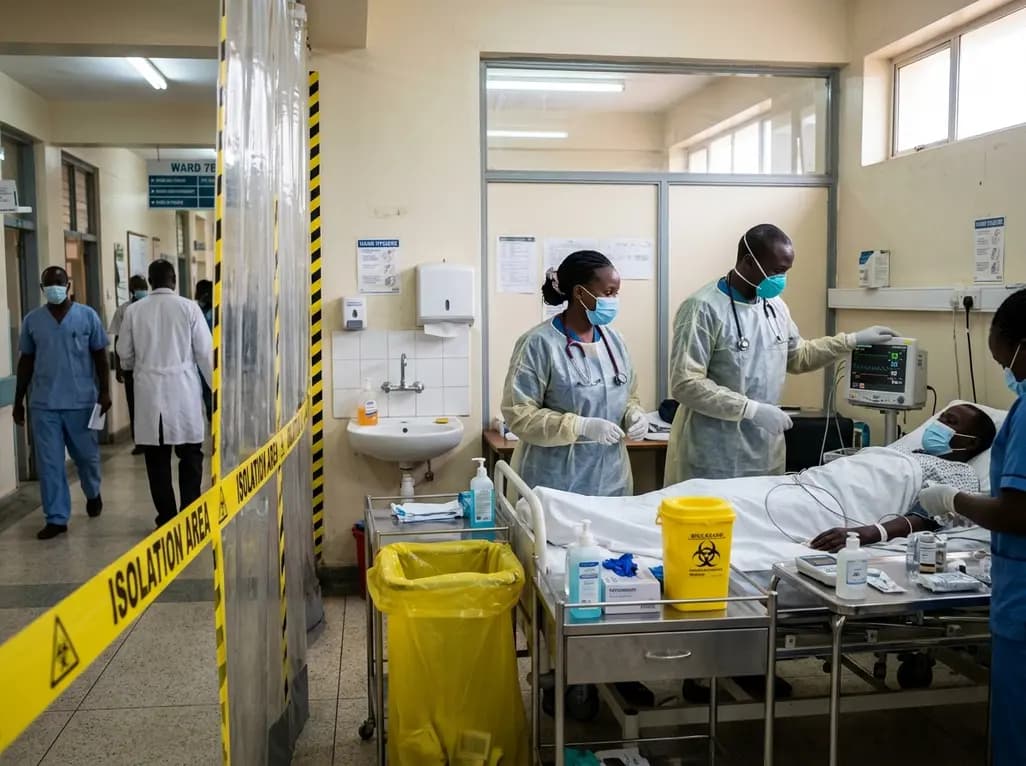
Kenya's confirmation of its eighth Ebola infection highlights the acute risk of secondary transmission in hospital environments. Clinicians must maintain high vigilance, enforce strict infection prevention protocols, and implement rapid triage mechanisms for viral hemorrhagic fevers across healthcare settings.
Last week
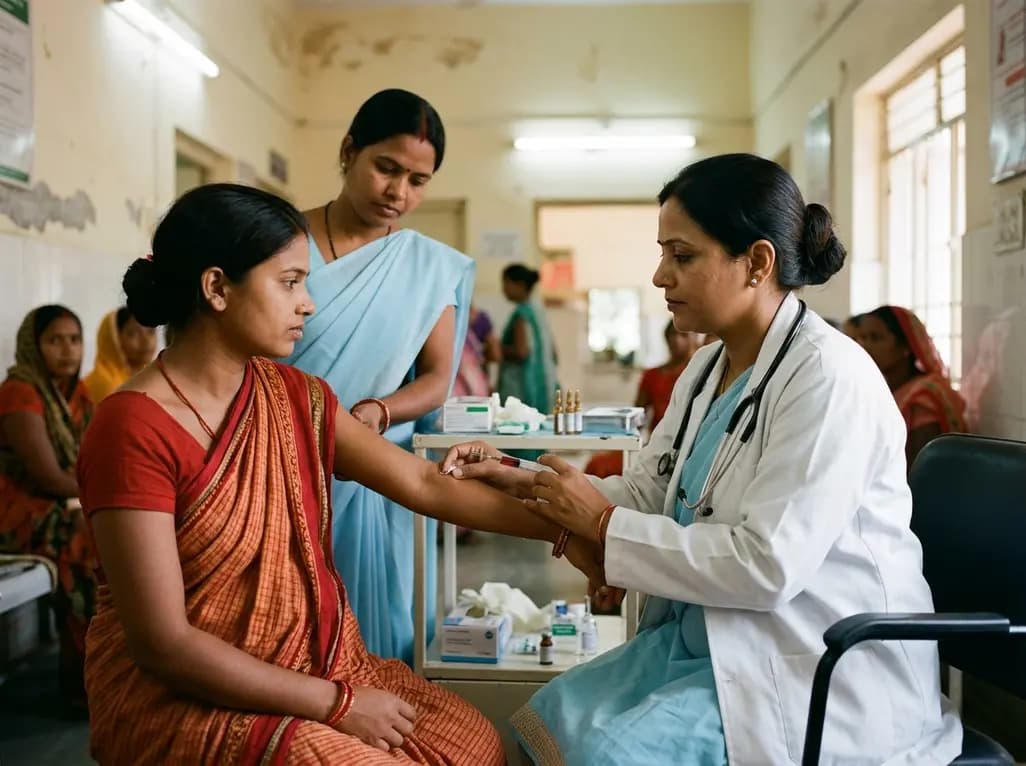
Maternal anaemia contributes to nearly half of pregnancy-related fatalities across India. To prevent complications, Uttar Pradesh has added single-dose parenteral iron to its essential medicines list. This clinical transition aims to restore haemoglobin rapidly and protect high-risk mothers across rural facilities.
2 weeks back

India's food safety authority FSSAI has issued show-cause notices to Gemini Edibles, BigBasket, and Flipkart for unpermitted cardiovascular claims regarding Freedom Rice Bran Oil. This regulatory move highlights the strict enforcement of advertising standards and the clinical necessity of evidence-based lipid care.
Last week
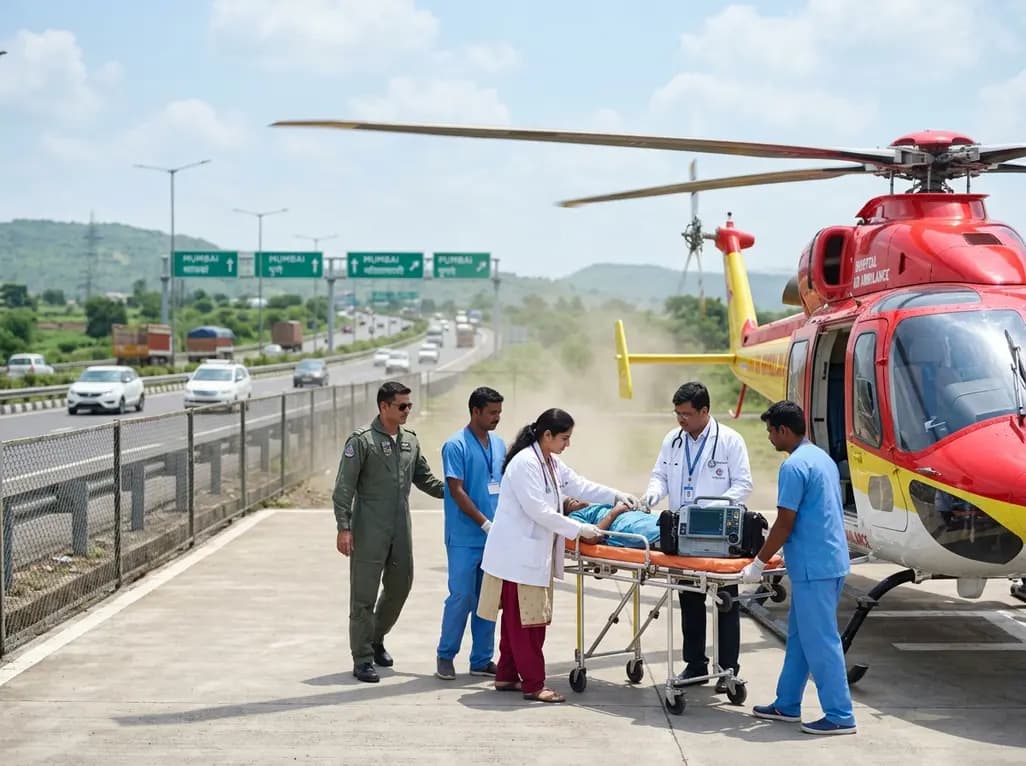
The state government is deploying helicopter emergency medical services across the Mumbai-Pune Expressway, Samruddhi Mahamarg, and Mumbai-Goa Highway. This initiative establishes unified standard operating procedures to enable rapid triage, advanced prehospital resuscitation, and seamless trauma care transfers.
Last week
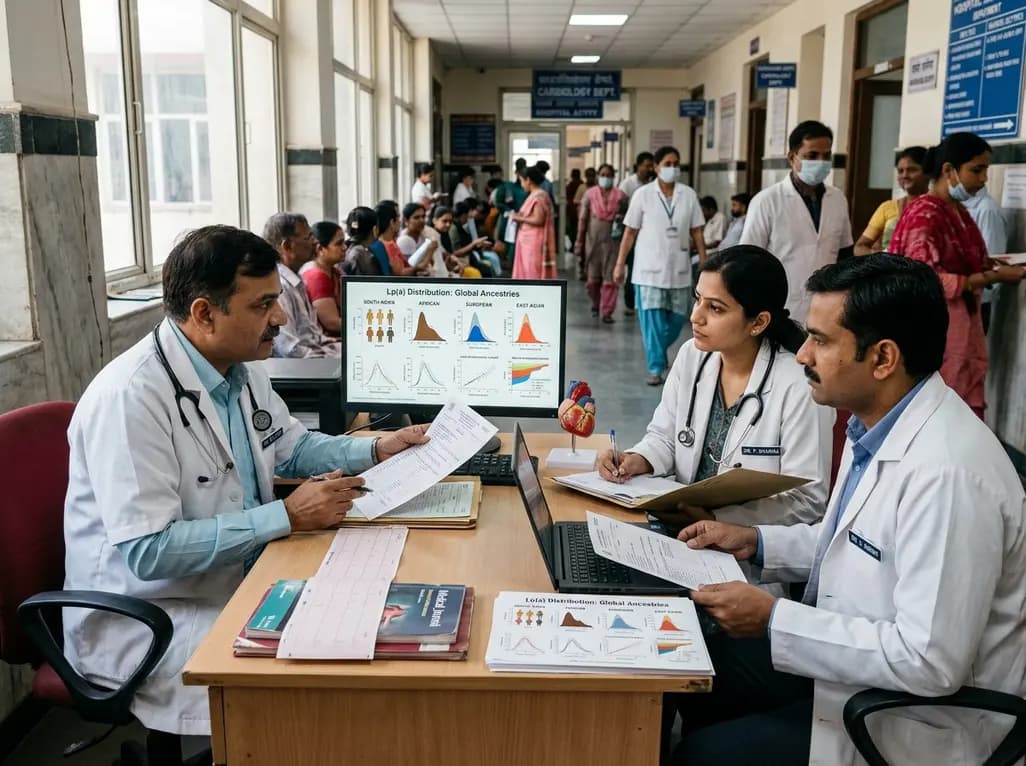
Atherosclerotic cardiovascular disease guidelines often rely on European-derived lipoprotein(a) cutoffs. However, baseline Lp(a) levels vary widely across ancestries, including South Asians and Africans. Clinicians must interpret Lp(a) values within overall absolute cardiovascular risk.
2 weeks back
