

Loading, please wait...
Loading, please wait...

This nationwide multigenerational cohort study used Swedish registers from 2002 to 2023 to assess the risk of eating disorders in patients with biopsy-confirmed celiac disease and in their biological first-degree relatives. It included 37,853 patients with celiac disease (62.6% female; median age at diagnosis 28.7 years), each matched to up to five reference individuals (185,159 in total). During a median follow-up of 10.9 years, 485 patients and 1,578 reference individuals were diagnosed with an eating disorder. Celiac disease was associated with a higher hazard of eating disorders (aHR 1.39; 95% CI 1.27–1.53), most apparent in the first 5 years after diagnosis; over 20 years, about one extra eating disorder case was expected per 222 patients. No elevated risk was seen among parents (aHR 0.82; 95% CI 0.61–1.12), full siblings (aHR 1.11; 95% CI 0.99–1.24) or offspring (aHR 1.05; 95% CI 0.92–1.20). The authors concluded that patients with celiac disease had a moderately increased risk of eating disorders, particularly in the first 5 years after diagnosis, although absolute risk was low, and that clinicians should watch for disordered eating in newly diagnosed patients.

Read summarized clinical updates, watch expert medical content, and earn CME certifications right from your smartphone.
Open your smartphone camera to scan and install.





This nationwide multigenerational cohort study used Swedish registers from 2002 to 2023 to assess the risk of eating disorders in patients with biopsy-confirmed celiac disease and in their biological first-degree relatives. It included 37,853 patients with celiac disease (62.6% female; median age at diagnosis 28.7 years), each matched to up to five reference individuals (185,159 in total). During a median follow-up of 10.9 years, 485 patients and 1,578 reference individuals were diagnosed with an eating disorder. Celiac disease was associated with a higher hazard of eating disorders (aHR 1.39; 95% CI 1.27–1.53), most apparent in the first 5 years after diagnosis; over 20 years, about one extra eating disorder case was expected per 222 patients. No elevated risk was seen among parents (aHR 0.82; 95% CI 0.61–1.12), full siblings (aHR 1.11; 95% CI 0.99–1.24) or offspring (aHR 1.05; 95% CI 0.92–1.20). The authors concluded that patients with celiac disease had a moderately increased risk of eating disorders, particularly in the first 5 years after diagnosis, although absolute risk was low, and that clinicians should watch for disordered eating in newly diagnosed patients.
Today
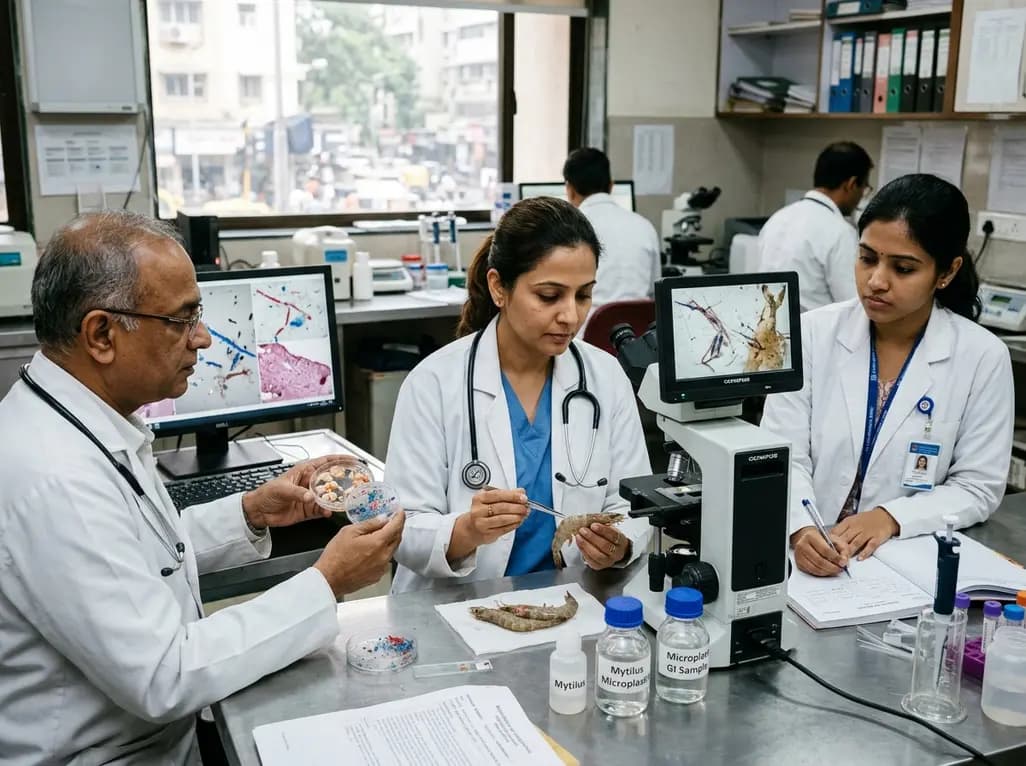
Microplastic contamination in seafood presents emerging public health and gastrointestinal concerns. Learn how synthetic polymers from marine gastropods affect human health, gut integrity, and dietary counseling strategies.
4 days back
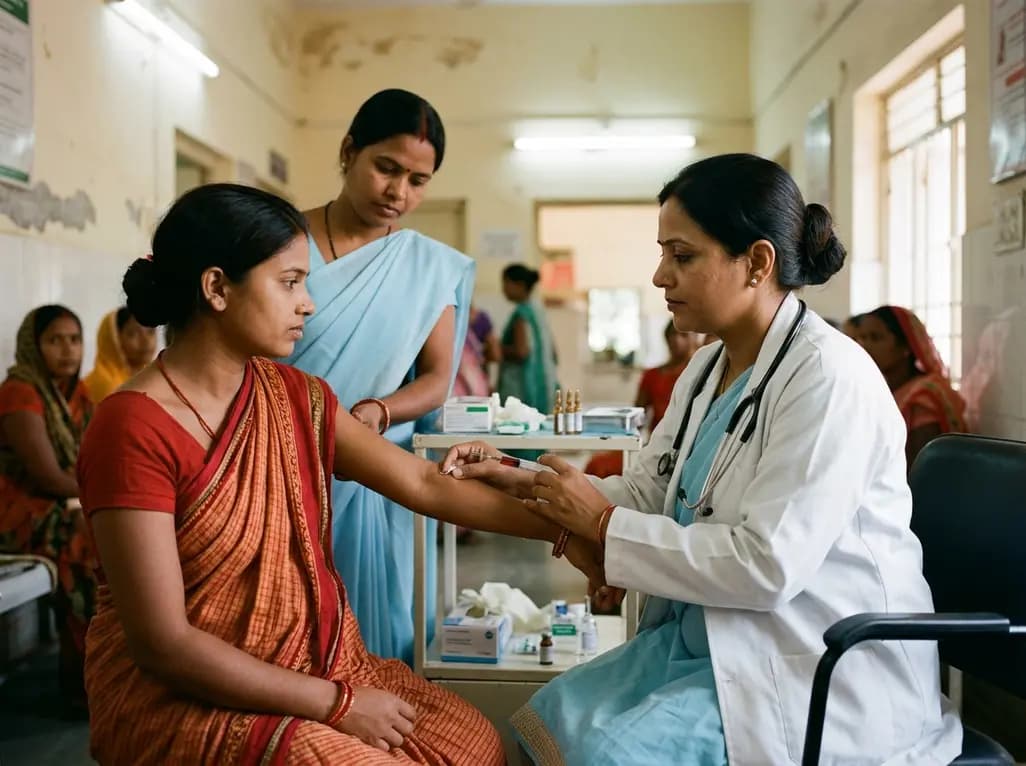
Maternal anaemia contributes to nearly half of pregnancy-related fatalities across India. To prevent complications, Uttar Pradesh has added single-dose parenteral iron to its essential medicines list. This clinical transition aims to restore haemoglobin rapidly and protect high-risk mothers across rural facilities.
last month

India faces a massive diabetes burden with over 89 million adults affected. Managing blood sugar in isolation fails to prevent severe cardiorenal complications. Clinicians must adopt an integrated metabolic ecosystem that prioritizes early detection, multifactorial risk assessment, and personalized therapies.
Last week

The state government is deploying helicopter emergency medical services across the Mumbai-Pune Expressway, Samruddhi Mahamarg, and Mumbai-Goa Highway. This initiative establishes unified standard operating procedures to enable rapid triage, advanced prehospital resuscitation, and seamless trauma care transfers.
last month
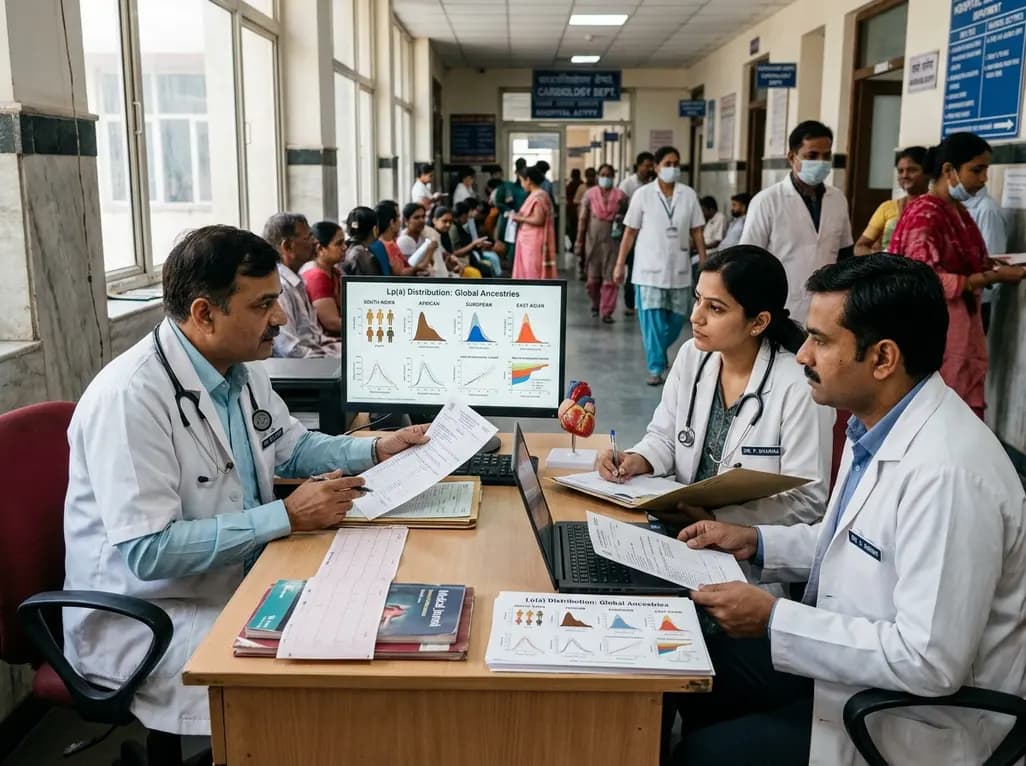
Atherosclerotic cardiovascular disease guidelines often rely on European-derived lipoprotein(a) cutoffs. However, baseline Lp(a) levels vary widely across ancestries, including South Asians and Africans. Clinicians must interpret Lp(a) values within overall absolute cardiovascular risk.
last month
