.webp&w=384&q=75)

Loading, please wait...
Loading, please wait...
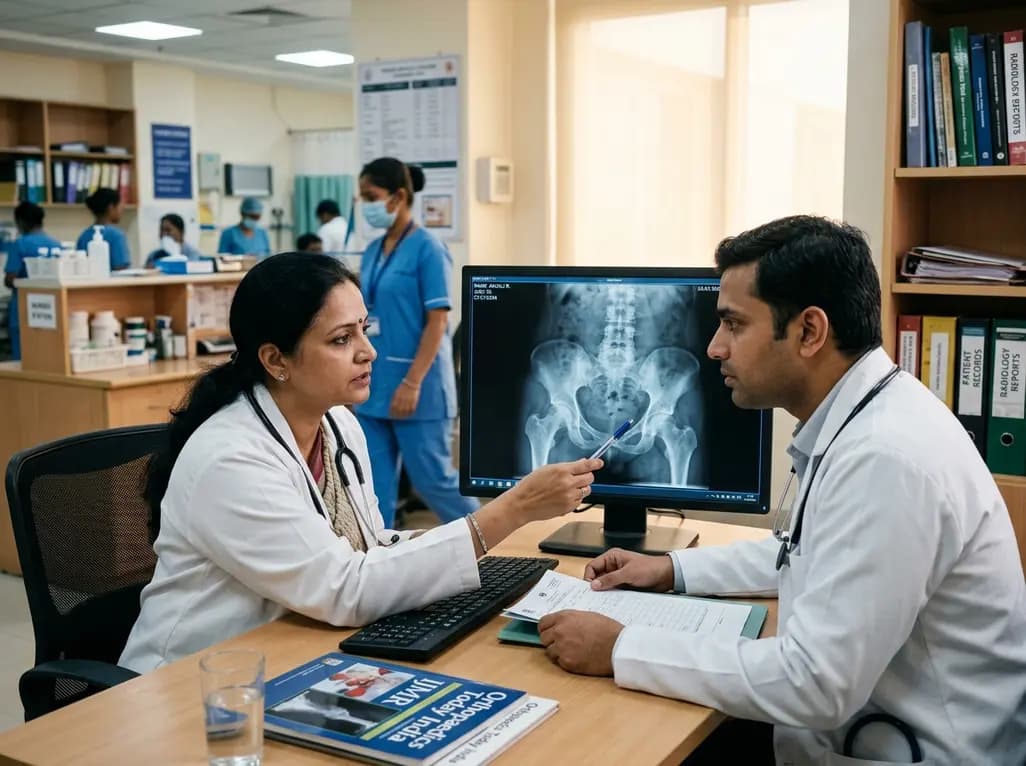
While clinicians historically associated osteoporosis with elderly populations, Indian experts now report a worrying trend among younger individuals. Indeed, an increasing number of adults under the age of 50 are presenting with early bone loss and fragility fractures. This silent progression typically occurs without symptoms until a sudden, minor impact causes a debilitating fracture. Consequently, recognizing the early indicators of this disease has become critical for clinical practice. Several lifestyle factors directly contribute to this decline in skeletal strength among working professionals. For instance, sedentary routines and indoor working hours severely restrict weight-bearing physical activities. Furthermore, widespread vitamin D deficiency in India hampers the body's natural ability to absorb calcium properly. Additionally, poor dietary habits, high caffeine intake, and chronic stress further accelerate mineral depletion.
To address this growing challenge, clinicians must actively screen individuals who present with key risk factors. Therefore, recommending a Bone Mineral Density test using a DEXA scan is a highly effective diagnostic step. In addition, early detection of osteopenia allows for therapeutic interventions before permanent structural damage occurs. However, many young patients remain undiagnosed due to a general lack of awareness regarding silent bone depletion.
Fortunately, clinicians can help patients reverse or halt bone depletion through targeted recommendations. Specifically, encouraging a combination of regular resistance training and weight-bearing exercises is highly beneficial. Moreover, patients should optimize their daily intake of calcium and maintain adequate serum vitamin D levels. Finally, addressing lifestyle habits such as smoking, excessive alcohol consumption, and chronic sleep deprivation is essential.
Q1: Why is osteoporosis developing earlier in the Indian population?
Modern lifestyle changes, such as sedentary desk jobs, minimal sun exposure leading to vitamin D deficiency, and diets lacking in calcium, are primary drivers. Additionally, high stress and habits like smoking contribute to early bone depletion.
Q2: How can young adults screen for early bone loss?
The most reliable screening method is a Bone Mineral Density (BMD) test using a dual-energy X-ray absorptiometry (DEXA) scan. Clinicians recommend screening for individuals with high-risk factors or a family history of osteoporosis.
Disclaimer: This content is for informational and educational purposes only. It does not constitute medical advice or replace professional judgment. Refer to the latest local and national guidelines for clinical practice.
References

Read summarized clinical updates, watch expert medical content, and earn CME certifications right from your smartphone.
Open your smartphone camera to scan and install.





An alarming rise in early bone loss is affecting Indians under 50 due to sedentary lifestyles, vitamin D deficiency, and poor diet. Learn how early screening and lifestyle changes help preserve bone health.
4 months ago
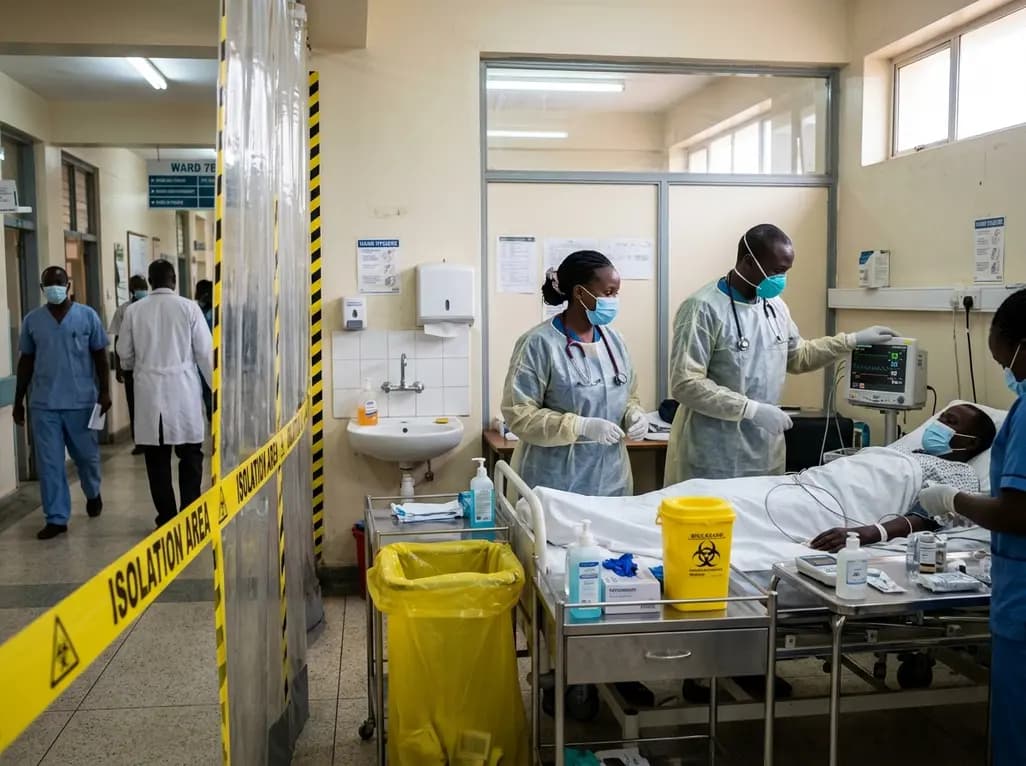
Kenya's confirmation of its eighth Ebola infection highlights the acute risk of secondary transmission in hospital environments. Clinicians must maintain high vigilance, enforce strict infection prevention protocols, and implement rapid triage mechanisms for viral hemorrhagic fevers across healthcare settings.
3 days back
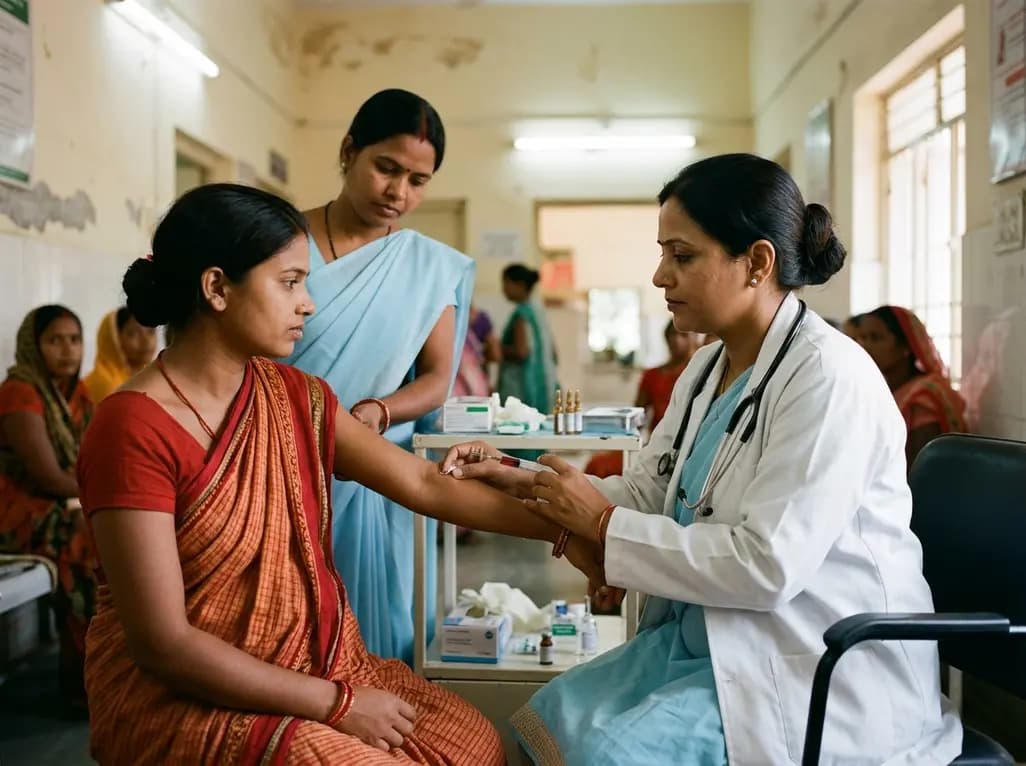
Maternal anaemia contributes to nearly half of pregnancy-related fatalities across India. To prevent complications, Uttar Pradesh has added single-dose parenteral iron to its essential medicines list. This clinical transition aims to restore haemoglobin rapidly and protect high-risk mothers across rural facilities.
Last week
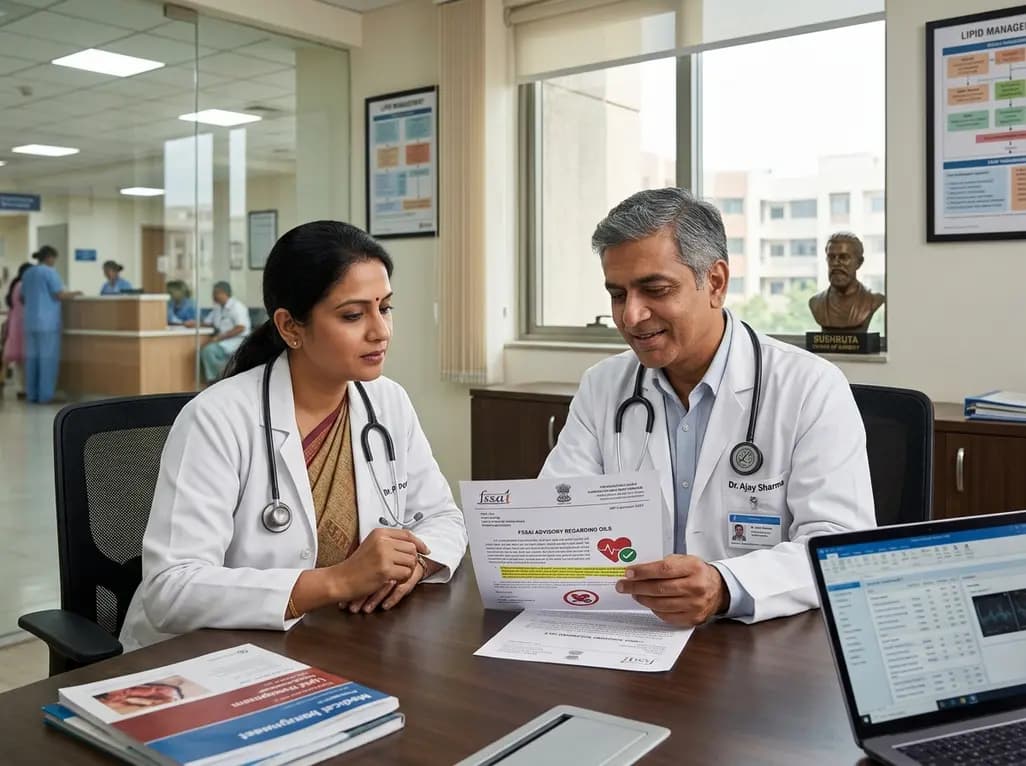
India's food safety authority FSSAI has issued show-cause notices to Gemini Edibles, BigBasket, and Flipkart for unpermitted cardiovascular claims regarding Freedom Rice Bran Oil. This regulatory move highlights the strict enforcement of advertising standards and the clinical necessity of evidence-based lipid care.
5 days back
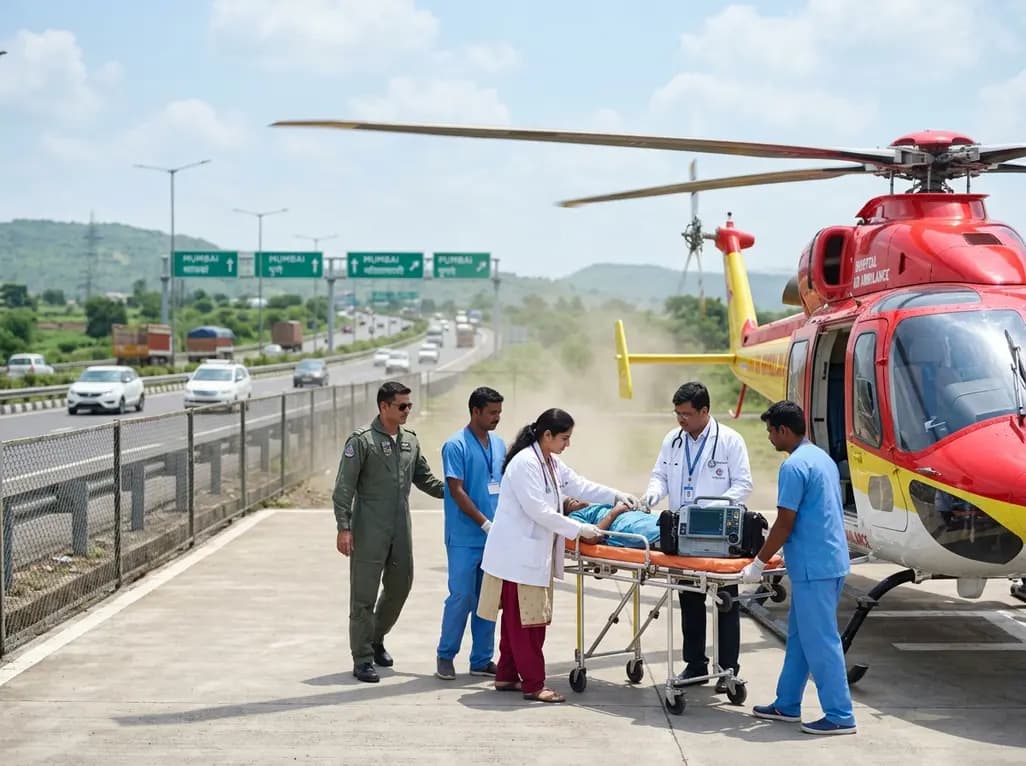
The state government is deploying helicopter emergency medical services across the Mumbai-Pune Expressway, Samruddhi Mahamarg, and Mumbai-Goa Highway. This initiative establishes unified standard operating procedures to enable rapid triage, advanced prehospital resuscitation, and seamless trauma care transfers.
Last week
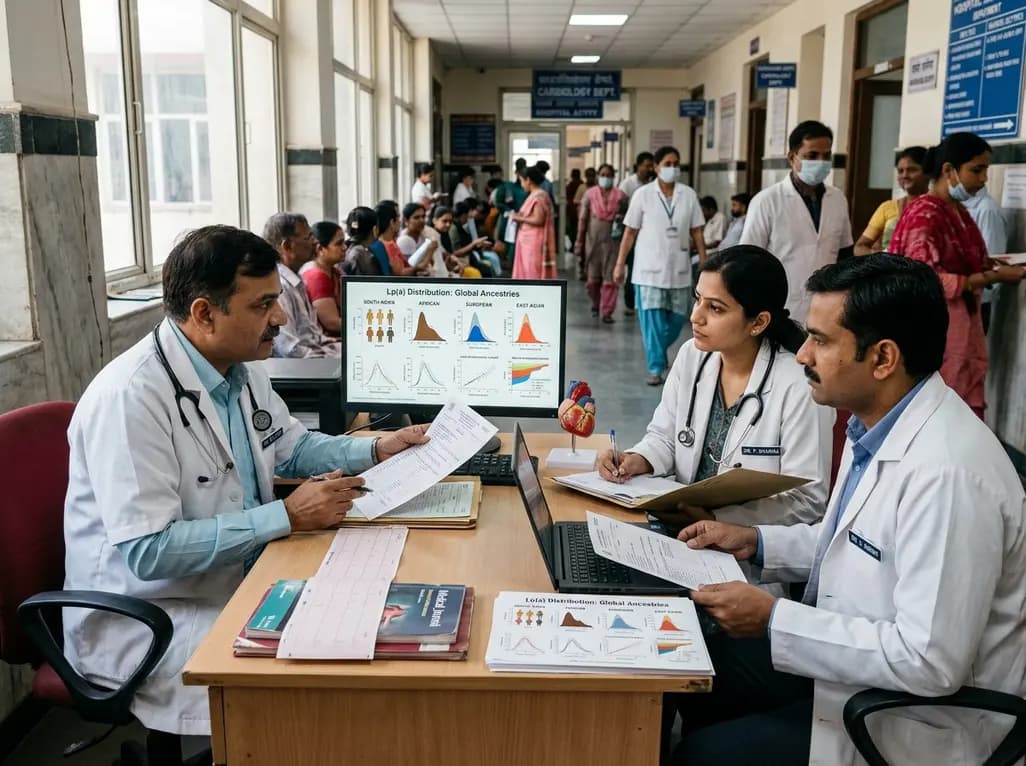
Atherosclerotic cardiovascular disease guidelines often rely on European-derived lipoprotein(a) cutoffs. However, baseline Lp(a) levels vary widely across ancestries, including South Asians and Africans. Clinicians must interpret Lp(a) values within overall absolute cardiovascular risk.
Last week
