.webp&w=384&q=75)

Loading, please wait...
Loading, please wait...
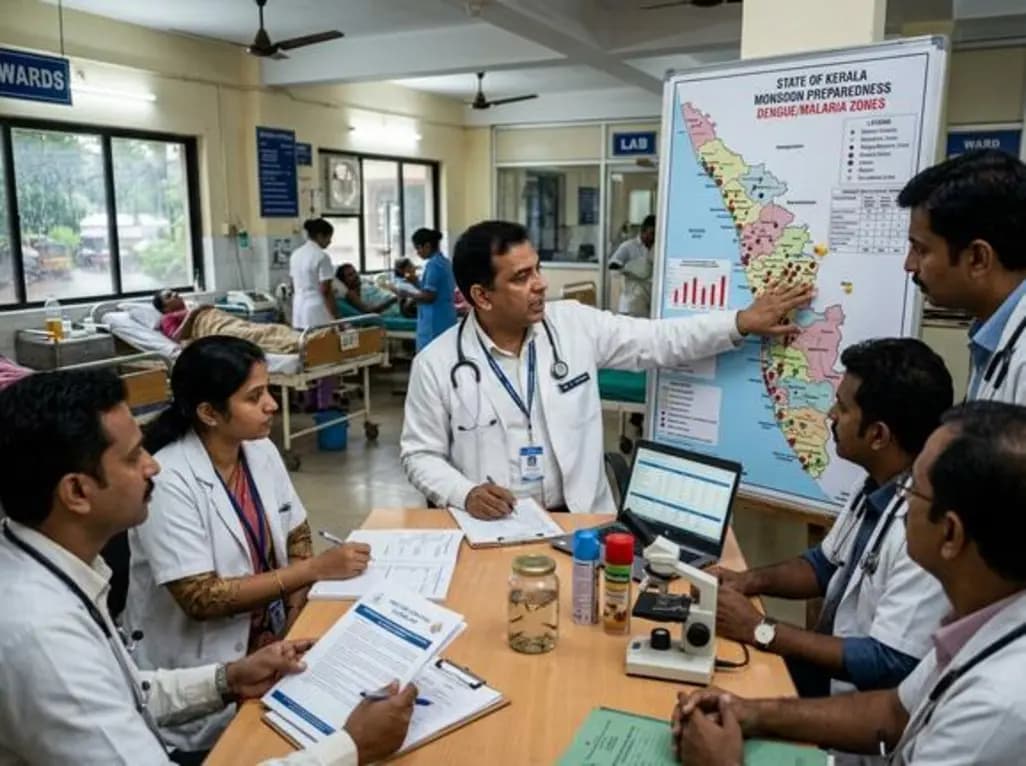
With the monsoon season approaching, Union Health Minister JP Nadda recently highlighted the importance of dengue and malaria preparedness across India. Consequently, healthcare authorities are ramping up vector control and hospital readiness to manage potential outbreaks. Effective coordination between state and local administrations remains essential to minimize the overall disease burden during these high-transmission months.
To ensure robust preparedness, hospitals across the nation must maintain adequate stocks of diagnostic kits and essential medications. Furthermore, facilities need to secure an uninterrupted supply of blood components and hospital beds. Healthcare personnel must also undergo sensitization on the latest clinical management protocols. Therefore, early preparation is critical to manage the surge in patient volume effectively.
Additionally, active disease surveillance is necessary for the early detection of localized outbreaks. For instance, mapping high-risk hotspots helps authorities deploy targeted public health interventions. Healthcare authorities must immediately intensify vector control measures, such as anti-larval spraying and fogging. Consequently, these preventative actions will significantly help in curbing mosquito breeding sites in vulnerable areas.
Moreover, public participation is a key pillar in fighting mosquito-borne diseases. Campaigns must educate residents on maintaining cleanliness and preventing water stagnation in their surroundings. Thus, widespread communication campaigns can empower citizens to protect themselves. By collaborating with community stakeholders, local bodies can establish a highly effective, mosquito-free environment.
Q1: What are the key focus areas for hospital preparedness ahead of the monsoon?
Hospitals must secure adequate stocks of essential medicines, diagnostic kits, blood components, and hospital beds. Additionally, healthcare staff must be trained in the latest standard treatment guidelines to manage patient surges effectively.
Q2: How can local communities support vector control?
Communities can actively participate in source reduction by preventing water stagnation and keeping their surroundings clean. Moreover, collaborating with local administrations for fogging and anti-larval measures helps eliminate breeding sites.
Disclaimer: This content is for informational and educational purposes only. It does not constitute medical advice or replace professional judgment. Refer to the latest local and national guidelines for clinical practice.
References

Read summarized clinical updates, watch expert medical content, and earn CME certifications right from your smartphone.
Open your smartphone camera to scan and install.





Ahead of the monsoon season, Union Health Minister JP Nadda reviewed national preparedness against dengue and malaria. He urged states to strengthen localized disease surveillance, ensure adequate hospital resources, and implement robust vector control measures to manage the transmission season effectively.
4 months ago
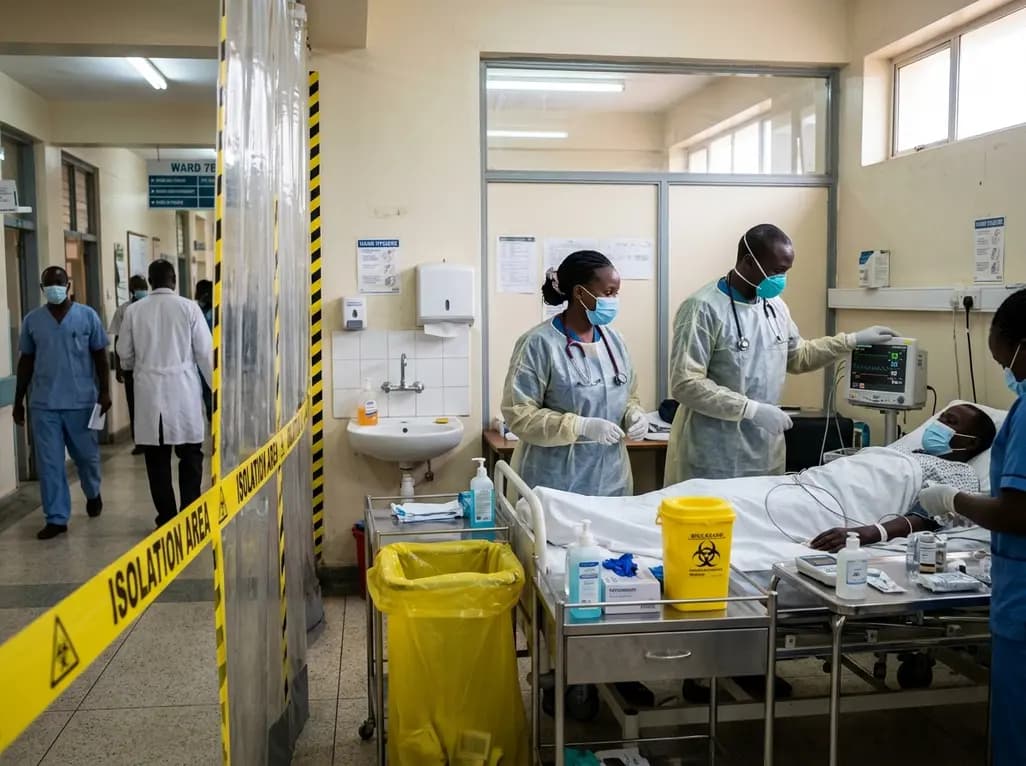
Kenya's confirmation of its eighth Ebola infection highlights the acute risk of secondary transmission in hospital environments. Clinicians must maintain high vigilance, enforce strict infection prevention protocols, and implement rapid triage mechanisms for viral hemorrhagic fevers across healthcare settings.
4 days back
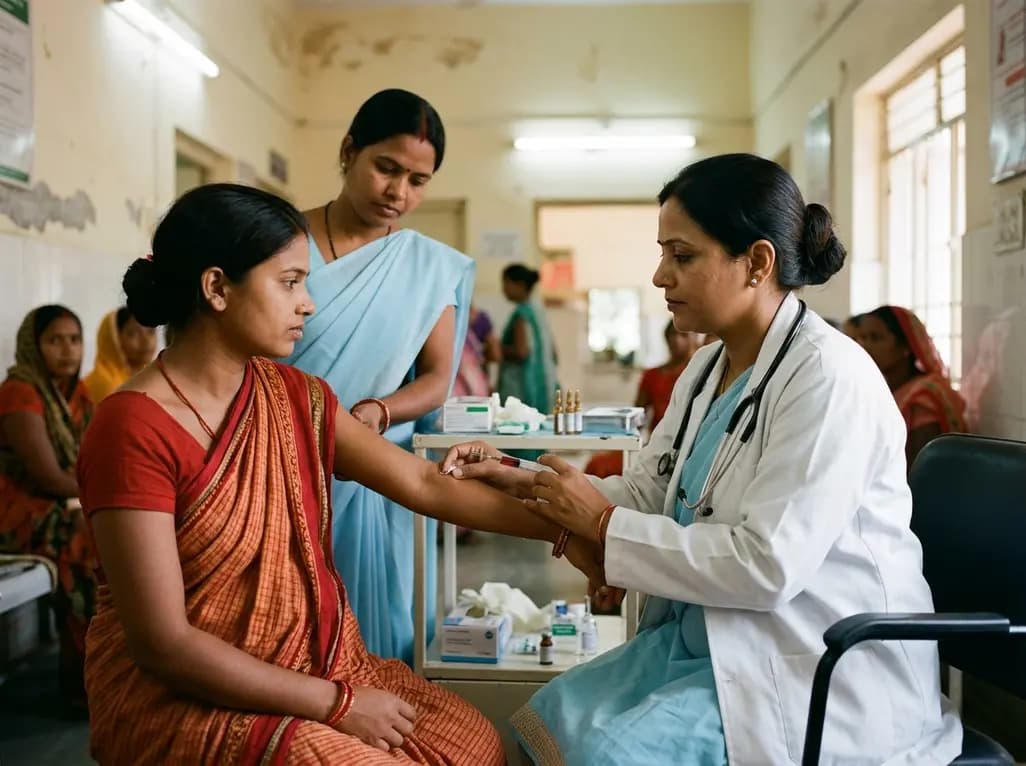
Maternal anaemia contributes to nearly half of pregnancy-related fatalities across India. To prevent complications, Uttar Pradesh has added single-dose parenteral iron to its essential medicines list. This clinical transition aims to restore haemoglobin rapidly and protect high-risk mothers across rural facilities.
Last week
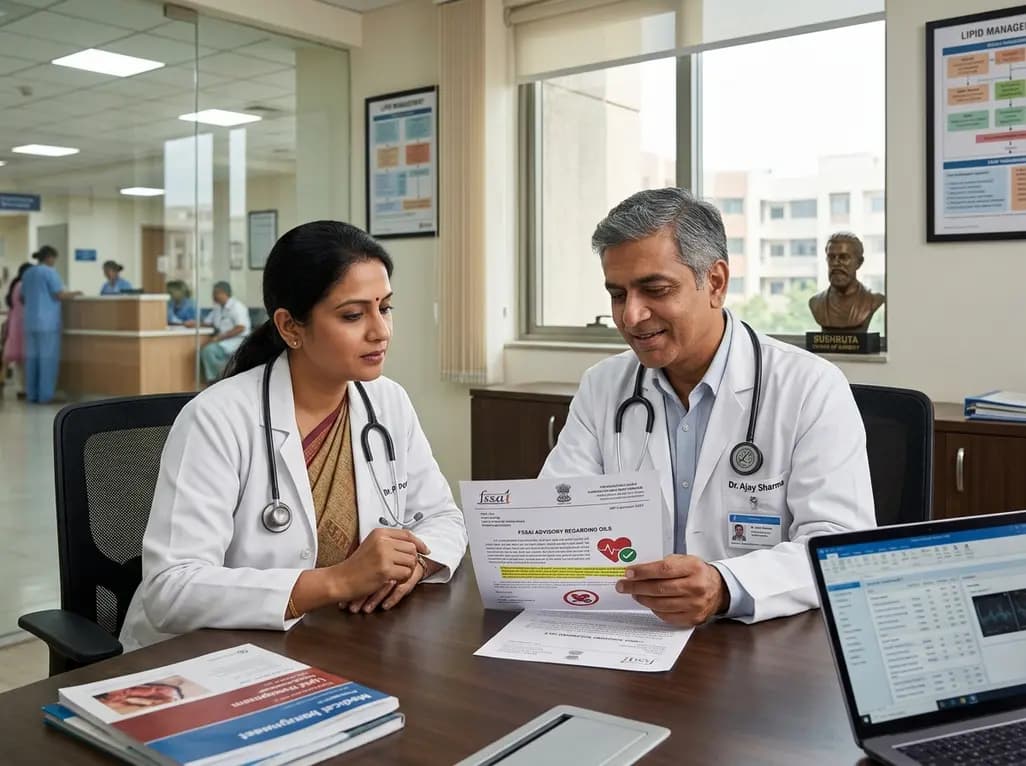
India's food safety authority FSSAI has issued show-cause notices to Gemini Edibles, BigBasket, and Flipkart for unpermitted cardiovascular claims regarding Freedom Rice Bran Oil. This regulatory move highlights the strict enforcement of advertising standards and the clinical necessity of evidence-based lipid care.
6 days back
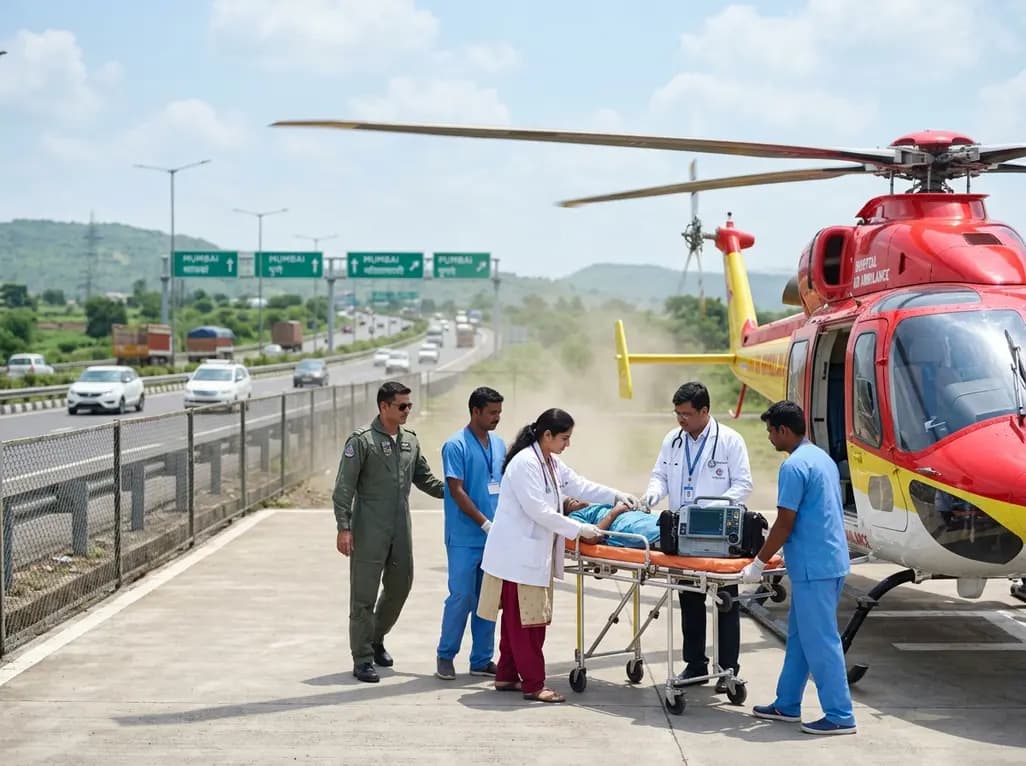
The state government is deploying helicopter emergency medical services across the Mumbai-Pune Expressway, Samruddhi Mahamarg, and Mumbai-Goa Highway. This initiative establishes unified standard operating procedures to enable rapid triage, advanced prehospital resuscitation, and seamless trauma care transfers.
Last week
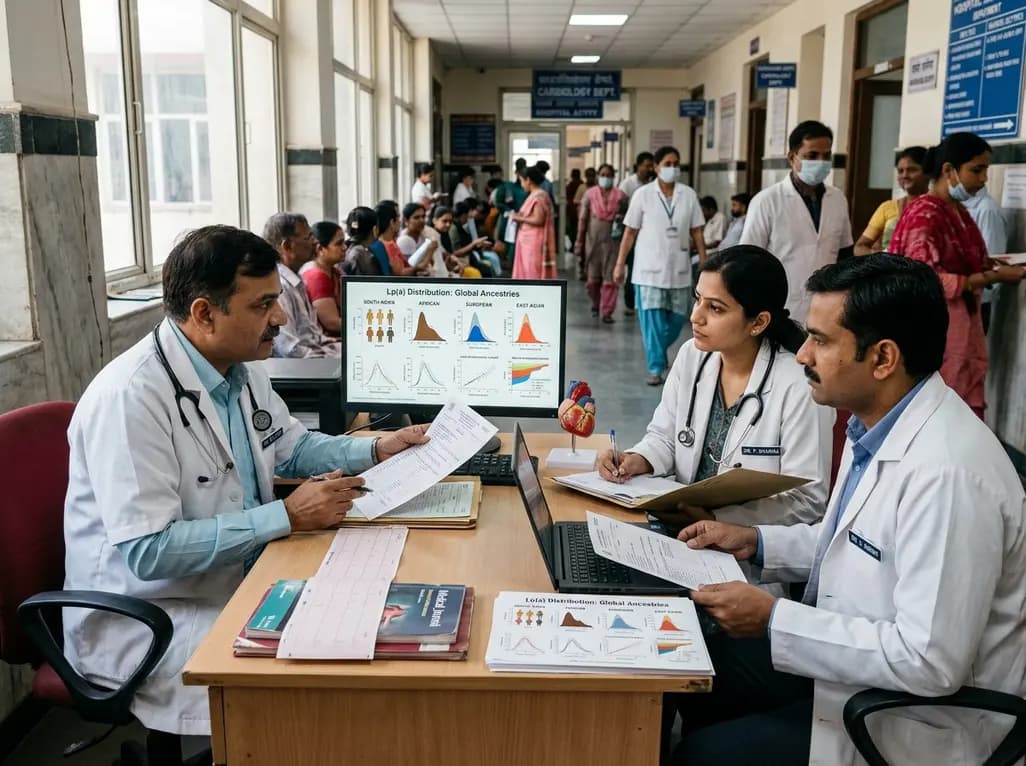
Atherosclerotic cardiovascular disease guidelines often rely on European-derived lipoprotein(a) cutoffs. However, baseline Lp(a) levels vary widely across ancestries, including South Asians and Africans. Clinicians must interpret Lp(a) values within overall absolute cardiovascular risk.
Last week
