.webp&w=384&q=75)

Loading, please wait...
Loading, please wait...
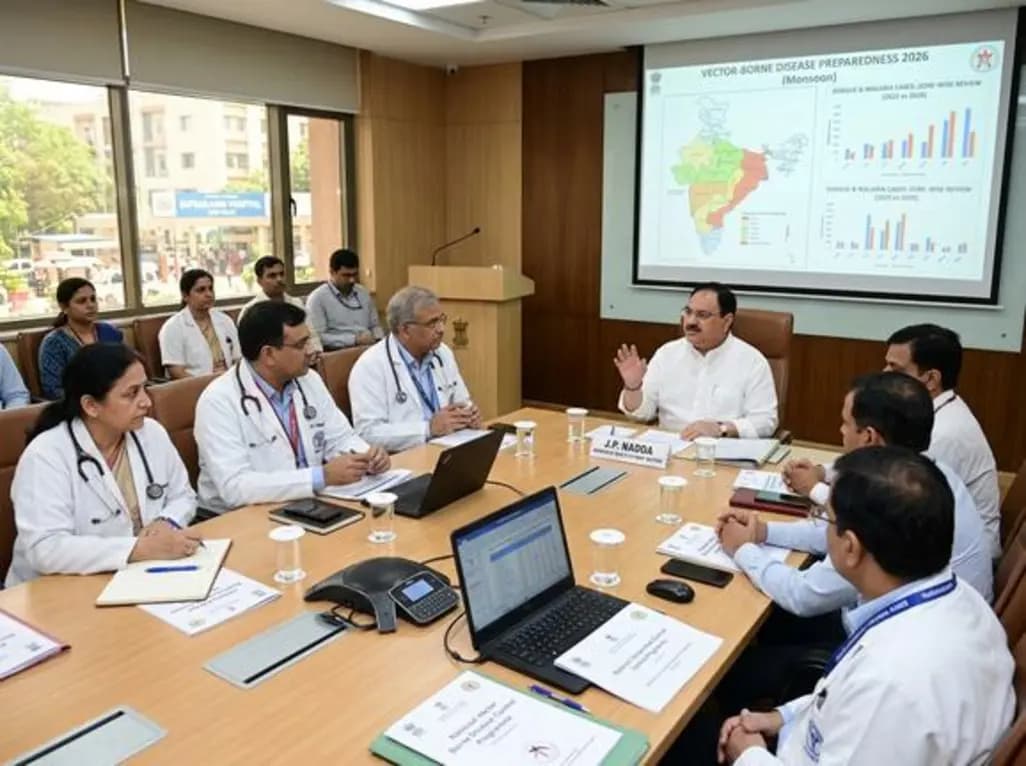
As the monsoon season approaches, Union Health Minister JP Nadda recently reviewed India's vector-borne disease readiness. He emphasized that early dengue preparedness is crucial to managing the surge in cases effectively. Consequently, the government has instructed all states and healthcare organizations to remain vigilant.
To control potential outbreaks, states must strengthen their local surveillance mechanisms immediately. Specifically, this involves prompt reporting and active monitoring. Furthermore, healthcare authorities should implement rapid response strategies. Consequently, these coordinated actions will minimize the overall disease burden across endemic districts.
Moreover, hospitals must ensure the continuous availability of essential resources. These include critical items like medicines, diagnostic kits, and blood components. In addition, medical staff should adhere strictly to standard treatment protocols. This unified clinical approach will ultimately improve patient outcomes during high-transmission months.
Additionally, local administrative bodies must accelerate preventative actions. Specifically, workers should prioritize source reduction and regular fogging in high-risk areas. Meanwhile, educational campaigns will teach citizens how to eliminate stagnant water. Therefore, active community involvement remains a key pillar in controlling mosquito breeding.
Q1: What are the primary objectives of India's current vector-borne disease review?
The review aims to evaluate healthcare facility readiness, diagnostic availability, and surveillance systems. Ultimately, these measures ensure rapid responses to dengue and malaria outbreaks during the monsoon.
Q2: How can communities contribute to local vector control efforts?
Residents can participate by keeping their environments clean and eliminating stagnant water. Furthermore, active involvement from local welfare associations helps maintain mosquito-free zones.
Disclaimer: This content is for informational and educational purposes only. It does not constitute medical advice or replace professional judgment. Refer to the latest local and national guidelines for clinical practice.
References

Read summarized clinical updates, watch expert medical content, and earn CME certifications right from your smartphone.
Open your smartphone camera to scan and install.





Union Health Minister JP Nadda chaired a high-level review meeting to assess national preparedness against dengue and malaria. Key directives include strengthening local surveillance systems, optimizing hospital resources, intensifying vector control, and launching public awareness campaigns.
4 months ago
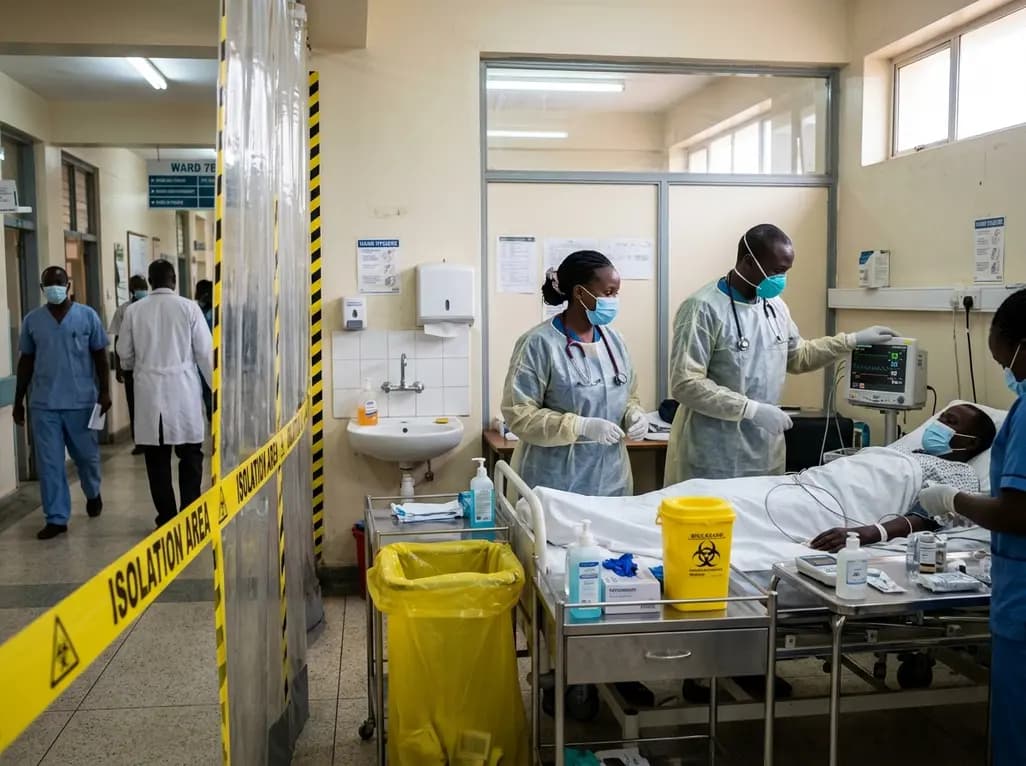
Kenya's confirmation of its eighth Ebola infection highlights the acute risk of secondary transmission in hospital environments. Clinicians must maintain high vigilance, enforce strict infection prevention protocols, and implement rapid triage mechanisms for viral hemorrhagic fevers across healthcare settings.
4 days back
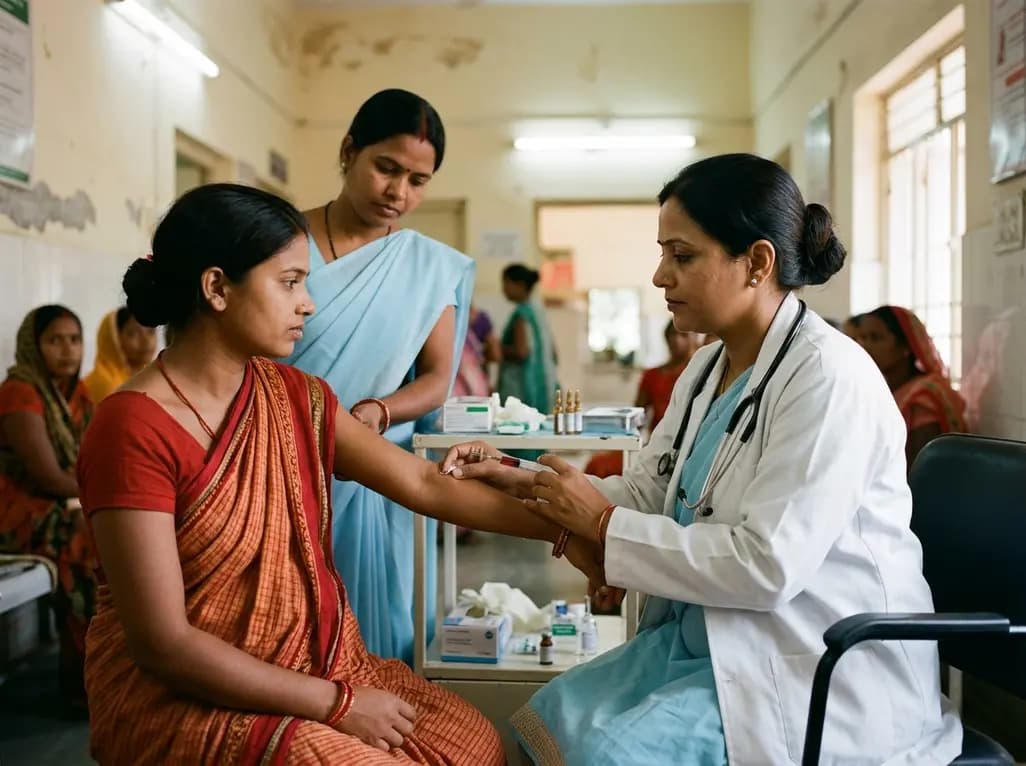
Maternal anaemia contributes to nearly half of pregnancy-related fatalities across India. To prevent complications, Uttar Pradesh has added single-dose parenteral iron to its essential medicines list. This clinical transition aims to restore haemoglobin rapidly and protect high-risk mothers across rural facilities.
Last week
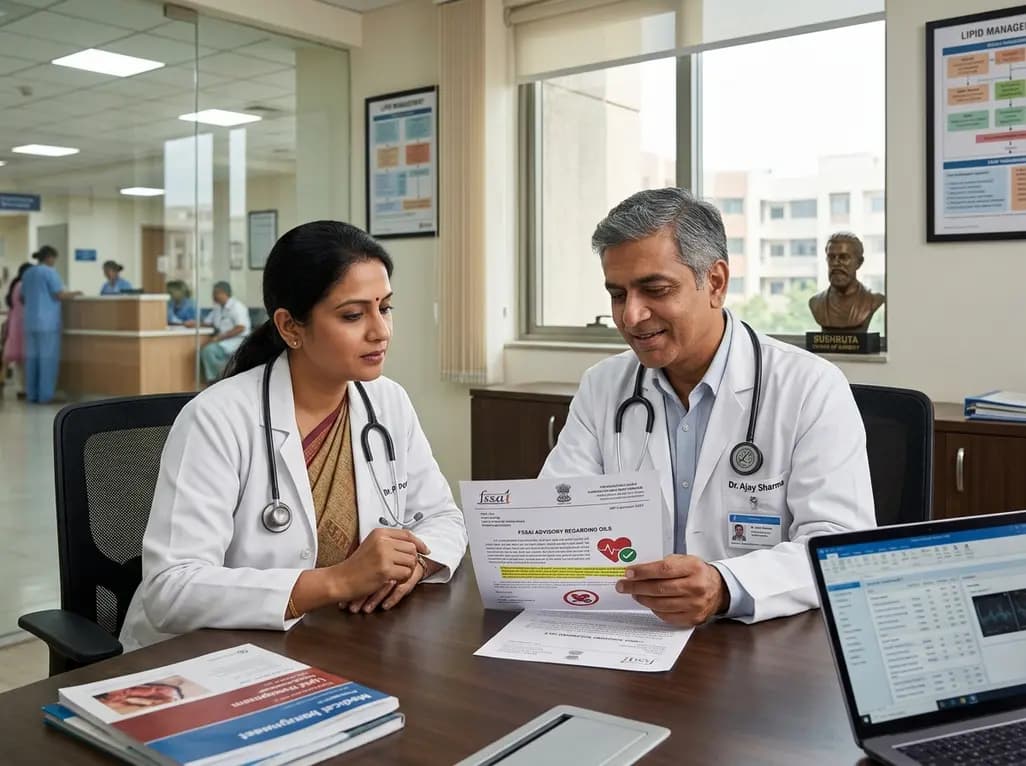
India's food safety authority FSSAI has issued show-cause notices to Gemini Edibles, BigBasket, and Flipkart for unpermitted cardiovascular claims regarding Freedom Rice Bran Oil. This regulatory move highlights the strict enforcement of advertising standards and the clinical necessity of evidence-based lipid care.
6 days back
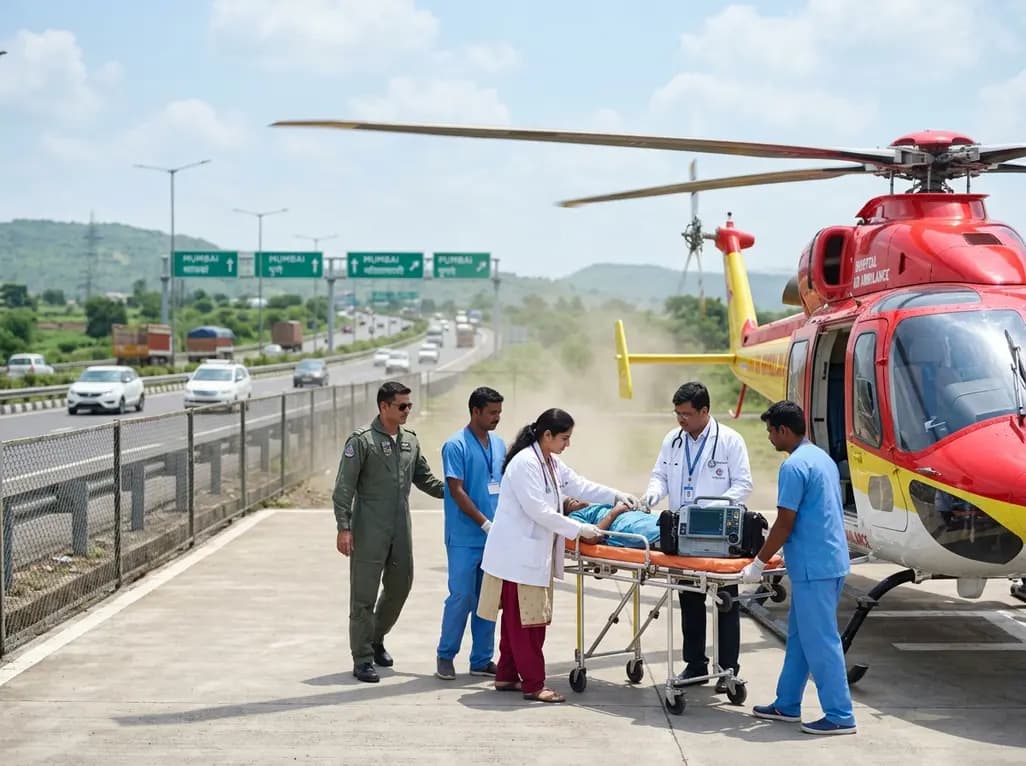
The state government is deploying helicopter emergency medical services across the Mumbai-Pune Expressway, Samruddhi Mahamarg, and Mumbai-Goa Highway. This initiative establishes unified standard operating procedures to enable rapid triage, advanced prehospital resuscitation, and seamless trauma care transfers.
Last week
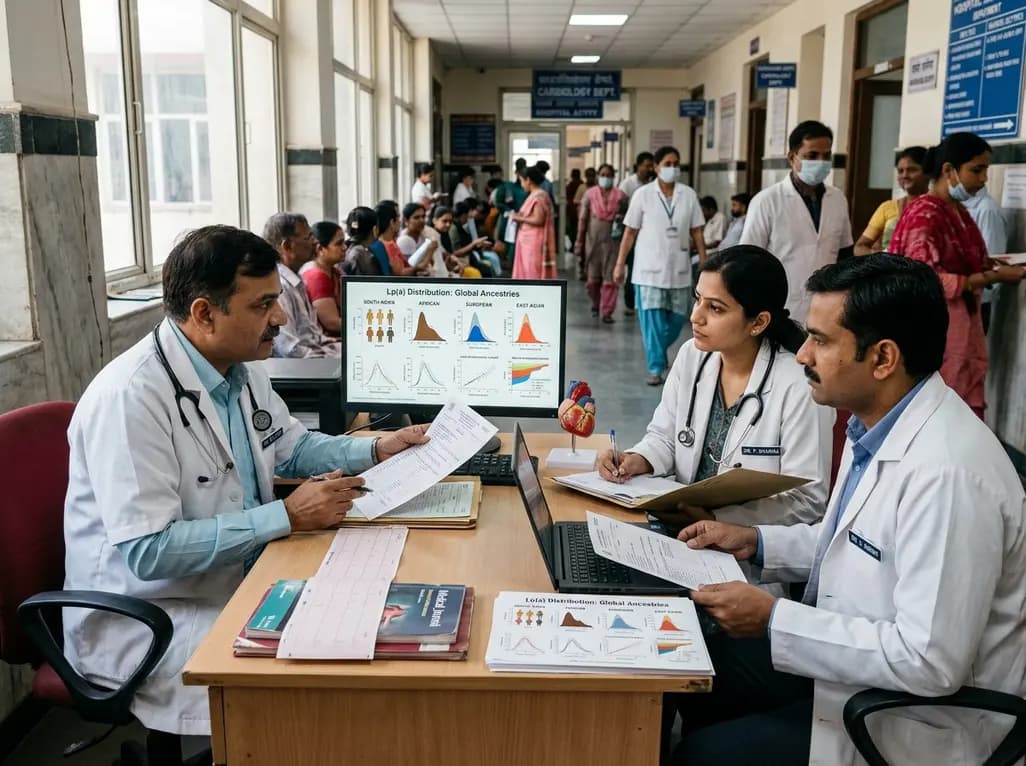
Atherosclerotic cardiovascular disease guidelines often rely on European-derived lipoprotein(a) cutoffs. However, baseline Lp(a) levels vary widely across ancestries, including South Asians and Africans. Clinicians must interpret Lp(a) values within overall absolute cardiovascular risk.
Last week
