.webp&w=384&q=75)

Loading, please wait...
Loading, please wait...

The latest report from the Municipal Corporation of Delhi (MCD) brings encouraging news. Specifically, there is a noticeable decline in vector-borne illnesses. Most importantly, dengue cases in Delhi and other infections have dropped significantly compared to previous years. Consequently, clinical practitioners are witnessing a manageable pre-monsoon baseline. This trend is highly positive for public health management in the capital region.
According to the MCD data ending June 20, the city has logged 171 dengue cases so far this year. In comparison, Delhi reported 208 cases during the same period in 2025. This represents a solid decline. Specifically, nine new dengue cases were registered during the last week. In addition, West Delhi and Central Delhi emerged as the primary hotspots. West Delhi reported 30 cases, while Central Delhi registered 23 cases.
Furthermore, other vector-borne diseases are showing similar downward trends. For instance, malaria cases dropped to 45 infections, down from 77 cases last year. Chikungunya cases also decreased to 10 from 14. Fortunately, no deaths have been recorded from any of these illnesses this year.
The municipal body has heavily scaled up its pre-monsoon surveillance. For example, domestic breeding checkers inspected over 1.78 crore households. During these checks, workers found active mosquito breeding in 40,487 homes. As a result, the MCD issued 37,840 legal notices and launched 4,287 legal prosecutions. Additionally, teams sprayed over 1.92 lakh homes to control mosquito vectors. They also released larvivorous fish at 228 locations to naturally suppress mosquito larvae. These proactive measures have played a major role in keeping infections low.
Q1: What are the current trends for dengue cases in Delhi?
According to the latest MCD report, Delhi has logged 171 dengue cases so far this year. This is significantly lower than the 208 infections reported during the same period in 2025.
Q2: Which regions in Delhi have reported the highest number of malaria and dengue cases?
West Delhi and Central Delhi are currently the main hotspots. West Delhi has reported the highest number of malaria and dengue cases, with 15 and 30 cases, respectively.
Q3: What preventive measures is the MCD implementing to control mosquito breeding?
The MCD has inspected over 1.78 crore households, sprayed more than 1.92 lakh homes, and introduced larvivorous fish at 228 locations. They have also issued legal notices and initiated prosecutions against offenders.
Disclaimer: This content is for informational and educational purposes only. It does not constitute medical advice or replace professional judgment. Refer to the latest local and national guidelines for clinical practice.
References

Read summarized clinical updates, watch expert medical content, and earn CME certifications right from your smartphone.
Open your smartphone camera to scan and install.





Municipal Corporation of Delhi (MCD) data reveals a significant drop in vector-borne diseases. Dengue, malaria, and chikungunya cases have decreased compared to last year. Intensive pre-monsoon vector control operations and household inspections have helped keep transmission under control.
3 months ago
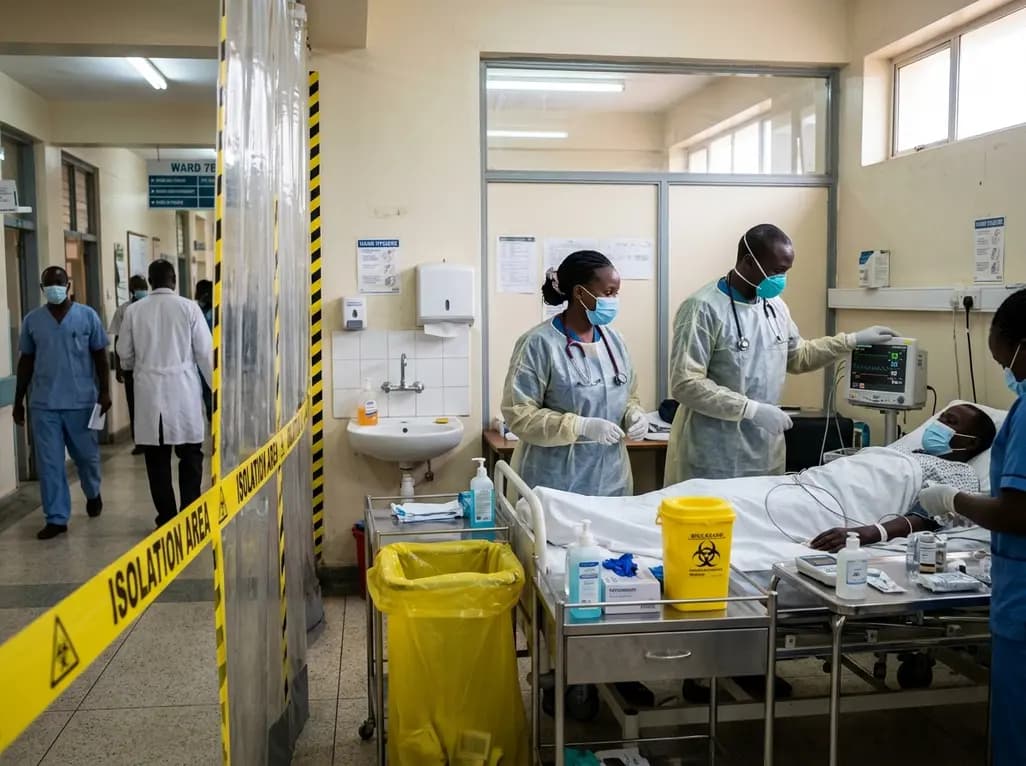
Kenya's confirmation of its eighth Ebola infection highlights the acute risk of secondary transmission in hospital environments. Clinicians must maintain high vigilance, enforce strict infection prevention protocols, and implement rapid triage mechanisms for viral hemorrhagic fevers across healthcare settings.
3 days back
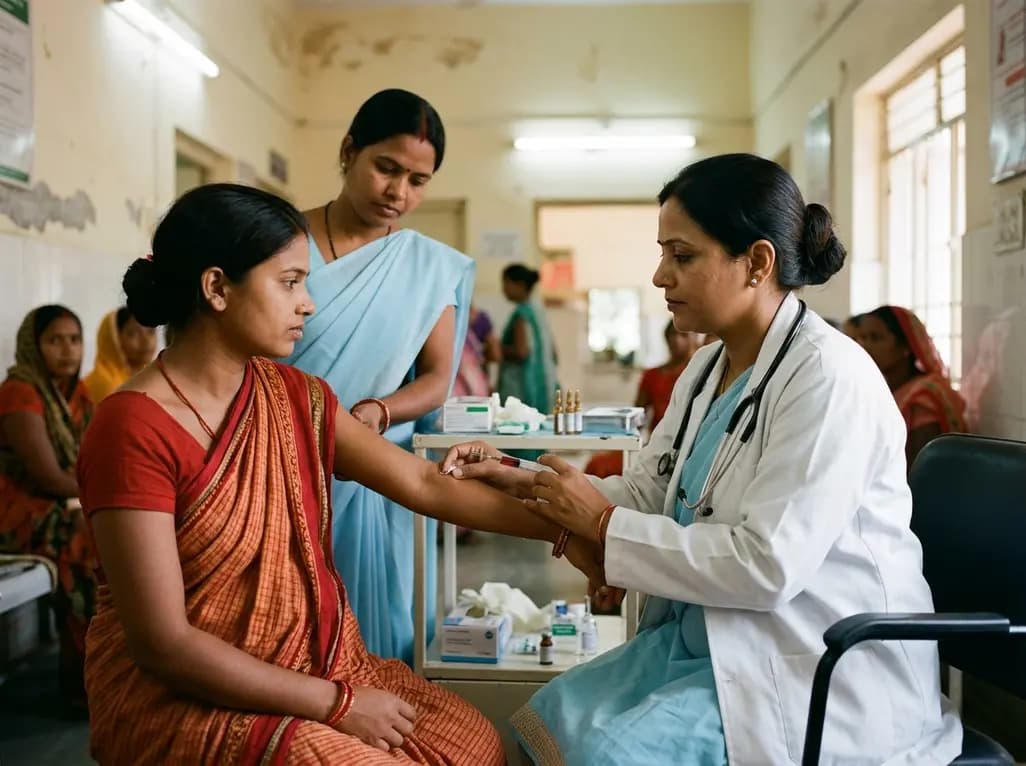
Maternal anaemia contributes to nearly half of pregnancy-related fatalities across India. To prevent complications, Uttar Pradesh has added single-dose parenteral iron to its essential medicines list. This clinical transition aims to restore haemoglobin rapidly and protect high-risk mothers across rural facilities.
Last week

India's food safety authority FSSAI has issued show-cause notices to Gemini Edibles, BigBasket, and Flipkart for unpermitted cardiovascular claims regarding Freedom Rice Bran Oil. This regulatory move highlights the strict enforcement of advertising standards and the clinical necessity of evidence-based lipid care.
5 days back
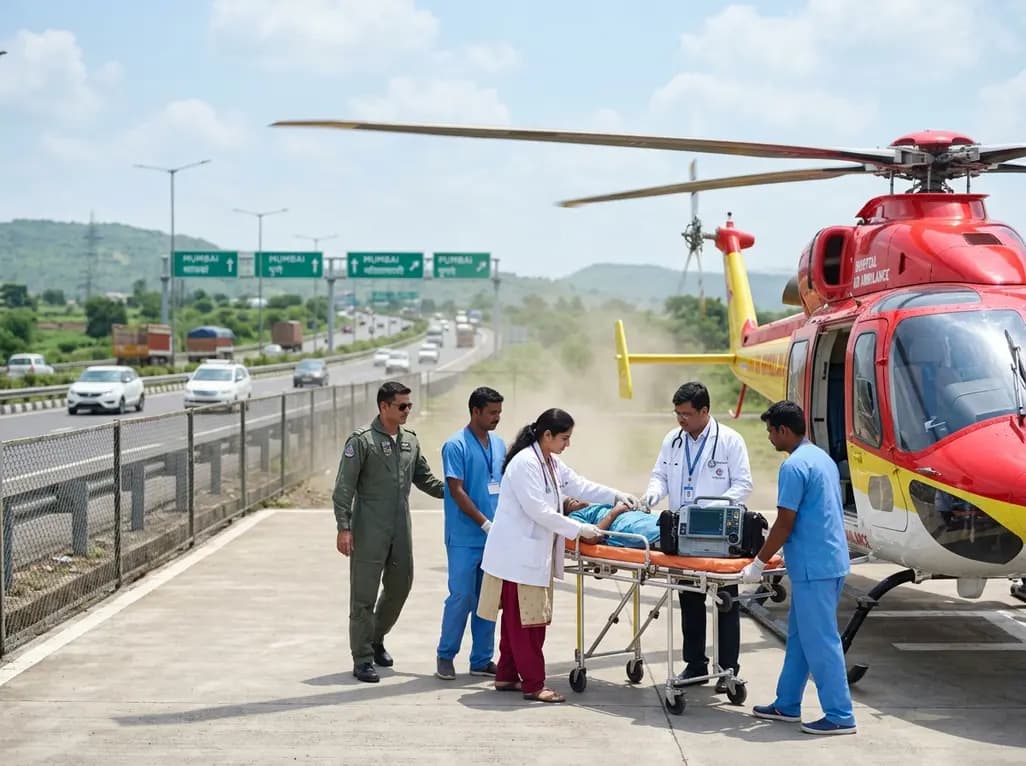
The state government is deploying helicopter emergency medical services across the Mumbai-Pune Expressway, Samruddhi Mahamarg, and Mumbai-Goa Highway. This initiative establishes unified standard operating procedures to enable rapid triage, advanced prehospital resuscitation, and seamless trauma care transfers.
Last week
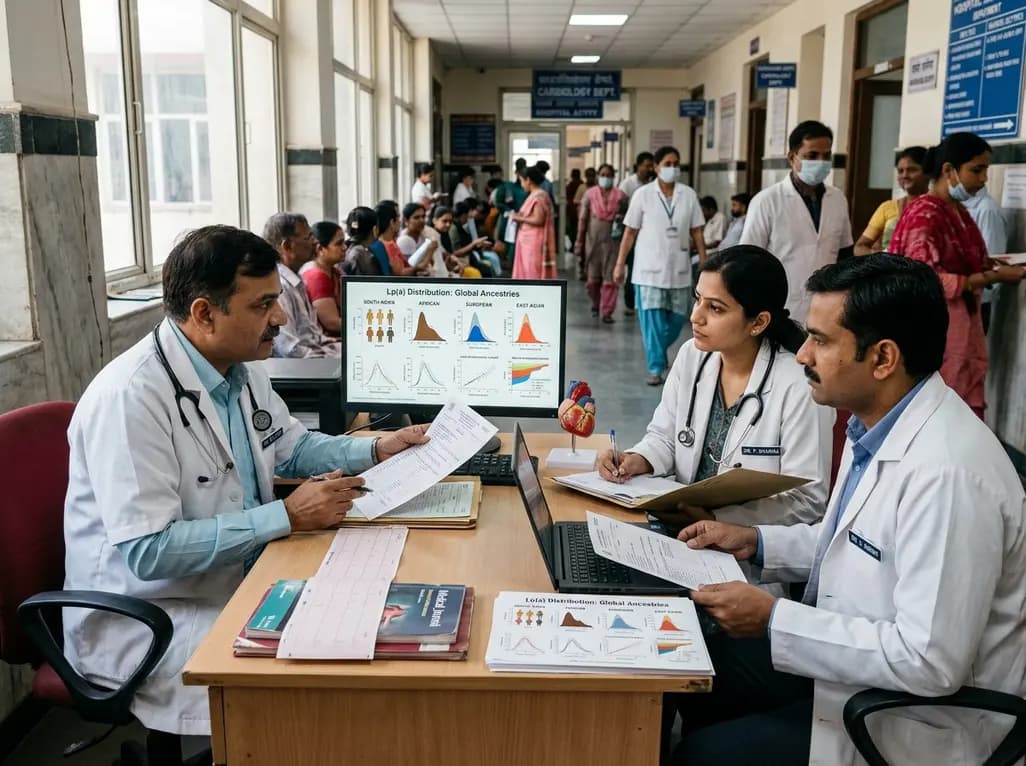
Atherosclerotic cardiovascular disease guidelines often rely on European-derived lipoprotein(a) cutoffs. However, baseline Lp(a) levels vary widely across ancestries, including South Asians and Africans. Clinicians must interpret Lp(a) values within overall absolute cardiovascular risk.
Last week
