.webp&w=384&q=75)

Loading, please wait...
Loading, please wait...
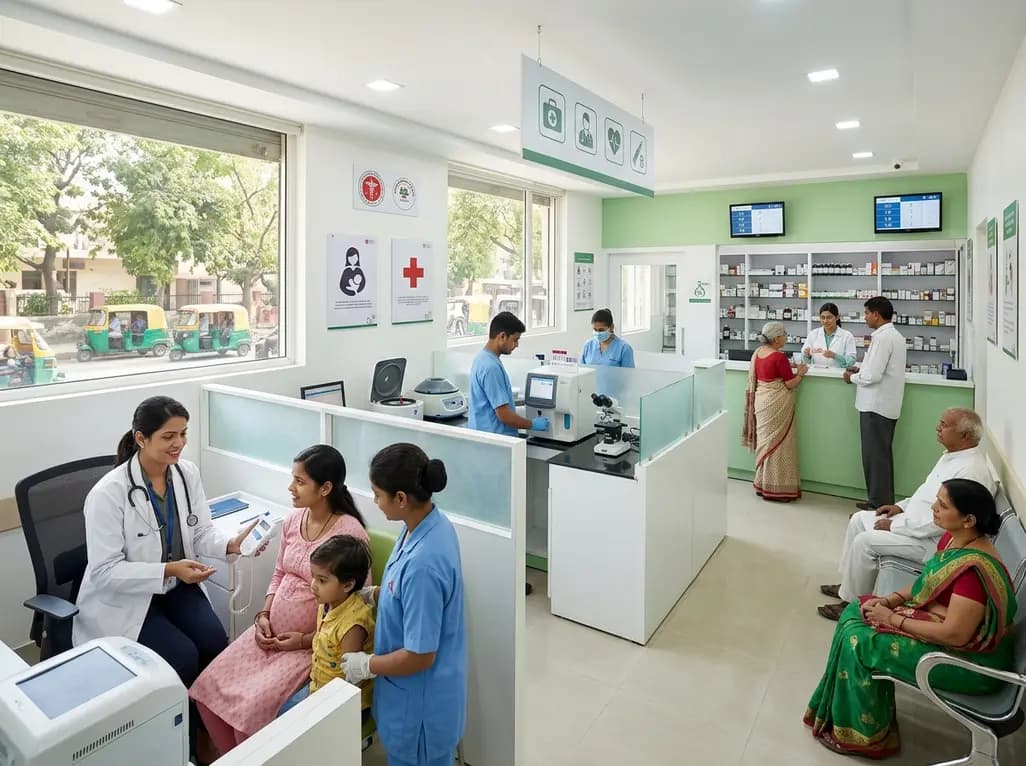
The Delhi government recently announced 45 new health facilities under the seventh phase of its public health initiative. These Ayushman Arogya Mandirs will dramatically improve local access to essential and free medical services across the capital. Consequently, this expansion marks a significant step in building a robust, community-centric health ecosystem. Furthermore, it reinforces the state's commitment to ensuring equitable healthcare for every single resident, regardless of socioeconomic status.
The addition of these 45 new facilities marks a massive milestone in the capital's healthcare roadmap. Previously, the Delhi government successfully operationalised 370 of these primary health centres. Specifically, this existing network includes 244 urban sub-health centres alongside 126 urban primary health centres. However, the government intends to expand this network to over 1,100 centres in the long term. Therefore, the seventh phase represents a crucial step towards achieving this ambitious public health goal.
Additionally, this rapid expansion aims to decentralise medical services across various underserved neighborhoods. Consequently, citizens can access high-quality consultation and treatment without traveling long distances. Meanwhile, Delhi Health Minister Pankaj Singh emphasized that bringing care closer to home remains their ultimate priority. He confirmed that these centres will serve as the first point of clinical contact for local families. As a result, the government hopes to create a seamless, integrated system that prevents clinical issues from escalating. Ultimately, this approach will foster a healthier urban community.
These newly dedicated healthcare units do not merely offer basic treatment. Instead, they provide a highly comprehensive package of primary health services. Specifically, patients can access robust maternal and child healthcare, essential immunisations, and regular growth monitoring. Additionally, the clinical staff focus heavily on the screening and management of non-communicable diseases. For instance, early detection of diabetes, hypertension, and common cancers forms a core pillar of their daily operations. Consequently, patients receive timely interventions before their conditions deteriorate.
Furthermore, each centre ensures a steady supply of essential medicines entirely free of charge. Similarly, they offer free basic diagnostic tests, which significantly lowers out-of-pocket healthcare expenditure for low-income families. To illustrate this benefit, patients can get blood sugar checks and routine clinical screenings right in their neighborhood. Moreover, the centers will promote long-term wellness by organizing structured activities like yoga sessions twice a week. Therefore, these facilities successfully blend clinical medicine with active lifestyle counseling to improve community wellness.
A critical objective of this expansion involves decongesting major public hospitals across Delhi. Currently, tertiary care facilities face immense pressure due to an overwhelming number of outpatients. Many of these patients seek treatment for minor ailments that physicians could easily manage at a primary level. Consequently, the establishment of neighborhood-level clinics helps redistribute this clinical load effectively. Ultimately, major teaching hospitals can focus their resources on complex, critical cases that require specialised surgical or medical interventions.
Moreover, this strategic shift significantly benefits patients from low-income backgrounds and senior citizens. Typically, these vulnerable groups struggle with long travel times and exhaustive queues at larger public hospitals. However, the presence of localized health centres removes these logistical barriers. Subsequently, patients can receive dignified, professional care within walking distance of their homes. This localized approach not only saves travel time but also reduces overall healthcare costs for families. Therefore, primary care accessibility remains a cornerstone of Delhi's public health strategy to achieve health equity.
The systematic screening of non-communicable diseases (NCDs) at these centres offers profound clinical benefits. Globally, chronic conditions like cardiovascular disease and diabetes account for a high percentage of premature deaths. However, early detection can substantially alter the course of these chronic illnesses. Specifically, routine blood pressure and glucose monitoring allow clinicians to diagnose hypertension and diabetes in their asymptomatic stages. Consequently, patients can initiate early treatment, which prevents severe long-term complications like stroke or renal failure.
Additionally, the centres provide continuous management and follow-up care for diagnosed patients. Rather than traveling to distant hospitals, patients can regularly collect their prescribed medicines locally. Furthermore, the healthcare team offers personalized lifestyle counseling and nutritional guidance. For instance, clinicians advise patients on dietary modifications, exercise routines, and stress management techniques. As a result, this comprehensive approach ensures high treatment adherence and improves overall clinical outcomes. Therefore, regular early screening serves as a highly powerful tool in reducing the overall burden of chronic disease.
To build a sustainable healthcare system, the government is prioritizing the development of permanent infrastructure. Historically, many localized primary care clinics operated out of rented commercial properties. However, Chief Minister Rekha Gupta declared that the Delhi government will transition all clinics to state-owned buildings. This policy decision guarantees stable, standardized facility designs that optimize clinical workflows. Consequently, patients can experience clean, safe, and professional environments during their medical consultations.
Moreover, this structural transition integrates with national programs like the PM-Ayushman Bharat Health Infrastructure Mission. This integration ensures a steady stream of financial and technical support to modernize local public health facilities. Subsequently, Delhi can expand its primary healthcare roadmaps and issue more free medical cards. For instance, the government has already issued over six lakh health cards to residents in the city. Ultimately, these systemic improvements will secure universal health coverage for Delhi. Consequently, this creates a durable model for other states to emulate.
Q1: What are the primary medical services provided at Delhi's Ayushman Arogya Mandirs?
These specialized facilities offer an extensive range of essential services to the local community. Specifically, patients can access maternal and child health services, routine immunisations, and free consultations with primary care doctors. Additionally, the centers provide essential diagnostic tests and a steady supply of basic medications completely free of charge. Consequently, residents can successfully manage their routine healthcare needs and chronic illnesses right within their neighborhoods without facing heavy financial burdens.
Q2: How do Ayushman Arogya Mandirs contribute to the early detection of chronic diseases?
The centers play an invaluable role in the preventive healthcare system by conducting systematic screenings for various non-communicable diseases. For instance, clinical staff routinely monitor patients for hypertension, diabetes, and common types of cancer. Furthermore, early detection enables clinicians to initiate timely treatments and offer lifestyle modifications before serious complications develop. As a result, this proactive approach significantly reduces the rate of severe clinical outcomes like heart attacks or strokes.
Q3: Why is the transition to state-owned buildings significant for these healthcare centers?
Previously, several primary healthcare facilities operated within rented commercial spaces, which often limited their overall clinical capacity. However, transitioning these centers to permanent, state-owned government buildings ensures long-term operational stability and standardized facility designs. This infrastructural shift allows for improved patient workflow, cleaner environments, and better space utilization. Ultimately, this structural development enables the medical staff to deliver highly professional, standardized, and respectful care to every single patient.
Disclaimer: This content is for informational and educational purposes only. It does not constitute medical advice or replace professional judgment. Refer to the latest local and national guidelines for clinical practice.
References

Read summarized clinical updates, watch expert medical content, and earn CME certifications right from your smartphone.
Open your smartphone camera to scan and install.





The Delhi government is set to dedicate 45 new Ayushman Arogya Mandirs under the seventh phase of its health initiative. This expansion aims to significantly strengthen the city's primary healthcare infrastructure, offering free diagnostic services, essential medicines, and maternal care close to residents' homes.
3 months ago
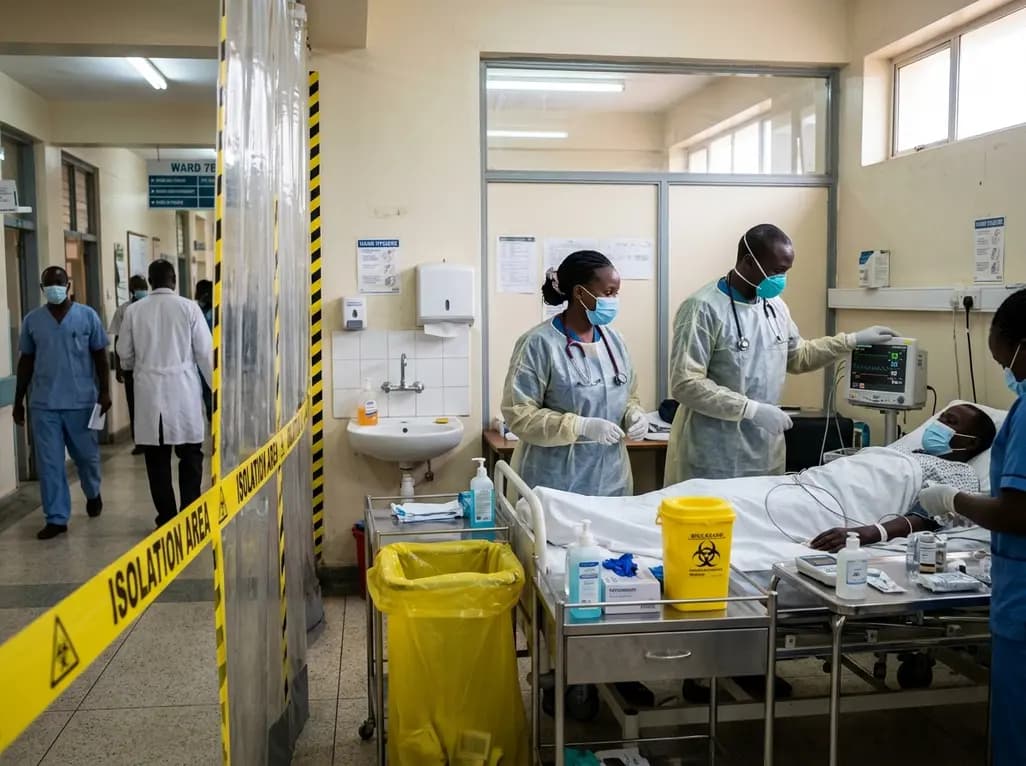
Kenya's confirmation of its eighth Ebola infection highlights the acute risk of secondary transmission in hospital environments. Clinicians must maintain high vigilance, enforce strict infection prevention protocols, and implement rapid triage mechanisms for viral hemorrhagic fevers across healthcare settings.
4 days back
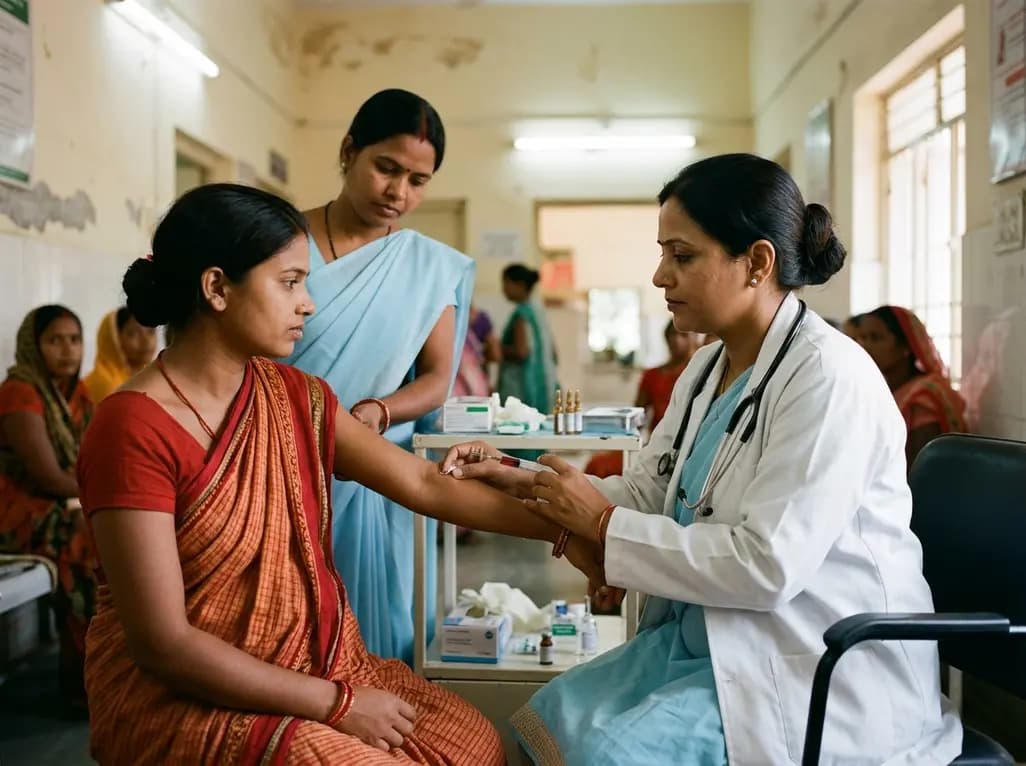
Maternal anaemia contributes to nearly half of pregnancy-related fatalities across India. To prevent complications, Uttar Pradesh has added single-dose parenteral iron to its essential medicines list. This clinical transition aims to restore haemoglobin rapidly and protect high-risk mothers across rural facilities.
Last week
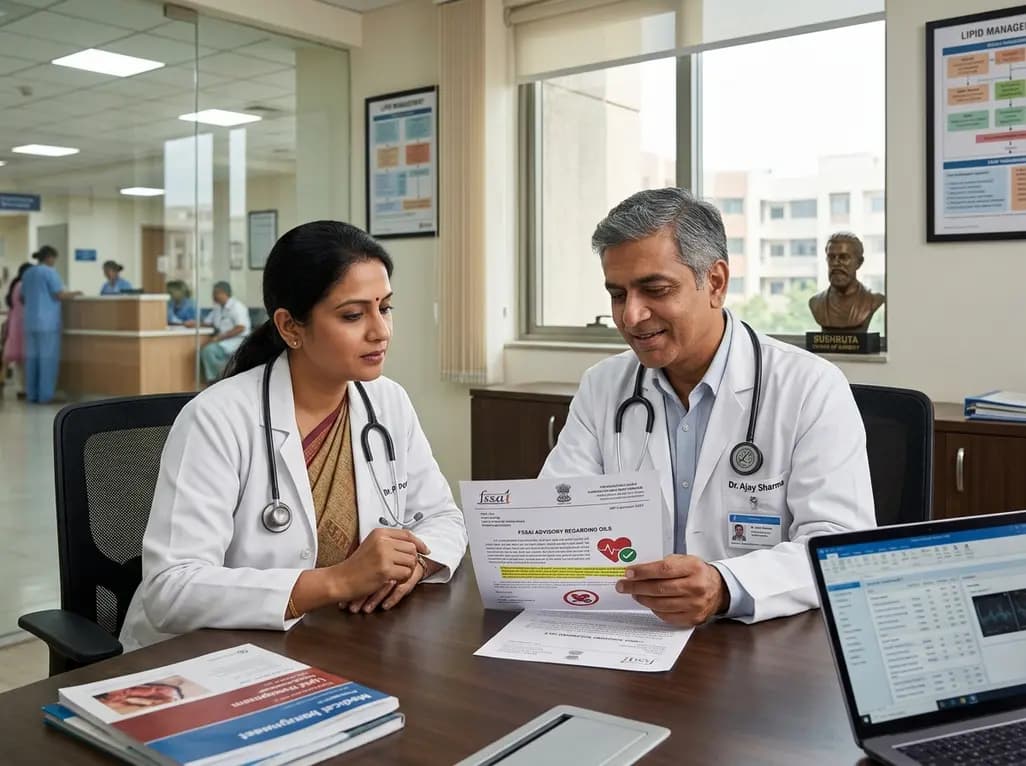
India's food safety authority FSSAI has issued show-cause notices to Gemini Edibles, BigBasket, and Flipkart for unpermitted cardiovascular claims regarding Freedom Rice Bran Oil. This regulatory move highlights the strict enforcement of advertising standards and the clinical necessity of evidence-based lipid care.
6 days back
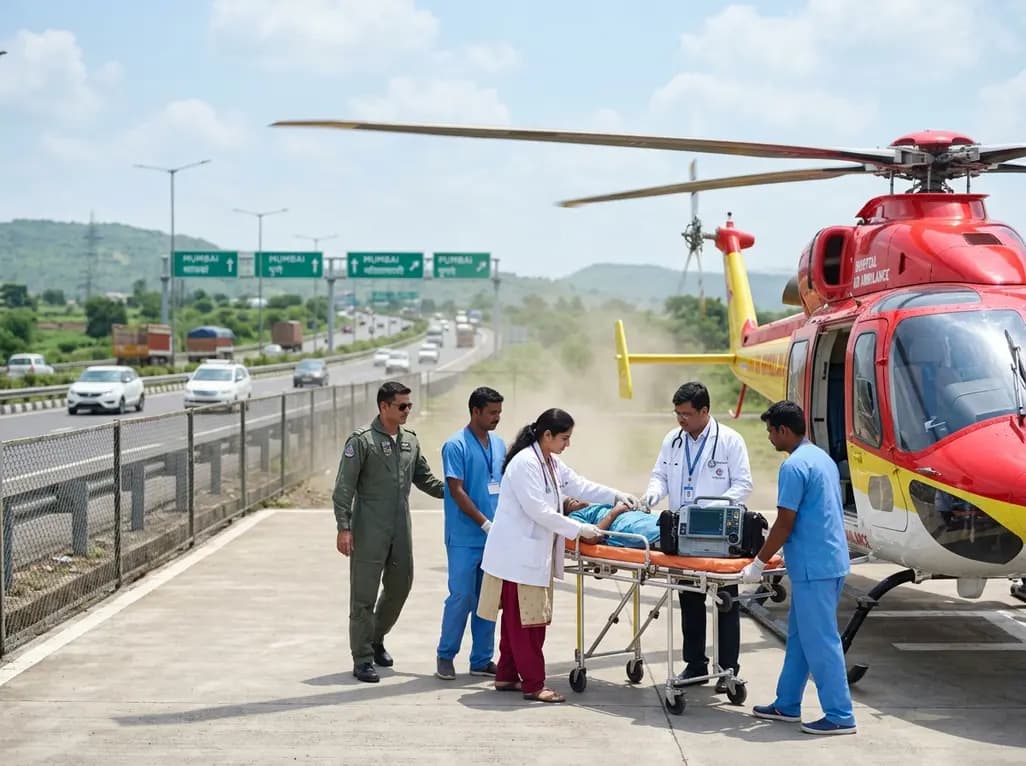
The state government is deploying helicopter emergency medical services across the Mumbai-Pune Expressway, Samruddhi Mahamarg, and Mumbai-Goa Highway. This initiative establishes unified standard operating procedures to enable rapid triage, advanced prehospital resuscitation, and seamless trauma care transfers.
Last week
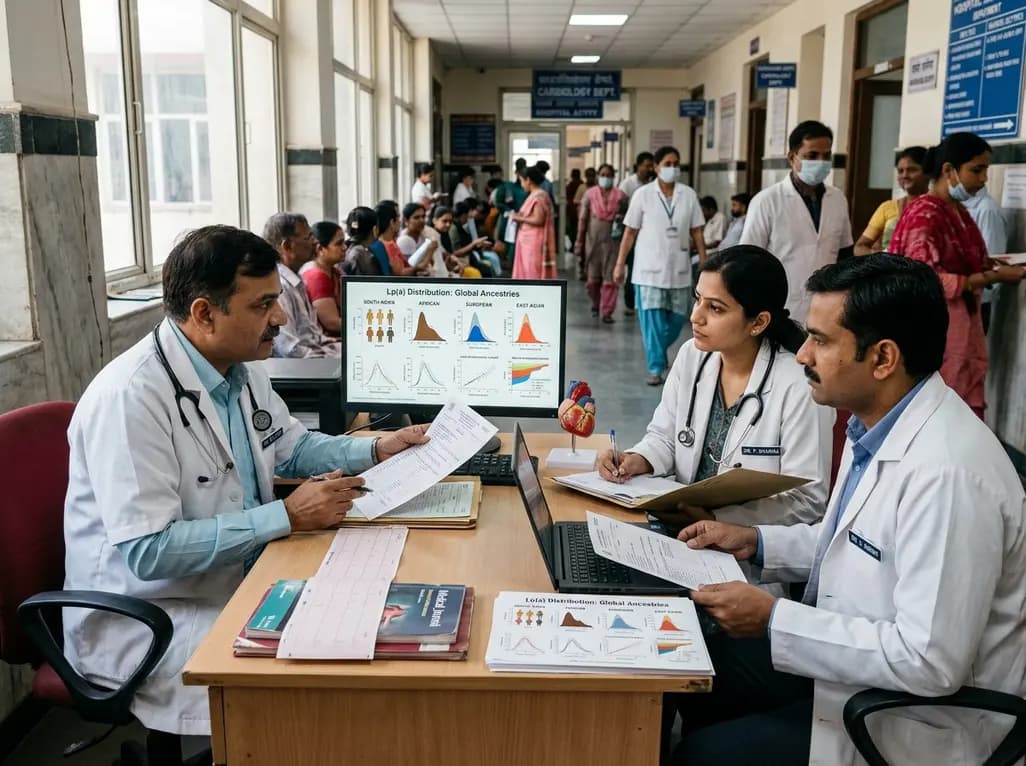
Atherosclerotic cardiovascular disease guidelines often rely on European-derived lipoprotein(a) cutoffs. However, baseline Lp(a) levels vary widely across ancestries, including South Asians and Africans. Clinicians must interpret Lp(a) values within overall absolute cardiovascular risk.
Last week
