

Loading, please wait...
Loading, please wait...

The Delhi administration has recently intensified its scrutiny of healthcare governance. Specifically, the Vigilance Branch has suspended two senior health officers with immediate effect. This strong disciplinary action follows serious allegations regarding medical procurement irregularities. Indeed, the move has sent shockwaves through the local medical administration.
According to official orders, the authorities suspended both doctors under Central Civil Services Rules. Furthermore, the Lieutenant Governor of Delhi, Taranjit Singh Sandhu, directed these disciplinary proceedings. During this suspension period, the officers must remain headquartered in Delhi. Consequently, they cannot leave the city without obtaining formal, prior permission from competent authorities. Moreover, they will receive a standard subsistence allowance under fundamental rules.
Previously, Dr. Aggarwal had challenged an earlier transfer order in the Central Administrative Tribunal. She asserted that her sudden transfer was highly punitive and arbitrary. Additionally, she linked her removal to recent vigilance investigations. Vigilance officials had requested documents concerning surgical items and medicines on May 18. However, her counsel stated that she cooperated fully throughout the investigation. Thus, the sudden administrative action against her has sparked widespread debate.
Q1: Why did the Delhi government suspend the senior health officials?
The authorities suspended the officials due to an ongoing investigation into allegations of medical procurement irregularities involving drugs and medical equipment.
Q2: Who are the two suspended officials mentioned in the orders?
The suspended officers are Dr. Vatsala Aggarwal, the former Director General of Health Services (DGHS), and Dr. Vinod Kumar Ranga, the former head of office at BJRM Hospital.
Q3: Under which rules were the suspensions ordered?
The action was taken under Rule 10(1) of the Central Civil Services (Classification, Control and Appeal) Rules, 1965, following directions from the Lieutenant Governor.
Disclaimer: This content is for informational and educational purposes only. It does not constitute medical advice or replace professional judgment. Refer to the latest local and national guidelines for clinical practice.
References

Read summarized clinical updates, watch expert medical content, and earn CME certifications right from your smartphone.
Open your smartphone camera to scan and install.





The Delhi government has suspended two senior health officials, including the former DGHS, as investigations into procurement controversies intensify....
4 months ago
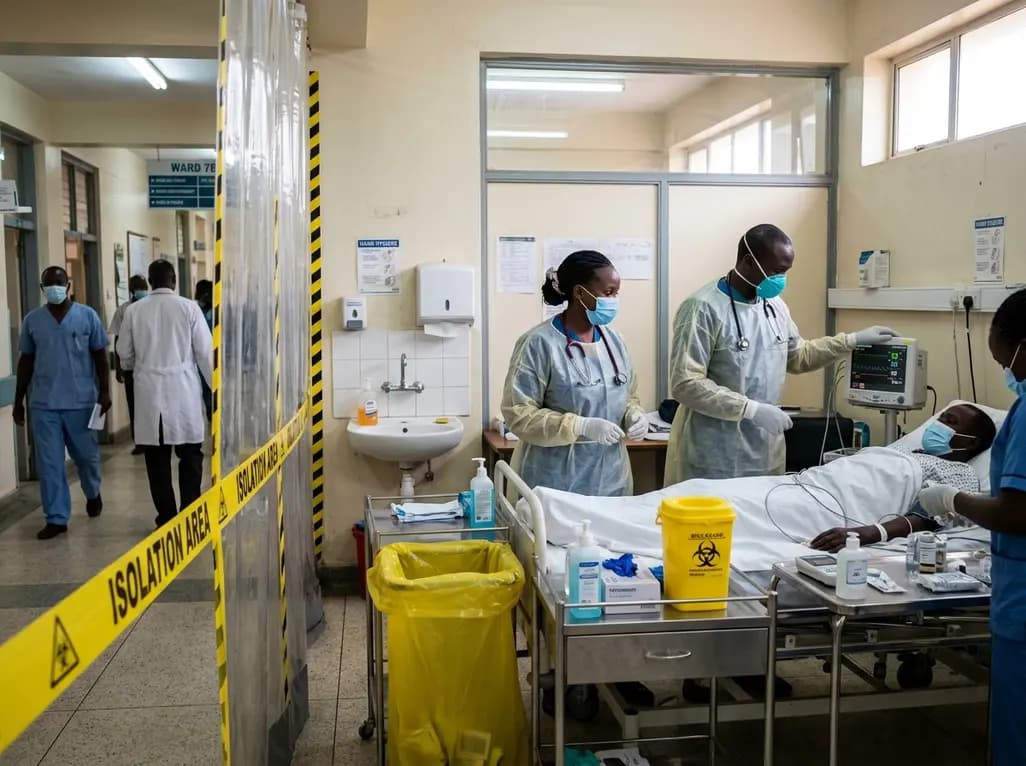
Kenya's confirmation of its eighth Ebola infection highlights the acute risk of secondary transmission in hospital environments. Clinicians must maintain high vigilance, enforce strict infection prevention protocols, and implement rapid triage mechanisms for viral hemorrhagic fevers across healthcare settings.
4 days back
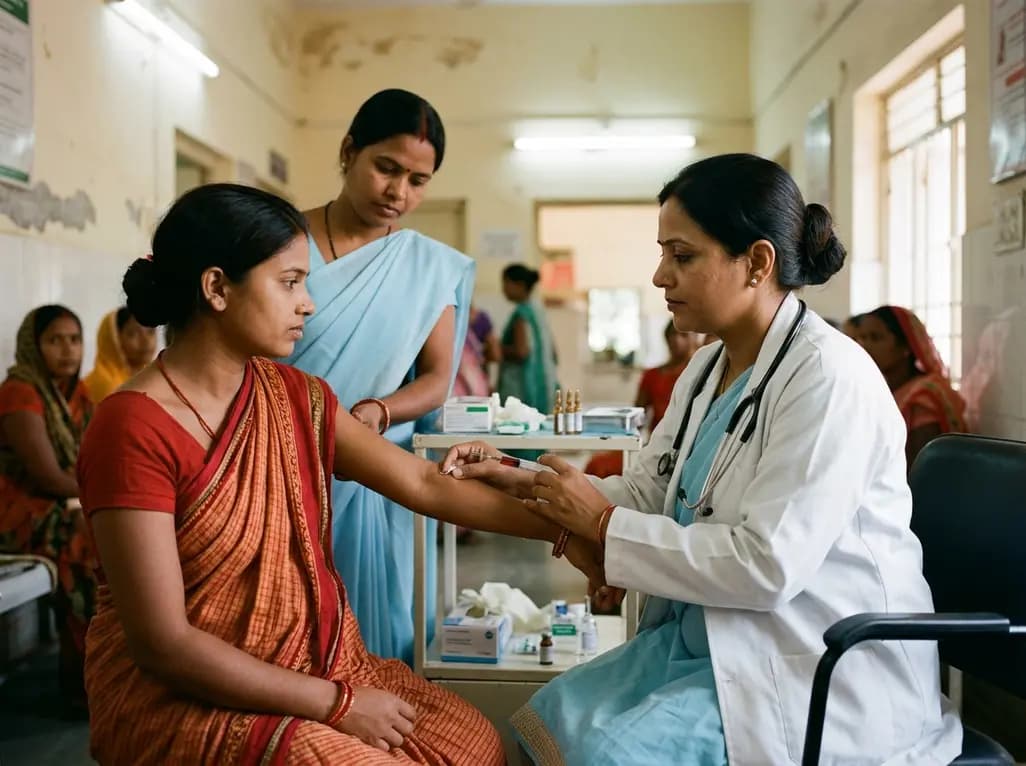
Maternal anaemia contributes to nearly half of pregnancy-related fatalities across India. To prevent complications, Uttar Pradesh has added single-dose parenteral iron to its essential medicines list. This clinical transition aims to restore haemoglobin rapidly and protect high-risk mothers across rural facilities.
Last week

India's food safety authority FSSAI has issued show-cause notices to Gemini Edibles, BigBasket, and Flipkart for unpermitted cardiovascular claims regarding Freedom Rice Bran Oil. This regulatory move highlights the strict enforcement of advertising standards and the clinical necessity of evidence-based lipid care.
6 days back

The state government is deploying helicopter emergency medical services across the Mumbai-Pune Expressway, Samruddhi Mahamarg, and Mumbai-Goa Highway. This initiative establishes unified standard operating procedures to enable rapid triage, advanced prehospital resuscitation, and seamless trauma care transfers.
Last week
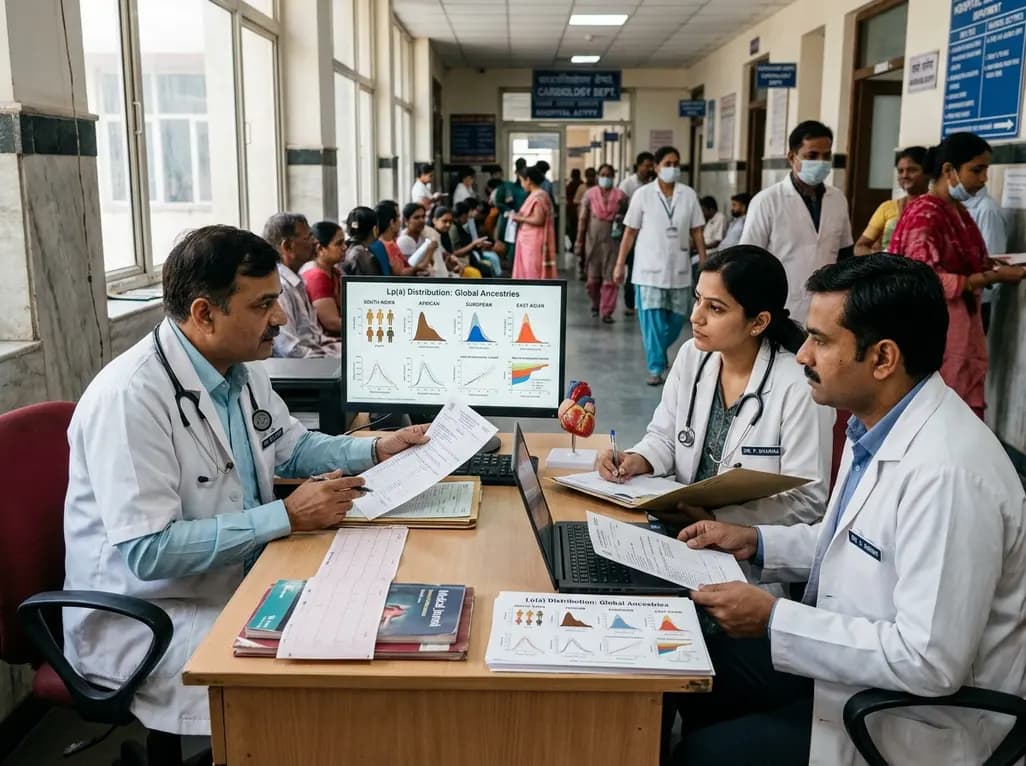
Atherosclerotic cardiovascular disease guidelines often rely on European-derived lipoprotein(a) cutoffs. However, baseline Lp(a) levels vary widely across ancestries, including South Asians and Africans. Clinicians must interpret Lp(a) values within overall absolute cardiovascular risk.
Last week
