.webp&w=384&q=75)

Loading, please wait...
Loading, please wait...
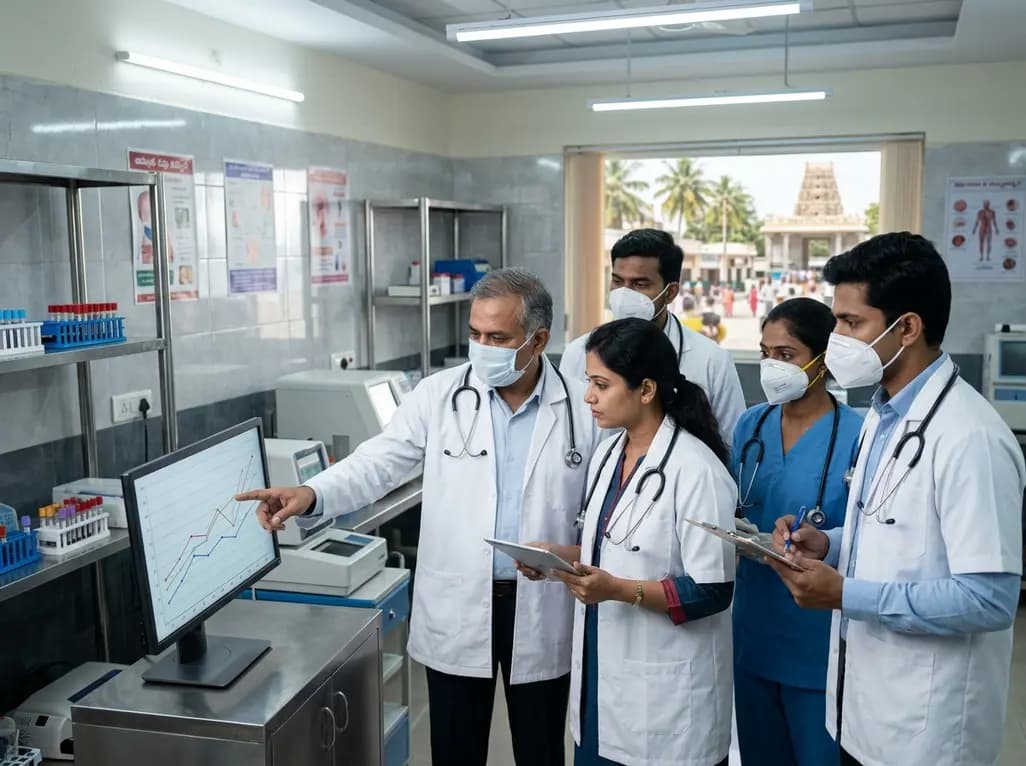
The unexpected emergence of fresh COVID-19 cases and fatalities in Andhra Pradesh has raised concerns among medical professionals. Consequently, health departments have prioritized active COVID-19 surveillance to detect potential outbreaks early. This step is highly necessary to prevent widespread clinical transmission. Therefore, healthcare providers must remain updated on local epidemiological shifts to diagnose and treat patients effectively. Clinicians should also review their diagnostic strategies to handle suspected cases efficiently.
Recently, Andhra Pradesh reported its first coronavirus-related fatalities in four years. Specifically, two individuals succumbed to the disease in the Kadapa district, while four others tested positive. This sudden rise in cases has forced local health administrators to scale up diagnostic screening immediately. According to reports, the positive patients emerged from diverse localities across Kadapa. This geographical distribution suggests that the virus might be circulating silently in the community. Furthermore, all the infected individuals had completed their initial vaccination schedule. One patient had even received a booster dose, which underscores the risk of breakthrough infections. Healthcare professionals must recognize that vaccination reduces disease severity but does not completely block transmission. Consequently, clinicians should maintain a high index of suspicion when evaluating patients with acute respiratory symptoms. We cannot afford to ignore mild respiratory presentations, particularly in patients with pre-existing health conditions. Meanwhile, local authorities are conducting extensive contact tracing to map the spread of the virus. By identifying and isolating exposed individuals quickly, they hope to prevent a larger outbreak. Ultimately, understanding these local transmission patterns helps doctors implement timely therapeutic interventions and protect vulnerable cohorts.
Analyzing clinical profiles is essential for understanding the fatal outcomes in these recent cases. For instance, the first deceased patient was a sixty-year-old individual who suffered from multiple severe comorbidities. This patient had diabetes, advanced kidney disease, and other chronic health complications. Initially, the patient received treatment at SVIMS in Tirupati. Later, the clinical team shifted him to CMC Vellore, where he unfortunately passed away during therapy. His post-mortem RT-PCR test confirmed a coronavirus infection, showing how COVID-19 can aggravate underlying systemic diseases. Similarly, the second patient, a forty-three-year-old, succumbed to a severe bilateral lung infection. Clinical records indicated that this patient suffered from severe pneumonia that failed to respond to high-dose antibiotics. Consequently, doctors performed a CT scan, which revealed typical ground-glass opacities associated with COVID-19. His history of heavy alcohol consumption likely weakened his respiratory defense mechanisms. Therefore, chronic comorbidities and lifestyle factors remain critical risk markers for severe disease. Clinicians must identify high-risk individuals early to initiate aggressive supportive care. Furthermore, rapid diagnostic testing in patients presenting with atypical pneumonia can save lives by preventing delayed therapies and reducing hospital stays.
Active COVID-19 surveillance plays a decisive role in identifying circulating viral variants in the community. Currently, medical experts suspect that the highly transmissible Omicron variant is responsible for the new infections. This hypothesis stems from the specific clinical symptoms that doctors observed in active cases. To confirm this, health authorities have dispatched patient samples to the National Institute of Virology in Pune. Specifically, scientists will conduct genome sequencing to determine the exact variant causing this clinical cluster. This molecular analysis is crucial because new subvariants can escape vaccine-induced immunity. Additionally, identifying the genetic lineage helps epidemiologists predict potential surges and adapt public health guidelines. Healthcare facilities must support these surveillance efforts by promptly reporting cluster cases. Moreover, systematic sequencing ensures that therapeutic protocols remain effective against dominant viral strains. Clinicians must realize that genomic surveillance is not just an academic exercise. Indeed, it directly informs real-time clinical decisions regarding monoclonal antibodies and antivirals. Therefore, maintaining robust diagnostic pathways remains a high priority for local health networks. By integrating clinical findings with genomic data, we can create a powerful shield against future pandemic waves and optimize public safety.
Accurate diagnostic protocols are the first line of defense against infectious diseases. For this reason, laboratory technicians in Kadapa are relying heavily on RT-PCR tests. This gold-standard method ensures highly specific and sensitive detection of the viral genome. However, clinicians should not rely solely on molecular testing if clinical symptoms strongly suggest viral pneumonia. For example, a chest CT scan can reveal characteristic ground-glass opacities even when initial nasal swabs yield negative results. Thus, clinicians highly recommend a multi-modal diagnostic approach for patients with severe respiratory distress. Additionally, hospital laboratories must maintain strict quality control to prevent false negatives. When dealing with suspected cases, medical staff must follow standardized sample collection guidelines closely. Incorrect swab techniques often lead to diagnostic errors and delayed therapy. Furthermore, rapid antigen tests can serve as a quick screening tool in high-traffic outpatient departments. However, clinicians should ideally confirm positive antigen results with RT-PCR in sporadic case scenarios. Consequently, clinics must establish clear referral pathways to specialized virology labs. By implementing these rigorous protocols, healthcare providers can ensure accurate diagnoses, timely patient isolation, and improved clinical management.
Effective management of positive cases is essential to curb transmission within hospital settings and households. Currently, three of the four recently infected individuals are undergoing home isolation. This strategy works well for stable patients with mild or no symptoms. Nevertheless, healthcare providers must monitor home-isolated patients via daily teleconsultations to detect early clinical deterioration. In contrast, the clinical team admitted the fourth patient, who exhibits persistent mild symptoms, to a dedicated hospital ward. This isolation ward ensures that the patient receives proper medical care while preventing nosocomial transmission. Additionally, treating medical staff must wear appropriate personal protective equipment during patient interactions. Clinicians should also focus on managing comorbidities, which heavily influence patient outcomes. For instance, close monitoring of blood glucose levels in diabetic patients is extremely critical during active viral infections. Furthermore, hospital administrators must verify that adequate oxygen supplies and supportive drugs are readily available. Consequently, preparing for potential patient surges is a prudent step for all regional medical centers. Although the current patient numbers remain low, proactive steps prevent healthcare systems from becoming overwhelmed during unexpected outbreaks and promote public health.
Q1: Why is genome sequencing crucial for the new COVID-19 cases in Kadapa?
Genome sequencing is absolutely essential because it identifies the precise genetic lineage of the virus. Currently, health officials suspect that an Omicron subvariant is causing the new infections. Since new variants can sometimes bypass vaccine-induced immunity or resist current therapies, genetic identification helps epidemiologists predict transmission rates. Consequently, this laboratory analysis allows local health authorities to update clinical treatment protocols and target their preventive measures more effectively.
Q2: How should clinicians manage breakthrough COVID-19 infections in vaccinated patients?
Clinicians should manage breakthrough cases by focusing on early symptom recognition and risk stratification. Although vaccination significantly reduces the risk of severe disease, patients with comorbidities remain highly vulnerable. Therefore, doctors must closely monitor diabetic or renal patients, even if they are fully vaccinated. Specifically, providers should establish active communication channels for home-isolated individuals. Consequently, this proactive monitoring ensures that patients who show signs of clinical decline receive immediate hospitalization and supportive care.
Q3: What immediate infection control measures should healthcare facilities implement?
Healthcare facilities must immediately step up clinical surveillance and enforce strict mask mandates in patient care areas. Additionally, hospitals should establish dedicated isolation wards for suspected or confirmed cases to prevent nosocomial spread. For example, medical staff must follow rigorous hand hygiene and use appropriate protective gear. Consequently, these simple actions minimize transmission risks. Meanwhile, administrators must maintain sufficient stocks of diagnostics, personal protective equipment, and essential supportive medications.
Disclaimer: This content is for informational and educational purposes only. It does not constitute medical advice or replace professional judgment. Refer to the latest local and national guidelines for clinical practice.
References

Read summarized clinical updates, watch expert medical content, and earn CME certifications right from your smartphone.
Open your smartphone camera to scan and install.





Andhra Pradesh's Kadapa district reports its first COVID-19 deaths in four years, prompting local health departments to strengthen surveillance. With four new positive cases and suspected Omicron variant involvement, this article reviews the clinical implications and the necessary diagnostic protocols for clinicians.
3 months ago
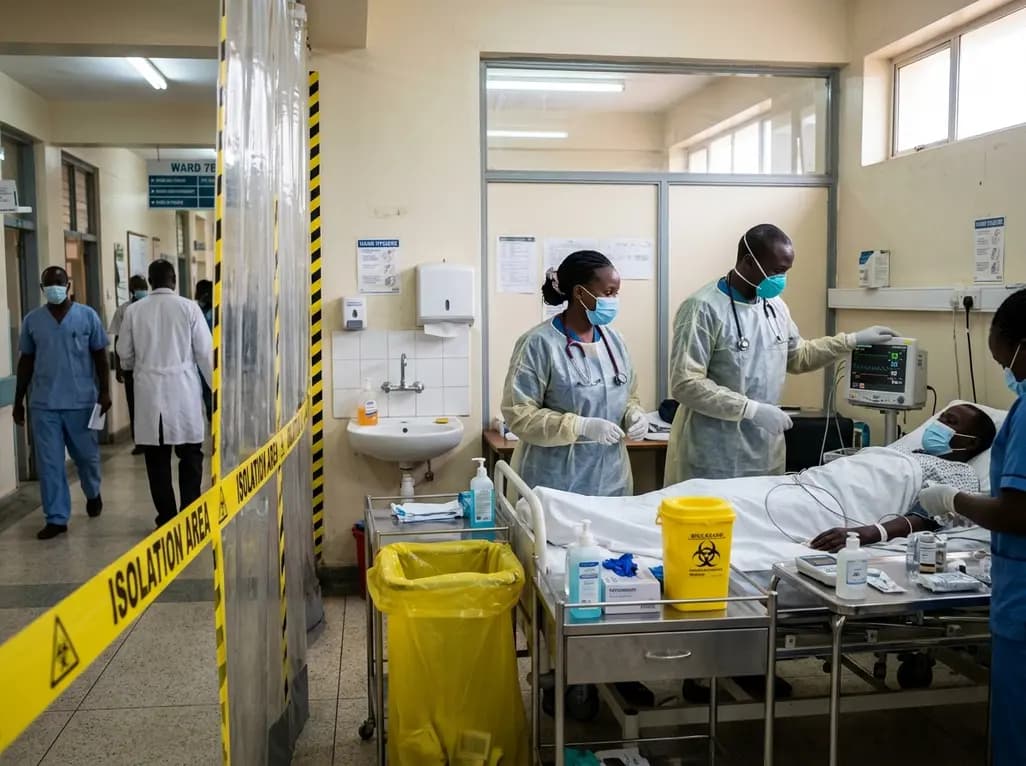
Kenya's confirmation of its eighth Ebola infection highlights the acute risk of secondary transmission in hospital environments. Clinicians must maintain high vigilance, enforce strict infection prevention protocols, and implement rapid triage mechanisms for viral hemorrhagic fevers across healthcare settings.
4 days back
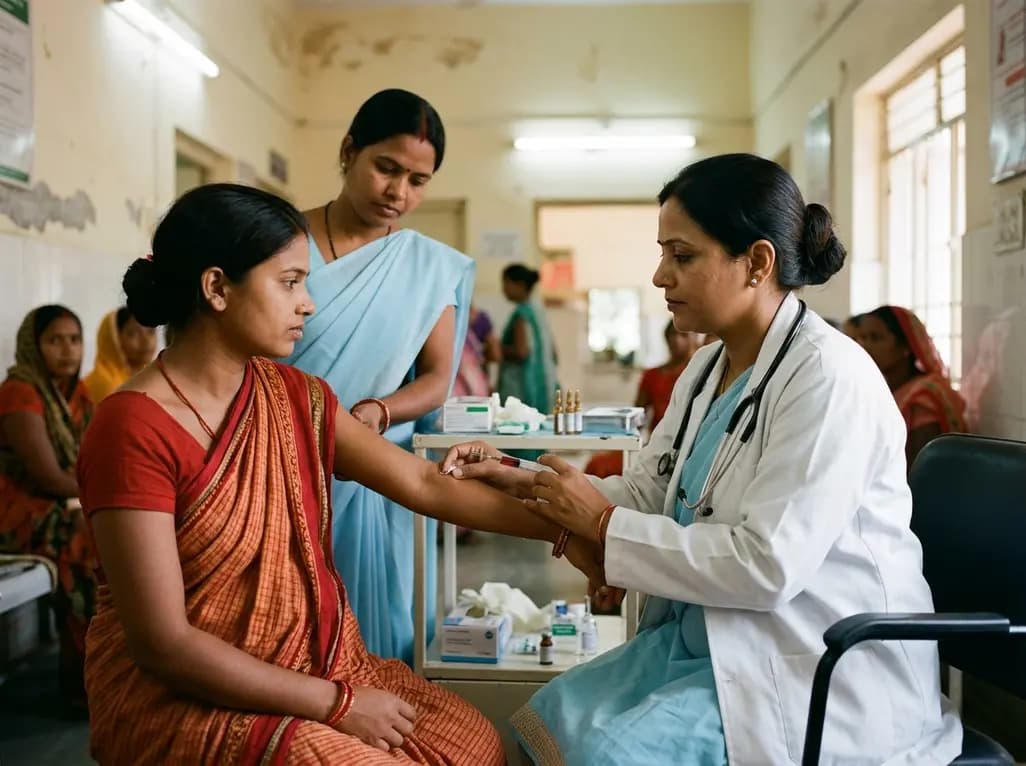
Maternal anaemia contributes to nearly half of pregnancy-related fatalities across India. To prevent complications, Uttar Pradesh has added single-dose parenteral iron to its essential medicines list. This clinical transition aims to restore haemoglobin rapidly and protect high-risk mothers across rural facilities.
Last week
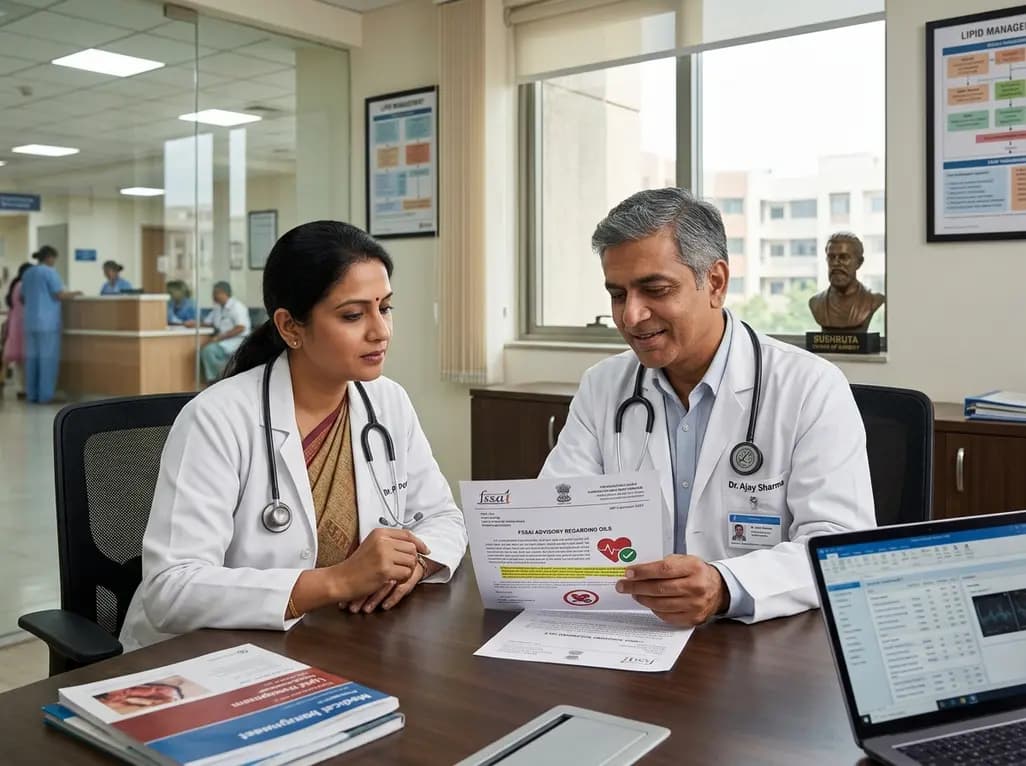
India's food safety authority FSSAI has issued show-cause notices to Gemini Edibles, BigBasket, and Flipkart for unpermitted cardiovascular claims regarding Freedom Rice Bran Oil. This regulatory move highlights the strict enforcement of advertising standards and the clinical necessity of evidence-based lipid care.
6 days back
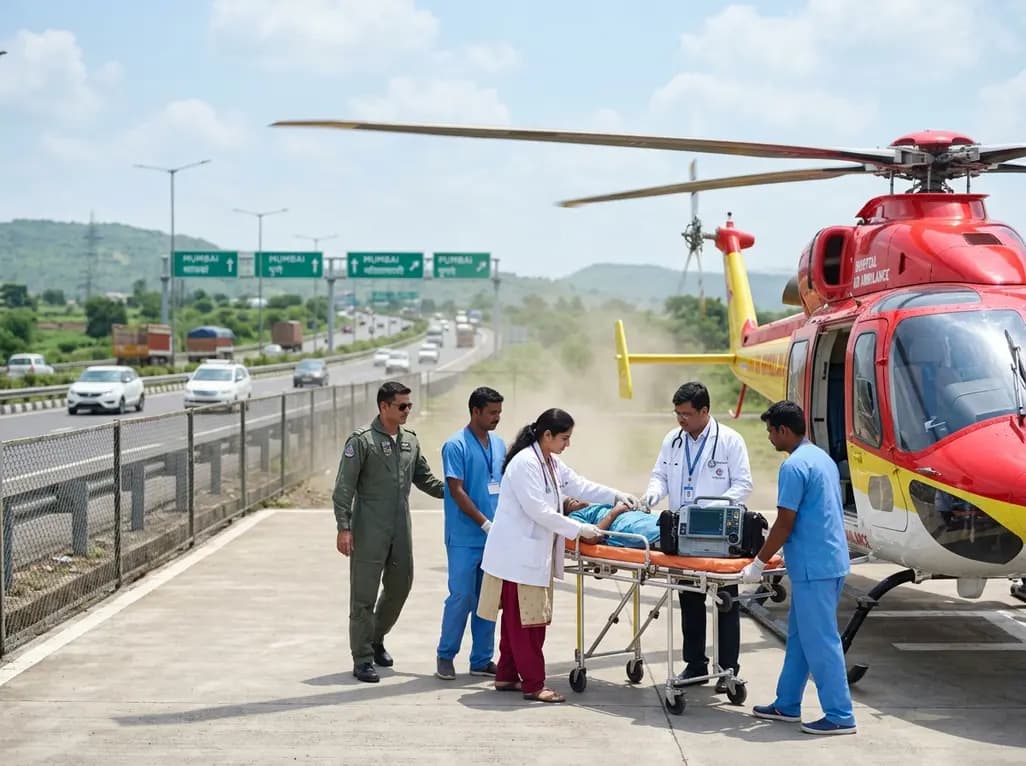
The state government is deploying helicopter emergency medical services across the Mumbai-Pune Expressway, Samruddhi Mahamarg, and Mumbai-Goa Highway. This initiative establishes unified standard operating procedures to enable rapid triage, advanced prehospital resuscitation, and seamless trauma care transfers.
Last week
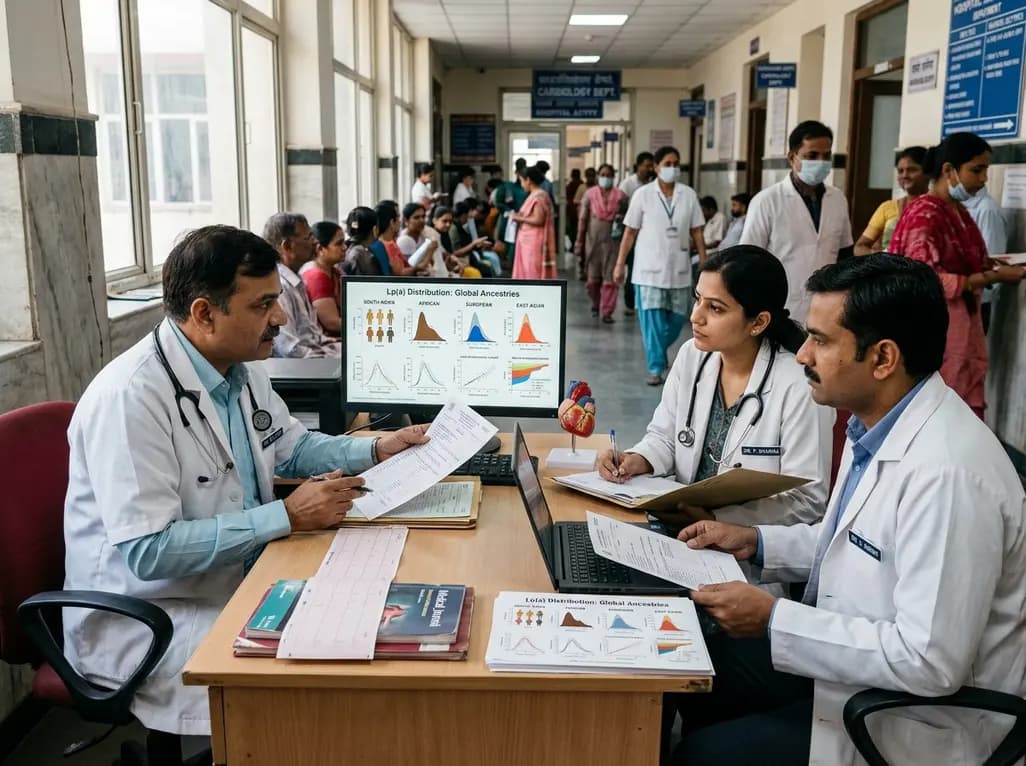
Atherosclerotic cardiovascular disease guidelines often rely on European-derived lipoprotein(a) cutoffs. However, baseline Lp(a) levels vary widely across ancestries, including South Asians and Africans. Clinicians must interpret Lp(a) values within overall absolute cardiovascular risk.
Last week
