.webp&w=384&q=75)

Loading, please wait...
Loading, please wait...
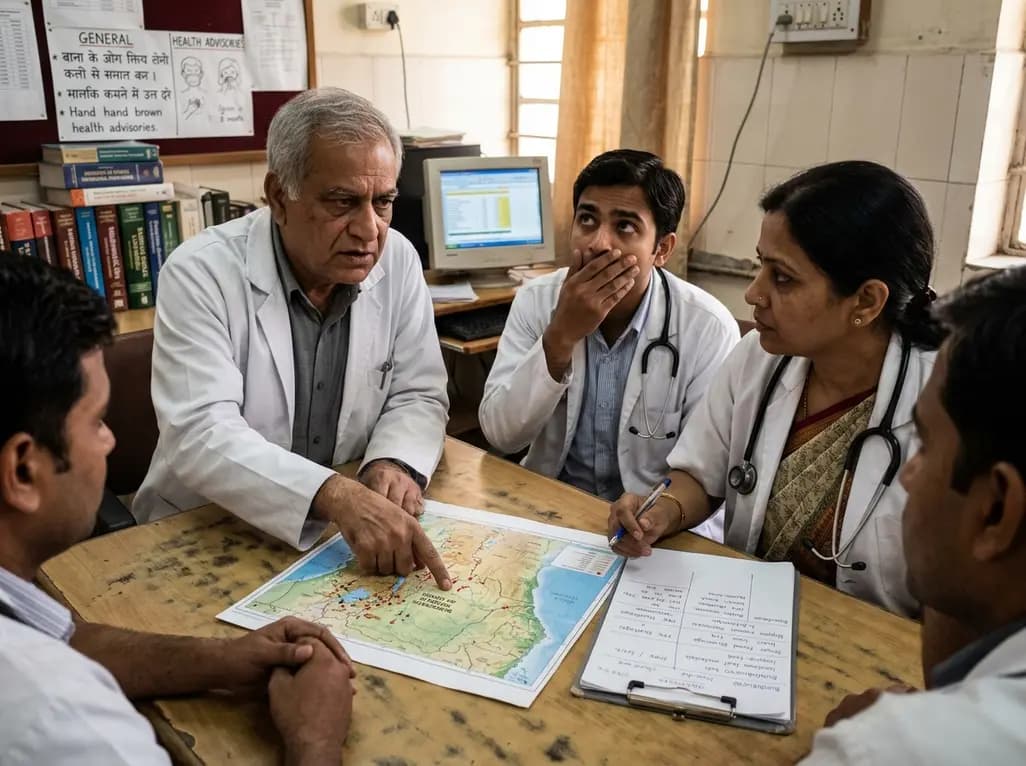
The ongoing Congo Ebola outbreak is severely straining local and international health systems. A month after the World Health Organization declared an emergency, healthcare teams face critical resource shortages. Specifically, a lack of personnel, insufficient vehicles, and missing materials impede the containment of this rare Bundibugyo strain.
Currently, health teams in the Democratic Republic of Congo struggle to trace tens of thousands of contacts. Jean Kaseya, director general of the Africa Centres for Disease Control and Prevention (Africa CDC), highlighted several central obstacles. These challenges include ongoing regional insecurity, urban settings, and high mining activities. Consequently, epidemiologists estimate that the identified cases represent only a fraction of the actual total.
Furthermore, medical facilities fail to isolate and treat many sick individuals. Some infected individuals even escape from wards due to inadequate support. Meanwhile, surveillance teams in the worst-hit Ituri province failed to follow up on roughly a third of new alerts. For example, some symptomatic patients wait hours for ambulances because of severe transport shortages.
Another major hurdle involves a critical shortage of essential medical and construction supplies on the ground. Specifically, experts report a desperate need for personal protective equipment (PPE) and basic building materials like gravel. These shortages directly delay the construction of isolation wards. Additionally, the rare Bundibugyo strain currently has no approved vaccines or targeted clinical treatments.
While researchers are developing three candidate vaccines, clinical trials will take several months to begin. Consequently, health workers face immense risks. Dozens of medical professionals have already contracted the virus while caring for patients. Moreover, international donor funding remains extremely low, with the African Union receiving only a fifth of its required budget.
Despite these challenges, the Congolese health ministry is working to scale up its containment measures. Specifically, the government recently trained over one thousand community relay workers to conduct door-to-door tracking. Although these workers currently track about sixty percent of contacts, the active transmission continues to outpace local capacity. Therefore, international health agencies are urging global donors to immediately release emergency funding and resources to halt the epidemic.
Q1: Why do health teams struggle to contain the current Congo Ebola outbreak?
Healthcare teams face immense challenges because this epidemic involves the rare Bundibugyo strain, which lacks approved vaccines or treatments. Furthermore, severe shortages of personnel, vehicles, and construction materials for isolation wards hinder containment efforts in insecure and highly mobile mining zones.
Q2: What percentage of contacts do health workers currently track?
Currently, the health ministry's community relay workers follow up with approximately 63% of identified contacts. However, tens of thousands of potential contacts remain completely untraced due to severe gaps in surveillance and transport.
Q3: Which clinical symptoms do suspected Ebola patients commonly exhibit?
Symptomatic individuals typically present with a high fever and acute bleeding. Unfortunately, due to ambulance shortages and surveillance delays, many patients wait hours before receiving medical attention.
Disclaimer: This content is for informational and educational purposes only. It does not constitute medical advice or replace professional judgment. Refer to the latest local and national guidelines for clinical practice.
References

Read summarized clinical updates, watch expert medical content, and earn CME certifications right from your smartphone.
Open your smartphone camera to scan and install.





As the Congo Ebola outbreak expands with hundreds of confirmed cases of the rare Bundibugyo strain, health workers face severe resource deficits. Critical shortages of PPE, isolation ward materials, and ambulances, combined with local insecurity, hamper contact tracing and endanger containment efforts.
4 months ago
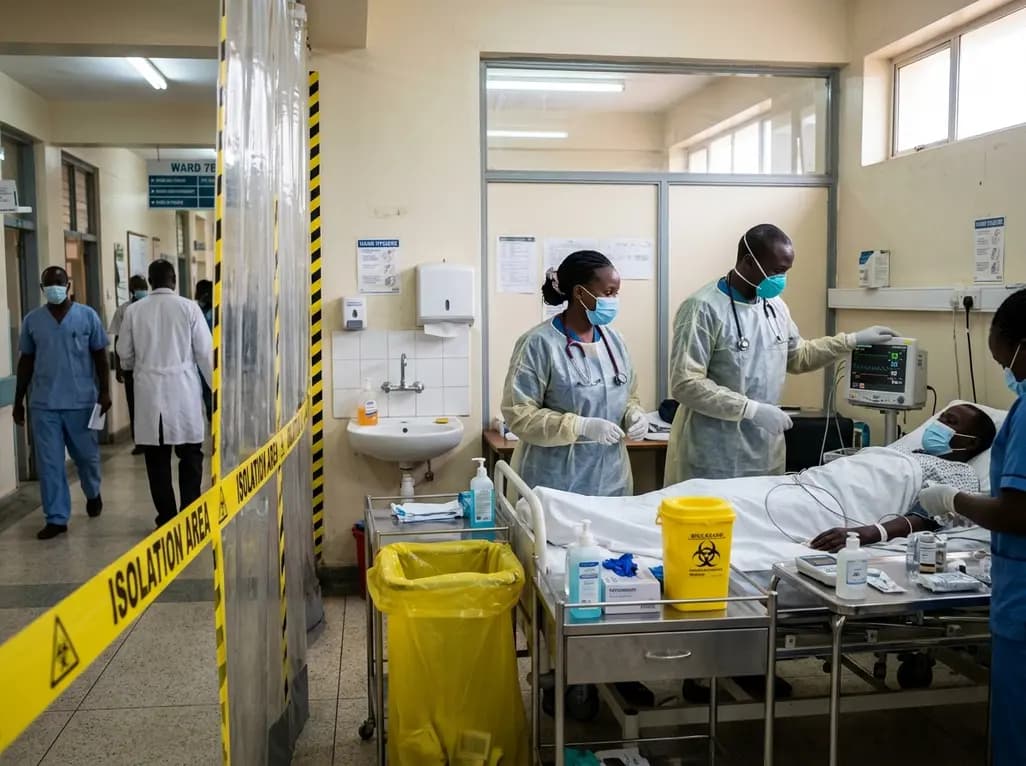
Kenya's confirmation of its eighth Ebola infection highlights the acute risk of secondary transmission in hospital environments. Clinicians must maintain high vigilance, enforce strict infection prevention protocols, and implement rapid triage mechanisms for viral hemorrhagic fevers across healthcare settings.
4 days back
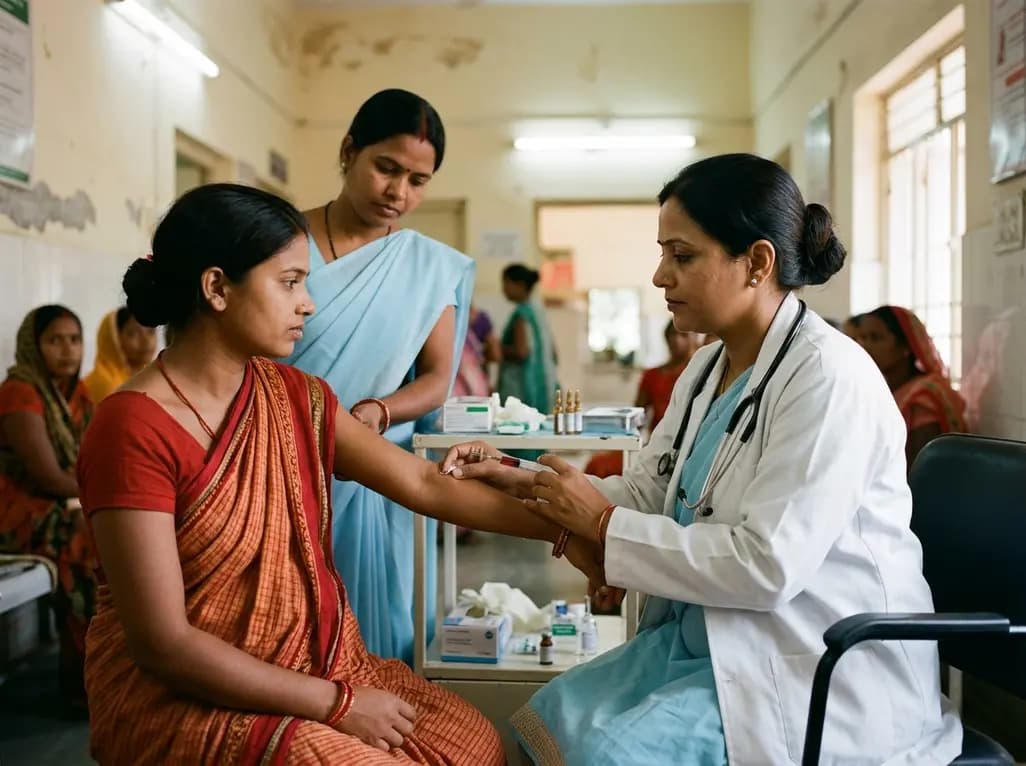
Maternal anaemia contributes to nearly half of pregnancy-related fatalities across India. To prevent complications, Uttar Pradesh has added single-dose parenteral iron to its essential medicines list. This clinical transition aims to restore haemoglobin rapidly and protect high-risk mothers across rural facilities.
Last week

India's food safety authority FSSAI has issued show-cause notices to Gemini Edibles, BigBasket, and Flipkart for unpermitted cardiovascular claims regarding Freedom Rice Bran Oil. This regulatory move highlights the strict enforcement of advertising standards and the clinical necessity of evidence-based lipid care.
6 days back
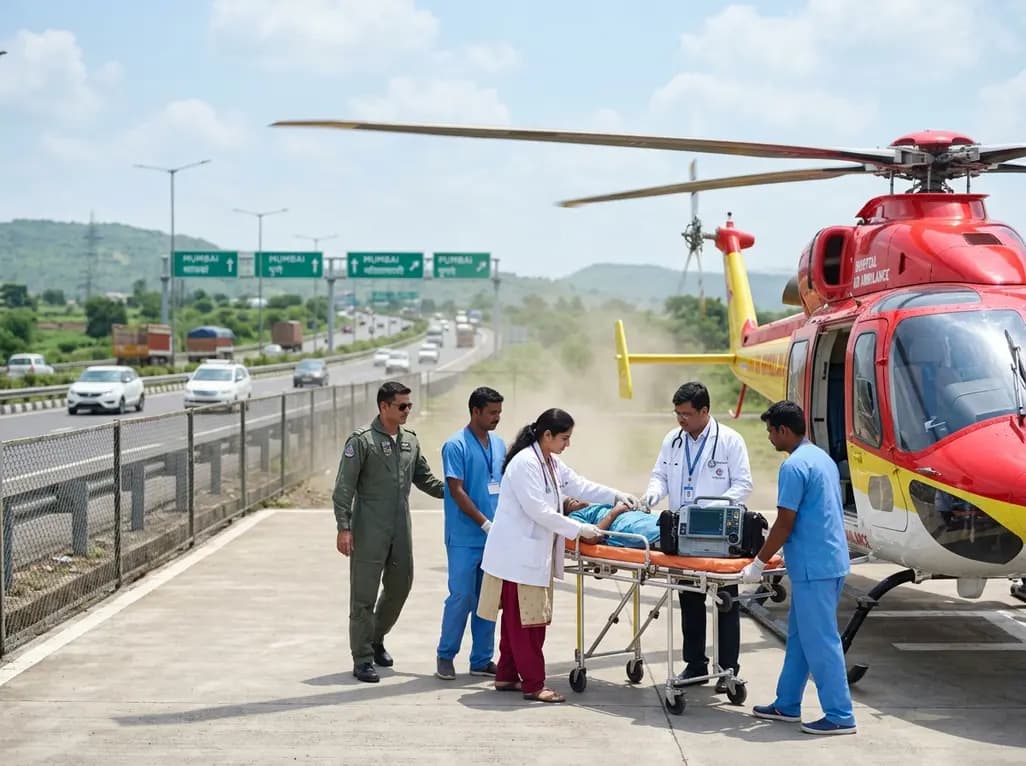
The state government is deploying helicopter emergency medical services across the Mumbai-Pune Expressway, Samruddhi Mahamarg, and Mumbai-Goa Highway. This initiative establishes unified standard operating procedures to enable rapid triage, advanced prehospital resuscitation, and seamless trauma care transfers.
Last week
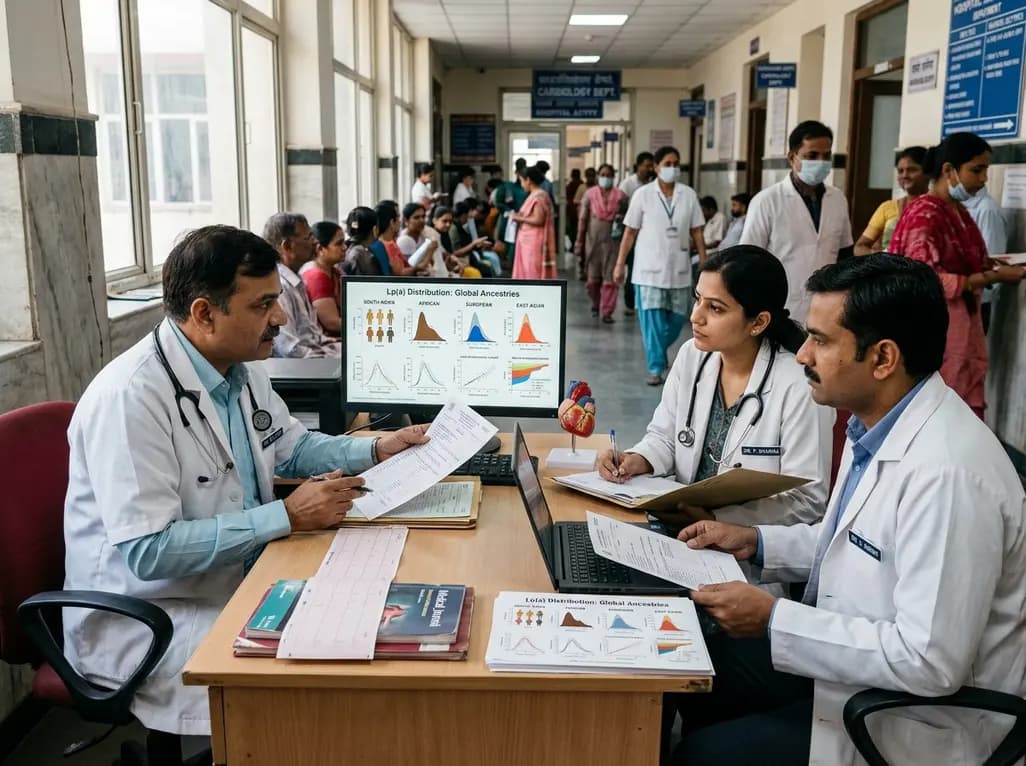
Atherosclerotic cardiovascular disease guidelines often rely on European-derived lipoprotein(a) cutoffs. However, baseline Lp(a) levels vary widely across ancestries, including South Asians and Africans. Clinicians must interpret Lp(a) values within overall absolute cardiovascular risk.
Last week
