.webp&w=384&q=75)

Loading, please wait...
Loading, please wait...

The World Health Organization (WHO) has raised a major warning regarding the expanding Congo Ebola outbreak. Specifically, epidemiologists suggest that the deadly disease may have spread much wider than current official estimates indicate. Consequently, public health teams are struggling to trace every case across the region. This rapid spread underscores the urgent need for enhanced surveillance.
Indeed, medical teams cannot monitor several high-risk areas. These "blind spots" prevent epidemiologists from seeing the complete picture of transmission. Therefore, health officials cannot accurately map the geographical reach of the pathogen. Currently, the official tally stands at 676 confirmed cases and 136 deaths, but the real burden is likely higher. Furthermore, the disease has already crossed the border into neighboring Uganda.
In addition to surveillance gaps, a severe lack of resources hampers containment efforts. For instance, medics face a critical shortage of isolation beds across the affected provinces. Currently, only 250 beds are available to isolate patients in the entire region. Consequently, healthcare workers cannot properly quarantine infected individuals. This issue increases the risk of household transmission and community spread.
To make matters worse, the outbreak involves the rare Bundibugyo strain of the virus. Unfortunately, there is no approved vaccine or specific treatment for this particular strain. While existing vaccines protect against the Zaire strain, they do not work here. Therefore, first responders must rely entirely on supportive care and strict infection control. Because responders did not detect the disease for several weeks, they are now playing catch-up.
The U.S. CDC warns that this epidemic could eventually reach the scale of the devastating 2014-2016 West Africa outbreak. Thus, international agencies must rapidly deploy resources to the DRC and Uganda. If partners do not strengthen contact tracing and community engagement immediately, containing this pathogen will become extremely difficult.
Q1: Why is the Bundibugyo strain of Ebola particularly difficult to manage?
The Bundibugyo strain is highly challenging because no approved vaccines or specific treatments currently exist for it. While approved vaccines protect against other strains, they do not work against Bundibugyo. Therefore, health workers must rely entirely on supportive care.
Q2: What are the main obstacles to controlling the current Ebola outbreak in the Democratic Republic of Congo?
The primary obstacles include critical surveillance blind spots in high-risk areas, which prevent the timely detection of cases. Additionally, a severe shortage of isolation beds and high population mobility further accelerate viral spread.
Disclaimer: This content is for informational and educational purposes only. It does not constitute medical advice or replace professional judgment. Refer to the latest local and national guidelines for clinical practice.
References

Read summarized clinical updates, watch expert medical content, and earn CME certifications right from your smartphone.
Open your smartphone camera to scan and install.





The World Health Organization has raised concerns that the ongoing Ebola epidemic in the Democratic Republic of Congo is expanding rapidly. With over 670 confirmed cases, officials highlight that critical surveillance blind spots and a lack of isolation beds are hiding the true scale of the infectious outbreak.
4 months ago
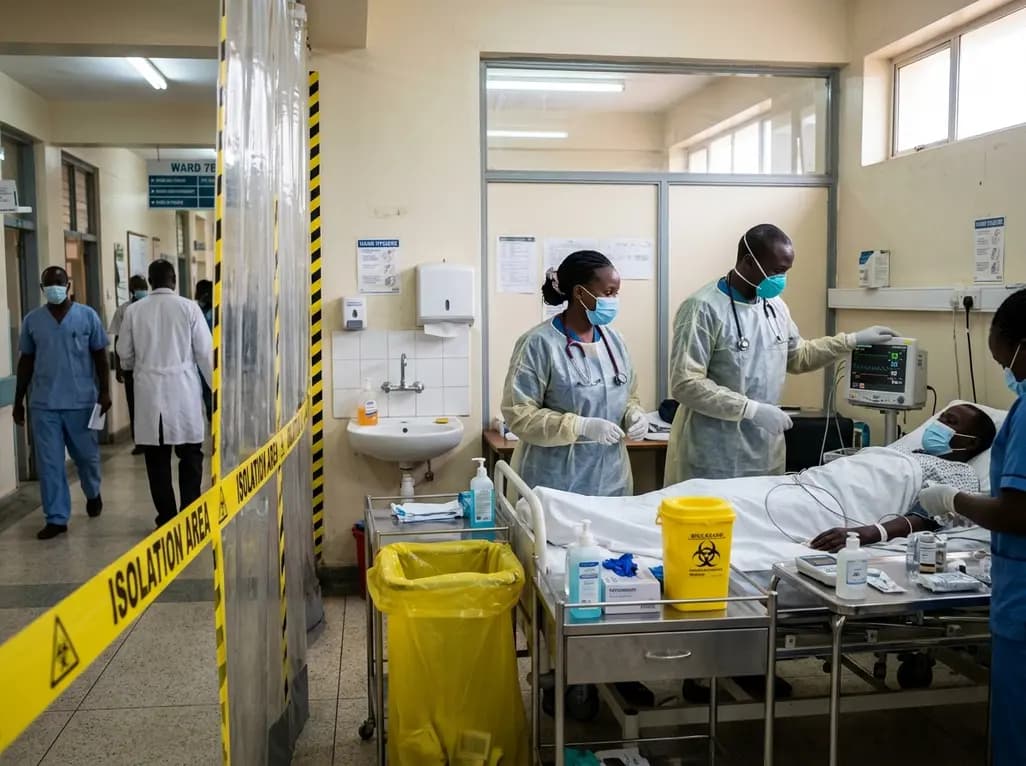
Kenya's confirmation of its eighth Ebola infection highlights the acute risk of secondary transmission in hospital environments. Clinicians must maintain high vigilance, enforce strict infection prevention protocols, and implement rapid triage mechanisms for viral hemorrhagic fevers across healthcare settings.
4 days back
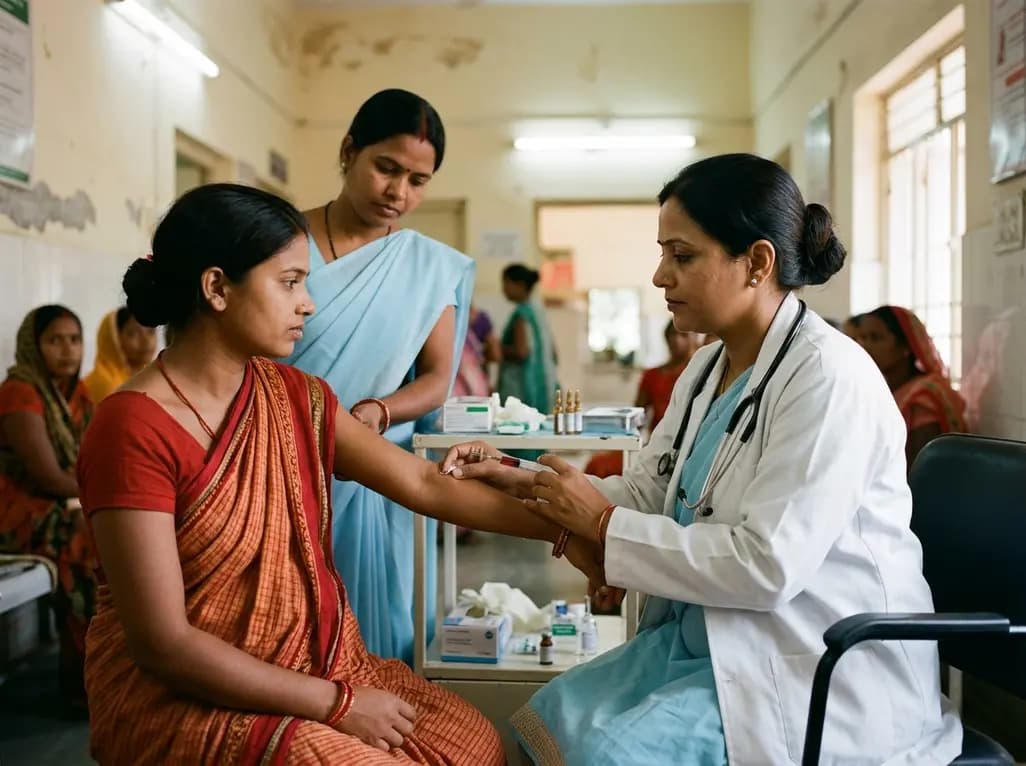
Maternal anaemia contributes to nearly half of pregnancy-related fatalities across India. To prevent complications, Uttar Pradesh has added single-dose parenteral iron to its essential medicines list. This clinical transition aims to restore haemoglobin rapidly and protect high-risk mothers across rural facilities.
Last week

India's food safety authority FSSAI has issued show-cause notices to Gemini Edibles, BigBasket, and Flipkart for unpermitted cardiovascular claims regarding Freedom Rice Bran Oil. This regulatory move highlights the strict enforcement of advertising standards and the clinical necessity of evidence-based lipid care.
6 days back
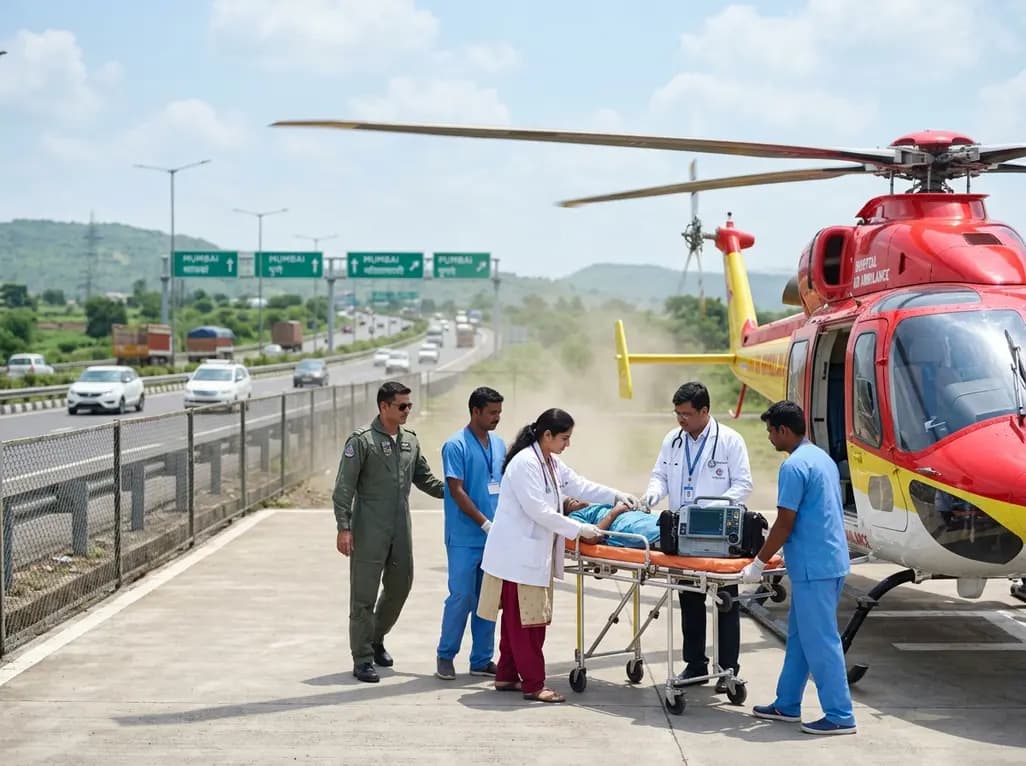
The state government is deploying helicopter emergency medical services across the Mumbai-Pune Expressway, Samruddhi Mahamarg, and Mumbai-Goa Highway. This initiative establishes unified standard operating procedures to enable rapid triage, advanced prehospital resuscitation, and seamless trauma care transfers.
Last week
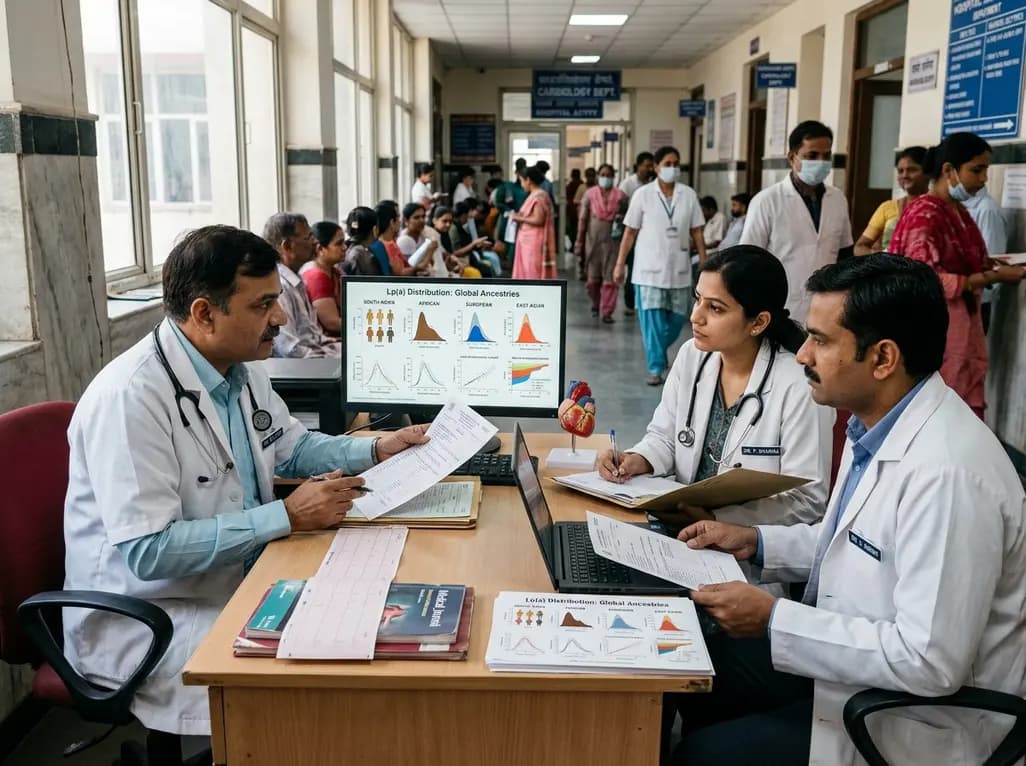
Atherosclerotic cardiovascular disease guidelines often rely on European-derived lipoprotein(a) cutoffs. However, baseline Lp(a) levels vary widely across ancestries, including South Asians and Africans. Clinicians must interpret Lp(a) values within overall absolute cardiovascular risk.
Last week
