.webp&w=384&q=75)

Loading, please wait...
Loading, please wait...
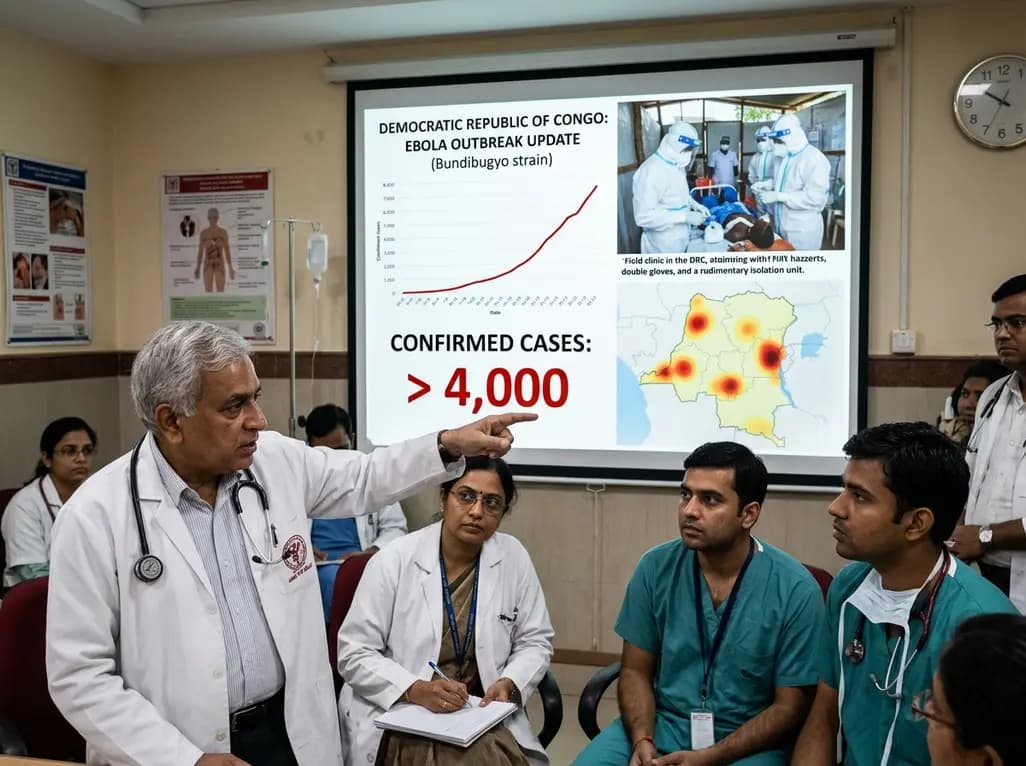
The Democratic Republic of Congo faces an escalating crisis as confirmed Congo Ebola outbreak cases surpass 4,000. Public health reports confirm 4,053 infections and 1,850 deaths, establishing this epidemic as the fastest-spreading Ebola outbreak on record. Transmission spans five eastern provinces: Ituri, North Kivu, South Kivu, Haut-Uele, and Tshopo. Consequently, global agencies warn that delayed detection, civil conflict, and missing vaccines severely impair containment. Researchers emphasize that infections circulated months prior to the official declaration on May 15. Furthermore, overwhelmed surveillance systems indicate the true disease burden likely exceeds official statistics.
The surge in Congo Ebola outbreak cases marks an unprecedented trajectory in viral hemorrhagic fever epidemics. A study published in Science indicates transmission originated as early as January in Ituri province. Investigators identified over 500 suspected cases between mid-January and May 15 that were misdiagnosed as routine febrile illnesses. Consequently, the pathogen gained a multi-month head start before formal containment measures were activated.
In comparison to previous epidemics, the current outbreak expands nearly five times faster than prior regional events. For instance, the 2018–2020 Ebola outbreak in eastern Democratic Republic of Congo required ten months to reach 2,000 cases. In contrast, the ongoing epidemic crossed that threshold in approximately two months. Currently, Ituri province serves as the primary epicenter, accounting for nearly 87% of all laboratory-confirmed diagnoses. However, high population mobility, regional trade, and internal displacement continuously seed the virus into neighboring provinces. Therefore, health authorities warn that regional transmission risks remain elevated across Central Africa.
Containing a major viral epidemic in eastern Democratic Republic of Congo involves severe operational obstacles. Active armed conflict and political instability across Ituri and North Kivu continuously disrupt frontline epidemiological responses. Consequently, surveillance teams encounter restricted access to remote health zones, severely delaying contact tracing and case identification. Additionally, regional facilities suffer from critical shortages of protective gear, diagnostic kits, and trained medical personnel.
Furthermore, community mistrust poses significant hurdles to public health measures. Traditional funeral practices involving direct contact with deceased individuals act as major amplification events for viral transmission. As a result, health workers enforcing safe burial protocols often encounter resistance from local communities. Moreover, widespread population displacement caused by military conflict creates unpredictable migration corridors into urban centers. In response, health leaders are prioritizing community-led engagement strategies. Partnering with local religious figures, traditional chiefs, and youth leaders is proving essential to rebuild trust, facilitate early case reporting, and improve isolation compliance.
A major driver of the ongoing crisis is the specific viral species involved. Laboratory testing confirms the outbreak is caused by Bundibugyo ebolavirus, a rare species distinct from Zaire ebolavirus. Consequently, established countermeasures used in previous outbreaks offer no protection. Specifically, the licensed Ervebo vaccine and monoclonal antibody therapies like Ebanga were engineered strictly against Zaire ebolavirus. Therefore, clinicians currently lack an approved vaccine or targeted antiviral treatment for Bundibugyo infection.
Because specific therapeutic tools are absent, management relies entirely on rigorous infection control and supportive care. In addition, health authorities are investigating whether genetic changes in the circulating strain contribute to increased transmissibility or clinical severity. Genomic surveillance teams are actively sequencing viral isolates to monitor for potential mutations. Meanwhile, international research consortiums are accelerating clinical trials for candidate Bundibugyo vaccines and therapeutic molecules. However, until approved countermeasures emerge, strict infection prevention and aggressive supportive therapies remain the primary defenses for frontline medical teams.
Without species-specific antiviral agents, aggressive supportive care remains the primary intervention to reduce Ebola mortality. Clinical management focuses on maintaining intravascular volume, correcting electrolyte imbalances, and managing metabolic complications. Additionally, early intravenous fluid resuscitation paired with targeted organ support significantly improves survival outcomes. Physicians must also treat secondary bacterial infections, severe fever, and severe gastrointestinal symptoms such as continuous vomiting and profuse diarrhea.
Concurrently, strict infection prevention and control protocols are critical to prevent hospital-acquired transmission. Healthcare personnel caring for suspected or confirmed cases must strictly follow personal protective equipment protocols, including fluid-resistant gowns, double gloves, face shields, and respiratory protection. Furthermore, triage centers across vulnerable regions must maintain high index of suspicion for patients presenting with acute fever, unexplained bleeding, or severe prostration. For clinicians globally, including those in non-endemic countries, maintaining vigilance during clinical evaluations of international travelers is essential. Prompt isolation, immediate public health reporting, and safe laboratory specimen handling are vital standard protocols.
The rapid growth of the epidemic has prompted heightened international vigilance to prevent cross-border spread. Neighboring nations, including Uganda and Rwanda, have intensified border screening and epidemiological surveillance at high-density transit points. Furthermore, the World Health Organization and regional agencies like Africa CDC have deployed emergency funding, technical specialists, and laboratory supplies to strengthen diagnostic infrastructure. Teams are prioritizing rapid diagnostic testing to shorten detection delays in remote clinical sites.
Ultimately, containing the epidemic requires a sustained strategy integrating epidemiological control with direct community leadership. International aid groups are establishing decentralized isolation units to provide clinical care closer to rural communities, reducing travel-related viral transmission. Additionally, healthcare organizations are working to ensure frontline staff receive adequate hazard compensation, security protection, and mental health support. As researchers accelerate clinical evaluations of novel countermeasures, public health authorities emphasize that strong health systems, active disease surveillance, and international cooperation remain fundamental to global health security.
Q1: What species of Ebola virus is responsible for the current outbreak in DR Congo?
The current outbreak in the Democratic Republic of Congo is caused by the Bundibugyo ebolavirus strain. This species is distinct from the Zaire ebolavirus responsible for many previous major outbreaks. Because of these structural genetic differences, existing vaccines like Ervebo and targeted monoclonal antibody treatments designed for Zaire ebolavirus are ineffective against this strain, requiring reliance on supportive clinical care and strict infection control protocols.
Q2: Why has this Ebola epidemic spread faster than previous outbreaks in the region?
The epidemic has spread rapidly due to delayed initial detection, as infections circulated undetected for months starting around January. Additionally, ongoing armed conflict in Ituri and North Kivu has disrupted disease surveillance and contact tracing efforts. Furthermore, the lack of an effective vaccine for the Bundibugyo species, combined with population movement and traditional high-risk funeral practices, has allowed transmission to outpace initial public health containment measures.
Q3: What clinical strategies are recommended when specific Ebola antivirals are unavailable?
When targeted antiviral therapies are unavailable, patient management centers on aggressive supportive medical care. Clinicians focus on early intravenous fluid rehydration, electrolyte stabilization, blood pressure support, and management of symptomatic manifestations such as fever, nausea, and diarrhea. Additionally, healthcare facilities must implement rigorous infection prevention and control practices, including immediate isolation protocols and full personal protective equipment for staff, to prevent hospital-acquired viral transmission.
Disclaimer: This content is for informational and educational purposes only. It does not constitute medical advice or replace professional judgment. Refer to the latest local and national guidelines for clinical practice.
References

Read summarized clinical updates, watch expert medical content, and earn CME certifications right from your smartphone.
Open your smartphone camera to scan and install.





Confirmed Ebola cases in the Democratic Republic of Congo have surpassed 4,000 in the world's second-largest epidemic. Driven by the Bundibugyo strain, the outbreak faces severe containment challenges due to delayed detection, conflict, and a lack of specific vaccines. Clinical management remains supportive.
last month
A special Delhi court has directed former DGHS Dr. Vatsala Aggarwal to surrender after refusing her relief plea. Despite clinical submissions citing immunocompromised status, scheduled Shingrix immunization, and adaptive servo-ventilation needs, the court held that jail authorities can manage these medical requirements.
6 days back
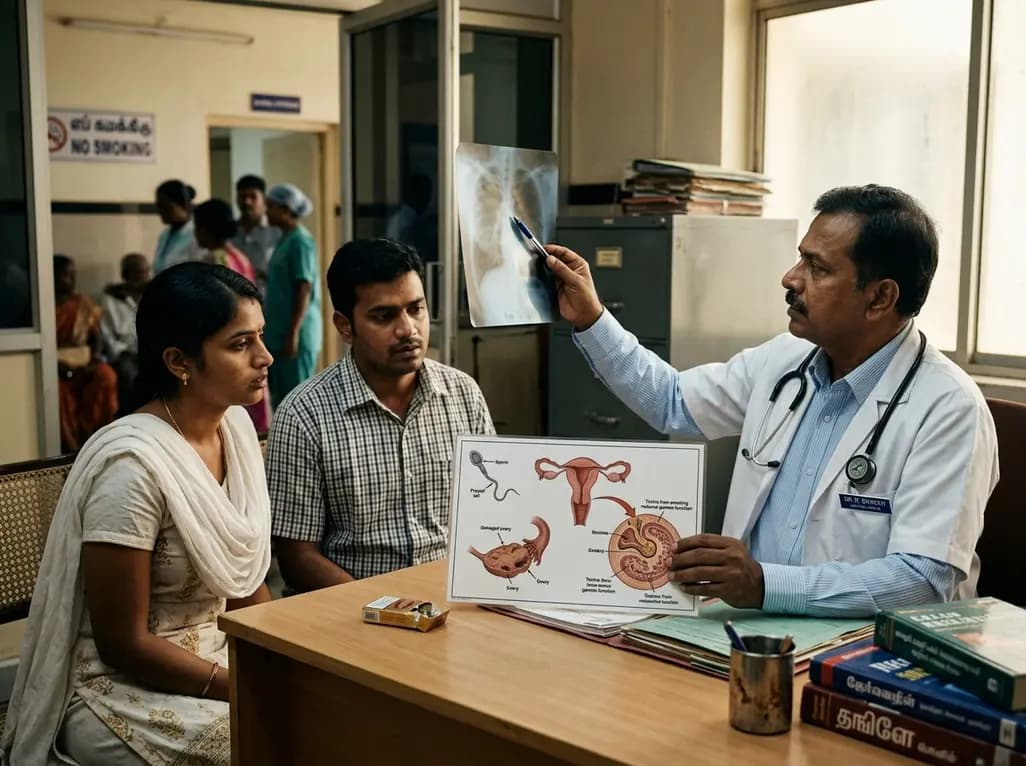
A global knowledge summary from the World Health Organization warns that tobacco smoking significantly increases infertility risks in women and causes substantial sperm and erectile dysfunction in men. Fortunately, quitting smoking substantially lowers these risks, providing clear reproductive benefits.
6 days back
A major cybersecurity breach disrupted global operations at Boston Scientific, delaying device distribution and remote cardiac monitoring activations. This analysis examines the immediate consequences for clinical catheterization suites, electrophysiology teams, hospital inventory systems, and patient care safety.
Last week
Nearly 80% of Indians suffer from inadequate Vitamin D, causing silent bone weakening and sudden fractures. This expert guide reviews why mega-dose therapy is critical for high-risk patients, the key factors driving widespread deficiency, and the mandatory medical evaluations needed to protect skeletal health.
3 months ago

A nationwide mixed-methods study evaluated hospital glycemic management systems across 265 hospitals. While real-time alerts and automatic data sync are highly valued, significant disparities in digital maturity and low satisfaction with decision support highlight the need for standardized implementation.
3 weeks back
