.webp&w=384&q=75)

Loading, please wait...
Loading, please wait...
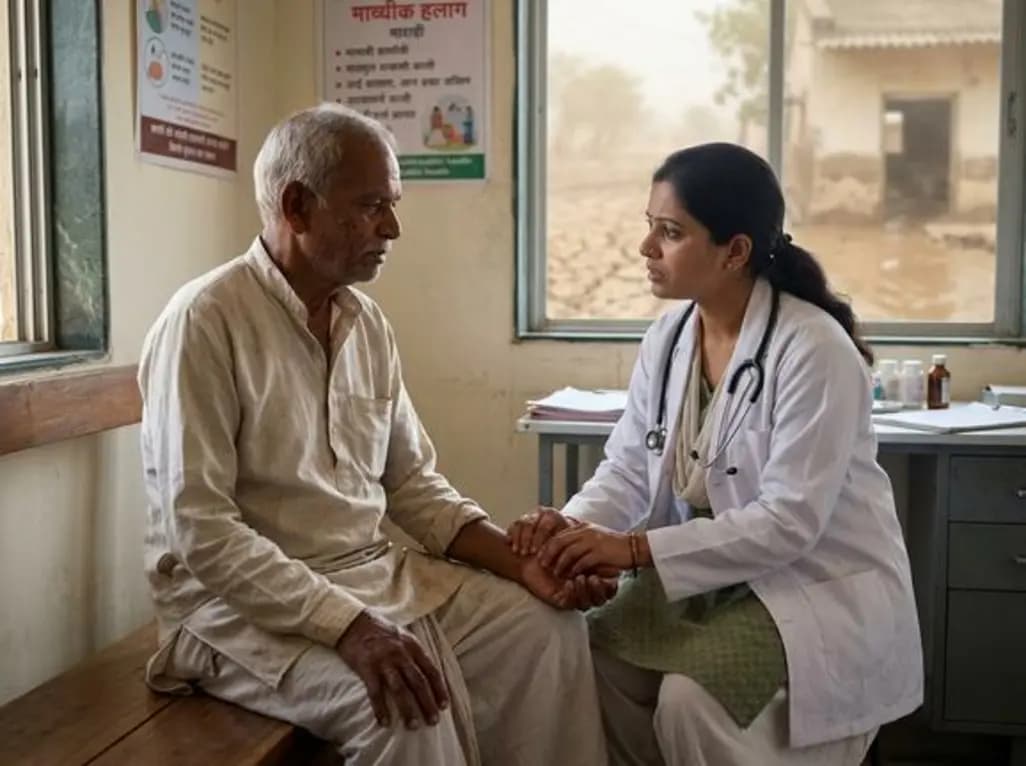
Indeed, a HelpAge India study highlights the urgent need to promote climate resilient ageing in rural communities. Titled Climate Resilient Ageing – Ensuring Care, Dignity & Agency, the study surveyed 2,224 older persons across 10 states. Consequently, it exposes critical gaps in healthcare access and reveals the immense vulnerability of elders facing climate shocks. Historically, climate policies often ignore the unique needs of older citizens. However, this comprehensive report emphasizes that we must protect our rural elderly.
Why is climate resilient ageing so vital? The survey findings show that 78% of older persons experienced at least one climate hazard in the past three years. For instance, extreme heatwaves affected 45% of respondents, while floods impacted 27%. Additionally, droughts affected 20% of rural elders. More than one-third of those exposed suffered moderate to severe disruptions in their daily lives.
Furthermore, heat stress is a major clinical concern. Among older adults affected by heatwaves, 74% experienced immediate illness. Crucially, 44% reported a worsening of their pre-existing chronic conditions. Poor housing also increases vulnerability, as 60% of respondents live in homes that are not fully safe during extreme weather. Therefore, we must strengthen local social support networks and adapt housing infrastructure.
Although 88% of rural older persons reported some healthcare access, only 35% can always obtain treatment when needed. This means nearly two-thirds face highly inconsistent healthcare access, which complicates the management of chronic illnesses. To solve this, doctors and policymakers must understand the practical barriers that prevent care.
Specifically, 49% of respondents face significant travel difficulties. Moreover, 38% said medical facilities are located too far from their homes. Financial hardship also limits access, as 41% of elders cannot afford treatment, and 52% cannot buy essential medicines. Despite these challenges, public infrastructure remains a lifeline. Indeed, PHCs and government hospitals serve as the primary care sources for 51% and 49% of respondents, respectively.
Many older adults remain unaware of government schemes designed to protect them. For example, while 93% understand the food distribution system, only 20% know about the elder healthcare programme. Alarmingly, only 11% are aware of elder helplines.
Consequently, raising awareness about age-specific services must become a priority. We must integrate elder care into climate adaptation, national climate financing, and local disaster risk reduction. Ultimately, strengthening family support and improving social protection will ensure that rural elders can age with dignity and security.
Q1: What are the major climate-related hazards affecting rural elders in India?
According to the HelpAge India report, heatwaves are the most common hazard, affecting 45% of rural older persons. Floods and droughts are also significant threats, experienced by 27% and 20% of respondents, respectively.
Q2: Why do older adults in rural India struggle to access healthcare?
Rural seniors face multiple physical and economic barriers. Almost half report difficulties in travelling to healthcare facilities, while 41% struggle with treatment costs, and 38% find facilities located too far away.
Q3: Which government healthcare services do older adults use most?
Primary Health Centres (PHCs) and government hospitals are the most critical services, accessed by 51% and 49% of the rural elderly population, respectively.
Disclaimer: This content is for informational and educational purposes only. It does not constitute medical advice or replace professional judgment. Refer to the latest local and national guidelines for clinical practice.
References

Read summarized clinical updates, watch expert medical content, and earn CME certifications right from your smartphone.
Open your smartphone camera to scan and install.





A recent HelpAge India national survey reveals that 78% of rural older persons have experienced climate-related hazards, such as heatwaves and floods, over the last three years. The report calls for urgent, targeted policy interventions to improve healthcare access and social protection for vulnerable seniors.
4 months ago
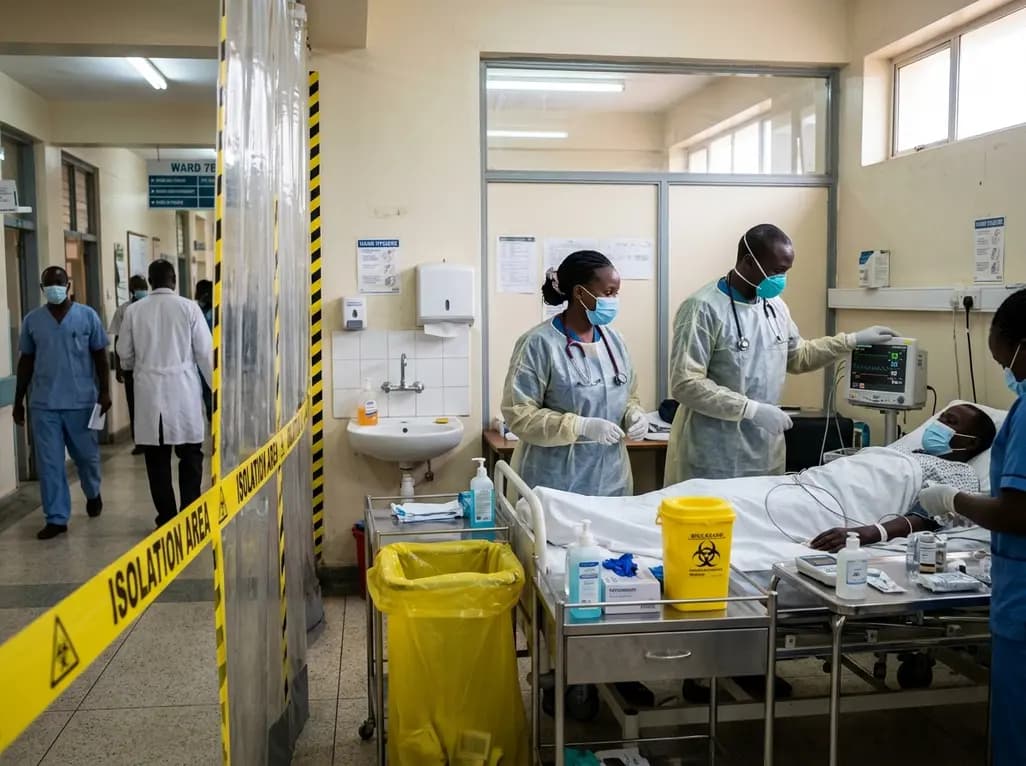
Kenya's confirmation of its eighth Ebola infection highlights the acute risk of secondary transmission in hospital environments. Clinicians must maintain high vigilance, enforce strict infection prevention protocols, and implement rapid triage mechanisms for viral hemorrhagic fevers across healthcare settings.
3 days back
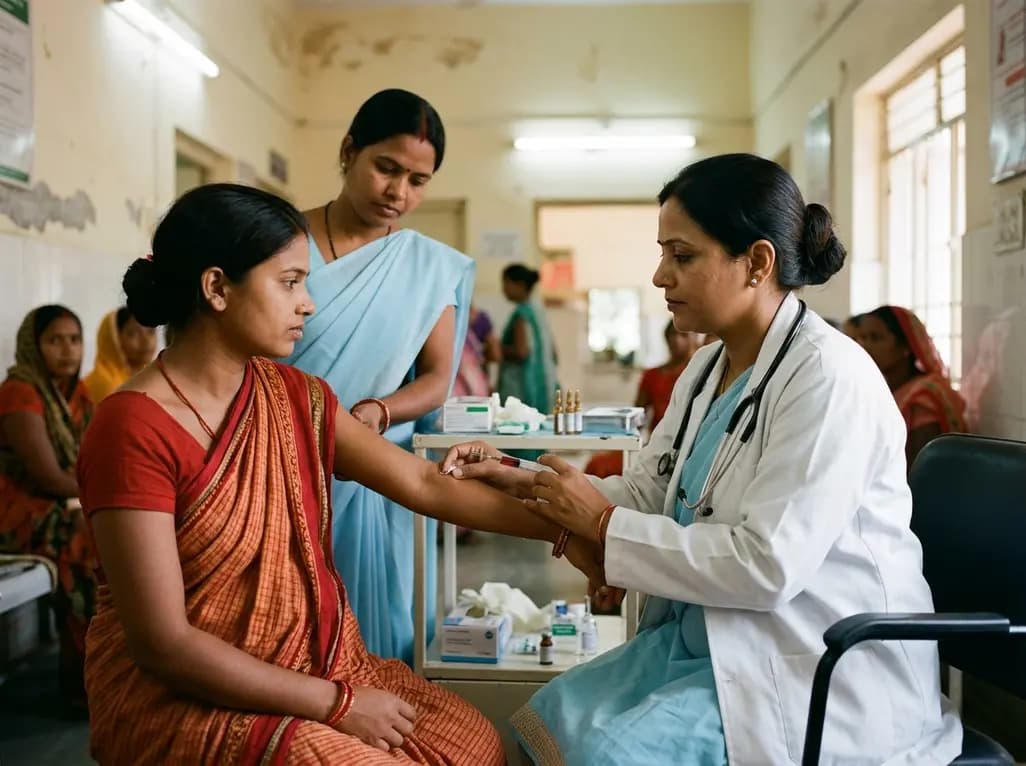
Maternal anaemia contributes to nearly half of pregnancy-related fatalities across India. To prevent complications, Uttar Pradesh has added single-dose parenteral iron to its essential medicines list. This clinical transition aims to restore haemoglobin rapidly and protect high-risk mothers across rural facilities.
Last week
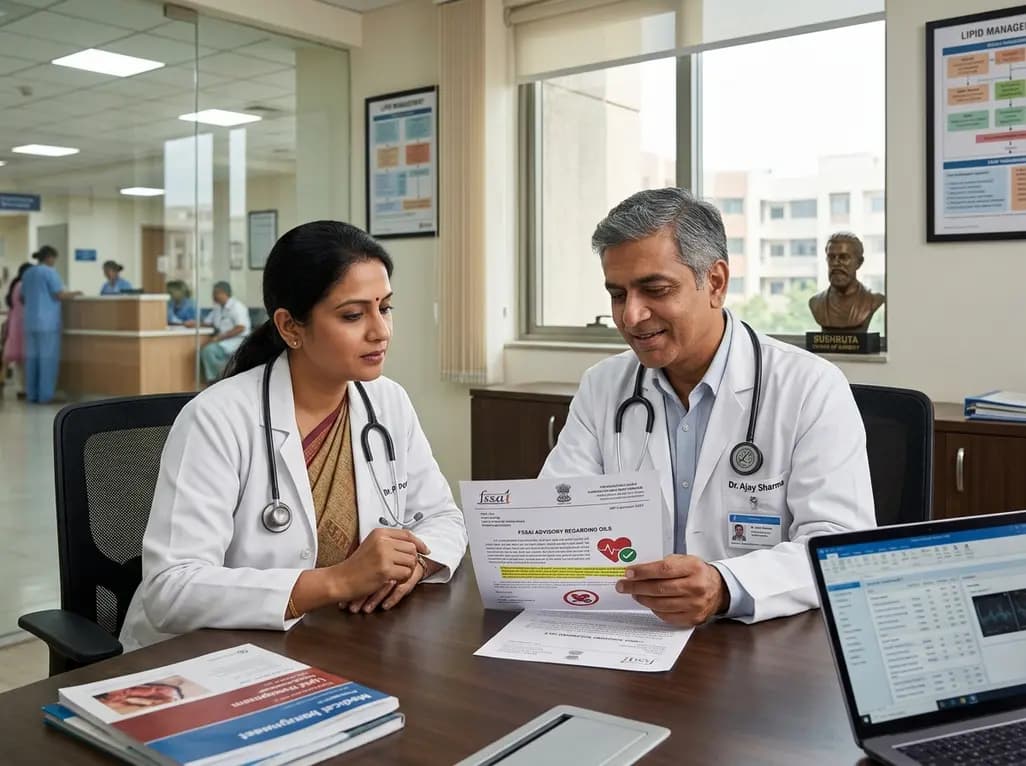
India's food safety authority FSSAI has issued show-cause notices to Gemini Edibles, BigBasket, and Flipkart for unpermitted cardiovascular claims regarding Freedom Rice Bran Oil. This regulatory move highlights the strict enforcement of advertising standards and the clinical necessity of evidence-based lipid care.
5 days back
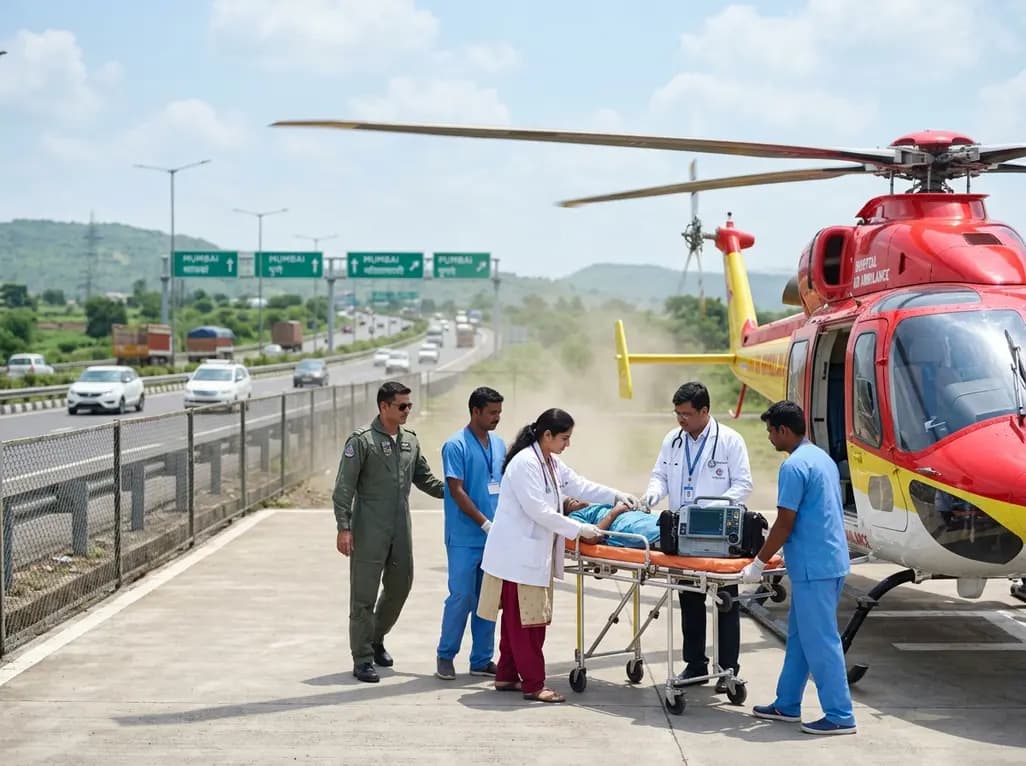
The state government is deploying helicopter emergency medical services across the Mumbai-Pune Expressway, Samruddhi Mahamarg, and Mumbai-Goa Highway. This initiative establishes unified standard operating procedures to enable rapid triage, advanced prehospital resuscitation, and seamless trauma care transfers.
Last week
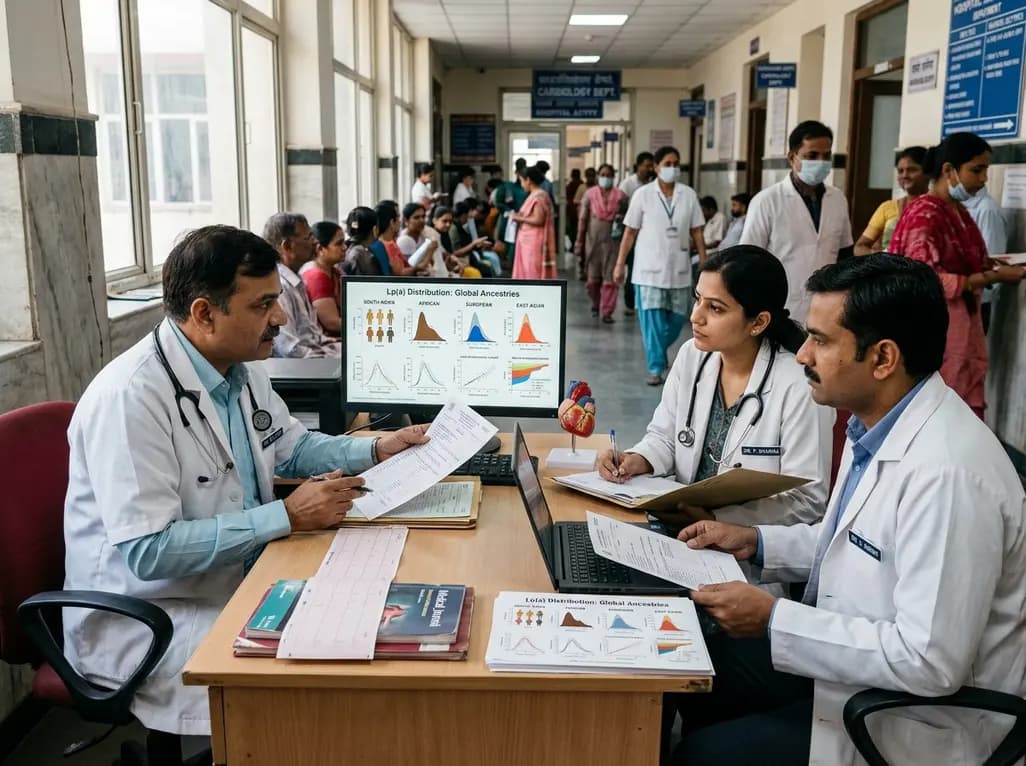
Atherosclerotic cardiovascular disease guidelines often rely on European-derived lipoprotein(a) cutoffs. However, baseline Lp(a) levels vary widely across ancestries, including South Asians and Africans. Clinicians must interpret Lp(a) values within overall absolute cardiovascular risk.
Last week
