

Loading, please wait...
Loading, please wait...
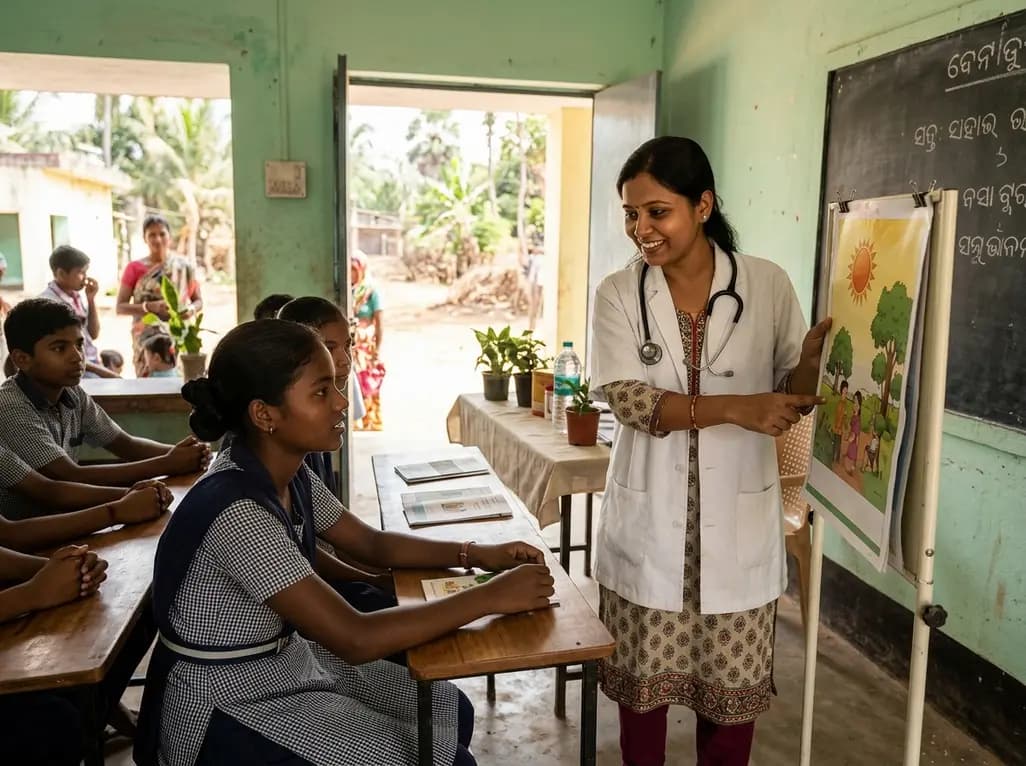
Climate change presents an unprecedented global health challenge, disproportionately affecting vulnerable populations across low- and middle-income countries. In heat-vulnerable regions such as Odisha, India, environmental stress significantly impacts youth psychological stability. Adolescents experience heightened anxiety, emotional distress, and functional impairment due to escalating environmental hazards. Implementing structured climate resilience training within schools offers an essential pathway to safeguard adolescent mental health. Consequently, clinicians must recognize that rising ambient temperatures and recurrent natural calamities intensify psychological vulnerability during critical developmental stages. Furthermore, chronic exposure to severe heatwaves elevates cortisol levels, disrupts sleep architecture, and reduces cognitive endurance. Unfortunately, existing school health programs rarely integrate targeted environmental mental health interventions into their standard curricula. Pediatricians and mental health clinicians observe a steady rise in eco-anxiety, depressive symptoms, and persistent dread regarding future survival. Therefore, strengthening proactive emotional coping mechanisms in academic settings has become an urgent public health imperative across diverse healthcare sectors in India.
Schools serve as ideal operational hubs for delivering targeted preventive healthcare interventions to youth. Under the Ayushman Bharat School Health and Wellness Program, designated educators act as Health and Wellness Ambassadors to foster holistic youth development. Integrating climate resilience training into this existing national framework ensures widespread reach and institutional sustainability across government schools. Specifically, the curriculum combines essential physiological heat-mitigation guidelines with structured psychological coping mechanisms. By doing so, the intervention equips students with practical tools to manage escalating temperature risks and psychological distress simultaneously. Moreover, classroom-based group activities encourage peer support, reduce fatalistic despair, and cultivate collective self-efficacy among students. Health ambassadors teach adolescents how to recognize early signs of heat exhaustion and acute emotional burnout. Consequently, students transition from passive victims of environmental stress into empowered health messengers within their local communities. This proactive educational model effectively bridges the gap between public health policy and grassroots adolescent healthcare delivery.
Evaluating community-level psychosocial interventions requires robust and scientifically rigorous investigative methodologies. To accomplish this, researchers designed a sequential explanatory mixed methods trial among public school students in Khordha district, Odisha. In the first phase, investigators administer standardized psychometric instruments to quantify baseline climate distress and emotional vulnerability. Subsequently, the second phase utilizes qualitative focus group discussions to explore subjective lived experiences, emotional coping strategies, and future aspirations. Finally, the third phase evaluates the intervention through a superiority cluster randomized controlled trial with balanced allocation between intervention and control schools. The instructional intervention comprises five structured classroom sessions delivered over four weeks, followed by a booster module two months later. In addition, the control cohort receives standard health curriculum modules without specific climate adaptation training. This comprehensive research methodology allows clinicians to analyze both statistical outcomes and qualitative nuances of youth psychological adaptation. Consequently, the findings will establish high-grade empirical evidence for future policy formulation.
Accurately measuring behavioral transformation and emotional well-being represents the core objective of this landmark study. The primary outcome focuses on quantifiable changes in climate change awareness scores following intervention delivery. Additionally, secondary endpoints evaluate practical heatwave prevention habits, environmental protective behaviors, and subjective climate hope. Researchers also evaluate standardized mental health measures, specifically assessing fluctuations in anxiety symptoms and depressive manifestations. By evaluating both behavioral adaptation and emotional resilience, the trial captures a multidimensional profile of youth empowerment. Furthermore, the inclusion of booster sessions reinforces retained knowledge and sustains positive behavioural modifications over extended observation periods. When adolescents acquire practical competencies such as hydration management and heat illness recognition, their psychological sense of agency increases significantly. Consequently, practical preparedness directly counteracts feelings of helplessness and chronic eco-paralysis. Clinicians can utilize these comprehensive outcome indicators to formulate targeted psychological care plans for heat-affected communities across South Asia.
The intersection of climate disruption and youth psychopathology requires significant shifts in clinical practice paradigms. Pediatricians, general physicians, and child psychiatrists must routinely explore climate-related distress during routine developmental assessments. Moreover, clinicians should recognize that somatic complaints during summer heat extremes often mask underlying distress and anticipatory anxiety. By validating adolescent concerns regarding climate volatility, healthcare professionals can build stronger therapeutic rapport with young patients. Additionally, medical societies must advocate for the inclusion of environmental resilience modules within ongoing national health frameworks. Clinicians should also collaborate closely with educational institutions to monitor vulnerable adolescents exhibiting acute stress responses after extreme climate events. Furthermore, integrating structured psychological screening tools into primary pediatric care can facilitate early detection of climate-induced mood disturbances. These collaborative clinical strategies will strengthen pediatric mental health infrastructure across resource-constrained regions. Ultimately, healthcare systems must acknowledge ecological stability as an undeniable determinant of long-term pediatric mental health.
Scaling school-based psychological interventions requires sustained political commitment and evidence-driven policy formulation. Because the study operates directly within the Ayushman Bharat infrastructure, successful outcomes can swiftly translate into national guidelines. Furthermore, low- and middle-income countries share similar climatic vulnerabilities and institutional healthcare resource deficits. Therefore, this Indian trial provides an adaptable blueprint for global child health practitioners working in vulnerable tropical territories. By demonstrating the efficacy of trained schoolteachers as frontline mental health promoters, the initiative optimizes task-shifting strategies in community medicine. Moreover, integrating psychological resilience into climate disaster mitigation frameworks aligns directly with international sustainable development goals. As climate hazards accelerate, proactive youth empowerment must replace reactive emergency medical management. Investing in adolescent psychological fortitude today safeguards future societal productivity and reduces long-term psychiatric illness burdens worldwide. Hence, this pioneering study marks a crucial step toward sustainable, resilient healthcare delivery models globally.
Climate resilience training delivers structured educational sessions focused on building psychological coping strategies and adaptive physical behaviors during climate extremes. The curriculum educates students on physiological heat-mitigation practices, environmental awareness, and emotional regulation techniques. Through interactive classroom discussions, adolescents learn to manage eco-anxiety, identify early signs of heat exhaustion, and develop sustainable hope. Consequently, this training transforms overwhelming environmental distress into proactive community-level adaptation and psychological resilience.
The Ayushman Bharat School Health and Wellness Program provides an established, institutionalized framework covering millions of Indian government schools. Utilizing designated teachers as Health and Wellness Ambassadors allows seamless intervention delivery without overburdening external clinical infrastructure. Furthermore, this institutional integration ensures cultural acceptability, widespread geographic reach, and long-term sustainability. Therefore, embedding climate resilience into an existing national program establishes a scalable blueprint for public health policy throughout India.
Extreme heatwaves impose significant neurobiological and psychological burdens on developing adolescents. Elevated environmental temperatures disrupt normal sleep architecture, increase systemic neuroinflammation, and trigger autonomic nervous system dysregulation. Furthermore, constant weather-related disruptions foster persistent anticipatory dread, chronic stress, and depressive mood episodes. Without structured psychological support, vulnerable youth often experience reduced academic productivity, severe eco-anxiety, and profound emotional fatigue during recurrent summer heatwaves across vulnerable geographical regions.
Disclaimer: This content is for informational and educational purposes only and should not be considered professional medical advice. Always consult a qualified healthcare provider for diagnosis and treatment decisions. Refer to the latest local and national guidelines for clinical practice.
References

Read summarized clinical updates, watch expert medical content, and earn CME certifications right from your smartphone.
Open your smartphone camera to scan and install.





A landmark trial in Odisha evaluates Climate Change Resilience Training under the Ayushman Bharat School Health Program to protect adolescent mental health, enhance psychological resilience, and improve heatwave adaptation among school-going youth.
Yesterday
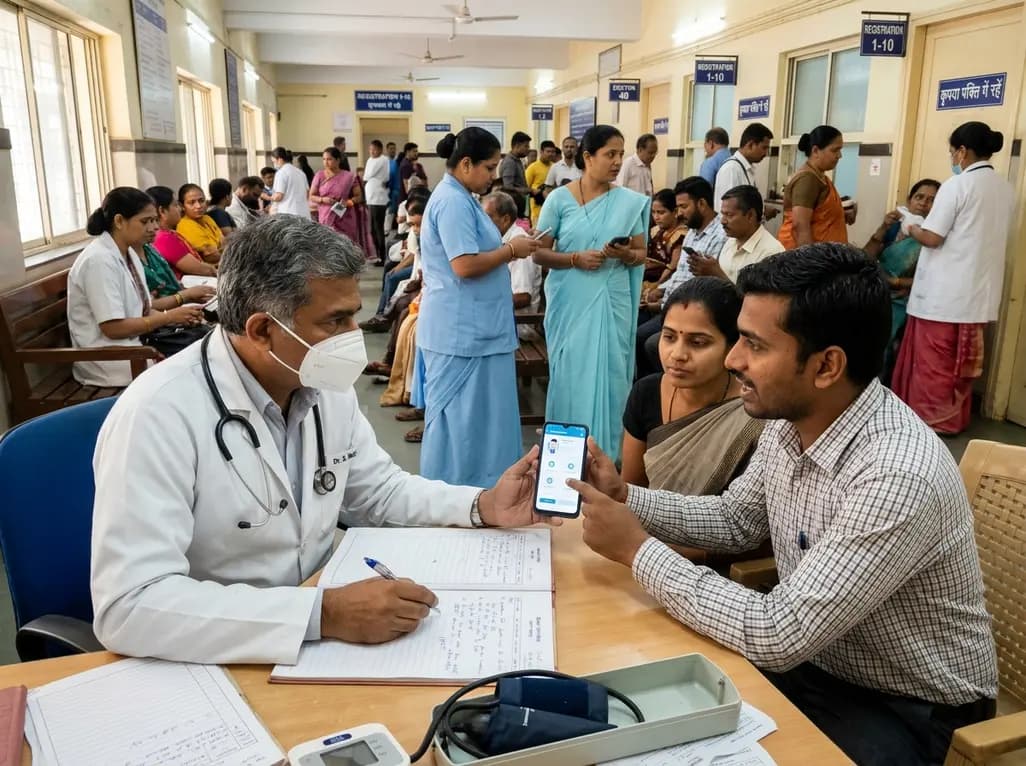
A recent Boston Consulting Group report shows 60 percent of Indian patients view digital sources as equivalent to doctor consultations. Clinicians must adapt to changing patient expectations regarding diagnostic clarity, price transparency, and rapid digital communication across clinical care pathways.
Yesterday
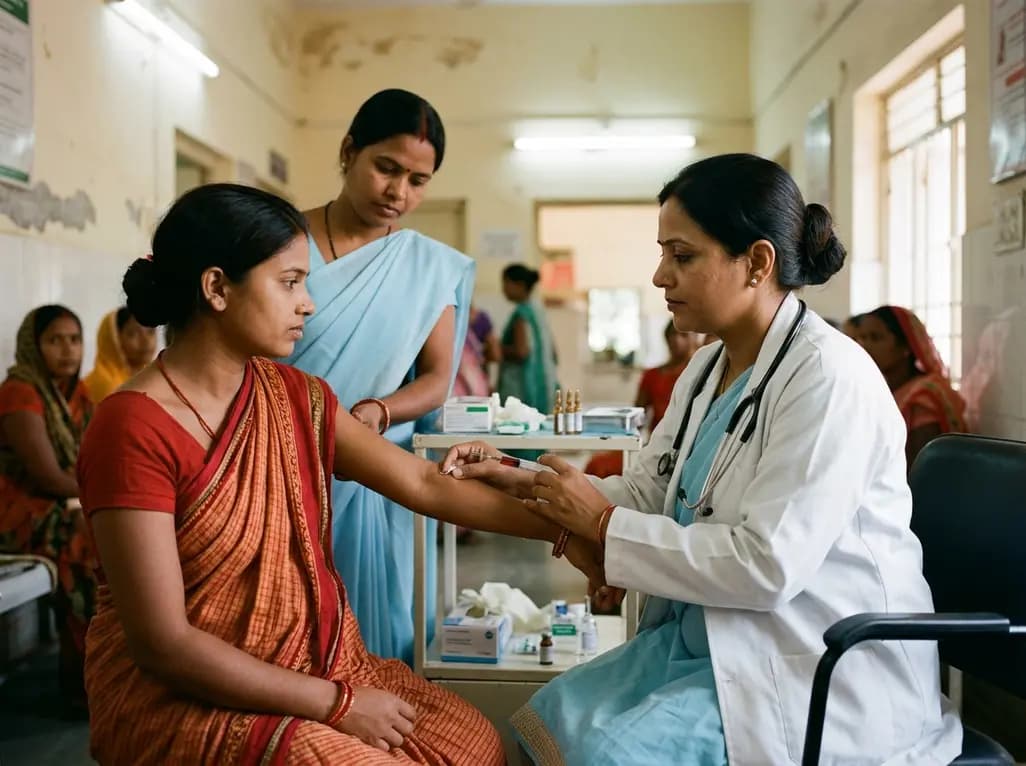
Maternal anaemia contributes to nearly half of pregnancy-related fatalities across India. To prevent complications, Uttar Pradesh has added single-dose parenteral iron to its essential medicines list. This clinical transition aims to restore haemoglobin rapidly and protect high-risk mothers across rural facilities.
last month
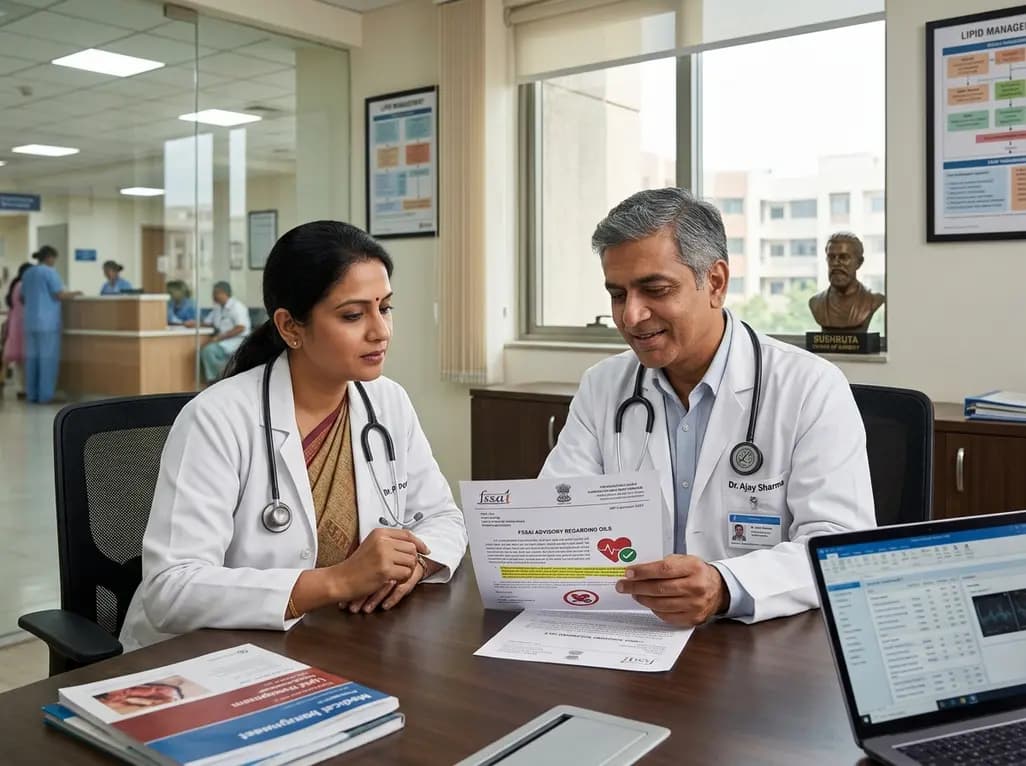
India's food safety authority FSSAI has issued show-cause notices to Gemini Edibles, BigBasket, and Flipkart for unpermitted cardiovascular claims regarding Freedom Rice Bran Oil. This regulatory move highlights the strict enforcement of advertising standards and the clinical necessity of evidence-based lipid care.
4 weeks back
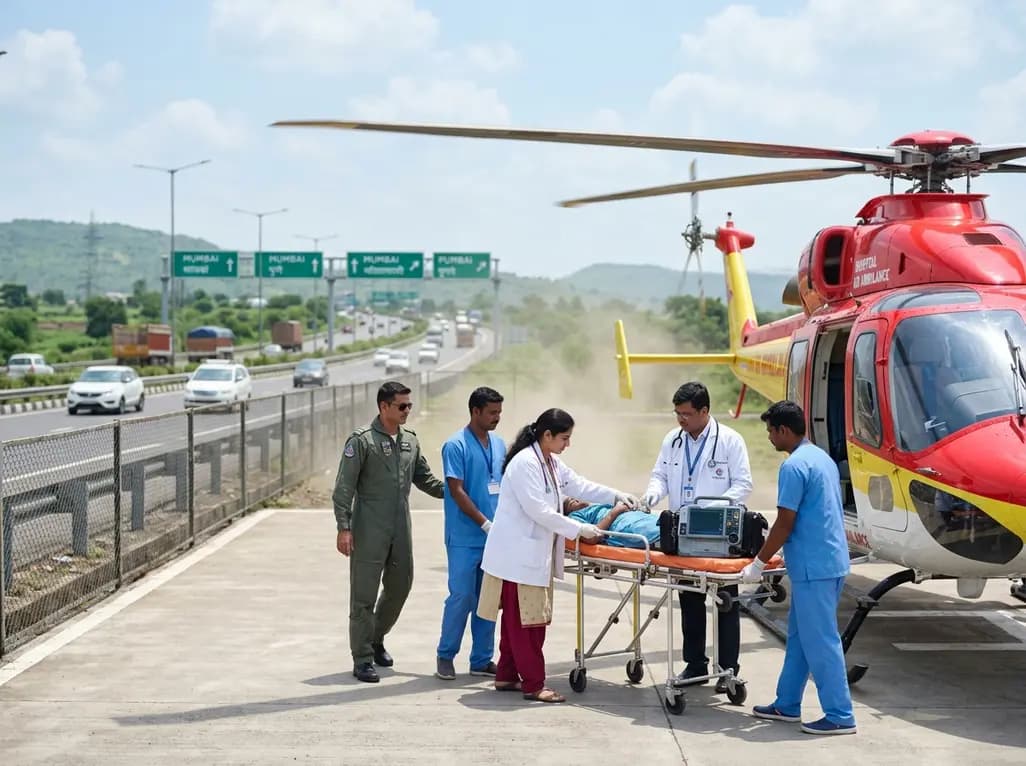
The state government is deploying helicopter emergency medical services across the Mumbai-Pune Expressway, Samruddhi Mahamarg, and Mumbai-Goa Highway. This initiative establishes unified standard operating procedures to enable rapid triage, advanced prehospital resuscitation, and seamless trauma care transfers.
4 weeks back
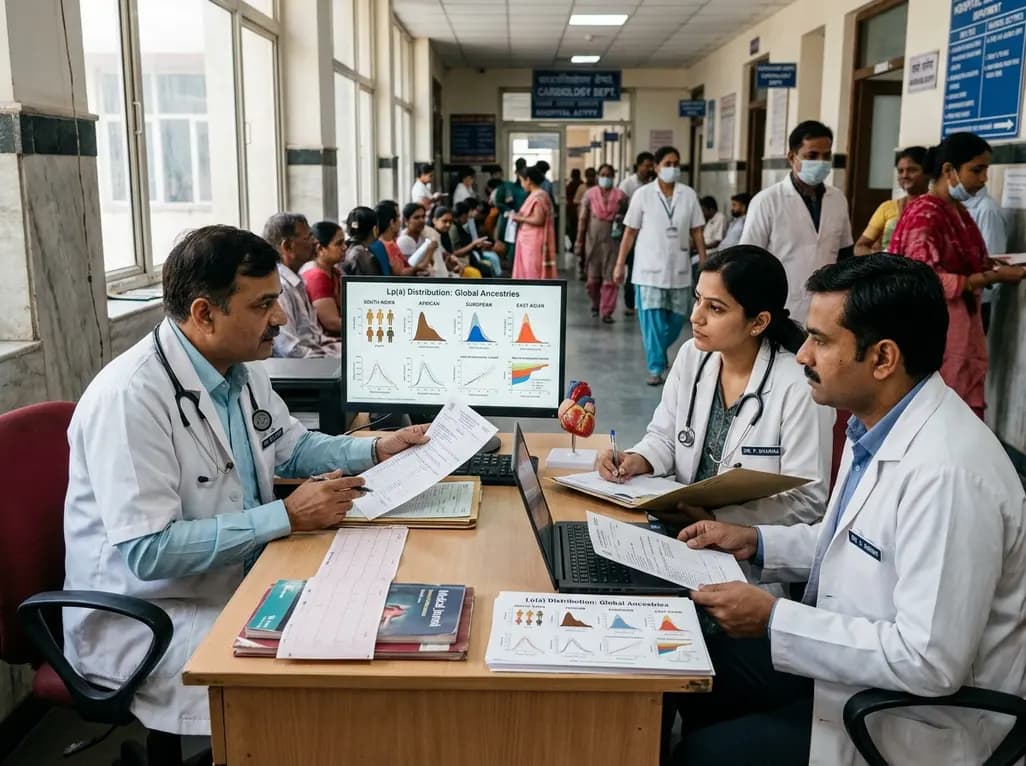
Atherosclerotic cardiovascular disease guidelines often rely on European-derived lipoprotein(a) cutoffs. However, baseline Lp(a) levels vary widely across ancestries, including South Asians and Africans. Clinicians must interpret Lp(a) values within overall absolute cardiovascular risk.
last month
