.webp&w=384&q=75)

Loading, please wait...
Loading, please wait...
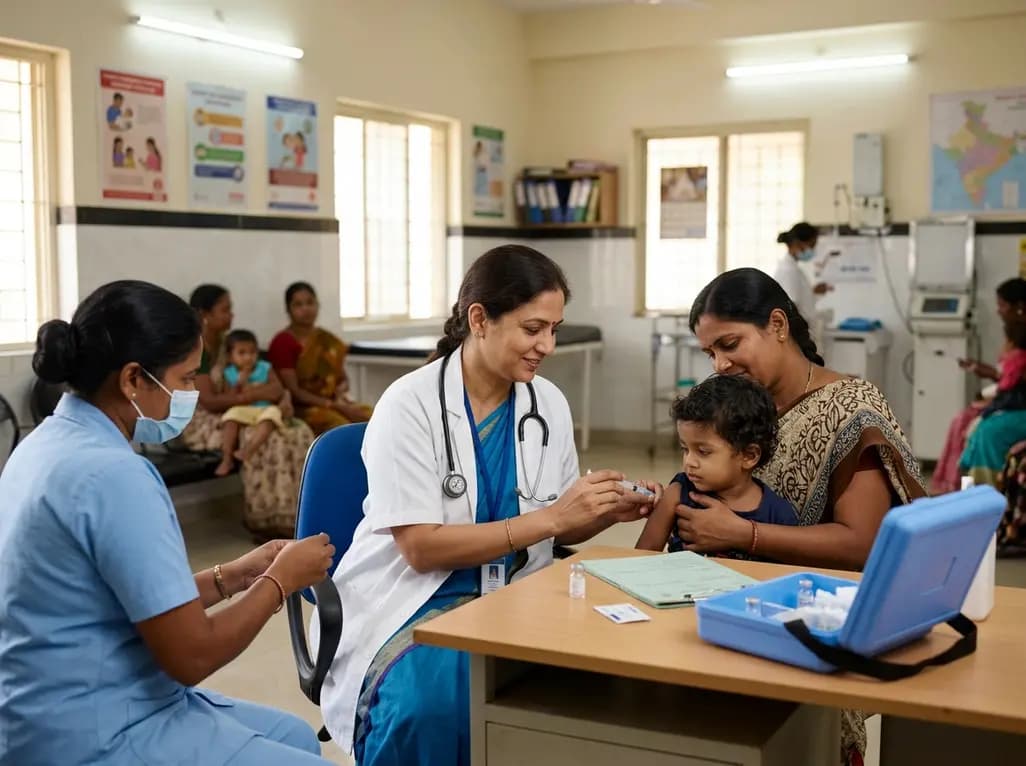
Optimizing childhood immunisation coverage remains a vital public health objective. Recently, the World Health Organisation highlighted both significant progress and persistent gaps in the South-East Asia Region. Despite outstanding routine immunisation coverage, many vulnerable children still miss out. Consequently, medical professionals must understand these dynamics to protect underserved populations. Therefore, this article examines immunization statistics, the challenge of reaching zero-dose children, and clinical strategies to close immunity gaps.
According to the latest data, the South-East Asia Region continues to lead global efforts in routine pediatric vaccinations. Specifically, the region sustained an impressive third-dose diphtheria, tetanus, and pertussis vaccine coverage of ninety-four percent in 2025. This achievement stands well above the global average of eighty-five percent. Furthermore, the first-dose measles vaccine coverage rose to ninety-six percent, showing an upward trajectory. Similarly, the second-dose measles coverage reached ninety-three percent, maintaining a highly favorable position compared to global standards. Consequently, these figures reflect robust public health infrastructure and strong political commitment across member nations. However, these positive regional statistics can easily mask critical pockets of vulnerability that persist at local levels. Therefore, healthcare providers must remain vigilant and avoid complacency. Even with high overall numbers, localized outbreaks can occur if immunity gaps remain open. Ultimately, sustaining this momentum requires consistent funding, robust supply chains, and active clinical advocacy. Additionally, routine child health clinics must receive continuous support to prevent service drop-offs. By addressing these challenges, countries can sustain their childhood immunisation coverage and protect every single child from vaccine-preventable health risks and life-threatening complications.
Despite high regional averages, a significant number of infants did not receive their first routine vaccine. Specifically, nearly 1.2 million children in the South-East Asia Region remained completely unvaccinated in 2025. These zero-dose children represent a serious public health concern because they lack any immunological protection against lethal pathogens. Furthermore, around 600,000 children in the region were only partially vaccinated, failing to complete their schedules. Consequently, these individuals remain highly susceptible to highly infectious, vaccine-preventable diseases. In addition, the reduction in zero-dose children has stagnated, showing only marginal progress compared to the previous year. Consequently, healthcare authorities must actively locate these missed cohorts to prevent major resurgences. Usually, these unvaccinated individuals reside in hard-to-reach, underserved, or conflict-affected communities. Therefore, clinicians must adopt targeted strategies to identify families who face severe socioeconomic barriers. Moreover, migrating families and marginalized urban populations often fall through the cracks of standard systems. Ultimately, identifying zero-dose children is the first step toward achieving health equity and universal coverage. To solve this issue, healthcare facilities must use localized data to track missed individuals and design tailored outreach programs.
Immunity gaps present a severe threat that can lead to rapid disease transmission. Specifically, the highly contagious nature of the measles virus makes it a primary indicator of population immunity. Recently, several countries in the South-East Asia Region, including Bangladesh, experienced significant measles outbreaks. These outbreaks clearly demonstrate how quickly declining immunity can lead to a resurgence of preventable diseases. Therefore, achieving and maintaining high coverage of both measles vaccine doses is absolutely vital. Furthermore, clinicians must emphasize the importance of the second dose during routine pediatric consultations. Often, parents forget the second dose because of the long interval after the first vaccine. Consequently, pediatric clinics should implement robust reminder systems to recall patients for their second dose. Additionally, healthcare providers must educate families about the serious complications of measles, including pneumonia and encephalitis. By raising awareness, clinicians can increase demand and reduce vaccine hesitancy among skeptical parents. Ultimately, preventing measles outbreaks is crucial for safeguarding child health and reducing under-five mortality rates. Therefore, every clinic must actively monitor vaccination timelines and follow up with parents immediately to schedule missing doses.
Modern public health guidelines increasingly support a comprehensive, life-course approach to preventative medicine. Consequently, countries in the region are expanding their vaccination programs beyond early childhood. This expanded strategy aims to protect adolescents, pregnant women, and older adults from preventable infections. For example, maintaining high coverage of the tetanus-diphtheria vaccine among pregnant women is vital. This practice successfully protects both mothers and their newborns from neonatal tetanus. Furthermore, expanding the human papillomavirus vaccination program remains a critical priority for adolescent girls. This vital vaccine significantly reduces the long-term risk of developing cervical cancer. In addition, older populations benefit immensely from influenza and pneumococcal vaccines, which lower hospitalization rates. Therefore, primary care physicians must advocate for adult immunisation during routine clinical visits. Frequently, adult patients do not realize that they require booster doses to maintain protective immunity. By integrating immunization with other adult healthcare services, clinics can improve overall coverage. Ultimately, a life-course approach ensures that individuals remain protected at every stage of life. Thus, clinicians should screen patients of all ages during routine visits to update their vaccination histories.
Closing the remaining immunity gaps requires a fundamental strengthening of primary health care delivery. Therefore, local healthcare authorities must use tailored, data-driven strategies to identify underserved populations. Specifically, micro-planning at the community level allows clinics to allocate resources more efficiently. Furthermore, engaging local community leaders can help build trust and overcome deep-seated cultural vaccine hesitancy. Healthcare providers should also integrate immunisation services with other essential maternal and child health interventions. For example, combining vaccination with nutrition monitoring or prenatal care increases service uptake. Consequently, families can access multiple life-saving services during a single clinic visit. Additionally, governments must invest in training and supporting frontline healthcare workers who deliver these vaccines. These dedicated professionals represent the backbone of the entire immunisation system. Moreover, maintaining a reliable cold chain is essential to ensure vaccine efficacy in remote areas. By addressing these operational barriers, clinics can provide consistent, high-quality care. Ultimately, a resilient primary healthcare system is the most effective tool to achieve universal health coverage. Indeed, investing in clinic infrastructure represents the most sustainable way to secure long-term public health success.
Q1: Why are zero-dose children highly vulnerable to outbreaks of vaccine-preventable diseases?
Zero-dose children have not received any routine vaccines, leaving them with no active immunological protection against severe infections. Consequently, they remain highly susceptible to pathogens like measles, diphtheria, and pertussis. Furthermore, when these unvaccinated individuals gather in underserved or remote communities, they create substantial immunity gaps. Therefore, even a single imported case can rapidly trigger a widespread outbreak, threatening the health of the entire local population.
Q2: How does a life-course approach to immunisation benefit public health?
A life-course approach extends vaccination benefits beyond infancy to protect individuals at every stage of life. Specifically, it introduces booster doses for adolescents, maternal vaccines for pregnant women, and targeted immunisations for older adults. This comprehensive strategy successfully prevents infectious diseases like neonatal tetanus, cervical cancer, and adult pneumonia. Consequently, it reduces overall hospitalization rates and lowers healthcare costs. Therefore, it promotes a healthier, more resilient society through all life stages.
Q3: What role does primary health care play in improving immunisation rates?
Primary health care serves as the main entry point for vaccine delivery and community health education. Specifically, robust primary care clinics utilize local health data to identify and reach underserved, marginalized families. Furthermore, by integrating vaccination with routine services like nutrition monitoring and maternal care, clinics make services highly accessible. Consequently, this holistic approach builds trust, reduces vaccine hesitancy, and ensures that vulnerable children do not fall through the system gaps.
Disclaimer: This content is for informational and educational purposes only. It does not constitute medical advice or replace professional judgment. Refer to the latest local and national guidelines for clinical practice.
References

Read summarized clinical updates, watch expert medical content, and earn CME certifications right from your smartphone.
Open your smartphone camera to scan and install.





Discover the latest insights from the WHO on routine childhood immunisation coverage in South-East Asia. While key vaccine coverage remains high, millions of zero-dose and partially vaccinated children are still being missed. Learn how primary healthcare systems can adapt to bridge these critical immunity gaps.
3 months ago
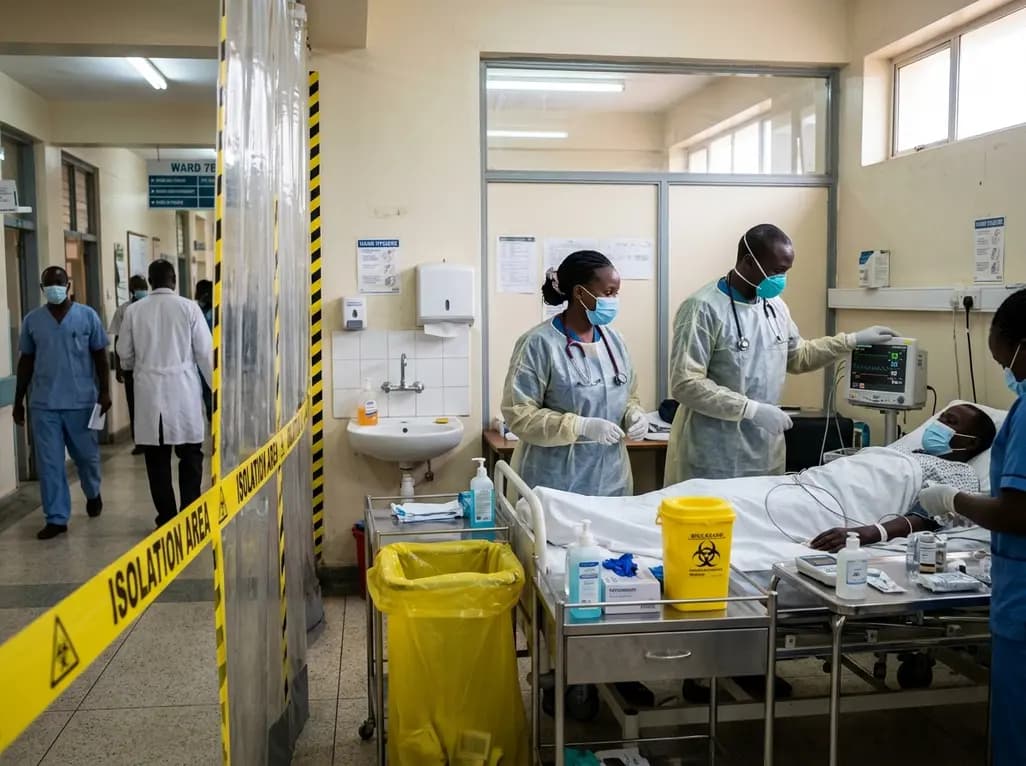
Kenya's confirmation of its eighth Ebola infection highlights the acute risk of secondary transmission in hospital environments. Clinicians must maintain high vigilance, enforce strict infection prevention protocols, and implement rapid triage mechanisms for viral hemorrhagic fevers across healthcare settings.
4 days back
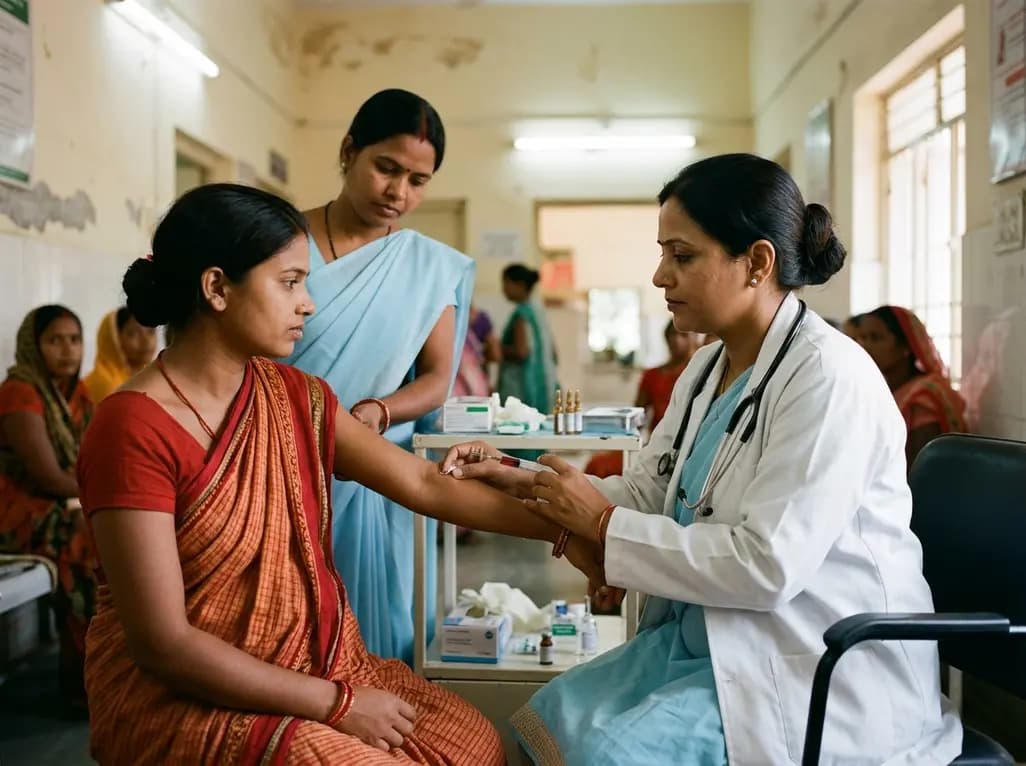
Maternal anaemia contributes to nearly half of pregnancy-related fatalities across India. To prevent complications, Uttar Pradesh has added single-dose parenteral iron to its essential medicines list. This clinical transition aims to restore haemoglobin rapidly and protect high-risk mothers across rural facilities.
Last week

India's food safety authority FSSAI has issued show-cause notices to Gemini Edibles, BigBasket, and Flipkart for unpermitted cardiovascular claims regarding Freedom Rice Bran Oil. This regulatory move highlights the strict enforcement of advertising standards and the clinical necessity of evidence-based lipid care.
6 days back
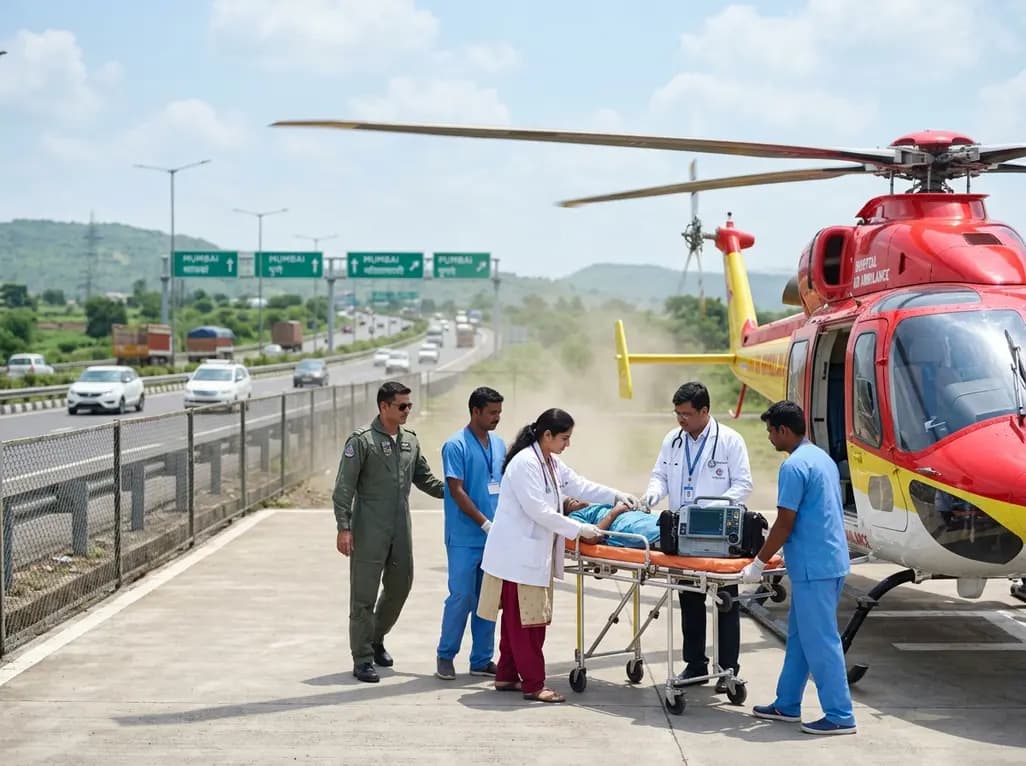
The state government is deploying helicopter emergency medical services across the Mumbai-Pune Expressway, Samruddhi Mahamarg, and Mumbai-Goa Highway. This initiative establishes unified standard operating procedures to enable rapid triage, advanced prehospital resuscitation, and seamless trauma care transfers.
Last week
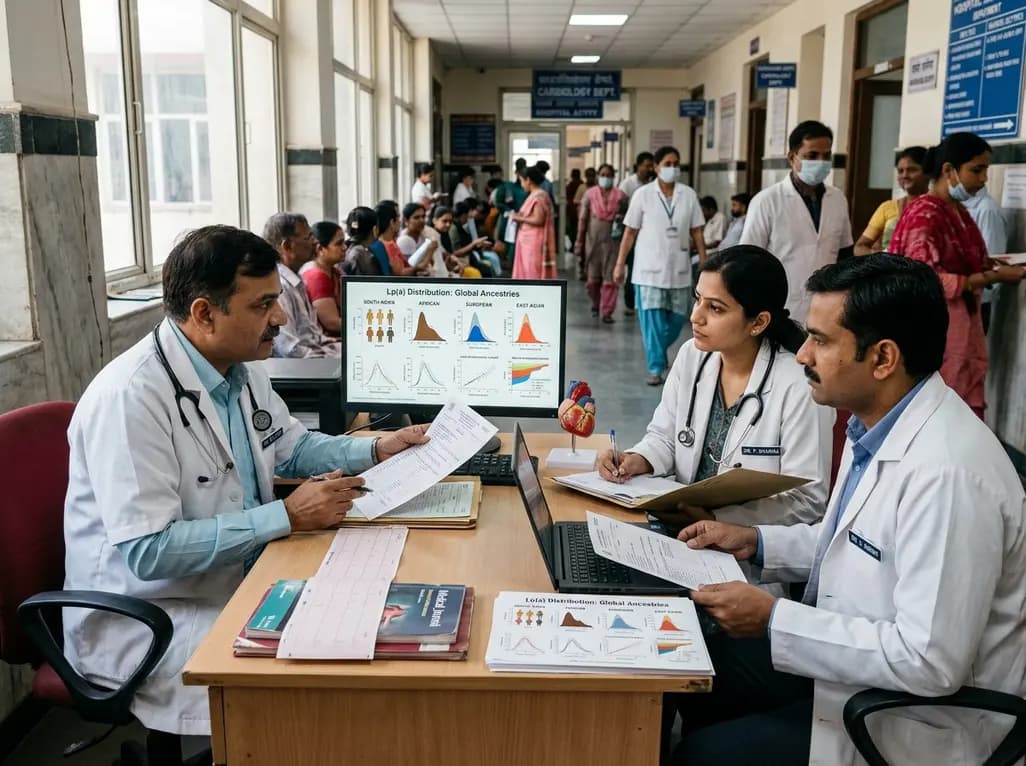
Atherosclerotic cardiovascular disease guidelines often rely on European-derived lipoprotein(a) cutoffs. However, baseline Lp(a) levels vary widely across ancestries, including South Asians and Africans. Clinicians must interpret Lp(a) values within overall absolute cardiovascular risk.
Last week
